




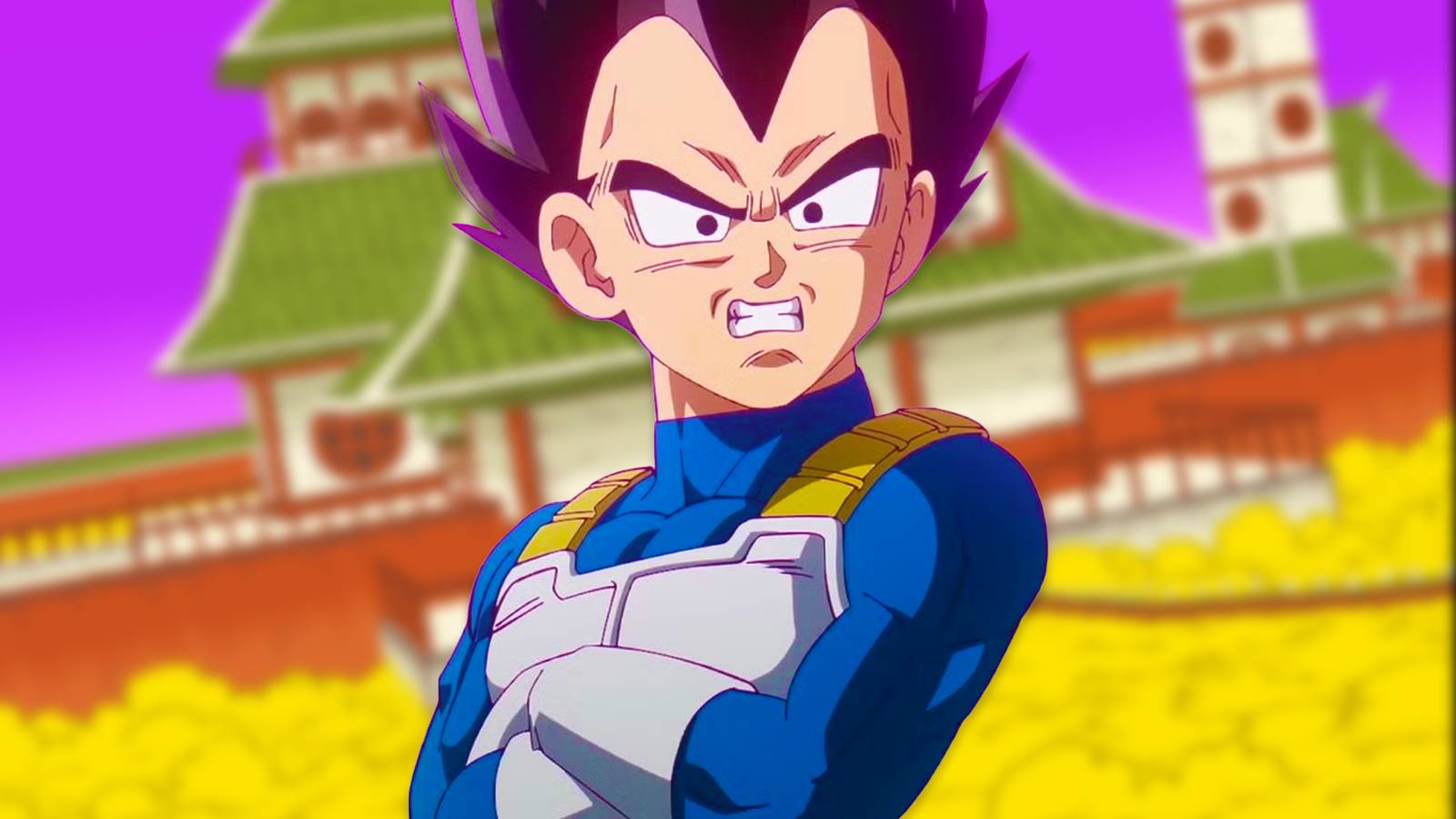
Since the ’80s, we have received roughly a billion Dragon Ball games, and some of them are even pretty good! I kid; I personally enjoy most of the franchise’s releases, and titles like Dragon Ball FighterZ and Legacy of Goku 2 are genuinely brilliant. While any fan should be familiar with Budokai, Supersonic Warriors, Xenoverse, or even Burst Limit, a couple of great DBZ games flew under the radar, being underplayed at release and mostly forgotten nowadays.
Even though I can easily drop 20 hours into Infinite World or Battle of Z, I’m not going to pretend either of those are masterpieces that everyone needs to play right now. However, Dragon Ball has dropped a couple of gems that really deserve more attention and, in some cases, have aged pretty darn well.
“Nobody played” refers mainly to when each game was released in North America; still, most of these titles are underplayed today.
Super Dragon Ball Z Beat FighterZ To The Punch By More Than A Decade
Dragon Ball’s First Competitive Fighting Game
- A PS2 Dragon Ball game that was substance over style (and it didn’t lack style).
- Released in a crowded market that didn’t really have room for more DBZ.
History remembers Dragon Ball FighterZ as the moment that Goku finally entered the competitive scene, but that’s not really accurate.
In the mid-2000s, the franchise crossed over for a brief spell thanks to Super Dragon Ball Z, a game that was almost immediately forgotten as it dropped just a few months before Budokai Tenkaichi 2. In an era defined by bloated rosters, auto-combos, and cinematic cutscenes, this release was the antithesis of everything Dragon Ball video games represented at the time. It was a breath of fresh air.
Developed by Arika, a studio founded by former Capcom developers who worked on Street Fighter, Super Dragon Ball Z merged 3D arenas with 2D fighting philosophy, finding a solid middle ground with only a few shaky moments. Even though you can side-step into the foreground and background, Super DBZ uses a locked side-scrolling perspective, like Tekken or Virtua Fighter. More importantly, the mechanics aren’t afraid to sacrifice immediate accessibility for a learning curve.
With fewer than 20 playable characters, Arika could prioritize a balanced roster where every fighter feels unique, and the developers more than delivered. Each fighter has proper light, medium, and heavy attacks mapped to specific normals, requiring quarter-circle and half-circle motions for special moves rather than just holding a direction and pressing a button. You even earned Zeni to unlock Skill Cards that could be used to alter a character’s moveset.
Super Dragon Ball Z holds up absurdly well. Obviously, you cannot compare it to something like Street Fighter 6, but the combat is still snappy, satisfying, and challenging. Unfortunately, the PS2 version has very little content, offering only an arcade ladder and a survival mode.
DBZ: Legendary Super Warriors Came Out Way Too Late
One Of The Best DBZ RPGs
- Released on essentially a retired console that wasn’t extremely popular to begin with.
In North America, the Game Boy Advance was released on June 11, 2001. Want to know when Dragon Ball Z: Legendary Super Warrior debuted for the Game Boy Color? November 8, 2002. This wasn’t a port that took forever to come out in Western nations either, as the Japanese version only dropped in August of the same year. Even as someone who tried to consume everything related to DBZ during the 2000s, this game completely slipped through the cracks.
I don’t know if the game would be regarded as an all-time classic if it had released earlier, but DBZ: Legendary Super Warrior might be more fondly remembered and feature more prominently in discussions debating the franchise’s best RPG. Oh, yeah, this is a turn-based RPG built around a card system, and a pretty darn fascinating and difficult one. Instead of standard turn-based JRPG goodness, the battle system emphasizes positioning and building up power across stages to ultimately unleash a finishing move.
The combat and deck-building take a while to get used to, but both of them have a surprising amount of depth, not only for Dragon Ball Z but also for the Game Boy Color. Although it follows the main anime arcs, the story is told from Gohan’s perspective, which gives it a unique tone.
Plan To Eradicate the Saiyans Is More Than Just An OVA
- Never released outside Japan.
You know what, let’s stick to card games for another entry, and this one is even more obscure than Legendary Super Warriors. Some folks might be familiar with the 2010 OVA Dragon Ball: Plan to Eradicate the Super Saiyans,a remake of a 1993 OVA with essentially the same name; however, less known is that the animated short was adapted from a Famicom game released that same year. As with quite a few early DBZ games, Plan to Eradicate the Saiyans never left Japan.
Long before becoming synonymous with over-the-top arena fighters, Dragon Ball initially leaned heavily into slower-paced RPG systems, at least on the Famicom. Plan to Eradicate the Saiyans might be the strongest example from this period, as its turn-based combat follows a fairly straightforward card value system. In the campaign, you have to carefully manage your 5-character party’s positioning and weaknesses, which is where most of the depth comes from.
Also, Plan to Eradicate the Saiyans actually told an original story. How many DBZ games can claim that?
Dragon Ball Online’s Shadow Looms Over Xenoverse And Heroes
Absurdly Important Dragon Ball Game

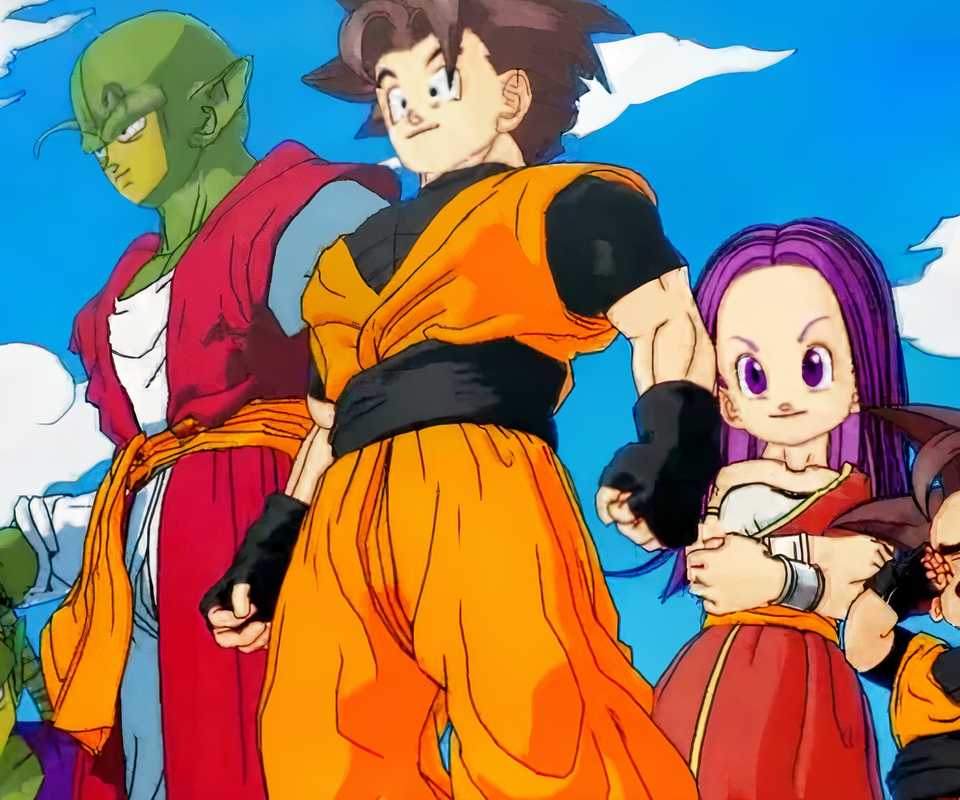
- MMO that never made it to the West.
Dragon Ball Online is fairly recognizable compared to every other game in this article, but it still doesn’t get enough credit for basically creating the franchise’s multiverse. Lasting from around 2010 to 2013, the MMORPG never made its way to Western nations, so nobody in North America has officially played it. Fans did what fans tend to do and found a way to make it playable, so you can actually jump in today.
The Time Patrol, Mira and Towa, and the Dark Demon realm all trace back to this MMO, meaning Xenoverse, Breakers, and the monster that is Super Dragon Ball Heroes are directly indebted to DBO. It’s wild to think that a failed 2010 MMO that most Western fans only read about in blog posts ended up having such a long-lasting impact.