


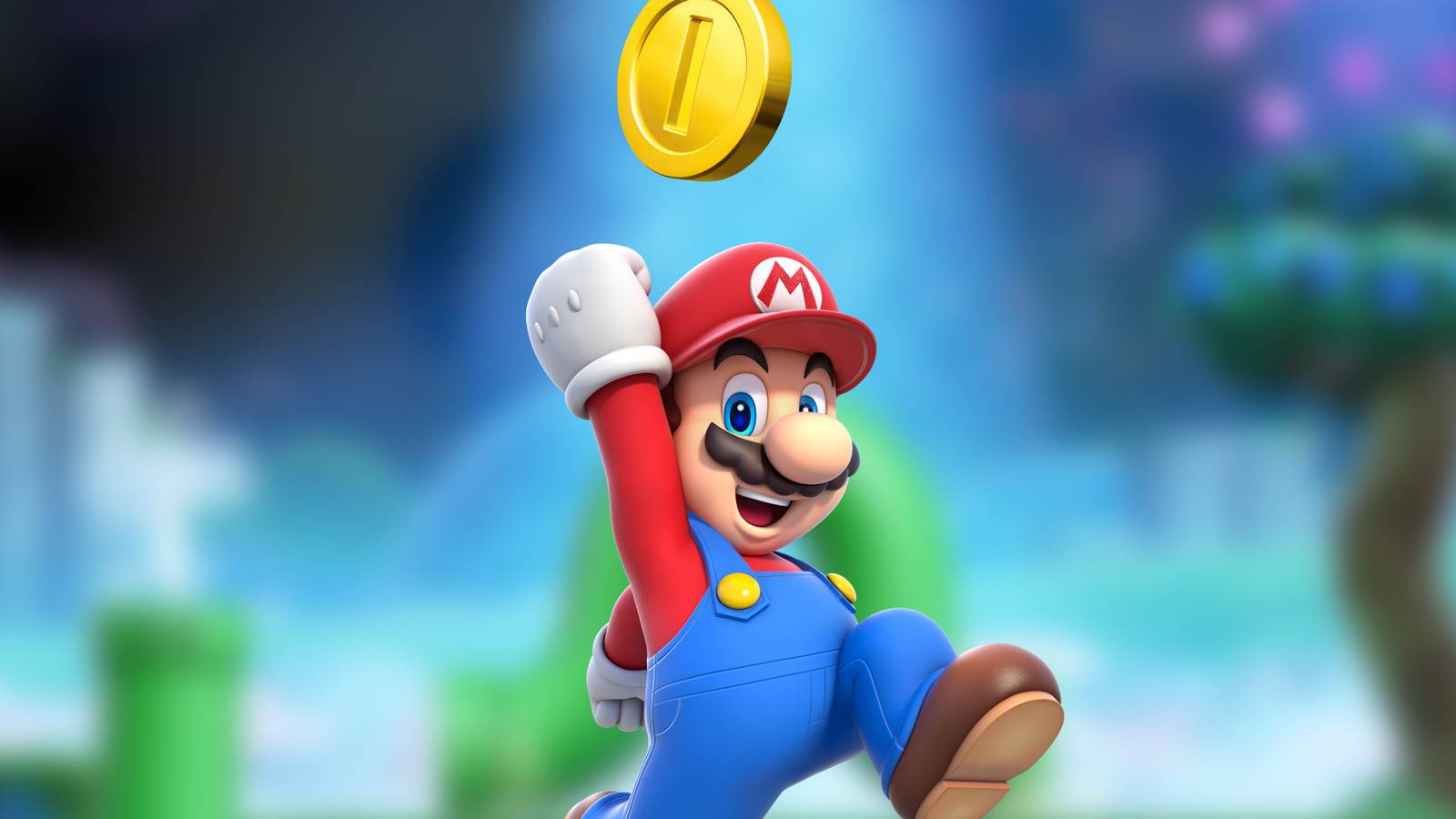
Video games have become far more than just games. They are pop culture touchstones, and Super Mario Bros. holds its place as one of the most well-known games in the entire world. Super Mario Bros. completely revived home gaming, and the world would likely look a lot different if it wasn’t for Nintendo’s beloved platforming plumber. Even non-gamers instantly recognize Mario, and that level of influence and recognition even transcends visuals. Super Mario Bros. is filled to the brim with great sound design, and the coin sound effect is still one of the most recognizable sounds in gaming.
After the gaming crash of 1983, at-home console gaming seemed like it was merely a fad that had its time in the sun. However, Nintendo changed everything two years later when the company bundled Super Mario Bros. with the NES for North American markets. The NES and Super Mario Bros. saved the industry, quickly filling living rooms across the world with Mario and Luigi. From kids to parents, Super Mario Bros. bridged generations. As Nintendo expanded the game into a full-blown franchise, the company’s hit reached even more people, and that high-pitched coin sound engrained its way into millions of people’s heads.
Super Mario Bros. Isn’t the Only Iconic Video Game Sound Effect, But It’s Definitely the Reigning Champ
The Super Mario Bros. games would make way for other related Nintendo staples like Mario Kart and Mario Party, but the influence stretched far beyond the company’s orbit. Super Mario Bros.‘ original platforming controls were the best of its kind at the time, which spawned a platforming renaissance. The sound design in particular is something that has stuck with generations’ worth of people, though.
Who’s That Character?

Identify the silhouettes before time runs out.
Gameplay is the most important aspect of a game, but the sound design adds a much deeper level that drills the experience further into a player’s psyche. The Super Mario Bros. coin sound is so effective because it’s so simple. Because of the NES hardware limits, composer Koji Kondo had to think of a tone that would stand out and become instantly recognizable in a short amount of time. The beauty is in the simplicity, because it’s a reminder that some of the most iconic works of art are sometimes the ones that are created from limitations.
Many have been led to believe that the 1983 gaming crash was caused by the E.T. the Extra-Terrestrial game’s huge commercial and critical failure. That isn’t exactly the case, though. E.T. the Extra-Terrestrial was simply a symptom of a much bigger issue. The 1983 gaming crash was the result of the industry being flooded with too many low-quality shovelware-like games, console oversaturation, and the rise of home computers.
Koji Kondo did something so brilliant with the Super Mario Bros. coin sound design that even people who have never played the game before know what it is when they hear that joyful little chime. Games with great sound design are commonplace now, but even other iconic game sound effects don’t have the same hold on pop culture that the Super Mario Bros. coin does. Really, the only other sound effect that compares is Pac-Man‘s “waka waka” eating effect.
Other Video Game Sound Effects That Are Iconic, Just Not as Much as Super Mario Bros.
- The Legend of Zelda – Opening a chest
- Sonic the Hedgehog – Losing and collecting rings
- Halo: Combat Evolved – Shield regeneration
- PlayStation 2 – Console start-up sound
- Electronic Arts – “EA Sports… It’s in the game.”
- Metal Gear Solid – The “!” alert
- Minecraft – Block breaking
- Street Fighter 2 – The Hadouken yell
- Pokemon – Level-up sound
- Resident Evil – “Resident Evil” start-up voiceover
- Mortal Kombat – “Finish him!” voiceover
Games like Halo: Combat Evolved and Minecraft have sound effects that are permanently branded into the brains of so many gamers who grew up in the 2000s, but some of the most iconic sound effects in the industry are still 20th century creations. Each sound’s ability to still be recognizable decades later is a testament to just how brilliant the sound designers really were.
However, many of these sound effects wouldn’t be recognized by a non-gamer. Someone’s grandma is far less likely to recognize Metal Gear Solid‘s “!” alert than the Super Mario Bros. coin jingle. The sound effects listed above might be recognized by millions of people, but most of them still remain confined to those who are, at the very least, aware of video game culture. After over 40 years of immense success, it seems practically impossible to topple Super Mario from its throne as one of the most iconic game franchises of all time.
The Super Marios Bros. Coin Jingle Is an Essential Piece of the Franchise’s Impressive History
The crazy thing is that even though the coin chime is the most iconic, it’s far from the only recognizable sound effect featured in Super Mario Bros. Between the Super Mario Bros. main theme song, the power-up jingle, the sound of Mario jumping, and even going down a pipe evoke so many different images. The game is an entire package of delicious sound effects that know how to scratch that specific itch that makes something a core memory.
Another reason why these sounds have reached so many non-gamers is simply because of how far the Super Mario Bros. franchise has spread throughout all of pop culture. Movies and television have featured these sounds, or close replicas, for as long as the Super Mario Bros. games have been around. The best Nintendo franchises have stood the test of time, and there’s no doubt that Super Mario has earned its spot as the greatest.
Other gaming franchises taking Mario’s crown isn’t impossible, but it doesn’t seem like that day is going to be coming any time soon. Even though Super Mario Bros.‘ coin chime is one small part of the game, it transcends generations, cultural barriers, and all forms of media. Mario isn’t just one of the most popular video game characters. He’s just as recognizable as Mickey Mouse. The entire gaming industry is indebted to Super Mario Bros., and it’s wild to think that the game might not have been as addicting and fun as it was if it didn’t have Koji Kondo’s beautifully simple sound design.

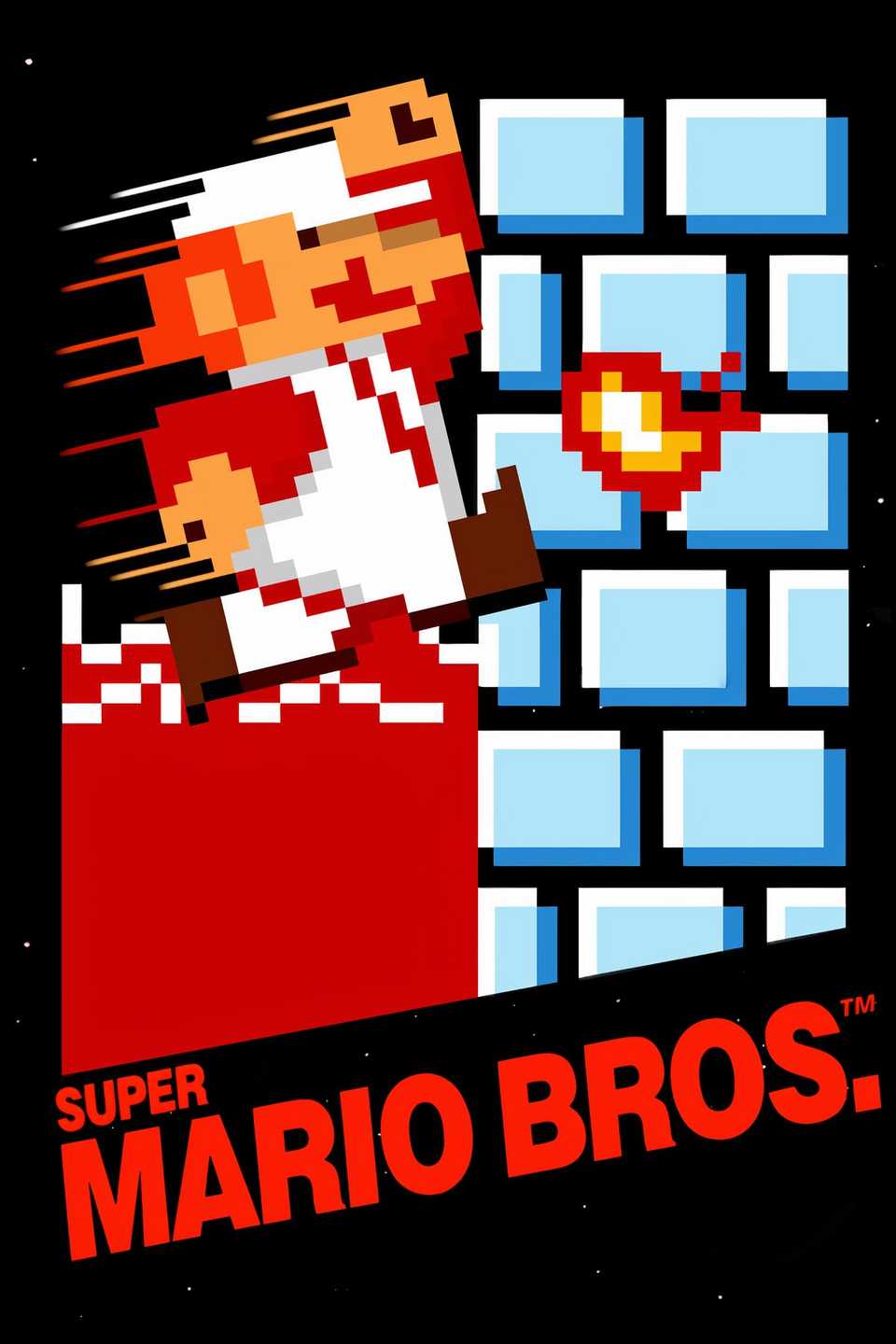


- Released
-
November 17, 1985
- ESRB
-
E For Everyone
- Developer(s)
-
Nintendo R&D4
- Publisher(s)
-
Nintendo