




Except for the occasional Gears of War, cover shooters have been dead for the last decade. Peaking during the PS3 and Xbox 360 era, the subgenre became overexposed quickly through mediocre releases like Inversion and Dark Sector, along with straight-up terrible projects like Quantum Theory. Here’s the thing: I love all those games, and I wish we were still getting millions of cover shooters per year.
Still, these releases are synonymous with a particular era of gaming, and they very much feel antiquated in many ways. Some of them have stood the test of time well enough to achieve immortality, while others exist as snapshots to a bygone era when brown dominated the world. These cover shooter games deserve every ounce of praise thrown that way, but it doesn’t mean they are especially fun to play nowadays.
Just to be clear, I consider a few of these games to be among my favorites of all time, so this isn’t me saying that they suck. We can appreciate something while still admitting that it hasn’t aged gracefully.
Gears of War Is The Best And Worst Example Of A Cover Shooter
Play Any Other Gears of War Game Instead (Except Maybe Judgment)
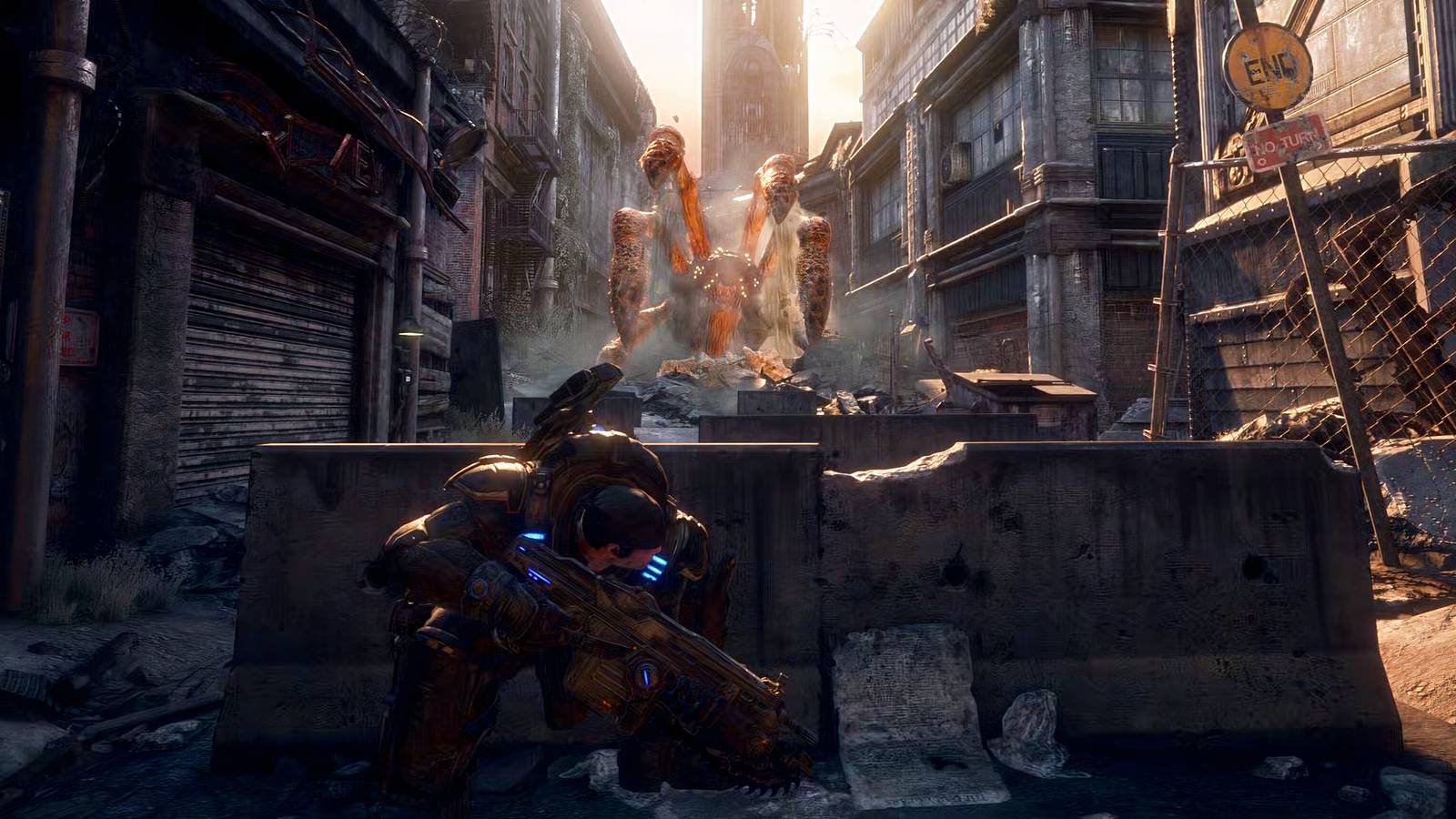
Gears of War didn’t create cover shooters, but it popularized the whole movement and wrote the blueprint that 80% of games would follow. As shown by E-Day‘s recent beta launch, the Xbox franchise continues to go strong, being essentially the only genre representative that survived the 2010s. I consider Gears of War to be one of my favorite-ever series, right up there with Devil May Cry and God of War… but the first game is rough nowadays.
As important a release as the 2006 original was, it is also the perfect example of why cover shooters grew out of fashion fairly quickly. Playing it through now, you find yourself experiencing a campaign that consists of almost nothing but grey-brown corridors, all presented with a nauseating camera and sticky wall mechanics that lack any fluidity. The campaign doesn’t have the variety of its sequels, instead opting to strike the same chord over and over again.
There’s a reason Microsoft decided to remaster and remake the first Gears of War: It needed a real makeover. Nowadays, there isn’t that much point in playing the original over any of the subsequent versions, although I will always recommend Gears of War 2 and 3.
Kill.Switch Created Modern Cover Shooters And Plays Like It
Play Vanquish Instead (But Still Play Kill.Switch)

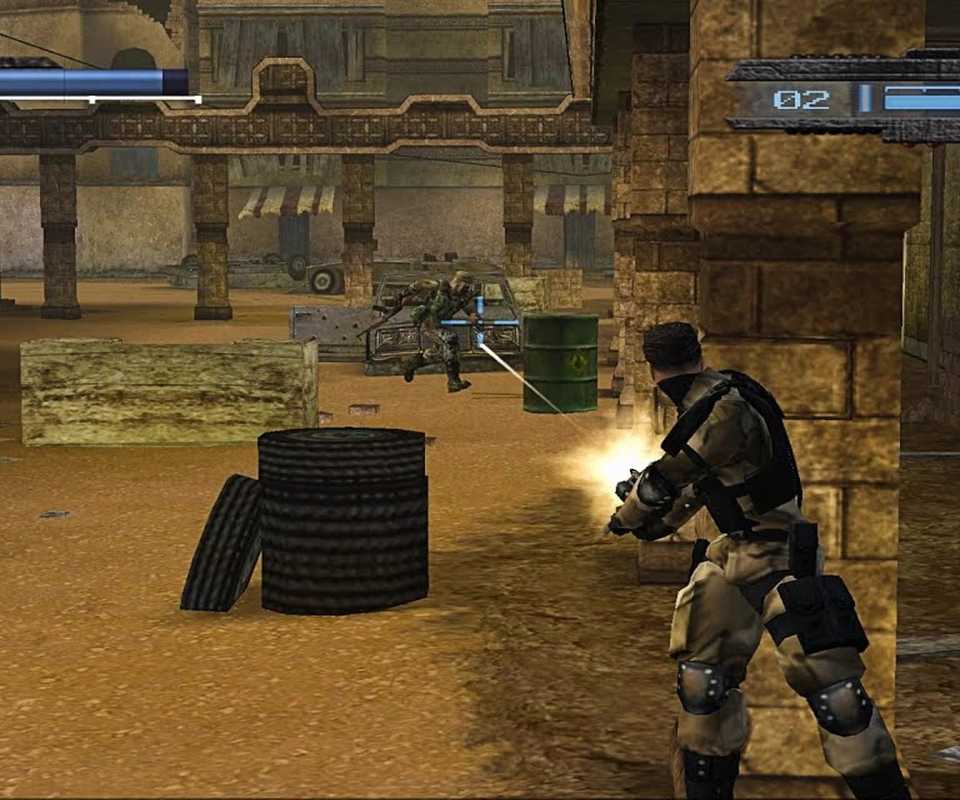
While not the first third-person shooter with cover mechanics, Kill.Switch was the first game to play like a modern cover shooter. Despite being the least known title in this article, Kill.Switch is the most influential and important, setting the stage for juggernauts like Gears of War and Uncharted. Namco blended snap-to-cover, blind fire, and vaulting mechanics, all of which became staples of the genre.
Like so many trailblazers, Kill.Switch nowadays feels more like a proof of concept than a fully realized one. You snap to cover like a piece of metal drawn onto a magnet, and movement feels rigid and rarely flows smoothly. Blind fire is a cool concept that is just too, well, blind to be useful, and it is easier to just shoot the dumb AI as they stick their head out of cover in the mostly empty arenas.
To be honest, I still think Kill.Switch deserves a playthrough, just to ensure its place in history is preserved.
Kane & Lynch: Dead Men Won’t Let Me Enjoy A Quality Story
Play Army of Two Instead
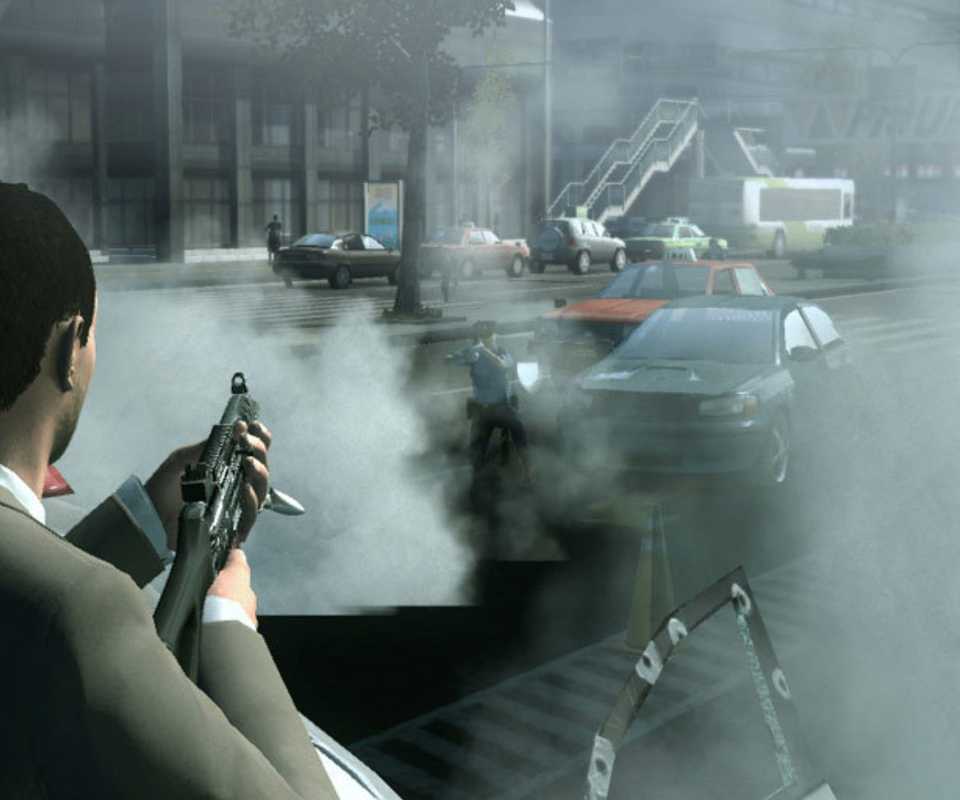
OK, yes, Kane & Lynch: Dead Men wasn’t a critical darling, nor has it become a retroactive masterpiece. However, the first game has a cult following, largely stemming from its Michael Mann-style narrative that really earns its M rating. To its credit, the story still manages to deliver its share of thrills and memorable moments, along with being a solid and, at times, inventive co-op experience.
Unlike the much more maligned sequel, which plays like a standard cover shooter, Dead Man‘s gameplay is just broken. It’s not even a case that the mechanics have aged poorly… no, they were never good to begin with, despite the game launching into a post-Gears of War world. The guns feel terrible, the cover system is inconsistent, and the AI is stupid-as-heck, which is at least somewhat negated by having a friend along for the ride.
Dog Days is the inverse of Dead Men: the gameplay is fine, but the story is terrible. It also lasts for 3 hours.


Click on the game with the higher OpenCritic rating.
Uncharted: Drake’s Fortune Doesn’t Know When To Stop
Play The Uncharted Sequels Instead (Or Tomb Raider 2013, Although That Isn’t A Cover Shooter)
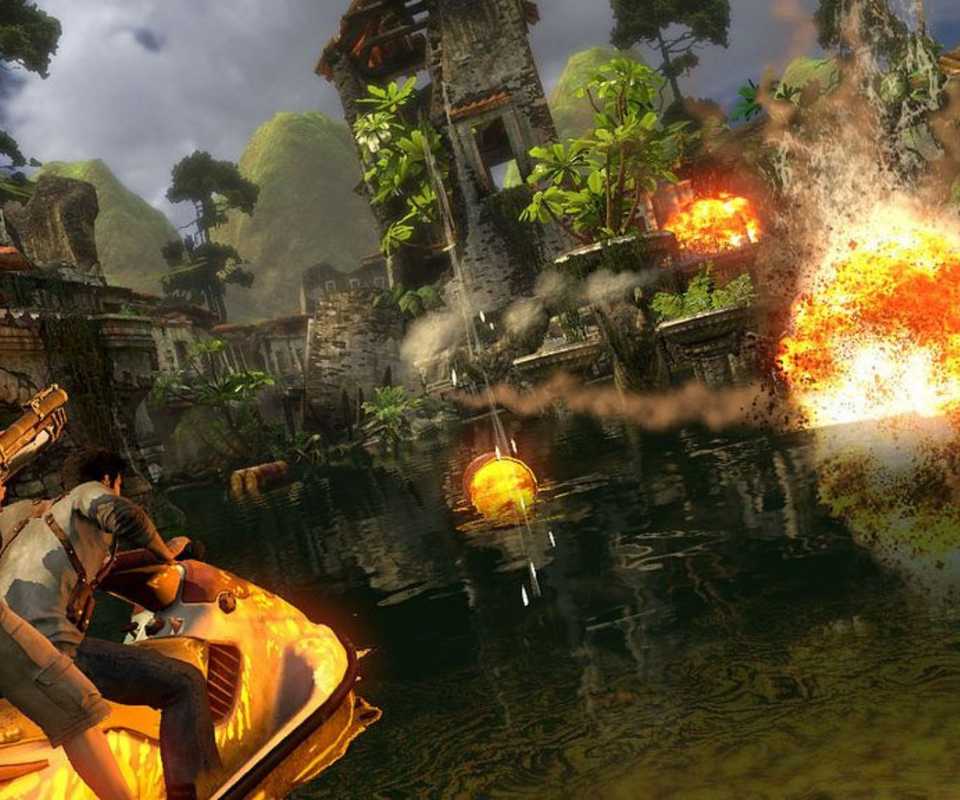
Even before the end of the PS3 era, it was well-known that Naughty Dog didn’t quite nail the Uncharted formula until the second game, with the first mostly serving as a charming but rough experiment. As the years drift on and Nathan Drake becomes a historical figure rather than a contemporary one, the memory of Uncharted: Drake’s Fortune either begins to fuse with its successors or reshapes to only focus on the lush jungles, snappy dialogue, and entertaining story.
Make no mistake about it, Uncharted hasn’t gotten better with age, and its criticisms weren’t overblown. Out of every shooter in this article, Uncharted is the most exhausting to complete, even more so than Kane & Lynch. While the set pieces, puzzles, and platforming stunts are mostly decent, the campaign predominantly consists of wave after wave of bullet-resistant enemies, locking you in a shooting gallery that refuses to end.
Too much of a good thing is forgivable, but Uncharted‘s gunplay is, at best, mediocre and, at worst, frustrating. Because it uses the same button as the dodge, the cover mechanic isn’t as reliable as it should be, and it’s further aggravated by the fact that most cover objects seem to be made of papier-mâché.
Tom Clancy’s Ghost Recon Advanced Warfighter Feels 20 Years Old
Play Advanced Warfighter 2, Vegas, Or Future Soldier Instead
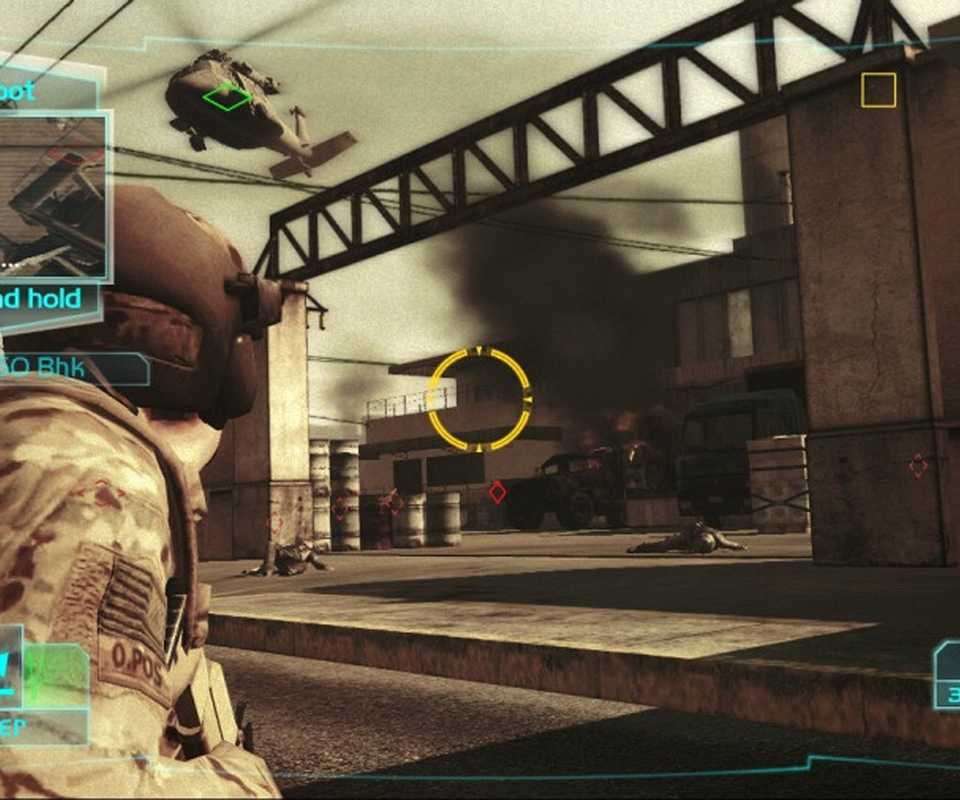
In 2006, the Xbox 360 release of Ghost Recon Advanced Warfighter was an absolute technical marvel and a reason to jump up to the next generation. Unlike on every other console, this version allows players to pick between first and third-person, and it includes a cover system similar to what would become standard over the next few years. There’s a lot to appreciate about Ubisoft’s project, especially in terms of what they accomplished at the time; however, playing it back might not quite be the experience most people remember.
Don’t get me wrong, Ghost Recon Advanced Warfighter is still playable in this day and age, but its age shines through in a few ways that really hurt new playthroughs. For one, the game moves at a painfully slow pace even for a tactical shooter, and that extends to the movement speed. Everything seems to take a bit longer than it should, making the whole thing feel sluggish.
The enemy AI can be straight-up unfair at times, while your squad partners seem to have no self-preservation at all. The HUD is also a bit too noisy by modern standards. I will say, the sequel improves on most of these elements, and I think it aged far better.