




Quality is not a guarantee of success or failure; occasionally, a team can create a near-flawless first-person shooter and still struggle to break even or convince anybody to give them a go. Be it due to stiff competition, poor marketing, or simply terrible luck, plenty of fantastic FPS games that are nowadays hailed as all-time greatest were mostly ignored during their launch windows, despite generally receiving incredible reviews.
“Nobody bought” is, naturally, an exaggeration, but that might as well be the case when a game fails to meet its projected sales by millions. You and I have probably played all of these awesome shooters at one point or another, but I personally played most of them well after they had already garnered the “flop” label.
I’m leaving out Titanfall 2, just because it’s the default answer to “Perfect FPS games nobody played/bought/etc.” Obviously, its single-player campaign is a 10/10.
For this article, I’m talking solely about when each FPS game launched.
5
Bulletstorm Went Full Throttle And Crashed Into A Wall
I Will Always And Forever Love The Skillshot System
- Parody dudebro marketing didn’t land as expected.
- Smear campaign might have hurt its chances.
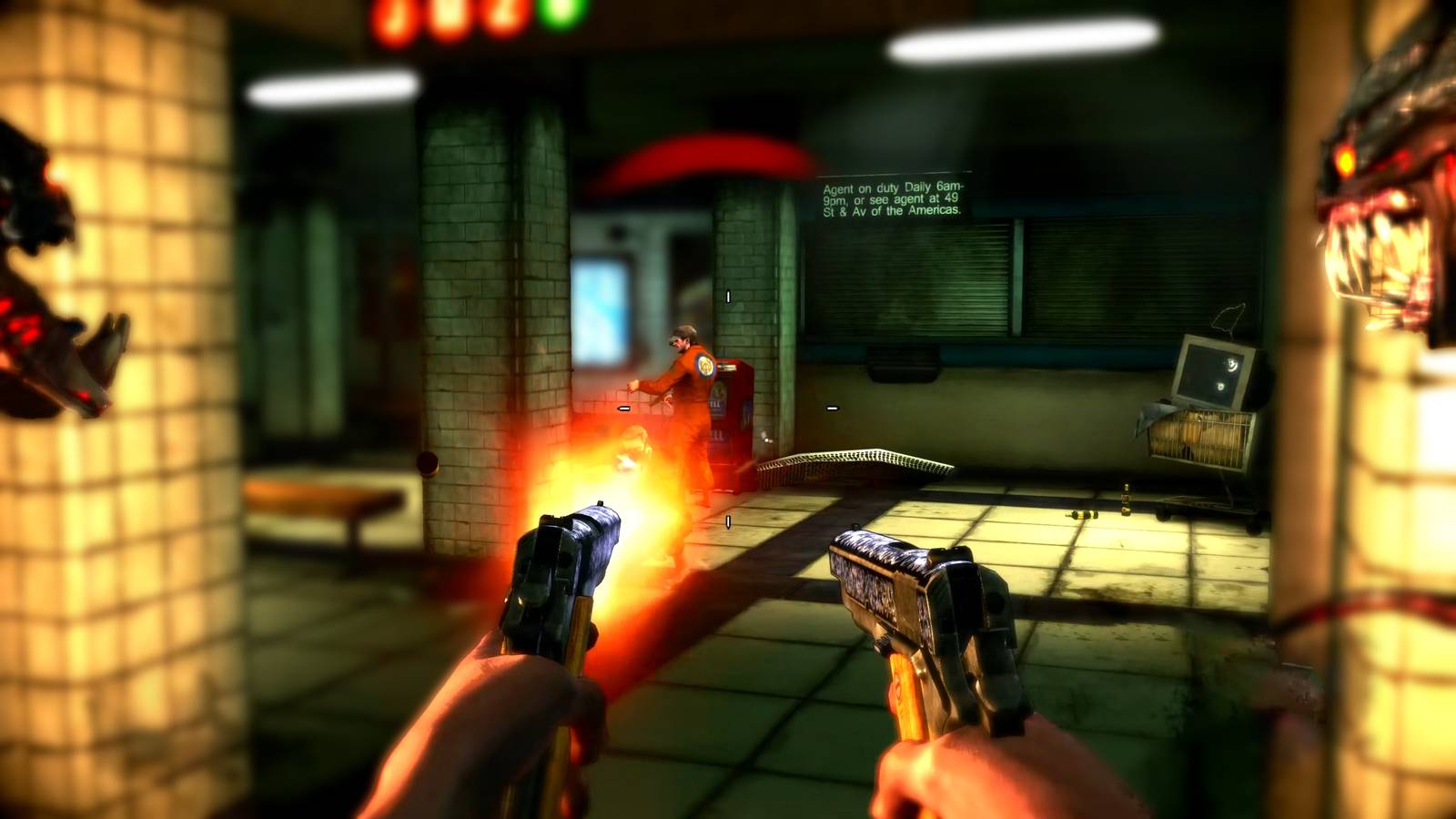
Bulletstorm might be my favorite single-player FPS game of all time; at the very least, it’s the one I replay the most, and I will continue to do so forever or until the Full Clip Edition refuses to run anymore. Although not held to as high a status as Wolfenstein: The New Order or Doom 2016, People Can Fly and Epic Games’ 2011 shooter sits comfortably among the upper echelon of “B-grade FPS games with absurdly fun gameplay.”
While a new IP is always a risk, Bulletstorm was backed by EA’s marketing machine, along with Epic Games’ pedigree and People Can Fly’s Painkiller cred. Heck, the Epic Edition even came bundled with early access to the multiplayer beta for Gears of War 3. By all accounts, the FPS game really should have been a hit, but it just wasn’t. Epic president Mike Capps told Kotaku that Bulletstorm “didn’t make money for us.”
Why did it flop? Well, a lot of marketing isn’t the same thing as effective marketing. Matching the story, the preview material leaned heavily into the satirical B-movie trash tone, filled with all the juvenile silliness that players would come to eventually love. Bulletstorm just kind of looked like a poor man’s Duke Nukem, which is saying something considering that franchise’s state in the early 2010s.
Also, Fox News published an article called Is Bulletstorm the Worst Video Game in the World? in an attempt to cite moral panic. Some things never change, although this type of coverage can sometimes boost a game’s performance rather than hinder it.
People Can Fly even released a promo game called Duty Calls: The Calm Before the Storm, which parodied Call of Duty. Cool idea, but it didn’t help.
4
The Darkness 2 Never Escaped The Shadows
Quad-Wielding Needs To Be In Every FPS Game
- With a new art style and gameplay, the sequel was a significant departure from its predecessor.
- A 5-hour campaign at $60 is just not good business.
As an overall experience, 2007’s The Darkness is the better game; however, in terms of pure gameplay, The Darkness 2 completely annihilates it. Sure, the story is a bit of a mess and ends way too quickly, but that doesn’t matter when you are quad-wielding pistols and demon tentacles like a mafia version of Spawn. With a control scheme that lets you embrace the overwhelming destruction you can cause, The Darkness 2 delivers a power fantasy like no other, despite telling what is essentially a tragedy.
According to this old TheNexusNews article, 2K ended up canceling DLC after The Darkness 2 failed to come close to reaching 1 million copies across all three platforms, which likely explains why we have never seen and will never get a third entry in the series. Looking back, 2012 and 2013 marked a deep decline for mid-tier AA shooters in general, as they would become pretty much extinct within a couple of years. Thank god for indie shooters.
3
Singularity Never Got Its Moment In Time
You Can Still Buy This FPS Game On Steam And GOG, And You Should
- Activision was already prioritizing COD over every other game.
- Lackluster marketing meant nobody knew Singularity existed.
As Raven Software’s final game before falling victim to the Call of Duty mines, Singularity was one-heck of a creative swan song, not that anybody really noticed in 2010. Honestly, I kind of understand why this game struggled, as even its title screams “mediocre early 2010s shooter,” sort of akin to something like Syndicate or The Conduit; however, Singularity far exceeds those comparisons, largely thanks to revolving around an incredible time-manipulation mechanic.
Armed with the TMD on your left arm, you can manipulate time around you, changing the environment or even enemies. While lesser projects limit these types of systems to scripted moments, Singularity integrates TMD into its dynamic combat, making for a wickedly fun time. The gunplay is also top-notch, as tends to be the case with Raven.
While I cannot find exact figures, Singularity is a pretty notorious flop that doomed the developer to a lifetime of crafting COD projects. Just a few months after Singularity, Activision also published Black Ops, and guess which game got all the marketing and attention? Yeah, it wasn’t Raven’s non-IP shooter.
2
No One Lives Forever 2 Had A Short And Disappointing Life
Purely In Terms Of Sales, As It’s A Brilliant Spy Shooter

- The FPS scene in the early 2000s was shifting towards military warfare, which wasn’t great for a goofy spy homage thriller.
- We cannot buy this game. We are forbidden.
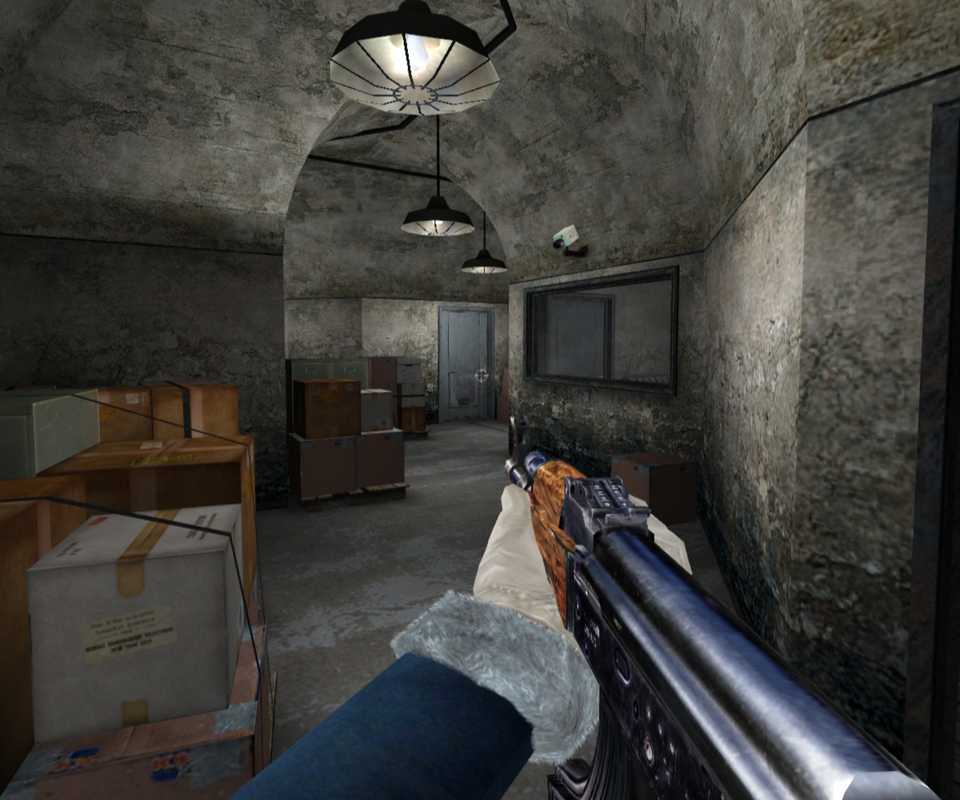
The Operative: No One Lives Forever wasn’t a massive smash by any stretch of the imagination, but Monolith’s game pulled respectable enough numbers to warrant a quick turnaround for a 2002 sequel. While not seemingly doing much worse than its predecessor’s modest figures, No One Lives Forever 2: A Spy in H.A.R.M.’s Way was a way more considerable disappointment, as it built on the reputation of one of the biggest critical darlings in the FPS genre. NOLF2 also got universal praise, so it wasn’t undermined by a decline in quality.
Except for a forgettable spin-off called Contract J.A.C.K., No One Lives Forever died with its first sequel, bringing to a premature end a franchise and protagonist that clearly had the potential to achieve much more. As a PC exclusive that has never been and will likely never be released on digital stores like Steam or GOG, NOLF2 has been impossible to buy for roughly two decades, and any attempts at a remaster have failed to materialize.
1
System Shock 2 Changed The FPS Genre Without Anybody Noticing (At First)
Still The GOAT Immersive Sim
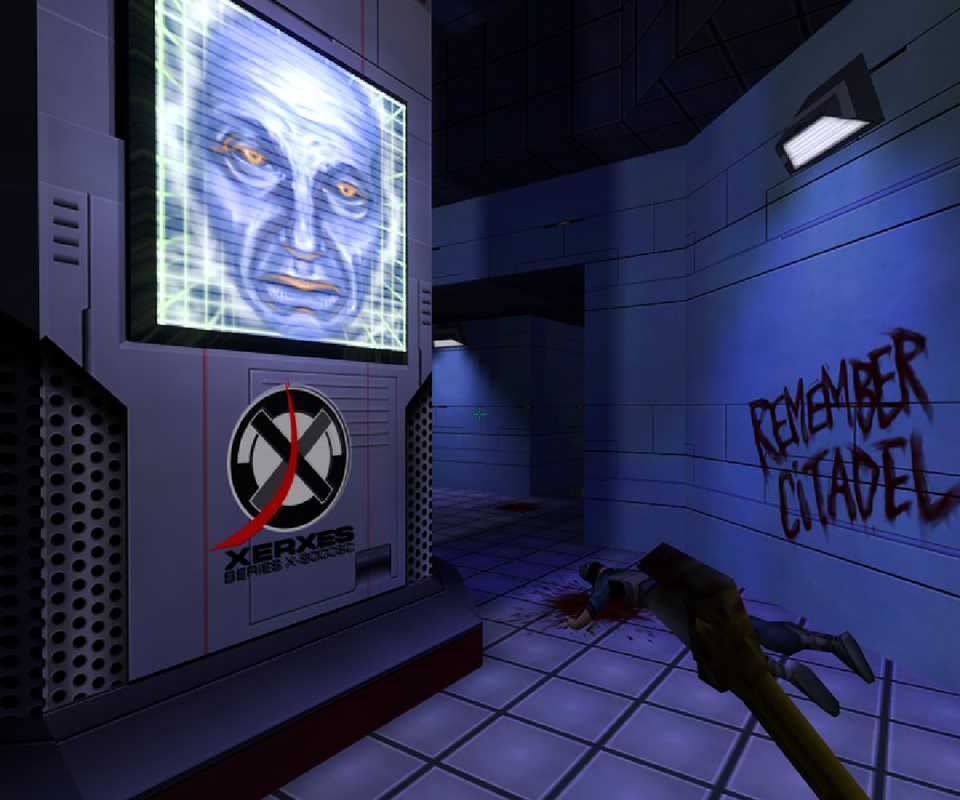
Irrational Games’ first masterpiece, System Shock 2, instantly garnered recognition as a groundbreaking immersive sim, laying the foundation for the developer’s later masterpiece, BioShock. Even nearly three decades later, this 1999 classic still gets a ton of love, with Nightdive’s 25th anniversary remaster lowering the barrier to entry for younger players. The shooting mechanics aren’t amazing by any stretch of the imagination, but the campaign otherwise holds up in nearly every way.
Looking Glass Studios, which co-developed the game, didn’t really have any room for a (commercial) failure, and System Shock 2 proved to be just that. According to this retrospective by Polygon’s Mike Mahardy, the project cost $1.7 million, way too high a budget for a niche sequel to a game that wasn’t exactly a big success. System Shock 2 never had any chance of meeting expectations, but it seemed to perform way worse than anybody could have expected. Very few people knew about the game in 1999.