






One of my favorite pastimes in any open-world RPG is making money, and I will do whatever I have to do to get more of it. I’ll hoard as much loot as I possibly can until my pockets are practically overflowing, and then I’ll crawl across the map, if a weight limit makes me, to the nearest vendor to sell it all. In open-world RPGs that allow stealth and thievery, I’ll steal as much as I possibly can without getting caught, and then I’ll sell that too. Even if all it results in is me having a ton of money and absolutely nothing to spend it on, at least I’ll have the comfort of knowing the finances are there if I ever do need them. However, I will admit that there are some open-world RPGs where being poor is half the fun, because once you have all the money in the world, there are fewer reasons to actually interact with it.
When I can control myself, I actually quite like the climb. I like having to think about whether I really need that piece of equipment right now or whether my money would be better spent somewhere else. I like when a seemingly insignificant job becomes worth doing because I actually need what it plans on paying me. More importantly, I love when being poor encourages me to engage with certain parts of an RPG that I may have completely ignored if I already had enough money to solve every problem. Not every game makes poverty enjoyable, of course, but these open-world RPGs somehow manage to make being broke part of the fun.
Being “poor” here refers to portions of these games where money is scarce enough to influence the way players approach the world. In each case, that financial pressure is part of the fun, even if it eventually disappears once they’re wealthy enough.
Outward
Outward Makes Financial Survival Part of Character Progression
- Early scarcity makes almost everything worth considering.
- Silver directly contributes to character growth.
If there is one game that wastes absolutely no time making poverty a core part of the experience, it’s Outward. After surviving the shipwreck at the beginning of the game, players return to Cierzo only to find their family’s Blood Price waiting for them. From there, they have five days to either come up with 150 silver or obtain a Tribal Favor before they risk losing their lighthouse. So, rather than opening with the usual RPG promise that some grand destiny is waiting just over the horizon, Outward essentially begins by telling players they need to figure out how they’re going to keep a roof over their head.


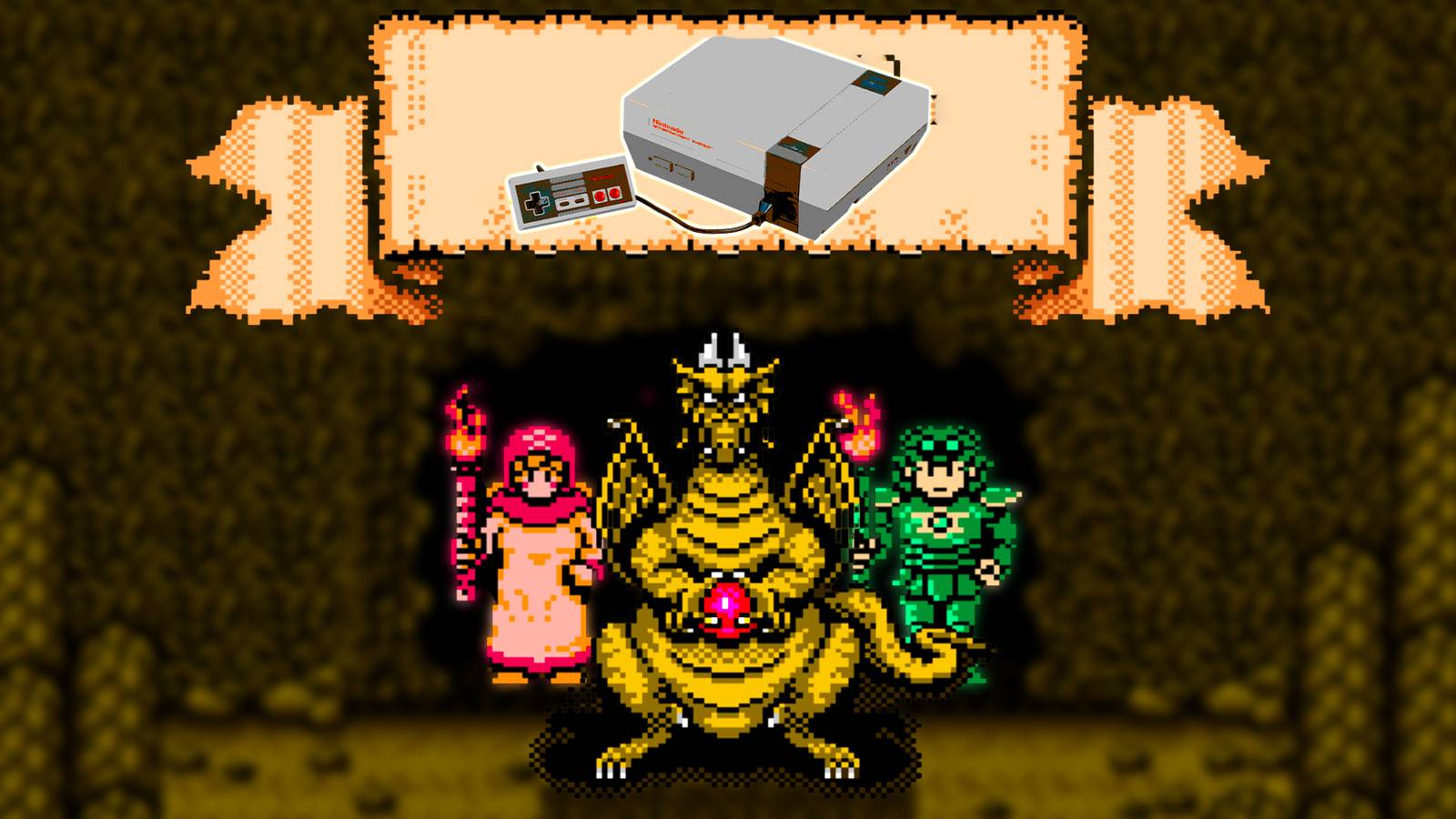
Put the consoles in the correct order.
Now, I absolutely love that setup, primarily because of how much value it gives to what would otherwise be ordinary activities in an open-world RPG. Fishing in Outward matters more than it might in another RPG because anything you manage to fish up out of the water can be sold, and the money you make from that sale is actually significant. Something that might be little more than junk to pass on in any other RPG is actually worth picking up if it helps get you closer to that shiny 150 silver. Even helping the right person can solve the problem entirely if it results in the Tribal Favor needed to clear the debt.
But it doesn’t end there, because money continues to matter even after the lighthouse is safe, as Outward doesn’t use a traditional leveling system and instead ties much of its character progression to trainers. Breakthrough skills alone cost 500 silver, meaning money is directly linked to your character’s build. In that sense, being poor is actually one of the reasons exploring the world and interacting with it feels worthwhile in the first place, rather than just being some sort of artificial barrier.
Kingdom Come: Deliverance 2
KCD2 Gives Me More Reasons to Break the Law When I’m Broke
- Being broke gives stealth more purpose.
- Successful heists feel more rewarding when Groschen matters.
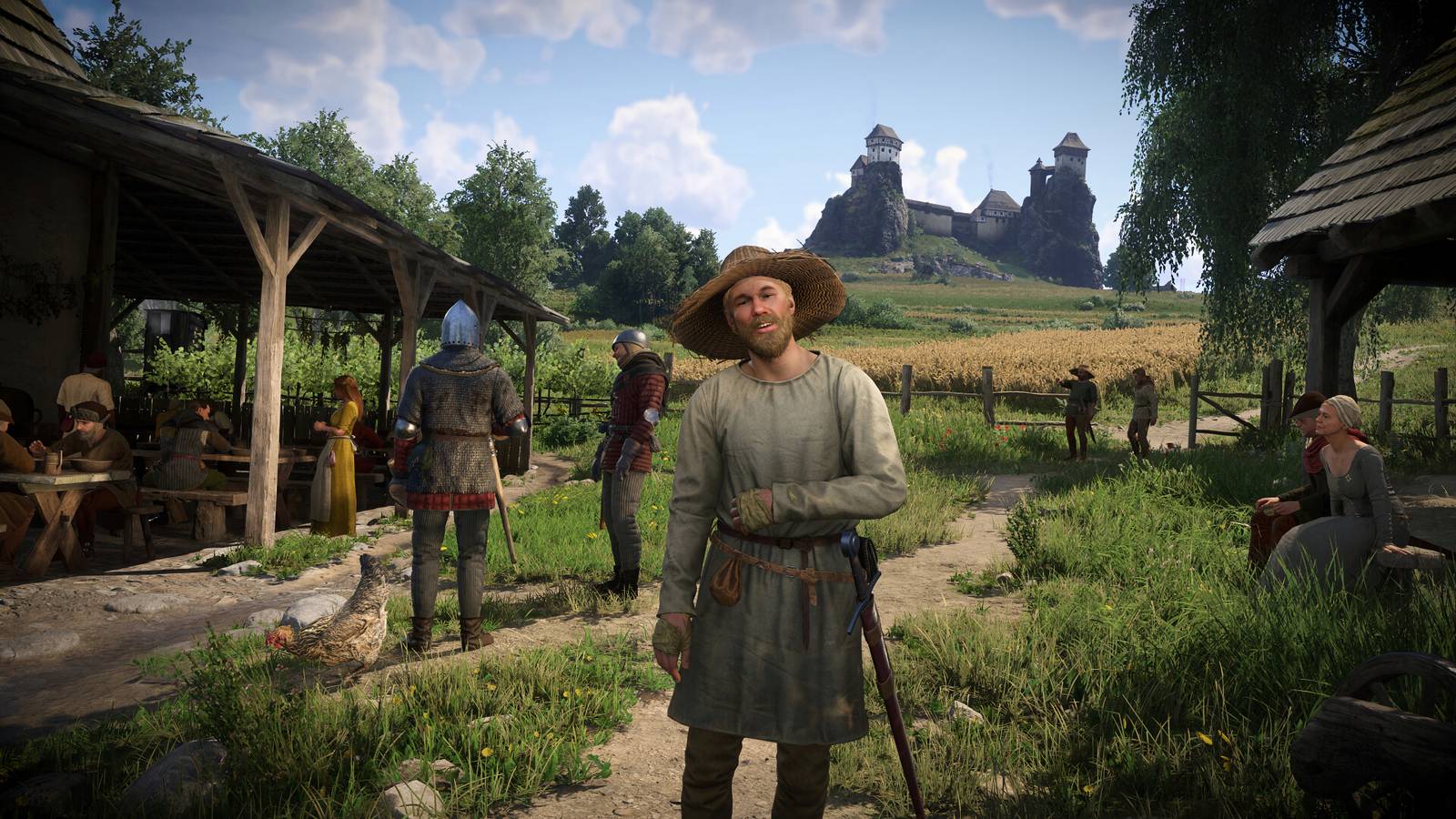
Kingdom Come: Deliverance 2 was one of the first games I thought of for this list, largely because it’s the one I have the hardest time being poor in. I know that sounds contradictory to the purposes of this list, but hear me out. I love stealing things in this game because I love Kingdom Come: Deliverance 2‘s stealth. In my opinion, it has one of the most sophisticated and authentic stealth systems in gaming, and that’s what makes pulling off a successful heist, big or small, so exhilarating. That being said, it’s that very concept that makes me appreciate being poor.
The less Groschen I have, the more reason I have to actually take advantage of and master Kingdom Come: Deliverance 2‘s satisfying stealth system, which means being poor is actually part of the fun for me. Breaking into a shop or sneaking through someone’s house to loot their most prized possessions tucked away in some locked chest is naturally much more exciting when whatever I find genuinely benefits me. And that last part is easy, because if you don’t commit to being a rotten thief in KCD2, it’s much harder to make money. Sure, the game gives players plenty of legitimate ways to make money, but personally, I prefer the less honorable ways.
Kenshi
Kenshi Turns Poverty Into the Beginning of the Story

- Starting with little makes every decision hit harder.
- The search for money can influence an entire playthrough.
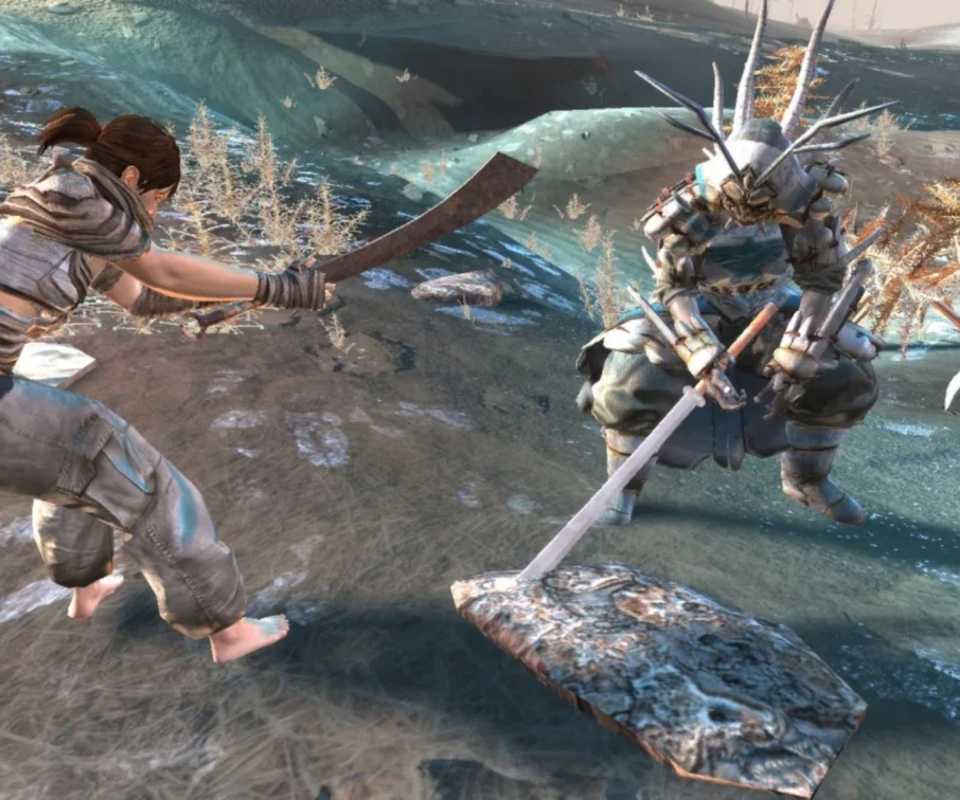
Kenshi takes the idea of starting from rock bottom considerably further than most open-world RPGs, especially with its default Wanderer scenario. That start gives you a single character with around 1,000 Cats, poor equipment, and virtually none of the power you might eventually accumulate later on. More importantly, the game doesn’t follow that up by telling you exactly how you’re supposed to improve your situation either. Kenshi is famously uninterested in making you feel special, so being broke is simply another problem thrown onto a pile that already includes being weak in a world where almost everyone appears capable of beating you into the ground.
What’s interesting about that, though, is how easily the need for money can become the thing that determines where a playthrough goes next. You might begin selling whatever you can get your hands on simply because you need enough Cats to survive, only for that short-term solution to eventually turn into an entire trading operation. Recruiting another character usually costs money as well, and that can make a massive difference when one person going down in a fight would otherwise mean there is nobody around to patch them up. Mercenaries can offer another layer of protection, but naturally, they aren’t free either. In other words, Kenshi makes being poor entertaining because it gives you a problem without prescribing the solution, and whatever you decide to do about that problem can end up influencing the entire story.
Gothic 2
Gothic 2 Gives Early Gold a Reason to Matter
- Important opportunities can require substantial money.
- Minor quests become much harder to dismiss.
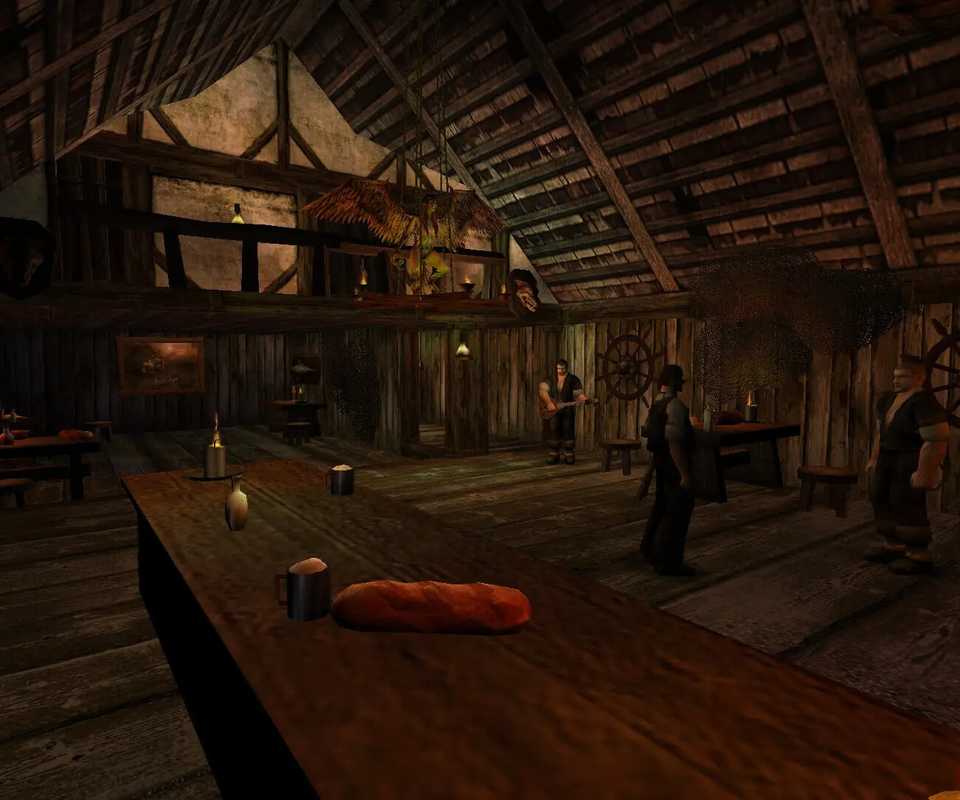
One thing I appreciate about Gothic 2 is how little Khorinis seems to care about what the Nameless Hero accomplished before he arrived there. He may have already proven himself plenty by this point, but that doesn’t mean everyone is suddenly willing to give him whatever he wants. Gold regularly stands between you and your next goal, and the game is more interesting for it because even relatively small opportunities can start looking worthwhile when there is something expensive waiting on the other side.
Joining the monastery through the normal route is probably the clearest example of that. You need 1,000 gold for the required donation, then another 100 to purchase the sheep you’re expected to bring along. That’s a substantial amount in the earlier stages of the game, and I think the important part is what that requirement does to everything leading up to it. A small quest that might otherwise feel beneath the Nameless Hero suddenly becomes worth doing if the reward gets him closer to that 1,100-gold target. Finding something valuable while exploring feels more worth it for the same reason. Eventually, Gothic 2 allows players to become considerably more capable and financially secure, but the early struggle gives Khorinis more purpose because so much of what is happening there can potentially move you one step closer to whatever they’re currently trying to afford.
Mount and Blade 2: Bannerlord
Bannerlord Makes Wealth Part of the Climb to Power
- Bigger ambitions require a bigger war chest.
- Earning money gives players a reason to use the sandbox.
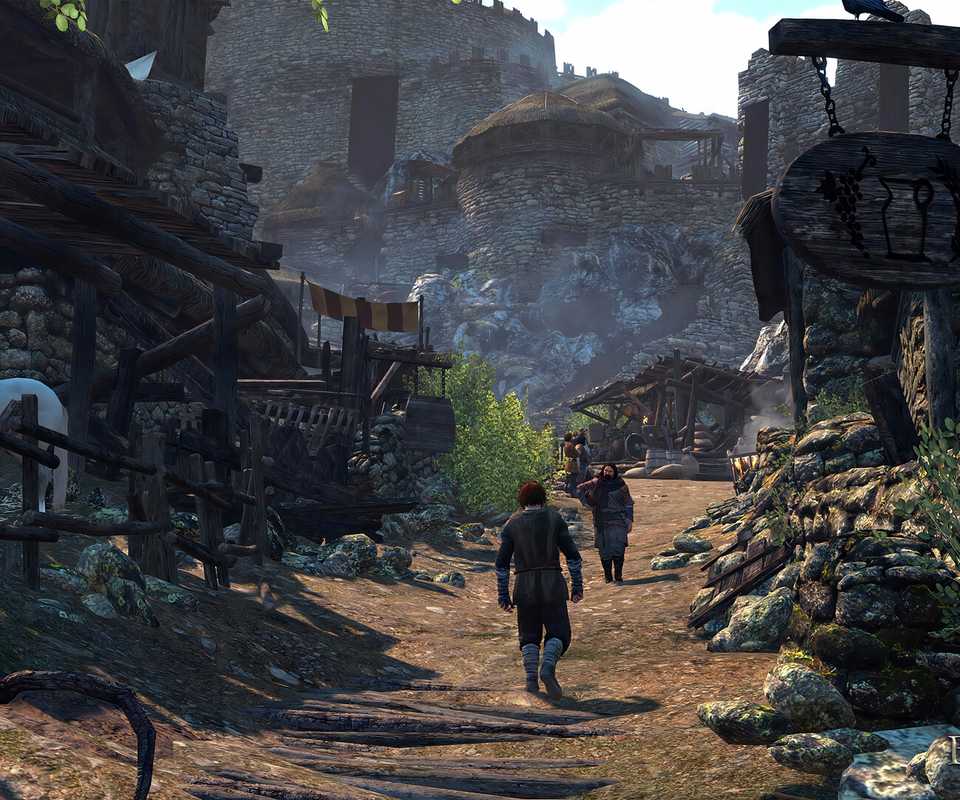
Mount and Blade 2: Bannerlord is obviously built around a much larger fantasy than simply becoming financially stable. The goal for many players is eventually going to involve commanding armies, taking territory, and becoming one of the most powerful people in Calradia. But none of that happens for free, which means the journey toward that kind of influence has to begin somewhere. Building an army costs money, and keeping that army around requires paying its wages. If those wages aren’t paid, troop morale can eventually suffer enough for soldiers to desert, so even after you’ve gathered the fighting force you want, you still need an economy capable of supporting it.
That’s where I think being poor is actually part of the fun in Bannerlord, because the game gives you so many ways to do something about it. Quests can help fill the purse while also improving relationships with people around Calradia, whereas trading can become an entire playstyle if you’re willing to pay attention to where goods are worth more than they cost somewhere else. Eventually, much larger sources of income can take over and those early financial problems become a distant memory. However, before that happens, needing money gives you a reason to actually participate in the sandbox rather than immediately jumping to the part where you’re commanding an empire. Long before the biggest battles begin, you are simply trying to figure out how you’re going to afford the next step, and that climb is a big part of what makes finally reaching the top so satisfying.