




Most open-world RPGs offer a robust character customization system for crafting your own build, often including unique classes, massive skill trees, and extra bonuses from gear – all working in tandem. Games that offer skills you can alter significantly, though, are few and far between in the genre, but can be unmatched in variety and flexibility for creating characters that play exactly how you want.
The games below offer exactly that through their virtually perfect skill customization mechanics, letting you reshape abilities in dramatic ways and change what they do on the battlefield. More often than not, this goes far beyond changing damage types or effect colors: you can change targeting and effects, choose between AoE and directional damage, or even switch an ability’s role in your combat build from offense to defense, support, or healing. Let’s take a look at some of the best open-world RPGs in that regard, ranked by the flexibility of their skill customization. Here, unlocking a new skill is just the beginning.
7
The Witcher 3: Wild Hunt – Remastered
It’s Not Much, but It’s Honest Witcher Work
The Witcher 3: Wild Hunt – Remastered might not offer the grandest skill customization in the open-world RPG genre, but it still has something for players to experiment with over the course of their journey. This is especially true for magic-focused witcher builds dedicated to Signs. All five have alternate modes that change their function considerably, and you can use both the standard and alternate casts once unlocked. This encourages you to experiment with each one to determine what works best for your playstyle or certain enemies.
Choose the game with the higher OpenCritic rating.
Sign in to claim your place on
the leaderboard!
In The Witcher 3, AoE Igni can become a sustained directional flamethrower that works best against single foes; Aard gains a surrounding blast, pushing everyone away, not just those in front of you; Yrden can evolve into a trap that fires magical bolts and intercepts projectiles; and Quen becomes a maintained protective bubble. Surely, in this area, Wild Hunt is no Diablo 4, so maybe the upcoming Witcher 4 will expand skill customization for Ciri, offering even greater build variety with abilities new to the series.
6
Outward: Definitive Edition
Sigils Make a Difference
-

-

-


Outward approaches numerous gameplay mechanics in its own way, offering massive variety for character building, and its magic system is especially interesting. You gain access to basic spells that change their potential through combinations granted by the Sigil system, choosing between Fire, Ice, Wind, or Blood. It’s a slightly different interpretation of customization, with skills producing different effects depending on your setup, preparation, or interactions between abilities rather than an extensive modifier menu for each active skill.
Nevertheless, not only are Sigils a really original idea, but their effects on the same spell can be completely different. Spark becomes a ranged fireball inside a Fire Sigil or a lightning explosion inside a Wind Sigil. Conjure can produce a lethal Blood Turret with a Blood Sigil, and Mana Push can become a frost projectile inside an Ice Sigil. What’s more, overlapping Sigils can even produce multiple effects from the same cast in Outward, at times resulting in truly impressive combinations.
Given how hard it can be to learn everything you want in Outward, this is less about experimentation and more about dedication.
5
Mass Effect: Andromeda
But Can Ryder Beat Shepard?
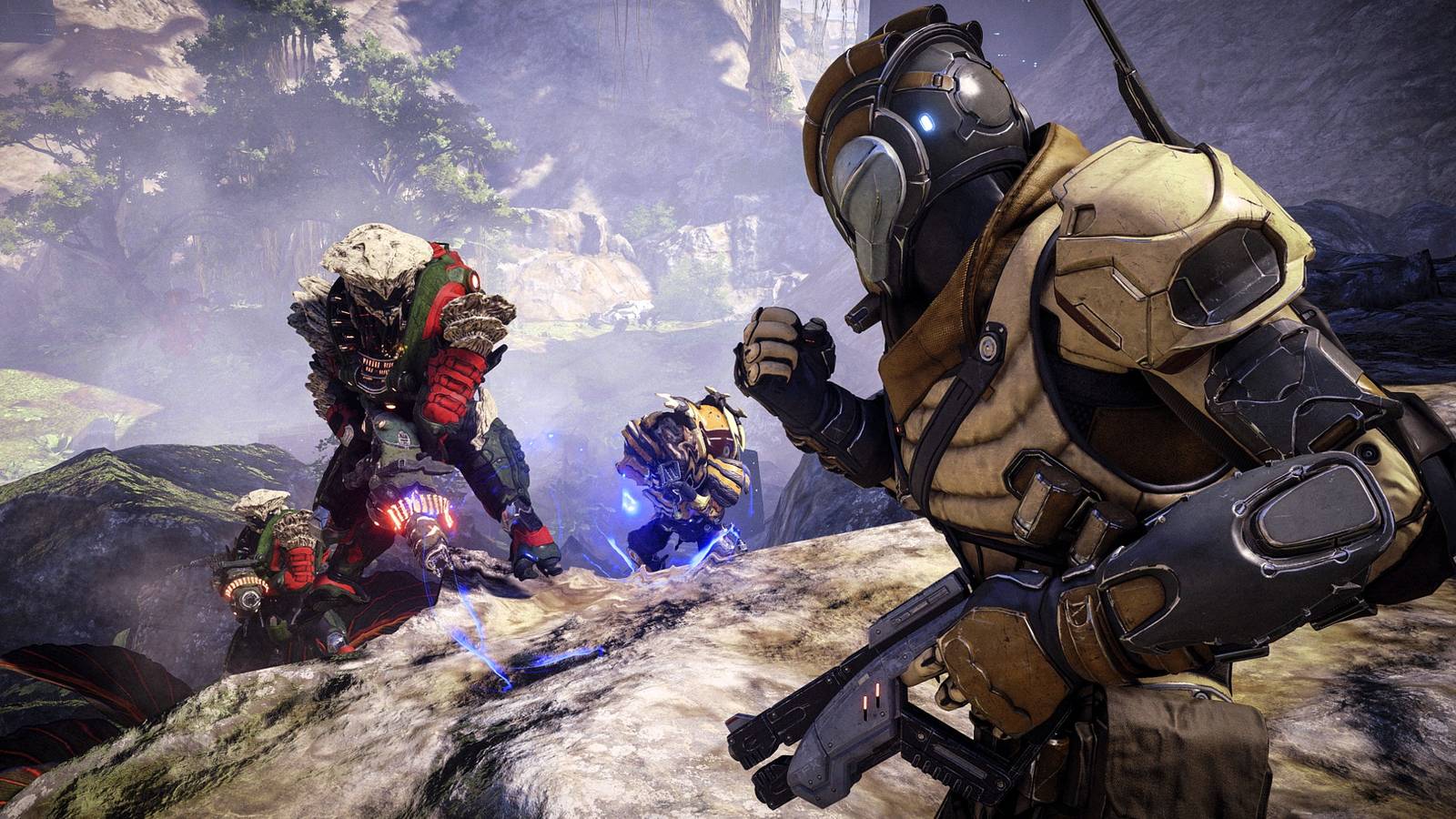
Ever since Mass Effect 2, BioWare has offered varied skill customization, with abilities evolving into two separate branches with different strengths. The trend continued in Mass Effect 3, with dozens of unique playable classes and races with special abilities in multiplayer, and evolved even further in Mass Effect: Andromeda. Not only does the game completely abandon its predecessors’ strict class system, letting you freely combine combat, biotic, and tech abilities for your Ryder, but it also retains branching power evolutions for individual abilities.
Almost everything, from Throw and Overload to Flak Cannon, can meaningfully change in functionality, range, and combo potential – the series’ signature way of dealing massive damage through detonating primed enemies. For instance, the reliable Lance can lose its cooldown and consume your shields instead, letting you build around replenishing shields to keep attacking. Your Assault Turret can gain chilling ammunition or a close-range flamethrower that primes enemies for combos.
Not to mention your allies’ customizable skills as well. With its combination of a classless system, customization for individual skills, and their devastating interactions, ME Andromeda is easily leagues ahead of the original trilogy in how fluid and satisfying its combat is. Too bad it’s where the series seemingly stops.
4
V Rising
Hunt for Blood and Jewels
Okay, I can almost see the pattern here: magic rules, too bad I rarely play as a mage. V Rising is another open-world RPG with most of its skill customization concentrated in the spells department, fueled by Spell Jewels. You can mix spells from six distinct magic schools, which already makes for a pretty flexible loadout, and outside of Ultimate spells, each can be modified by Jewels of different tiers. Jewels add effects such as explosions, healing, status effects, and forking projectiles, changing spells’ functionality and behavior.
V Rising’s system might not reach the heights of freeform spellcrafting in Two Worlds 2, but it’s impressive nevertheless. Depending on the spell and Jewel, abilities can gain multiple spiraling projectiles, manual detonation, ricochets, or healing effects. Given the randomized nature of Jewels, whether looted or crafted, you’ll spend much of the game experimenting and hunting for your ideal modifiers.
Later on, however, the Fusion Forge lets you combine Jewels for the same spell and transfer desirable modifiers, giving you more control over the finished result and further refining your preferred playstyle.
3
Borderlands 4
Loot and Character Builds Evolved
Magic is good, but what about some more conventional skill customization for your character class? Borderlands 4 has you covered, offering the most robust and flexible class and skill system in the series to date. While usually defined by its expansive weapon arsenal, Borderlands 4’s character building isn’t to be underestimated: each Vault Hunter plays and evolves very differently, with three signature Action Skills to choose from and branching progression, augments, and capstones providing room to specialize.
Augments and capstones can substantially alter how your character’s signature abilities operate. Just to give you a taste of what’s possible in Borderlands 4, Rafa’s Peacebreaker Cannons start as shoulder-mounted guns. The Insta-Fort Battle System augment lets him deploy them as a stationary turret, while different capstones can turn their fire into shotgun blasts or elemental beams. This isn’t merely a change to damage numbers or type: it impacts the whole playstyle, positioning, and combat flow.
Essentially, it boils down to deciding how you want your signature ability to behave, then supplementing your vision with other bonuses and equipment to reach its fullest potential.
2
Two Worlds 2
Spellcrafting at Its Best
Another open-world RPG with skill customization mostly concentrated in its magic system, Two Worlds 2 stands out for its spellcrafting, letting you create wildly different versions of spells through cards. When working on a custom spell, you can control elements, delivery methods, and various modifiers and properties like homing or ricochets. Of course, to fully tap into this system’s potential, you need some serious leveling first, increasing skills like Wisdom and Sorcery Artisan while working within each card’s allowed limits.
What does this mean in practice? In Two Worlds 2, you don’t really have to choose between different spell branches like in most open-world RPGs. Instead, it’s possible to combine multiple effects in a single cast, think splitting, bouncing, and homing projectiles that summon various creatures on impact – and that’s just one example.
Despite its age, Two Worlds 2 remains a standout example of how far skill customization can really go in a game, but it’s a shame its particular strength belongs mainly to magic, leaving other builds with much less variety for experimentation.
1
Diablo 4
No Two Characters Alike
-
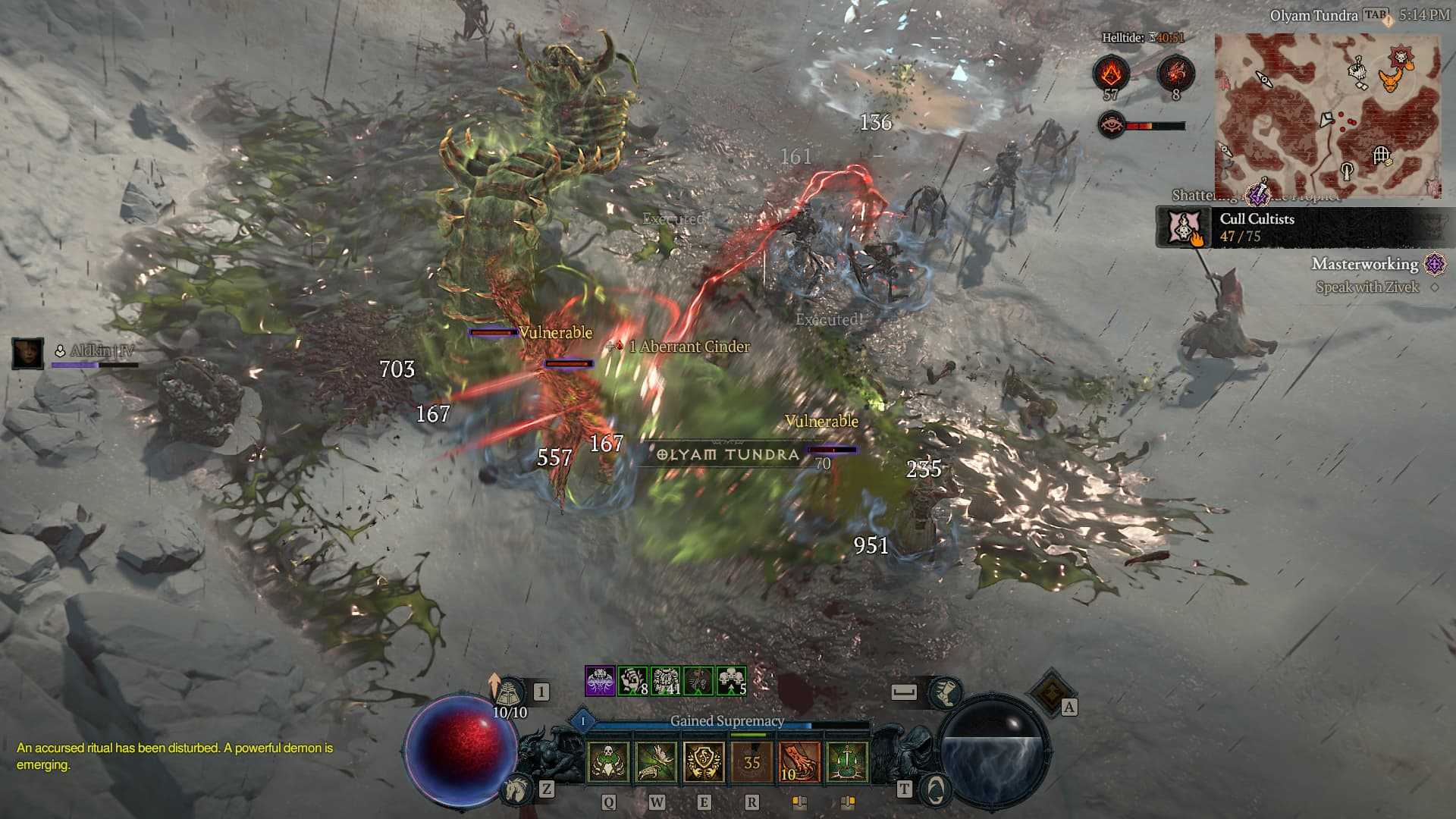
Diablo 4 Spiritborn Centipede build combat -
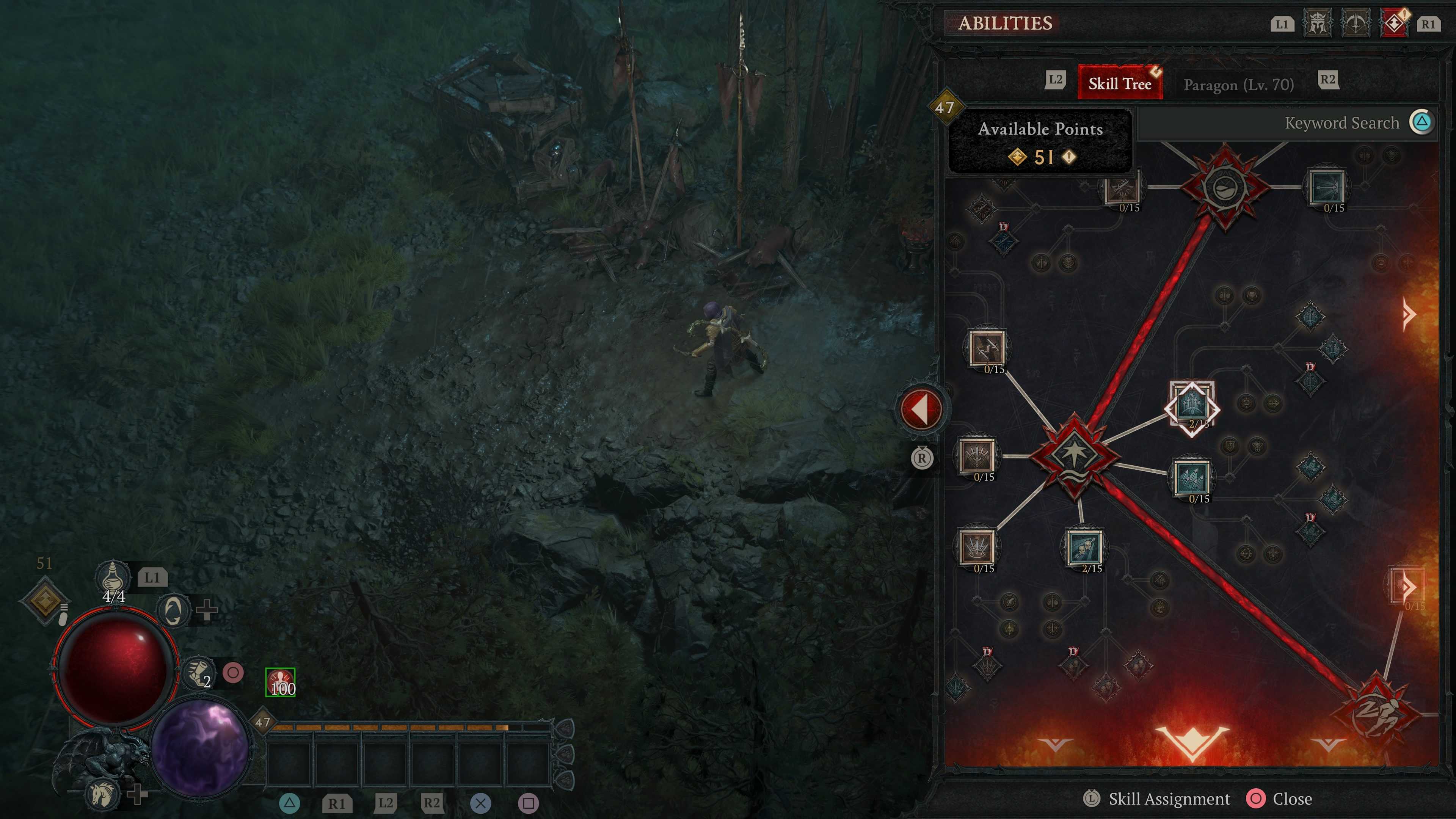
-
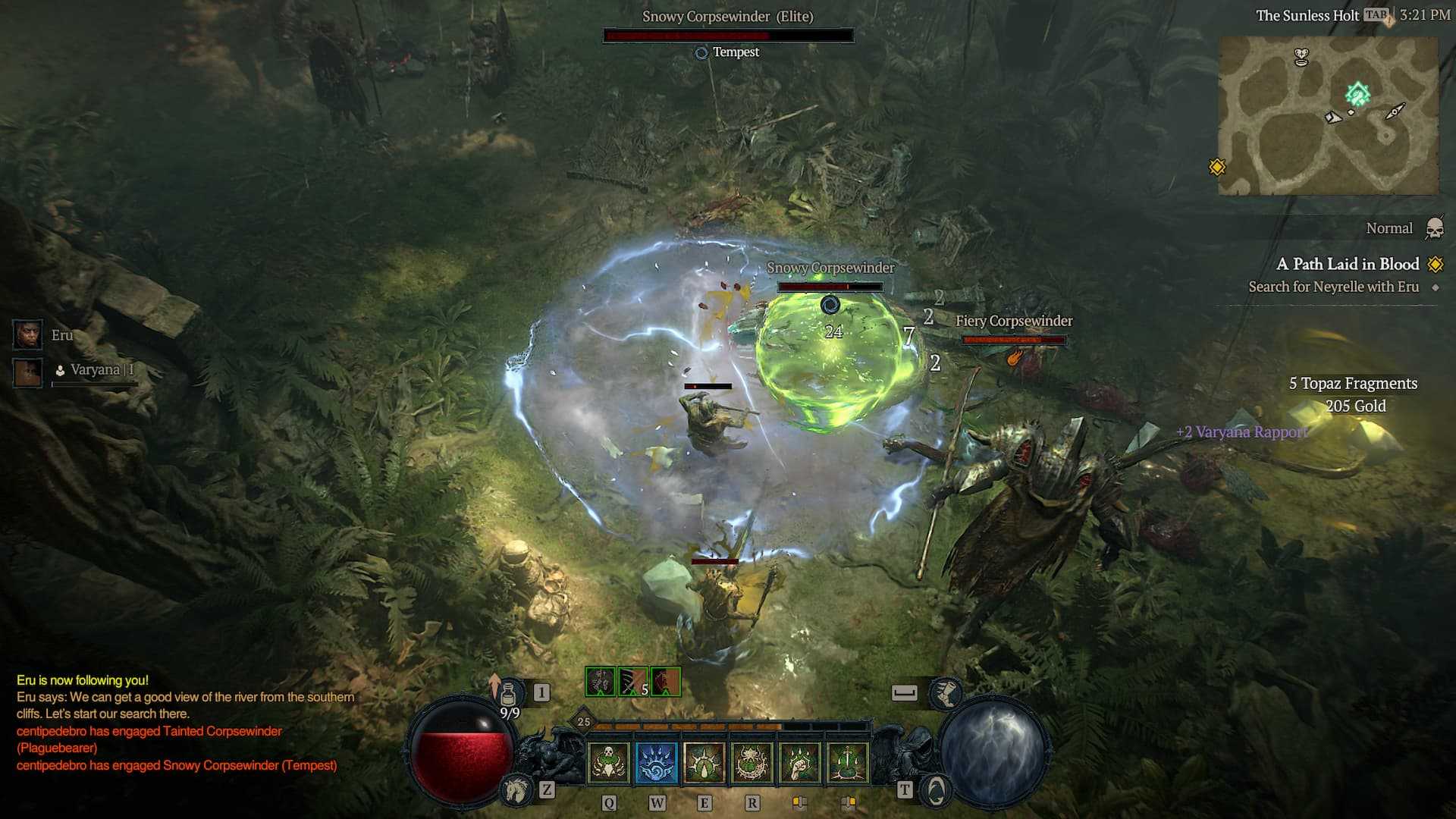
Diablo 4 Vessel of Hatred Spiritborn combat

Diablo 4 has come a long way since launch, as the team has been busy massively reworking and overhauling its classes, skills, gear, and almost its entire progression system. Following the 2026 overhaul, the game is arguably in its best shape, combining depth and accessibility, although it’s impossible to satisfy everyone. What matters most is that Diablo 4 has always featured skill customization you rarely see in the open-world RPG genre, with drastically different options available for literally every ability – and it’s stronger than ever in this aspect today.
As you gain access to multiple layers of skill progression, you can transform what your class’s skills do through upgrades, shape their synergies and interactions, and strengthen several abilities at once. For instance, a Barbarian’s Rend can move beyond a close-range bleeding attack, with upgrades that let it deal fire damage, send out traveling waves, extend its reach dramatically, or heal you in the process. Legendary gear can also massively impact abilities in Diablo 4, further boosting or tweaking their potential, so there’s a truly massive playground for experimentation.