







It goes without saying that live-service games have an interesting relationship with their most dedicated players. On one hand, developers obviously want people to spend as much time as possible playing their game, but at the same time, players shouldn’t progress too quickly, especially when the studio struggles to introduce new content fast enough to keep them entertained. Sure, rewarding people for their dedication is definitely the way to go, but sometimes it actually works against the game itself. For example, ARC Raiders recently ran into this issue with its Raider Deck reward system.
In simple terms, players had accumulated so much in-game currency that they could just afford to unlock all the newly introduced rewards immediately, which was most probably not what the developers had in mind. Of course, Embark Studios addressed this issue by introducing Reward Passes, which basically require players to complete ARC Raiders challenges to earn the rewards instead of relying on their savings. This raises an interesting question about whether slowing down progression is really the best way to keep players engaged.
ARC Raiders’ Original Reward System Was Too Easy to Exploit

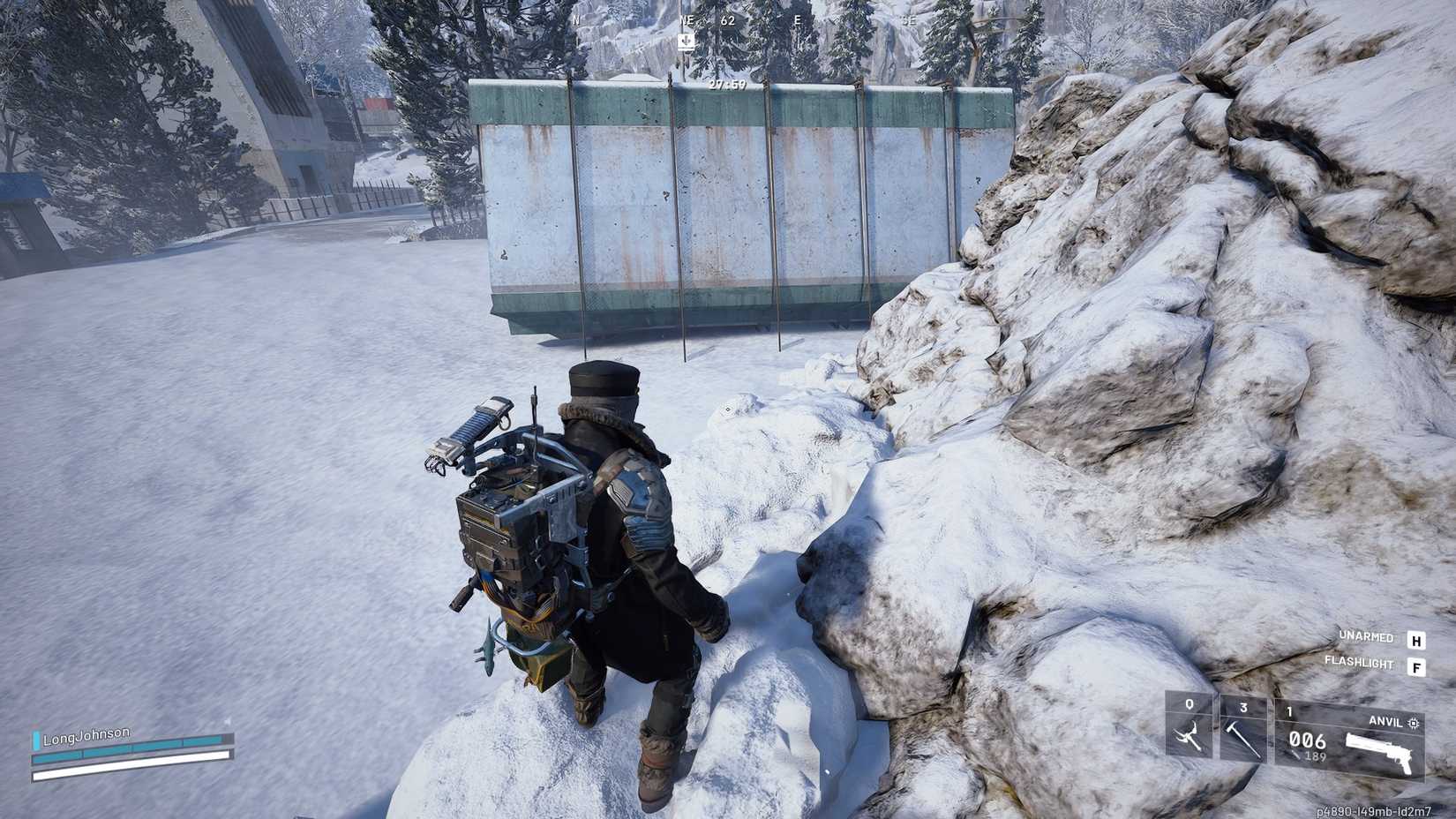
The biggest problem that the original Raider Deck system faced was that players could earn Cred faster than the studio introduced new rewards. Although it’s true that some players probably prefer to just unlock everything without having to spend more time grinding because it’s convenient, at the same time, they could skip much of the intended progression, which defeats the entire purpose of playing in the first place. This highlights a bigger issue with reward systems that allow players to accumulate currency without facing any actual limitations. To be fair, at some point, it is like having access to unlimited rewards.


Guess the games from the emojis.
The good thing about the original system in ARC Raiders was that it allowed dedicated players to plan ahead and prepare effectively for new releases. Which, when you think about it, is pretty cool because it rewards dedication, but many would argue that by doing this, the developers make it difficult to maintain a satisfying progression system when players can bypass most of it. Now, ARC Raiders requires players to earn Reward Points by completing Feats, and players cannot spend previously accumulated Cred.
The Feats come in three difficulty levels, and each one rewards a different number of points; we have Easy, Medium, and Hard, which reward 15, 25, and 50 points, respectively. In other words, players actually have to actively participate in the new progression system, and this makes sense from the studio’s perspective because they want people to actually work towards the given objectives after an update. Of course, it’s important to mention that encouraging people to play is one thing, and making them feel like they have a list of chores to complete is something completely different. Whether the system succeeds long-term will depend on how entertaining the challenges are.
Reward Passes Offer a Compromise Without Removing Player Freedom
-

-

-


If there is one thing that players appreciate about Embark’s approach, it’s that the developers didn’t get rid of the old rewards when they introduced a new system. What they did was move previously available Raider Deck rewards into the free Legacy Pass, which basically means that players got to keep everything they had already unlocked. Moreover, those who missed certain rewards still have a chance to earn them, which is a pretty reasonable compromise, especially considering how often limited-time rewards make players feel pressured and burnt out from trying to keep up.
Players can earn an additional 250 Reward Points by completing each of the three weekly milestones, on top of the points awarded for individual Feats.
Additionally, ARC Raiders allows players to switch between the Legacy Pass and the Frozen Trail Pass, which means that people get to decide which rewards they want to work toward instead of being forced to abandon all older content whenever a new update arrives. Yes, it’s true that some changes were introduced when it comes to how quickly people can progress, but at least they have the freedom to choose what to unlock. Maybe more live-service games can benefit from this approach, especially those that rely a lot on fear of missing out.
Battle Passes Need to Work for Both Casual and Dedicated Players

Ultimately, one of the biggest challenges when it comes to battle passes is trying to find a balance between satisfying players who can spend several hours gaming every day and appealing to those who can barely spend five hours a week playing the game. It makes sense that dedicated players would prefer to have their time and effort rewarded, but it’s also true that casual players shouldn’t feel like they’re constantly falling behind. It’s also worth mentioning that ARC Raiders offers both free and premium reward tracks, which is another thing that gives players more freedom.
Of course, it is still too early to tell whether Reward Passes will completely solve the issue at hand, but it raises the question of what battle passes should actually strive for in live-service games. After all, a successful progression system isn’t always about how much time people spend unlocking rewards, but about whether people enjoy themselves enough to return to the game.


- Released
-
October 30, 2025
- ESRB
-
Teen / Violence, Blood, In-Game Purchases, Users Interact