







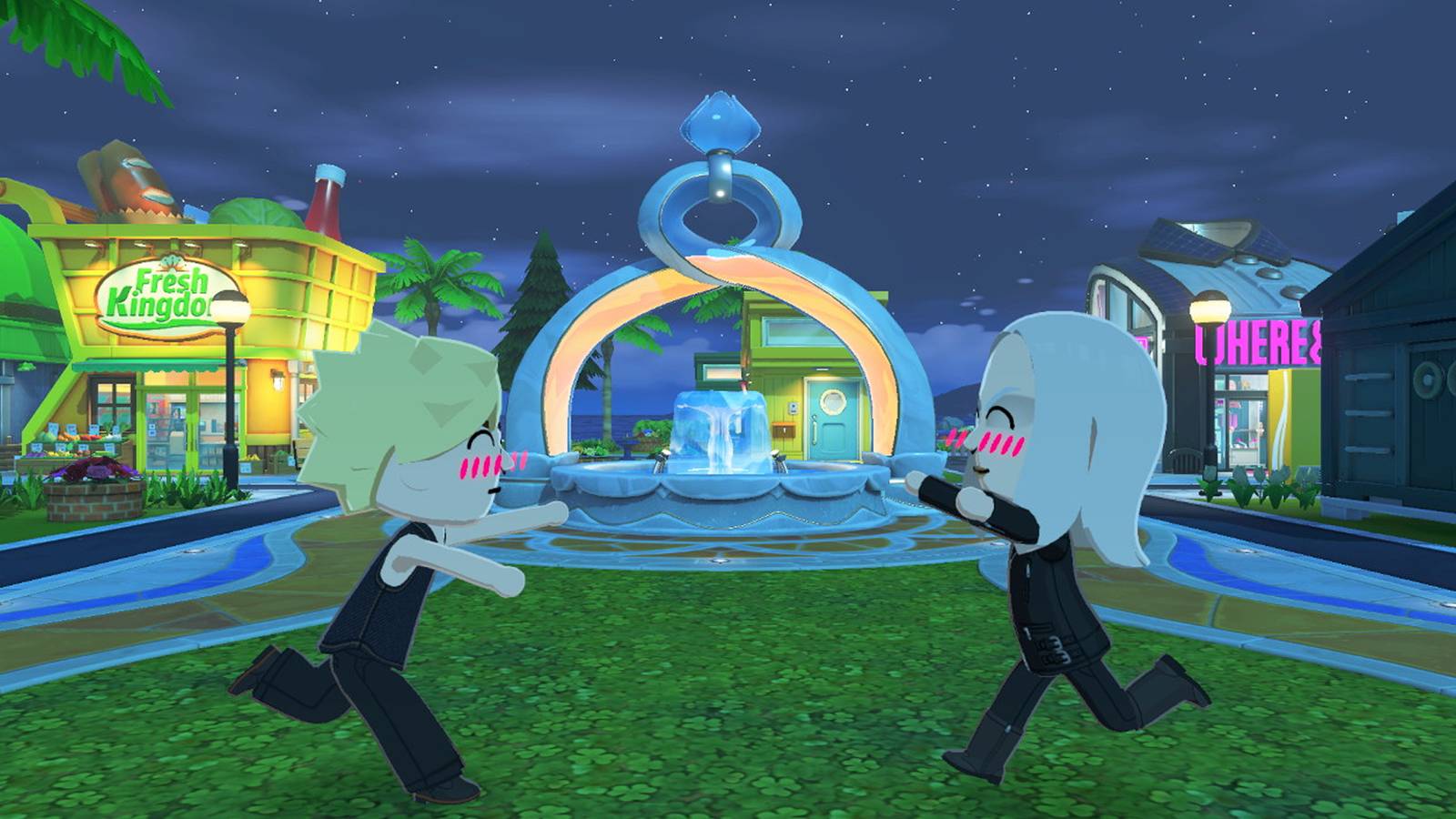
Tomodachi Life: Living the Dream has been out for about a week now, so fans have had a little bit of time to really dig into Nintendo’s newest life sim. With a Top Critic Average of 80 on OpenCritic, the game has been very well-received for its sense of humor and customization options. The number of new events that can happen between Miis as they run around town and develop their own relationships, combined with all the drama that entails, make Tomodachi Life: Living the Dream downright addictive to play. However, despite all the drama Miis can spark through their interactions, some fans feel like Miis seem too “nice” to each other sometimes.
Given the prevalence of this claim, it’s worth analyzing if it is actually accurate. Mii relationships are easy to build and maintain, meaning that most of the time the main drama will come from unrequited crushes. But the game’s only been out for a week, so some people haven’t seen just how savage Miis can be — both to each other and to the player. Whether it’s jealousy-induced arguments, shutting down potential new friendships, or disobeying the player’s advice, these little avatars are much sassier than people give them credit for.
Can You Change a Mii’s Personality in Tomodachi Life Living the Dream?
Wondering if you can change a Mii’s personality in Tomodachi Life: Living the Dream? Here’s how personality works and what you can actually control.
Miis Don’t Care Much for Social Norms in Tomodachi Life: Living the Dream
Given how much Miis need to ask you for help on things (the darn things are always asking you to feed them even though they show they can cook for themselves if they move into a shared house), it’s fair to assume that they’re pretty naive about the world. Through the “Island Lingo” system, they’ll also use your suggestions as talking points in everyday conversation — and infamously, Miis will say anything because Living the Dream doesn’t have any content censors.
All this is to say that when Miis do take the initiative and decide for themselves, they might not make the most polite decisions. It’s common for two best friends or lovers to walk away from each other annoyed because of something the other said, or for a complete stranger to walk up to a conversation and flash a light in another Mii’s eyes. All bets are off for politeness when one Mii interrupts another Mii’s love confession to their shared crush. Somehow, crashing through the ceiling of a currently-moving Ferris-wheel carriage 200 feet off the ground just to tell someone they should date you instead of the poor Mii pouring their heart out is an advanced-level insult.

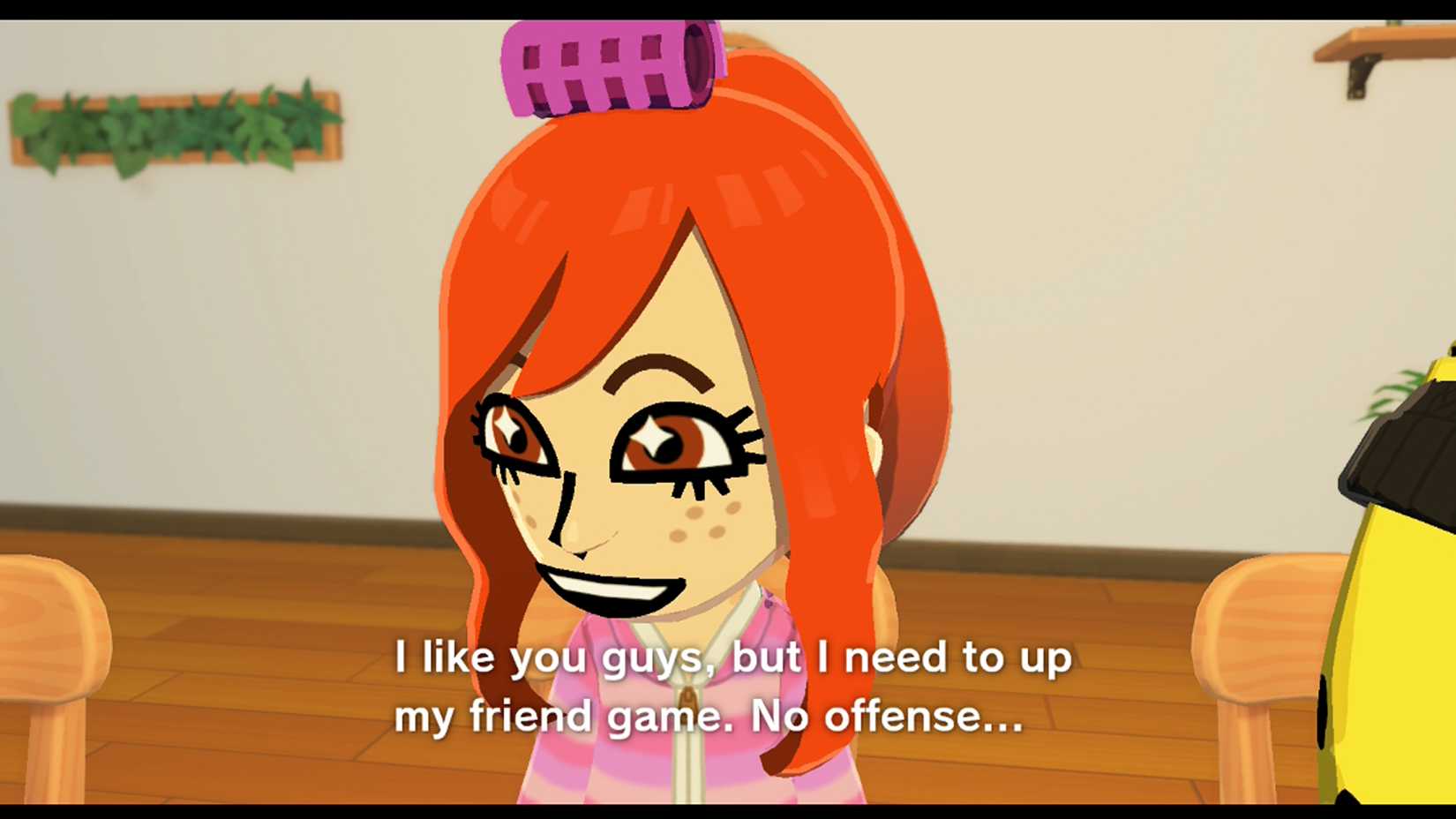
Sometimes, when two Miis are introduced to each other, the party being reached out to will halfheartedly wave off the other Mii’s attempt to make polite conversation. This can leave the ignored Mii in a bad mood. A rejected attempt to go from acquaintances to friends gets outright darkly funny with how rude the second Mii is to the first. Even families aren’t exempt from roasting each other — for instance, I witnessed a Mii may tell her husband and son that she needs cooler friends than the two of them.
Miis Can Be Defiantly Autonomous


In the 3DS Tomodachi Life, if you told a Mii they couldn’t do something, they wouldn’t be able to do that thing (at least at the moment). If you told them they couldn’t tell that one Mii they love them, they’d abstain, but get really sad about it. In Living the Dream, though, Miis will only follow the player’s advice most of the time. Tomadachi Life‘s lack of a fourth wall may make you think that you have total control over the island, but the Miis will go against their creator’s judgment sometimes.
There’s the usual stuff where they can react with distaste to gifts from the user even if the item was expensive, but players have also reported Miis disregarding their suggestion on whether to confess to someone or which of two potential crushes the Mii can be in love with. The second one happened to me — darn you, King of All Cosmos for your obsession with my best friend instead of me!
Click or tap on the games that match the category
Miis being able to outright defy you is a very interesting mechanic to add. Even if the Miis aren’t being outright rude in their words when doing so, it’s a big change from otherwise similar games like Animal Crossing: New Horizons where villagers couldn’t even leave the island without the player’s permission. Luckily for those worried about losing too much control, disobedient Miis are fairly rare and only seem to act out in certain romance events so far. This can go in the player’s favor, too, like a proposal succeeding even if the player fails the mini-game.
Fights are Much Rarer But More Intense in Living the Dream
Another thing that can make it seem like the island gets along too well is how rare arguments have become. Once players had enough Miis on 3DS, they’d open the game up every day to at least one fight breaking out between residents. It was actually pretty annoying with how squabbles would distract the two fighting Miis from being able to do much else until someone tries to apologize. Gamers having to stop what they’re doing to find something that’ll raise a Mii’s happiness enough to calm them down felt like a chore after it became a daily duty, so fights being so rare is honestly a welcome addition for me.
In exchange for their rarity making the community a little more boring, arguments in Living the Dream are way more intense than in the 3DS game. Since the Miis are walking around the island now instead of locked in their bedrooms when they’re mad, it’s easy for an angry duo to make their issue everyone else’s problem. It is admittedly pretty funny to see someone in a hamster suit casually stride past the couple throwing mosquito coils at each other, though.

There were two tiers of arguments in the 3DS game – “normal” fights where cheering a Mii up will get them to apologize, and “bad” fights where a third Mii has to intervene to try and get them to reconcile. Fights in Living the Dream give Miis the fiery aura that only bad fights in the 3DS game had, so arguments are already more emotionally charged by default than they were before. You also get to hear the two insult each other during a fight, which you only got to see in a flashback from a failed reconciliation in the last game. And while a lot of the lines are naturally goofy to suit the game’s tone, the Miis’ new animations show that they’re in genuine emotional turmoil. It’s a bit haunting if it’s between two people who get along in real life.
Spats can come up between couples and friends, though couples have a special scene that can instigate a fight. And it’s actually kind of dark, implying that one half is worried that the other half is cheating on them. After seeing their partner chatting with someone of their dating preference, the first Mii will angrily get between the conversation out of jealousy. The second Mii is offended that the first one would do this, and a fight will begin. And just like on 3DS, a fight won’t always end in forgiveness; this can lead to outright divorce for married Miis. The first Mii suddenly getting so jealous makes them come off as ridiculously possessive, adding a potentially toxic element to the pairing (though thankfully, this is as far as a Mii can go when it comes to spats with their spouse). It’s a weirdly dark event for such a lighthearted (and E-rated) game, though the inherent goofiness of Miis helps keep things ridiculous instead of depressing. The fact that divorce is a game mechanic in a series like this in and of itself is also pretty bleak.


Tomodachi Life: Living the Dream Tutorial Shows You How to Make Hugh Morris
An official video tutorial from Nintendo shows how to make Tomodachi Life: Living the Dream’s most famous character, Hugh Morris.
Tomodachi Life: Living the Dream Has a Lot of Sugar, But Also Some Spice


Can the Miis be boring sometimes? Sure. But the Tomodachi games are meant to be played in 5- or 10-minute bursts, not hours-long binges. If your sessions last a while, then most of that time will be filled with the Miis’ normal routines and can make it feel like Living the Dream has less content than it actually does. The proportion of time you’re spending with “nice” Miis can make it seem like “rude” Miis are gone.
But in reality, rude Miis aren’t gone. If anything, Living the Dream’s Miis are sassier than before, with actual dialogue accompanying most social events this time. They can disregard your suggestions, be rude to someone trying to befriend them, and get into some very intense squabbles. Living the Dream is rated E for everyone, but Tomadachi Life‘s sense of humor makes it clear that Nintendo knew it’d be a hit among adults. The out-of-pocket things Miis can say or do prove it. as they’re not as tame as some of the game’s critics would have you believe.



- Released
-
April 16, 2026
- ESRB
-
Everyone / Comic Mischief, Mild Fantasy Violence
- Developer(s)
-
Nintendo
- Publisher(s)
-
Nintendo