





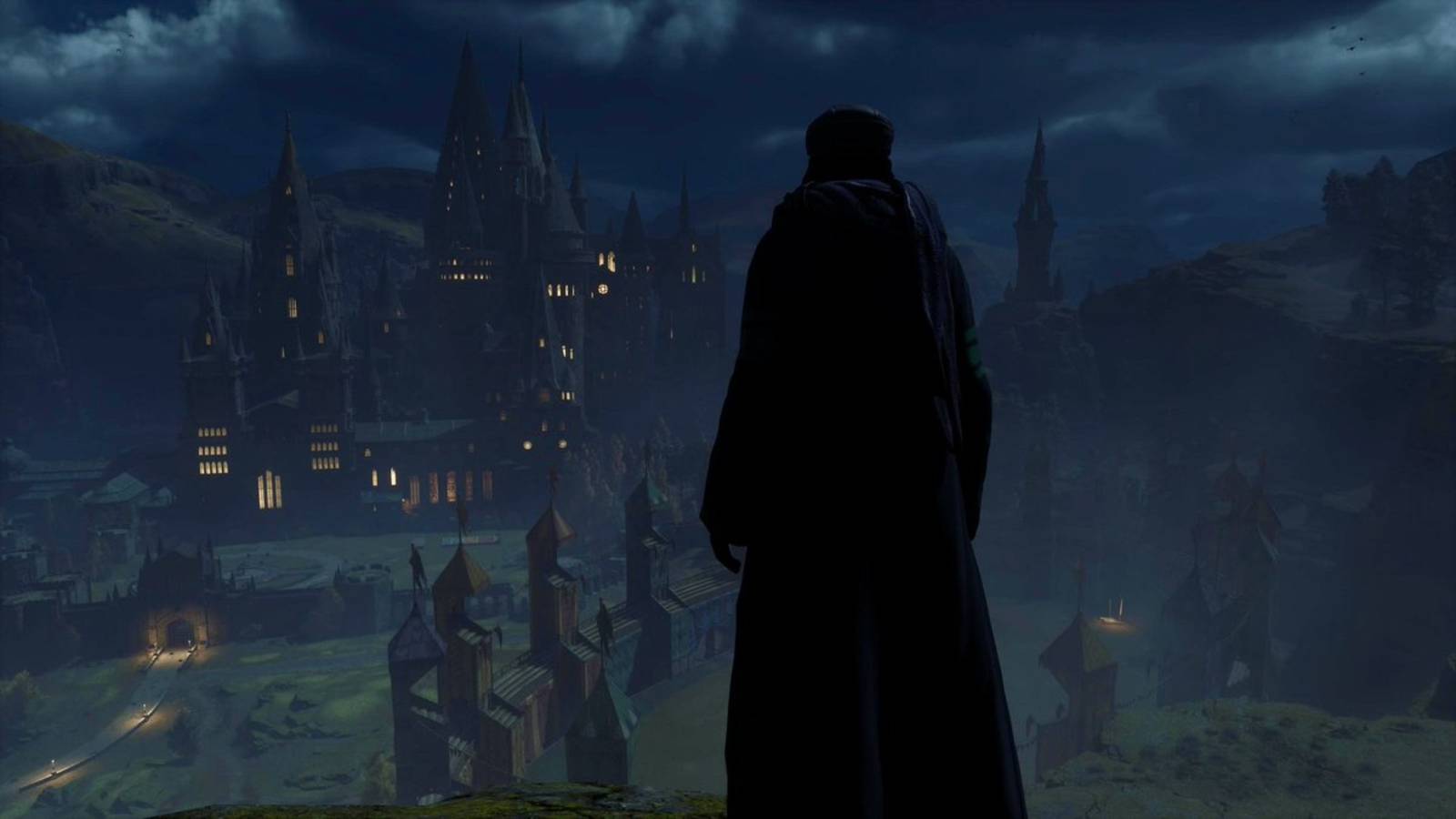
Few games in recent memory have had the kind of commercial impact as Hogwarts Legacy. What began as a long-awaited return to the Wizarding World quickly became something much bigger that tapped into a level of player fantasy that the franchise had struggled to fully realize in games before. Avalanche Software’s open-world RPG let players do a lot more than just visit Hogwarts. It let them live there, carving out their own identity within a familiar but previously untouchable space. That sense of immersion, combined with the sheer scale of the experience, turned the game into a proper cultural and commercial force in 2023.
That kind of success doesn’t exist in a vacuum, and it certainly doesn’t go unanswered. Even without a formal announcement, the conversation around a sequel has steadily shifted from speculation to expectation. Between industry leaks, increasingly specific job listings, and direct comments from Warner Bros. Discovery leadership, Hogwarts Legacy 2 has effectively revealed itself in pieces. The result is a sequel that feels both inevitable and uncertain: one clearly in development, but still undefined in what it ultimately wants to be.
Hogwarts Legacy: Why You Should Start Over in 2025
It might not have had a cavalcade of post-launch content, but the latest Harry Potter video game is more than deserving of a revisit in 2025.
Hogwarts Legacy 2: It All Started With a Leak
Before diving into the rumored features, the first sign of Hogwarts Legacy 2 came from a 2023 leak by insider MyTimeToShineHello. At the time, the Hogwarts Legacy 2 leak felt more like an educated guess than a revelation. But in hindsight, it tracks.


Rearrange the covers into the correct US release order.
Rearrange the covers into the correct US release order.
Easy (5)Medium (7)Hard (10)
The original game’s success, over 30 million copies sold, made a follow-up almost guaranteed. The decision to forgo DLC for Hogwarts Legacy further supports the idea that Avalanche shifted focus early, prioritizing a full sequel over incremental expansions. What started as a rumor has since been reinforced by nearly every signal the industry typically provides.
A 2027–2028 Release Window for Hogwarts Legacy 2 Is Starting to Make Sense
The clearest signal yet comes from Warner Bros. Discovery’s long-term planning. During an earnings call, executive JB Perrette pointed to 2027 and 2028 as the period when the company expects its “biggest franchises” to return to delivering meaningful results. While no specific projects were named, the implication is hard to ignore. The Hogwarts Legacy 2 timeline fits almost perfectly with modern AAA development cycles. With early signs of development appearing as far back as 2024, a late-2020s release window isn’t just plausible—it’s likely.
There’s also a broader strategy at play. Warner Bros. has made it clear that it wants to align its major franchises across multiple forms of media, and that includes HBO’s upcoming live-action Harry Potter series. A coordinated release strategy could allow both projects to amplify each other’s reach.
The Job Listings That Keep Pointing to a Hogwarts Legacy Sequel
Avalanche Software’s hiring activity helps fill many gaps. Over the past two years, a steady stream of job listings has painted a surprisingly detailed picture of what the studio is working on. Some of the most telling patterns include:
- Open-world RPG language: Multiple listings describe a new “open-world action RPG,” often with references to magic-based combat. The overlap with Hogwarts Legacy’s core design is difficult to dismiss as coincidence.
- Direct ties to the Wizarding World: Certain roles explicitly call for familiarity with the Harry Potter universe, reinforcing that this is not a new IP but a continuation of an established one.
- “What’s next” after Hogwarts Legacy: Several postings frame the project as the studio’s next major step, further narrowing the possibilities given Avalanche’s size and focus.
Taken together, these listings frankly outline a sequel. Even without a title attached, the consistency across roles and requirements makes it clear that Avalanche is building something very close to Hogwarts Legacy 2.
Multiplayer and Live-Service Elements Could Change Everything


Where things become less certain and more divisive is in how the sequel might evolve. A number of job listings reference systems commonly used in online multiplayer games. Others mention live-service experience, in-game economies, and post-launch content support. These details point to a potentially fundamental shift in design philosophy. Key hints from these listings include:
- Matchmaking and lobbies: Suggests structured multiplayer modes, possibly competitive in nature
- Live operations (“live ops”) support: Indicates ongoing updates and content cycles after launch
- Experience with free-to-play or service models: Raises the possibility of monetization systems not present in the original game
- Backend systems for player data persistence: Points toward a more connected, long-term player experience
For some players, this could be a natural evolution. Features like competitive dueling or Quidditch in Hogwarts Legacy have long been requested, and multiplayer systems would provide a framework for both. For others, it introduces concern that the sequel could drift too far from the single-player immersion that defined the original.
Single-Player Focus Hasn’t Fully Disappeared


Despite the strong push toward multiplayer systems, other job listings suggest that Avalanche hasn’t abandoned its narrative roots. Separate roles emphasize:
- “High-quality single-player action-adventure RPG” development
- Cinematic storytelling and character animation
- Creature design and world-building expertise
This overlap has led to an interesting possibility: Hogwarts Legacy 2 may be balancing both single-player and multiplayer. A hybrid model anchored by a narrative-driven campaign with optional online features would allow Avalanche to expand the experience without losing what made the first game resonate. It’s an ambitious approach, but one that aligns with broader industry trends.

One of the more consistent threads across job listings is a focus on branching narratives. This marks a potential shift from the original game, which, while engaging, largely followed a linear structure with limited variation in outcomes. New hiring priorities suggest:
- Branching dialogue systems and player-driven outcomes
- Experience with interactive storytelling frameworks
- A deeper integration of player choice into the narrative
If implemented well, this could significantly increase replayability and player investment. House-specific storylines, diverging character arcs, and meaningful consequences could all push the sequel closer to the kind of RPG depth players expected from the first game. There are also hints that the sequel may incorporate more recognizable elements from the broader Wizarding World, possibly tying into Warner Bros.’ cross-media strategy. Whether that means a new time period or closer alignment with established canon remains unclear.


Hogwarts Legacy: 12 Overpowered Builds
Hogwarts Legacy has been released and fans are already looking for the strongest ways to build their character, here are the most overpowered builds.
Hogwarts Legacy 2 Feels Real—Even Without an Announcement
At this point, Hogwarts Legacy 2 occupies a familiar space in modern gaming: unofficial, but undeniable. The evidence comes from a steady accumulation of signals that all point in the same direction. What remains uncertain is not its existence, but its identity. Whether it emerges as a deeper single-player RPG, a multiplayer-driven experience, or something in between, the sequel will carry the weight of enormous expectations. The original proved that the Wizarding World could thrive in an open-world format. The next step is proving how far that formula can evolve without losing what made it work in the first place.


Hogwarts Legacy


9/10
- Released
-
February 10, 2023
- ESRB
-
T For Teen Due To Blood, Fantasy Violence, Mild Language, Use of Alcohol