






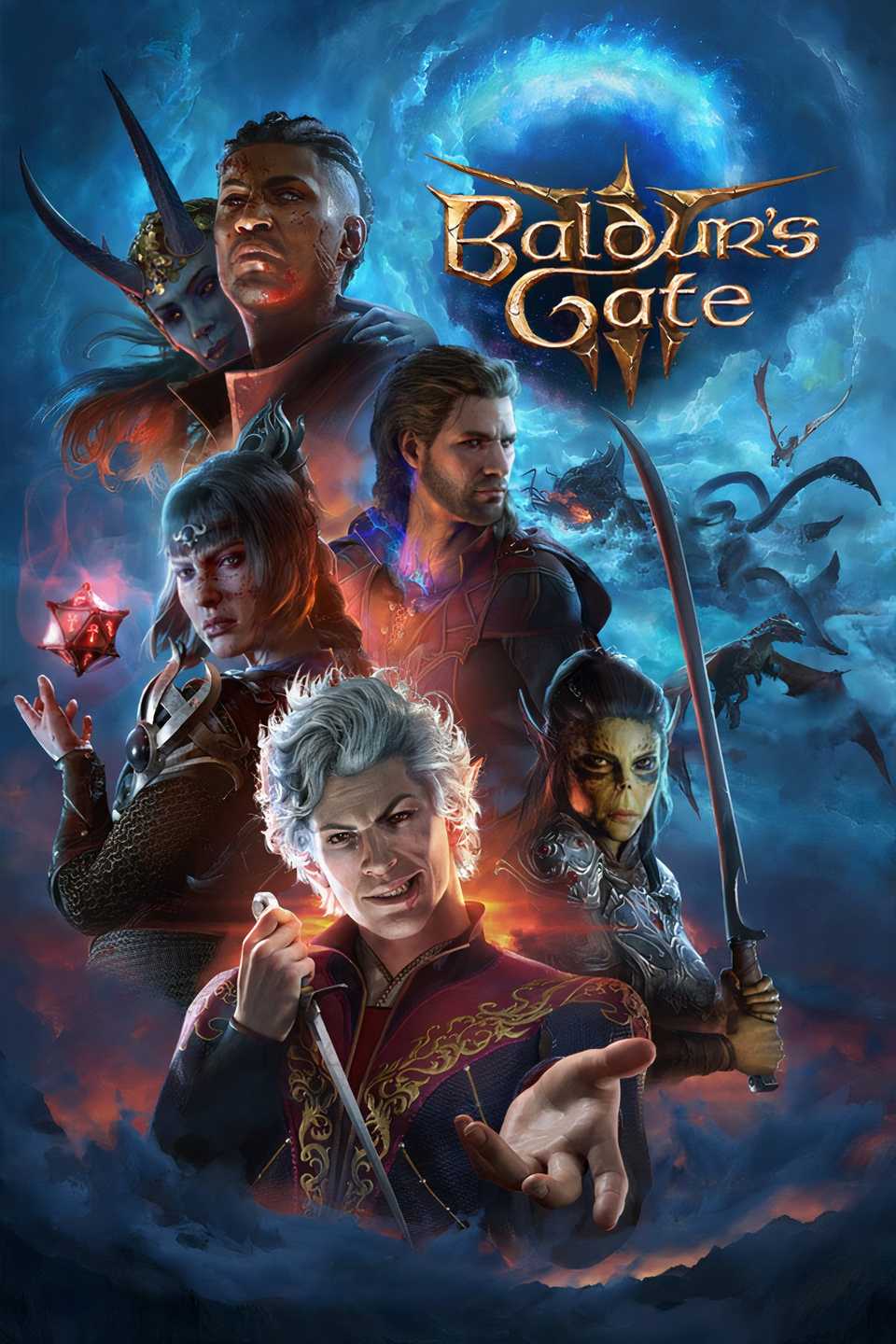
In 2023, Baldur’s Gate 3 essentially conquered the entire RPG genre, sweeping the year’s biggest awards and hauling the once-niche CRPG genre out of the discerning gamer’s basement into the mainstream. Then, at the very peak of that success, Larian tastefully and deservedly bowed out—no sequel, no expansions, and no more Dungeons & Dragons at all. That leaves the hottest RPG property on the planet without a developer, and IP owner Hasbro scrambling to find anyone willing to follow Baldur’s Gate 3.
As one might imagine, the search for BG4’s developer has been fairly tricky, as whoever takes the job inherits an outright masterpiece’s legacy and the mountain of expectations attached to it in the same breath. But there’s one studio whose entire existence has practically been a slow climb toward this precise moment; one that, in just the past week, has all but volunteered. Owlcat Games would be the picture-perfect choice to helm Baldur’s Gate 4, because that studio—more than any other— understands what it means to make a truly great CRPG on its own terms.
Owlcat Was Practically Built For Baldur’s Gate 4
-

-

-

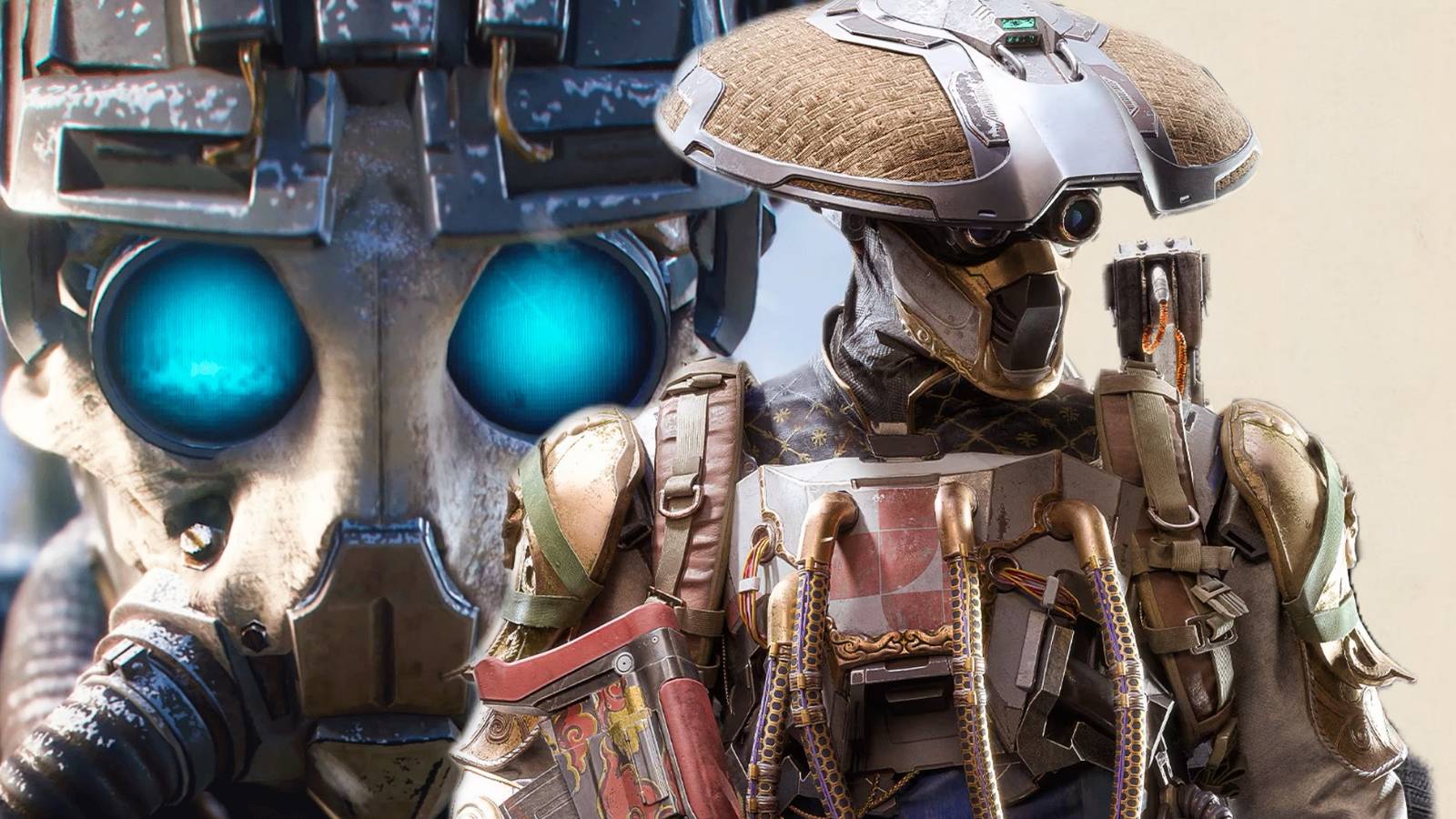
Rogue Trader Electrodynamic Cenobium riddle Image via GameRant; Source: Owlcat

The simplest reasoning for this is also the oldest: when Owlcat Games came together in 2016, its stated mission was to build a spiritual successor to Baldur’s Gate and Neverwinter Nights. Of course, that sounds aspirational on the surface, but remarkably, that level of ambition wasn’t unfounded. Owlcat’s leadership consists of several veterans of Nival Interactive—the team behind Heroes of Might and Magic V and Silent Storm, two truly bona fide turn-based games of the 2000s.


Put the consoles in the correct order.
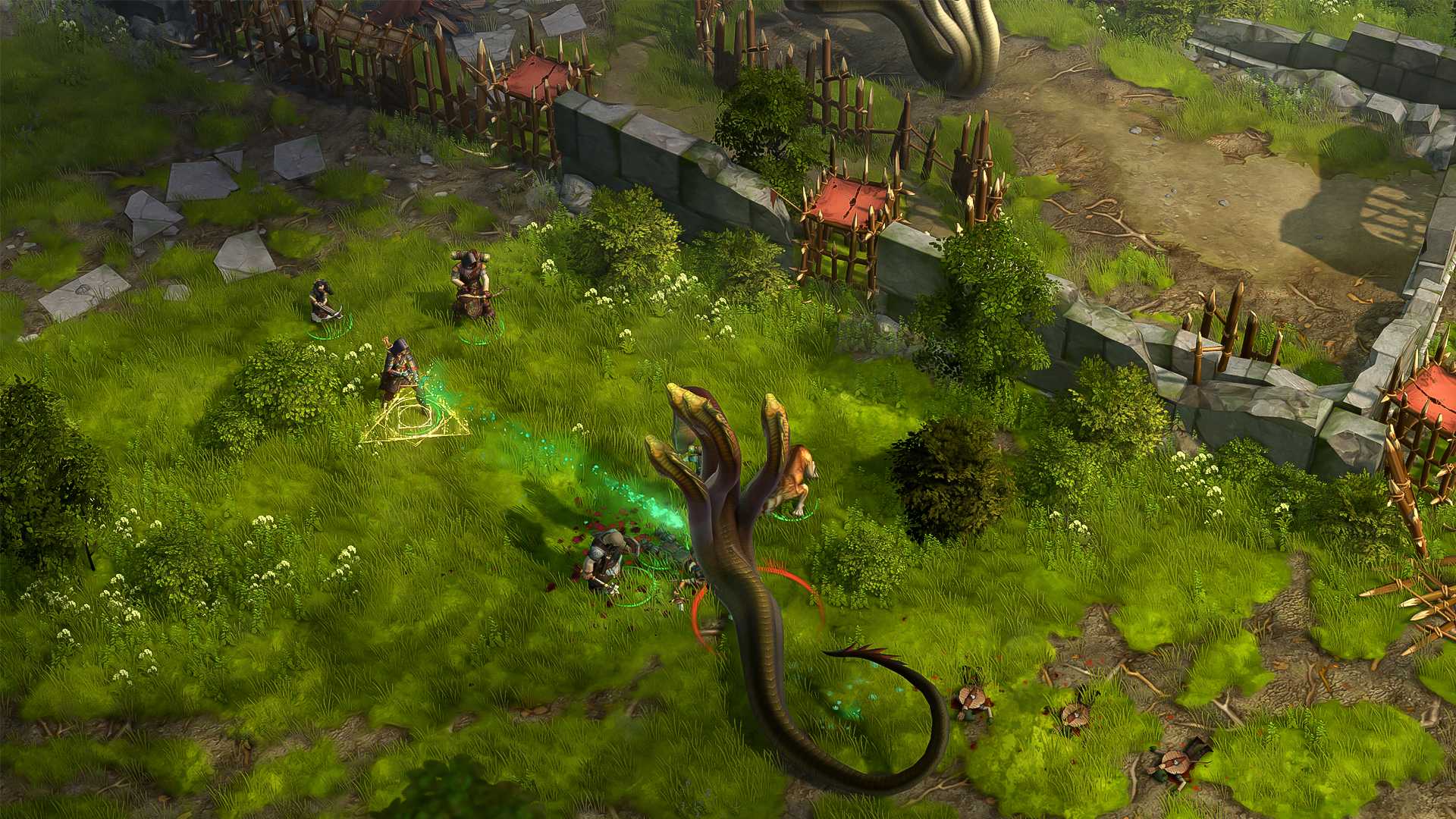
And to its credit, the studio’s debut title, Pathfinder: Kingmaker, essentially delivered on that founding intention off the bat. The young studio even had the foresight to bring genre legend Chris Avellone into the fold during development to sharpen Kingmaker‘s writing. The several releases since that initial effort have only proven Owlcat’s mettle further as one of the great modern CRPG builders.
-

Rogue Trader Blood Ties Quest Image via GameRant; Source: Owlcat Games -
-

Since Kingmaker, Owlcat has delivered Pathfinder: Wrath of the Righteous and Warhammer 40,000: Rogue Trader; each of these titles proves Owlcat’s capabilities go well beyond ambition. To be clear, these are three games built from two enormous tabletop properties and rule sets, each with their own sprawling campaigns, and all three landed confidently in their own rights. Owlcat has a proven habit of walking into someone else’s dense system and making it sing, which—for Baldur’s Gate 4—seems like the entirety of the job description.
When Owlcat Games came together in 2016, its stated mission was to build a spiritual successor to Baldur’s Gate and Neverwinter Nights.
Rogue Trader is the most recent of Owlcat’s bunch, but also the most telling, because though it thematically sits miles from a high-fantasy DND setting, its turn-based foundation plays closer to Baldur’s Gate 3 than anything else the studio has made. That said, all three of Owlcat’s games have shown it can juggle precisely what BG4 would demand: intricate rules, deep, established lore, tactical party combat, and long campaigns that bend around wildly different player decisions. The level of quality each title display proves that not only can Owlcat tick each of the requisite boxes, but it can reach even higher for a Baldur’s Gate 3 follow-up, too.
Beyond that checklist of experience, though, the reason to trust Owlcat with this property is in the way the studio approaches character building. Each of Owlcat’s games is rightfully celebrated for its build depth and reactivity—the sense that your character is truly your own, expressed through class, multiclass sprawl, dialogue, and consequence rather than a single fixed hero’s arc. That is the exact quality that made Baldur’s Gate 3 feel so personal to millions of players, and it happens to be the thing Owlcat already does better than nearly anyone else working in the genre today, even with consistently lower budget allowances.
Owlcat Is the Only Team Up to the Task (So Far)
-

-

-

This pitch doesn’t exist in a vacuum either, and that’s why it might read as a bit urgent. In late July, when asked directly by IGN whether the studio would pick up a hypothetical call from Hasbro, Owlcat’s creative director and co-founder Alexander Mishulin leaned all the way in rather than deflecting the question. To him, the whole daunting prospect was a challenge worth relishing:
First of all, I would like to thank all the players, all your audience that consider us to be able to do that. It’s a really great honor. You already said that we are a little bit masochistic. So yeah, we will consider it a great challenge!
More importantly, Mishulin then expertly named the trap that seems to have sunk most prospective sequel pitches as they came about. In the interview, he argued that Baldur’s Gate 3 is a Larian formula down to the bone—any studio trying to photocopy it would be “bound to fail”—and that the smarter move is to pour its own DNA into the setting and build something new. He said he hoped for a team “brave enough and passionate enough and skillful enough” to take that swing, and when probed about whether he meant Owlcat, he simply smiled and said, “Thank you.”
The Case Against the Perfect Fit—But Owlcat Is Still Perfect
Now, a few things are standing in the way of this potentially perfect union of developer and IP. For one, Owlcat is roughly 600 people, and effectively all of them are spoken for — the studio is deep into The Expanse: Osiris Reborn, due in 2027, and the follow-up to Rogue Trader, Warhammer 40,000: Dark Heresy, is also in active development. Osiris Reborn in particular stands as the single biggest obstacle to Owlcat taking Baldur’s Gate 4, and the scheduling trouble is honestly hard to argue with.
Beyond the industry, it’s also possible that the political logistics of Owlcat’s Russian roots and recent move to Cyprus could, fairly or not, weigh on whether a Western publisher wants to hand over a flagship IP like Baldur’s Gate.
Then there’s the sheer length of the shadow BG3 casts, which really can’t be understated. James Ohlen — a lead designer on the original Baldur’s Gate — was personally asked by Hasbro to make BG4, and he flat out turned it down, warning that he “would fail” because competing with Baldur’s Gate 3 would be “insanity.” That truly speaks to the challenge of the task at hand: one of the people who helped invent the series wouldn’t dare to go near it.
Ultimately, I think the position here is very clear, as all the arrows point the same way: Owlcat was founded with the intention of making something like Baldur’s Gate, it’s got a resume than more that proves its mettle—and to date—Mishulin has been the only studio leadership to confidently offer a public “sure, why not” in the face of such a task. The remaining obstacles are real enough, but they are questions of timing and nerve rather than suitability—whether Owlcat can clear its plate, and whether Hasbro is brave enough to bet on the obvious answer. As I see it, Baldur’s Gate 4 already has its perfect developer; everyone involved just has to be willing and ready to admit it.

- Released
-
August 3, 2023
- ESRB
-
Mature 17+ / Blood and Gore, Partial Nudity, Sexual Content, Strong Language, Violence