




Castlevania: Belmont’s Curse arrived on October 15, 2026, ending a 13-year wait for a new side-scrolling entry in Konami’s vampire-hunting series. That should have been an easy victory lap. Few franchises have done more to shape exploration-focused action games, and the Belmont family remains instantly recognizable to anyone who grew up navigating Dracula’s castle. But the series has returned to a very different landscape from the one it helped create. Its name still carries weight, yet its history has also left it with a problem that nostalgia cannot solve.
While Castlevania was away, other developers kept pushing the Metroidvania formula forward. Hollow Knight made getting lost feel rewarding, Ori brought a new level of grace to movement, and Prince of Persia: The Lost Crown showed how a familiar series could embrace modern ideas without losing its character. Castlevania: Belmont’s Curse now has to compete with games built on the foundations that Castlevania laid decades ago. I find that reversal fascinating, especially because the game’s strongest ideas also reveal just how difficult the balancing act has become.
Castlevania Helped Shape a Genre That No Longer Needs It
The roots of the problem go back to 1997’s Castlevania: Symphony of the Night. Its sprawling castle rewarded curiosity, and its equipment and progression systems made returning to previously inaccessible areas part of the appeal. Those ideas became pillars of the genre. Castlevania continued exploring them in games such as Order of Ecclesia, but its traditional 2D lineage effectively went quiet after 2008. The last new side-scrolling installment before Belmont’s Curse was 2013’s Lords of Shadow – Mirror of Fate, which belonged to a separate reboot continuity.
For players who wanted another original Castlevania adventure, that was a long time to watch other studios take the lead. Meanwhile, Hollow Knight demonstrated the power of environmental storytelling and secrets that players could uncover without being led by the hand. Ori and the Will of the Wisps made traversal feel almost as satisfying as reaching a destination. Even Dead Cells, a roguelite rather than a conventional Metroidvania, helped set expectations for the speed and responsiveness of modern 2D combat.


Guess the games from the emojis.
Players have grown accustomed to tight controls and maps that reward careful attention. Hollow Knight: Silksong raised the bar again in 2025, arriving before Belmont’s Curse with another demanding adventure built around quick movement. That creates an awkward situation for a franchise whose once-unusual features have become genre staples. Exploring an interconnected castle is still fun, but it is no longer an automatic selling point. Unlocking a new ability that opens a blocked path is satisfying, but players have experienced that moment in countless other games. Even gothic atmosphere now faces stiff competition from independent developers with striking visual identities. Castlevania helped write the rules, but it no longer gets to decide what counts as exceptional.
Castlevania helped write the rules, but it no longer gets to decide what counts as exceptional.
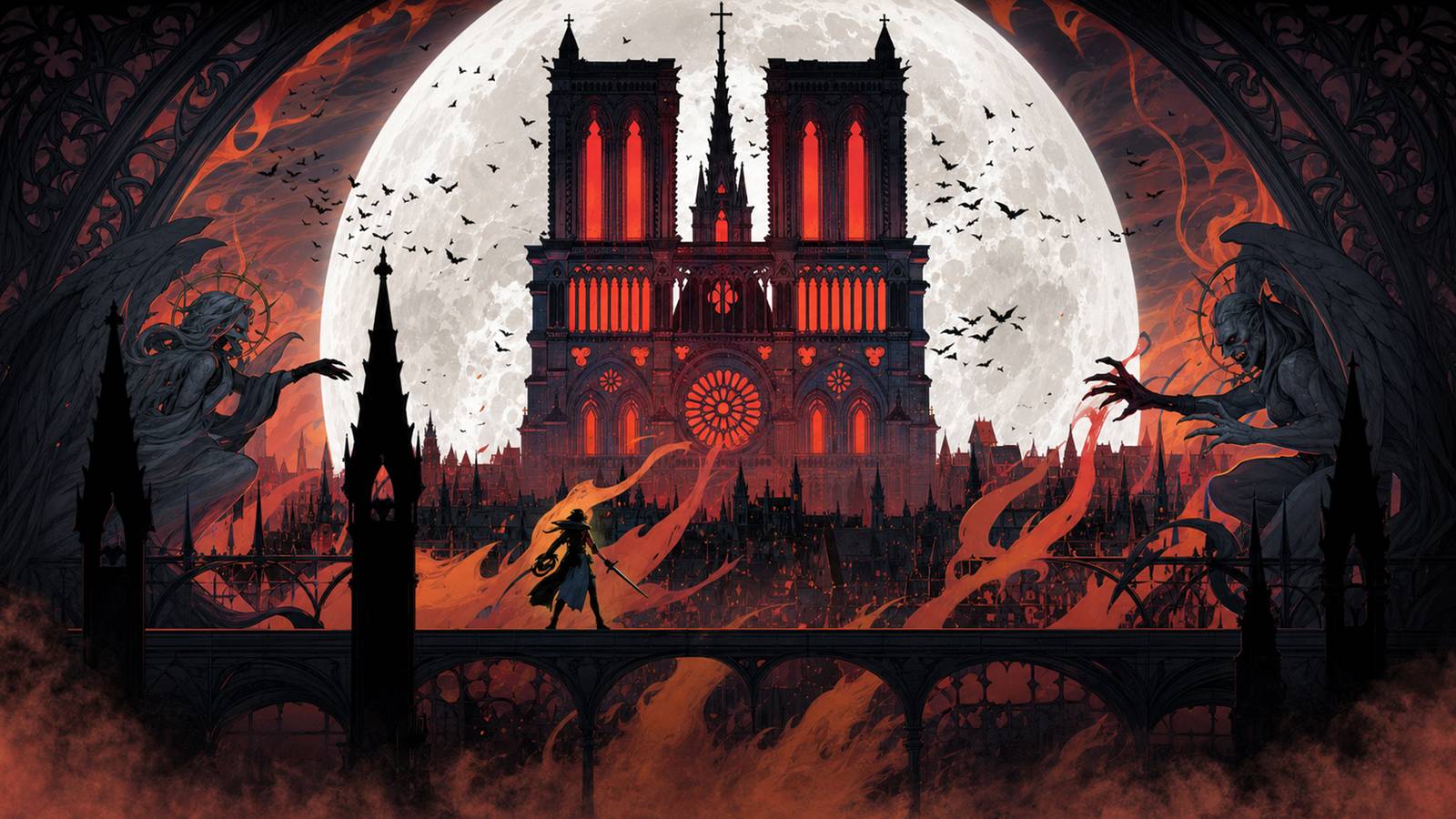
Belmont’s Curse clearly understands the need to evolve. Set in Paris in 1499, it follows Rose Belmont, Trevor’s daughter, as she hunts monsters through the city and Dracula’s castle. Evil Empire, the studio behind much of Dead Cells’ post-launch development and its Return to Castlevania crossover, brings experience from the very generation of action games Castlevania helped inspire. The Vampire Killer whip is the best example of that influence coming full circle. Rose uses it to cross gaps and maneuver around obstacles, giving a signature weapon a meaningful role in exploration. Bosses feed into the Arcana system, which turns defeated enemies into tarot-based spells and abilities. Seven weapon categories and equippable Relics give players room to shape a fighting style.
-

-
-

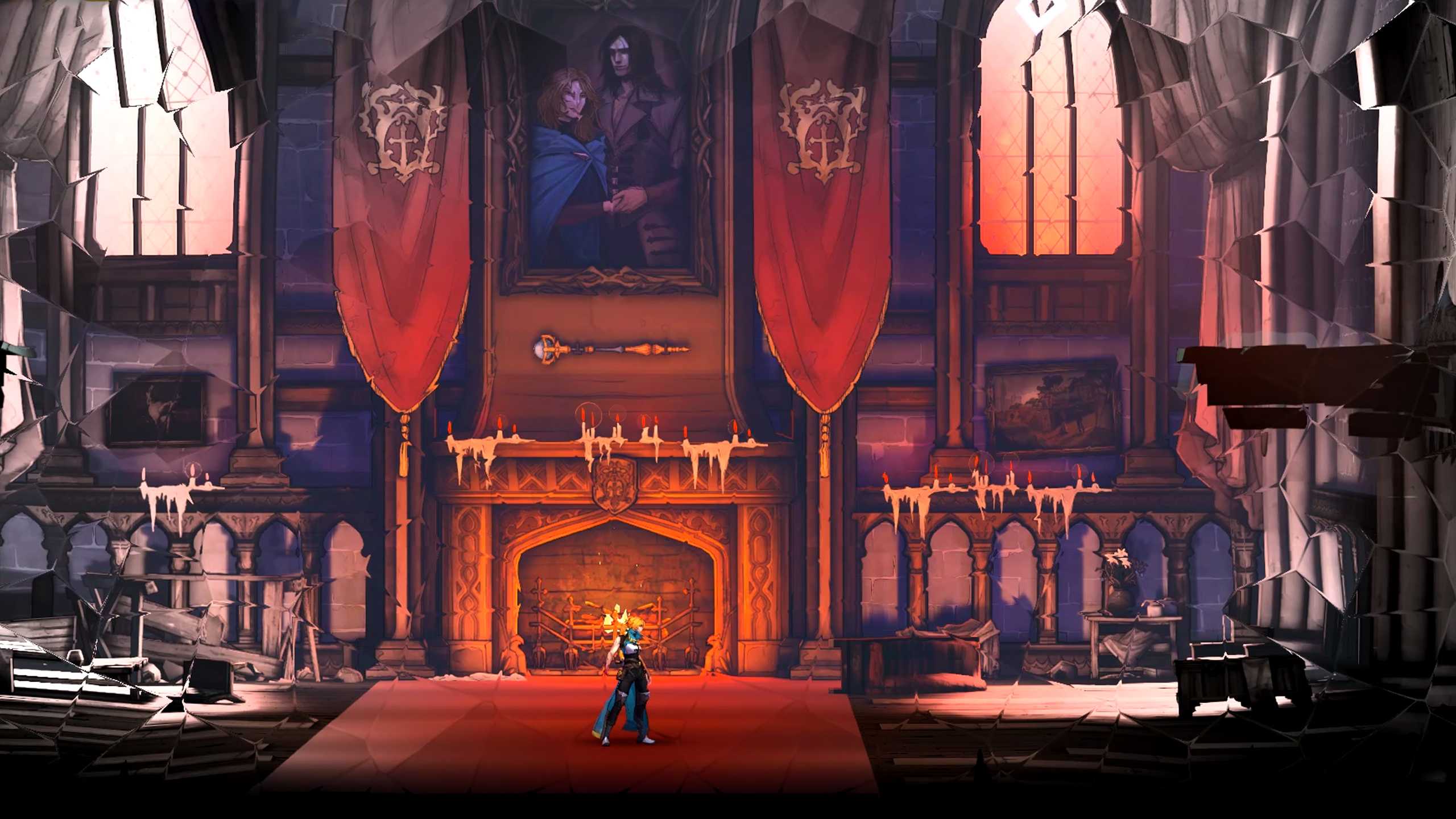
Castlevania Belmont’s Curse Medusa ultimate attack Image via GameRant; Source: KONAMI


The exploration philosophy is equally revealing. Evil Empire deliberately avoided a constant objective marker, instead relying on environmental clues and allowing players to place their own map markers. I like that approach because finding a hidden route should still feel like a discovery, especially in Castlevania. The trouble is that thoughtful modernization has produced sharply different responses. GameSpot gave Belmont’s Curse a 10/10, celebrating how its combat and traversal work together. IGN scored it 8/10, praising the action while arguing that some traditional Castlevania charm was lost. VGC awarded it 3/5, finding the exploration too familiar, while Push Square’s 7/10 review also questioned how much the game adds to an already crowded genre. That spread of opinions tells a more interesting story than a simple claim that Castlevania has fallen behind. Some critics see a confident revival; others see a solid game struggling to escape its influences.
Belmont’s Curse Must Make Castlevania Stand Out Again


And that is the real price of Castlevania’s legacy. A straightforward return to Symphony of the Night’s approach would please players looking for familiar systems, but it would also invite comparisons with newer games that have refined those systems for years. Leaning harder into fluid combat and modern conveniences brings its own risk: the result starts to resemble the competition. Belmont’s Curse has made its choice by preserving its mythology and iconic weapons while giving the actual play a faster rhythm. That is a sensible direction. The mixed reactions to individual design choices show that a historic franchise does not get extra credit simply for showing up again.
For me, the exciting part of Belmont’s Curse is that it gives Castlevania a future to build on rather than leaving the series trapped in anniversary collections and guest appearances. Evil Empire has shown that the Vampire Killer can be reimagined without being discarded. The next step is to push that confidence further and make the series feel essential on its own terms. Castlevania’s greatest achievement was teaching an entire genre to grow. Its challenge now is to keep growing alongside it.

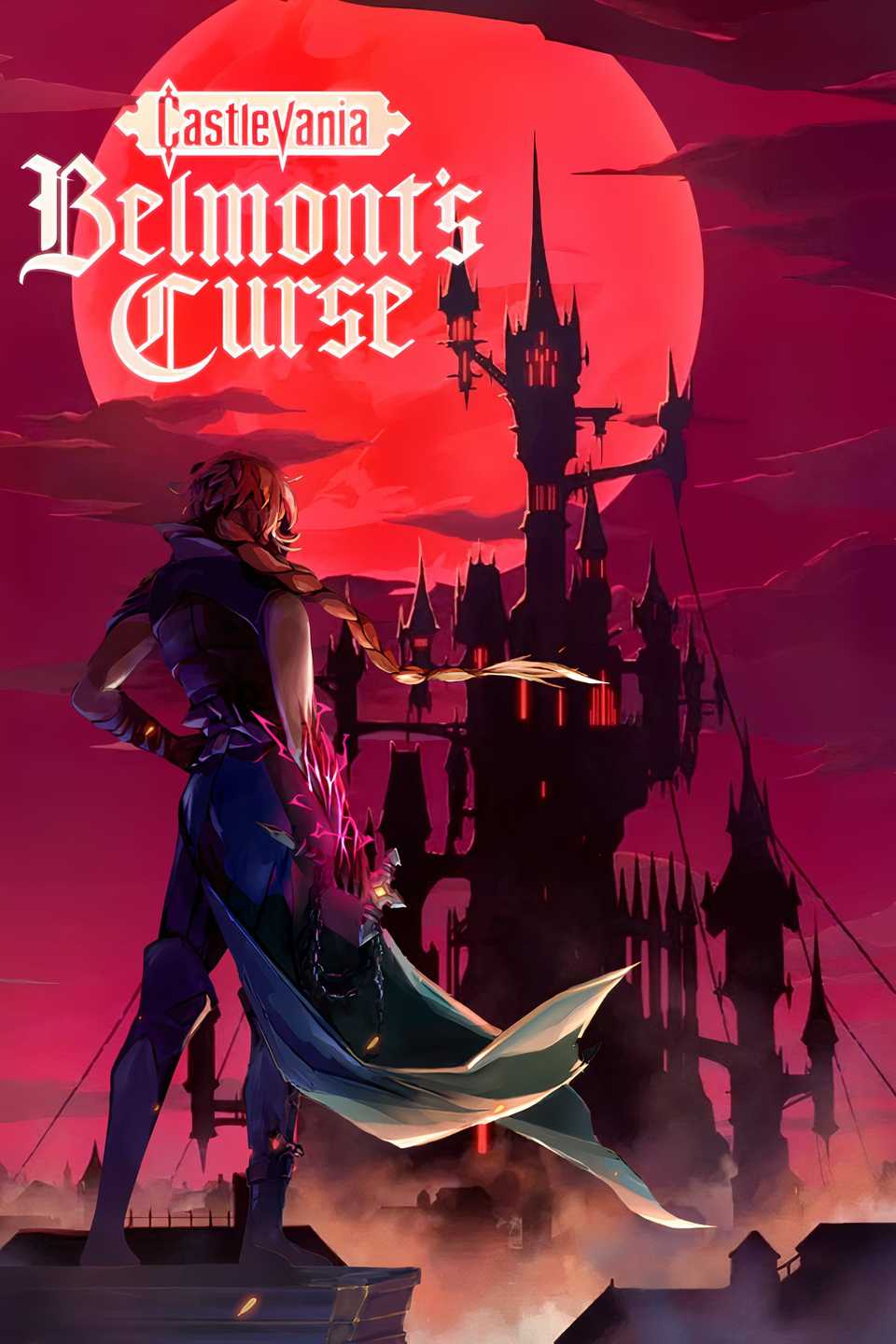
- Released
-
October 15, 2026
- ESRB
-
Teen / Blood, Mild Suggestive Themes, Violence
- Developer(s)
-
Evil Empire, Motion Twin