


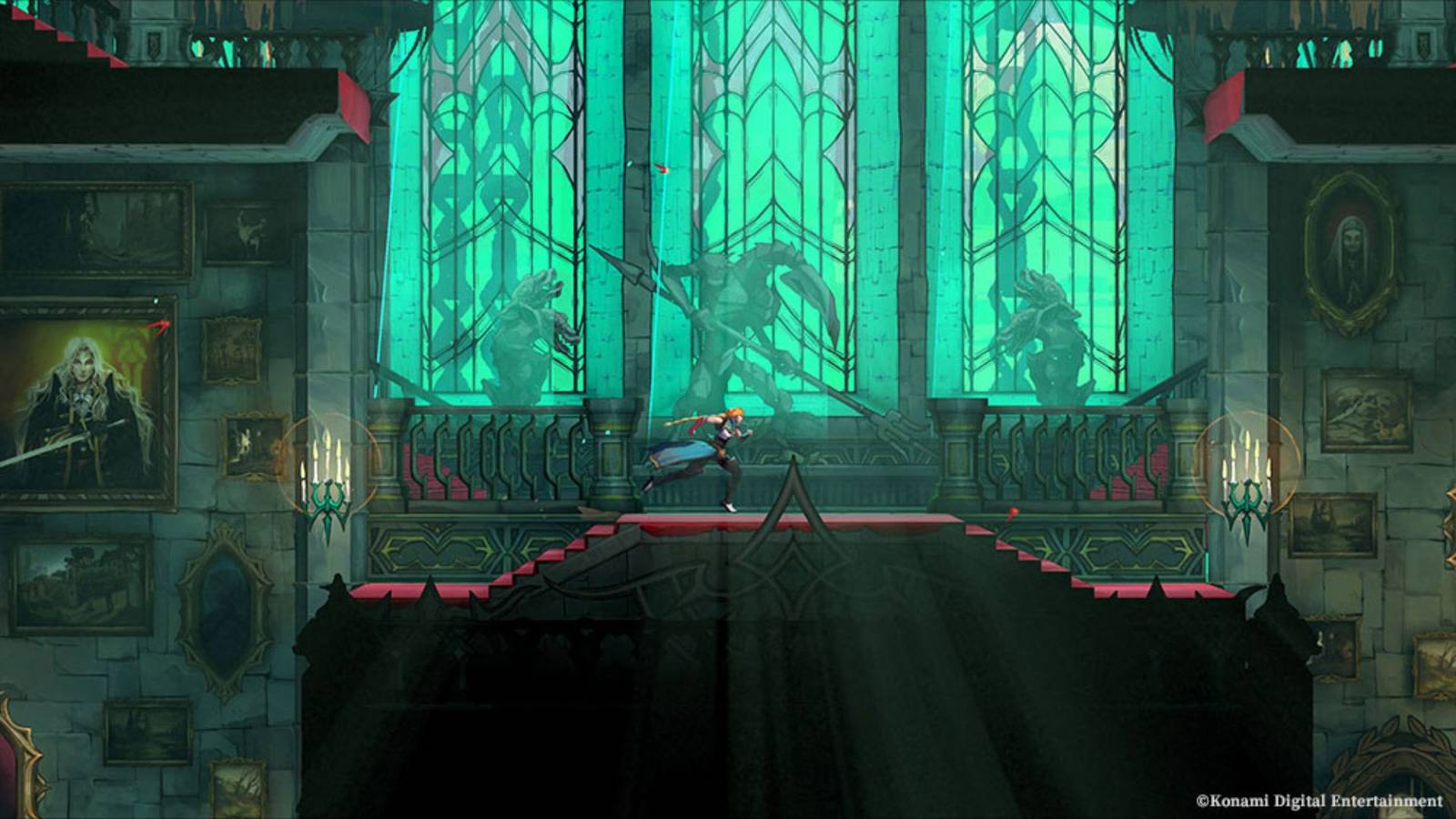




Konami and Motion Twin’s latest entry into the Castlevania franchise, Castlevania: Belmont’s Curse, is finally here, and it’s everything I’ve dreamed of and more. I can say that now that I have begun playing, I am more than happy with Castlevania: Belmont’s Curse, mostly because I get to see Trevor Belmont again after years of a Trevor drought that began in 2021 after the release of Castlevania: Grimoire of Souls. The Belmont family is close to my heart; a strong bloodline tackling horrors beyond my wildest comprehension. Now that Rose, Trevor’s daughter, has taken over the helm, I couldn’t be happier to continue the game’s amazing story with her by my side.
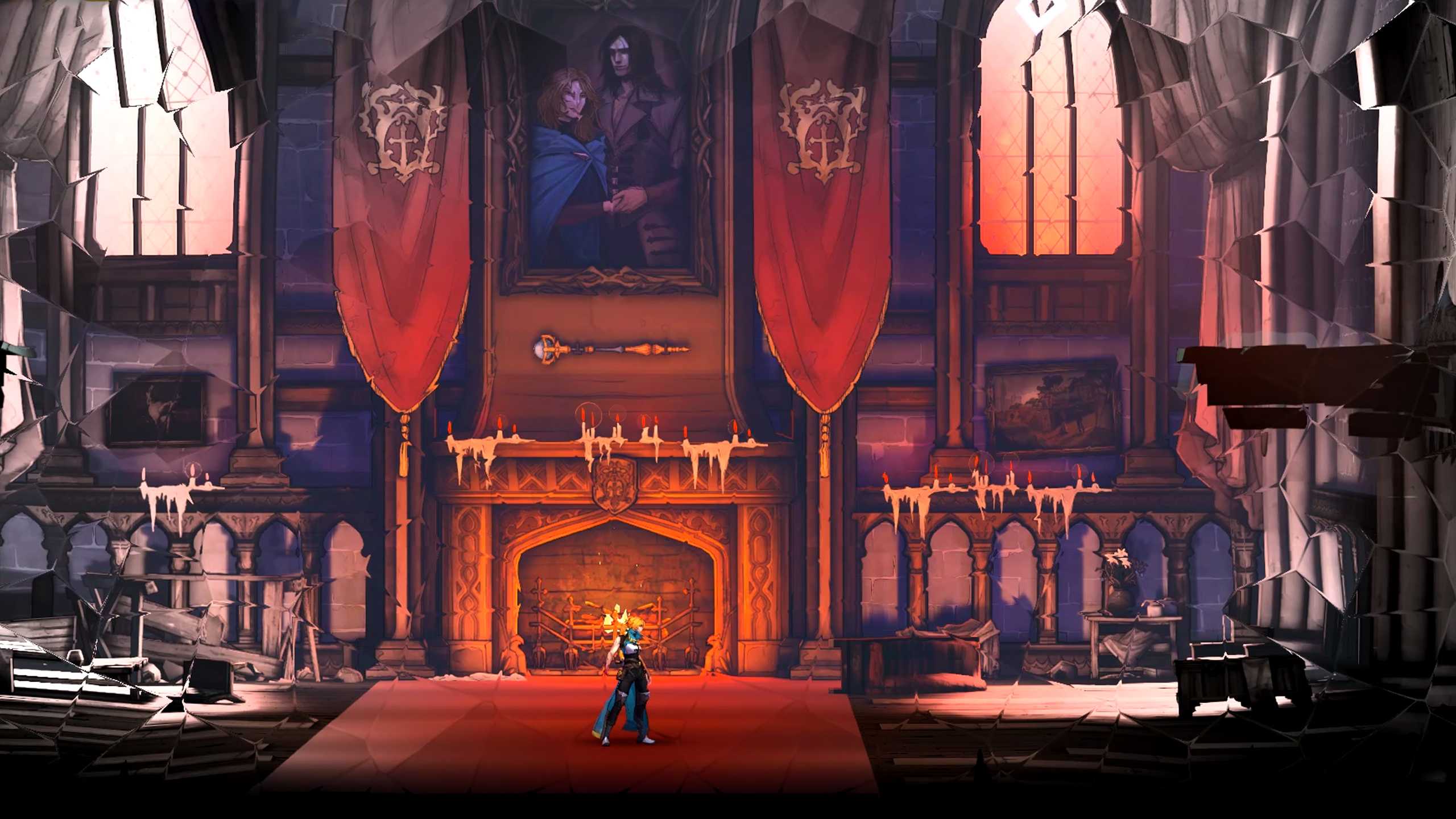
Castlevania: Belmont’s Curse is a unique entry in the series. While it still retains its side-scrolling format, the game’s art, tarot card mechanic, enhanced combat with a parry mechanic, and the Vampire Killer serving as a traversal tool make this game vastly different from the franchise’s past entries. One notable change made to the world of Castlevania, as seen in Castlevania: Belmont’s Curse, is the ability to traverse beyond a castle, a staple locale in the game. This begs the question: why haven’t more Castlevania games been explored beyond a castle setting? There are a few titles in the franchise that have had locations beyond a castle, but eventually, players will, in the end, find themselves in a castle.
Castles Are in the Game’s Name, But Does It have to Be so Literal?
-
-

Castlevania Belmont’s Curse Meeting the Ferryman Image via GameRant; Source: KONAMI -


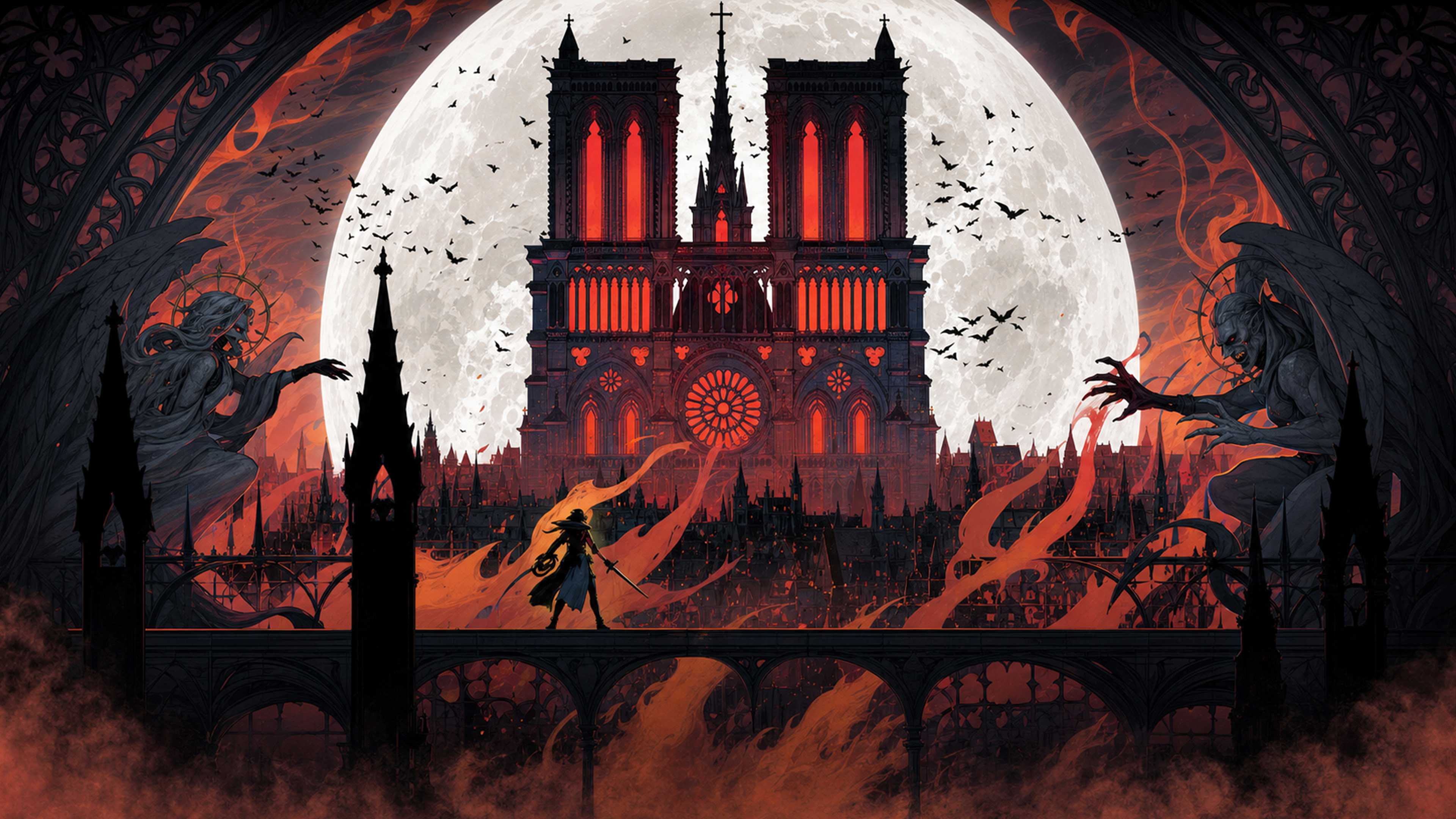
Uniquely, Castlevania: Belmont’s Curse features a world beyond the franchise’s usual castle landscapes. Burning streets of Paris provide something the series’ traditional castles cannot, which is a glimpse of the wider world and how it has suffered under Dracula’s wrath. Extensive sections take place outside of the castle landscape, offering a refreshing change to the norm. From Paris’ burning architecture, players are taken to grimy and gross sewers and coastal water routes to gothic graveyards plagued by the spirits buried there.
One of my favorite sections is the Catacombs, a place that I actually visited not so long ago in Paris. I am a huge fan of all things spooky, and the developers delivered on the atmosphere. Like the real thing, these pixelated catacombs are dank, dark, and filled to the brim with bones. Each area outside the castle scape showed me firsthand that Dracula is a really terrible guy. I was able to see his influence on Paris, ushering in an era of darkness with monsters that wreak havoc on the city’s citizens at random.
From Paris’ burning architecture, players are taken to grimy and gross sewers and coastal water routes to gothic graveyards plagued by the spirits buried there.
The iconic Notre Dame Cathedral was set ablaze thanks to his recklessness, along with the historic real-life graveyard of the Holy Innocent Cemetery. Dracula’s curse extended into the environment so far that it penetrated the sewers, an impressive feat. Seeing these real-world settings burn to the ground, artifacts that have survived millennia, made Dracula’s curse all the more real. Almost all the Castlevania games are either set in the castle or end up in the castle at some point. Fitting, considering the franchise’s name. Sometimes the castle portion doesn’t crop up until the end of the game, like in Castlevania: Order of Ecclesia or Castlevania: Curse of Darkness.
-

-
-

Castlevania: Lament of Innocence and Castlevania: Dawn of Sorrow are the few games in the series that come to mind where players are not specifically in Dracula’s castle, but they are put in a castle setting. As you can probably tell, castles crop up a bunch throughout the series. I believe that it is time for Konami to do away with a castle-specific level or levels, because there’s a whole world to explore out there, and the company is actively missing out on it.
Each area outside the castle scape showed me firsthand that Dracula is a really terrible guy. I was able to see his influence on Paris, ushering in an era of darkness with monsters that wreak havoc on the city’s citizens at random.
Future Castlevania games should explore more real-world settings rather than confining their best environments to another castle. It stunts the franchise’s growth, putting it in a box of the game’s own making. There are sections of Castlevania titles with alternate settings, but a full-on Castlevania title without one singular castle would be pretty great. Castlevania: Belmont’s Curse is truly the closest thing we’ve got to a castle-free game since Dracula’s castle serves as the final 10th level. The new entry has shown that a Castlevania plot and characters can thrive without a castle because it gives these people and the plot room to grow.
Players see Dracula’s wickedness firsthand through the destruction of their surroundings. His evil is palpable. The settings we do get from Castlevania: Belmont’s Curse are breathtaking, richly designed, and detailed. Assets are high-contrast and striking, while character models are beautifully illustrated in a stylistic Anime-esque fashion. Real-world settings should be used to create more impactful gameplay. I guarantee players will be more immersed that way. Why not further explore all that Castlevania can be outside of a castle? Magic is just waiting to be made.
Some Castlevania Titles Have Flirted With The Idea of Other Locales
-
-

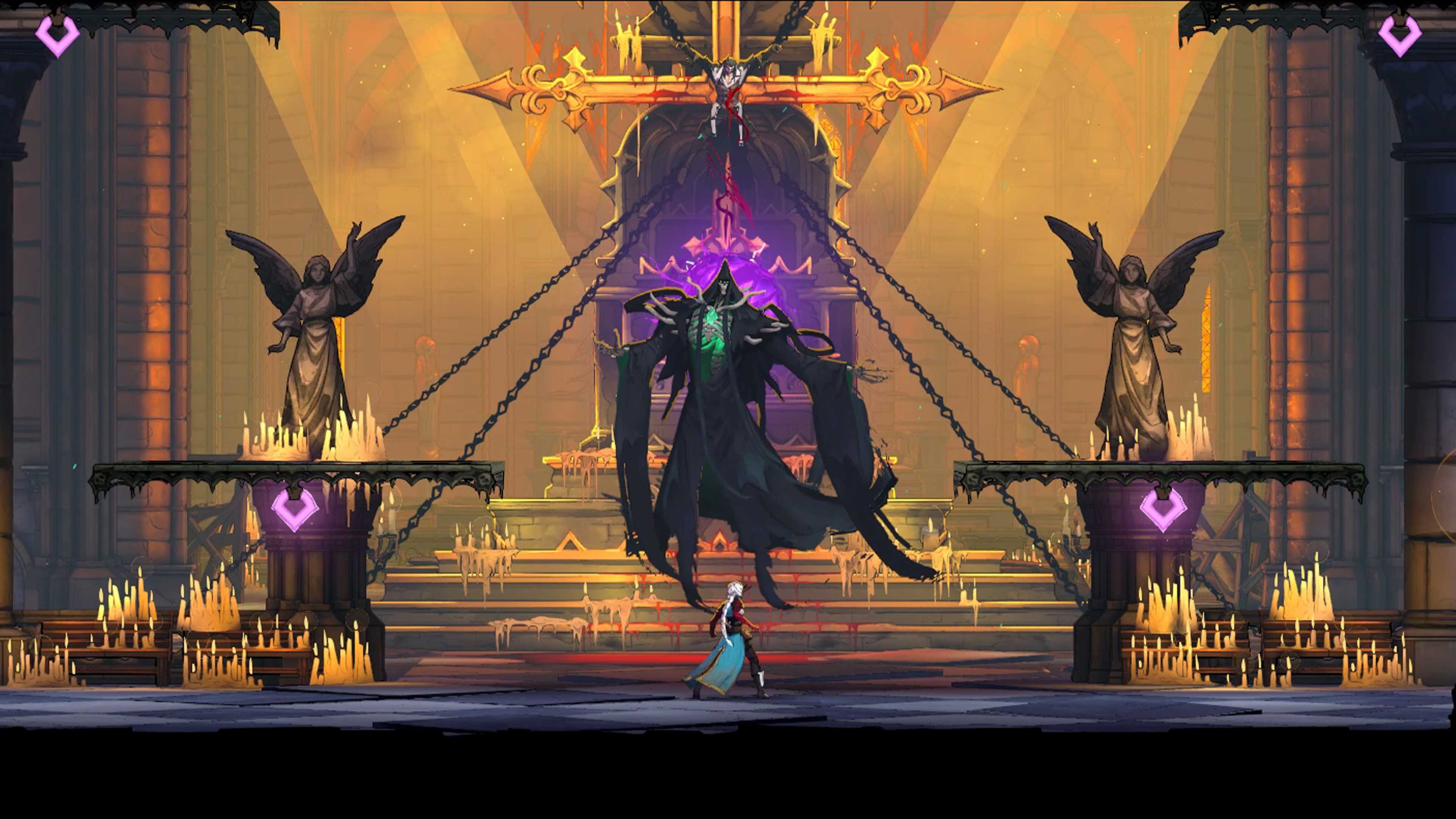
Castlevania Belmont’s Curse unlocking the Sonia skin Image via GameRant; Source: KONAMI -
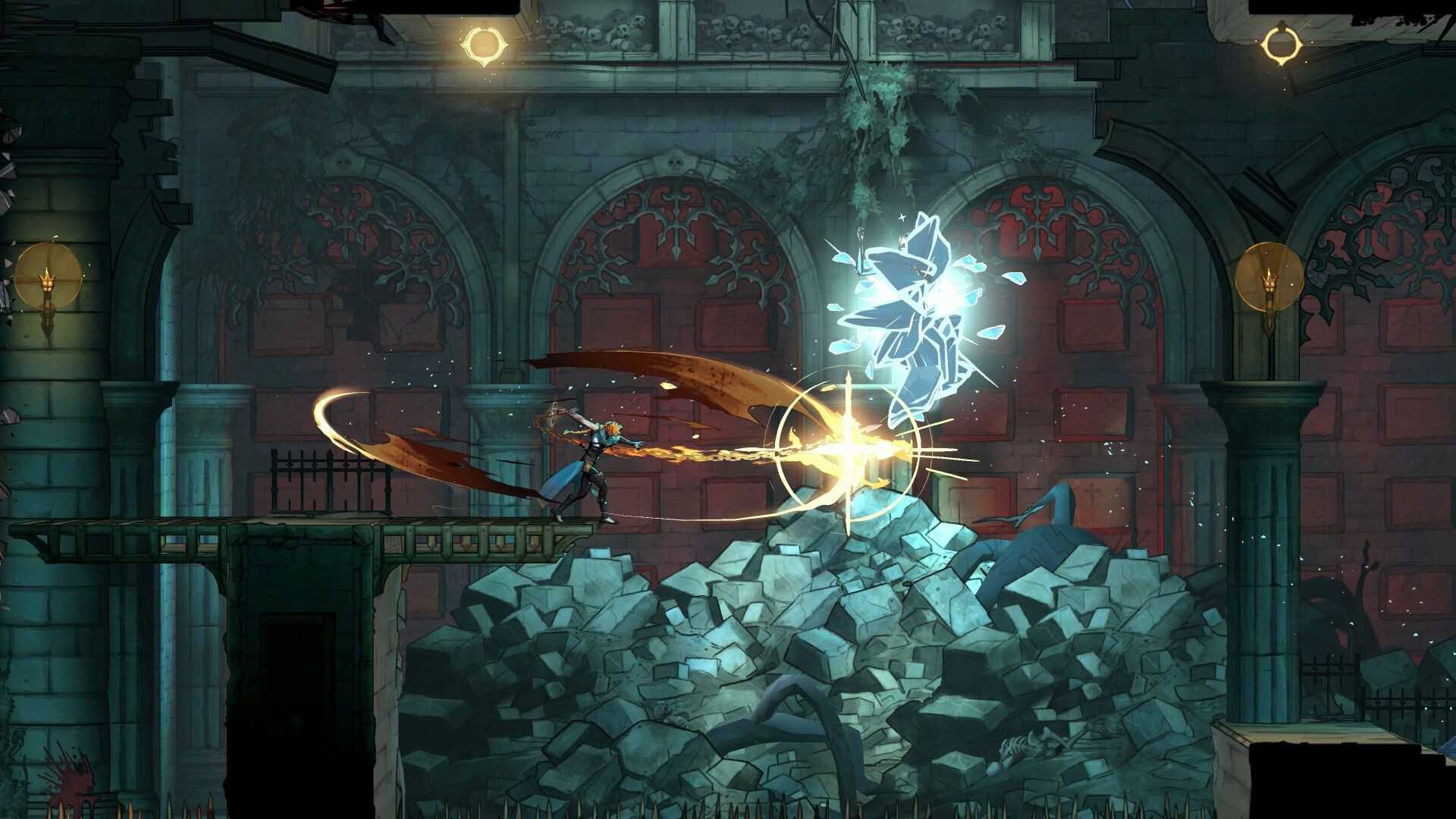
Castlevania 3: Dracula’s Curse offers players particularly unique set pieces, from Warakiya Village, Trevor Belmont’s home, to the Haunted Ship of Fools. Warakiya Village features a clock tower, moss-covered crumbling walls, and a cool little cemetery, while the Haunted Ship of Fools sees Trevor traversing ghost pirates on a rotting barge. I particularly love the Clock Tower of Untimely Death because it is somewhat steampunk with all the gears and metalwork in the background, serving as a stark contrast to most of the overgrown, crumbling areas players are usually treated to.
Some of my favorite Castlevania levels have been beyond castle walls. Think of it this way. Castles found in Castlevania have the same layout. Konami often relies on specific archetypes when designing castles, in particular, Dracula’s castle. Historically, devs reused layouts or inverted entire maps, like the famed Inverted Castle in Castlevania: Symphony of the Night or the recolored castles like in Castlevania: Harmony of Dissonance, just so that they could pad the game and leave less work for themselves. Most, if not all, the castles featured in Castlevania all feature a specific gothic aesthetic where the architecture is mainly reduced down to stone towers, stained-glass, and candle-lit corridors.
Castlevania: Curse of Darkness also has some pretty epic locations, with Eneomaos Machine Tower and the Aiolon Ruins serving as some of my favorite levels. The Eneomaos Machine Tower once again features mechanical motifs along with a few elevators. It’s an industrial design that I just love so much. In contrast, Aiolon Ruins is, well, a ruin. Vines overgrow everything; damp caves give way to weathered structures and crumbling stone halls. It’s spooky and somewhat romantic all at once. The possibilities for locales in Castlevania are endless, given that a story about vampires and the people who hunt them can pretty much work everywhere. There’s no limit to where the next Castlevania could be set unless the developer sets a limit for themselves.

- Released
-
October 15, 2026
- ESRB
-
Teen / Blood, Mild Suggestive Themes, Violence
- Developer(s)
-
Evil Empire, Motion Twin