









Those who prefer to play games on PC know that the biggest advantage they have is the freedom to choose their hardware and to adjust different settings exactly how they want them. Of course, for players to be able to do this, developers have to account for a much wider range of configurations, which is just as complicated as it sounds. In any case, most people would agree that being able to launch a game without running into technical issues should be the bare minimum, but unfortunately, Castlevania: Belmont’s Curse has recently demonstrated exactly why this is not always the case.
Konami has acknowledged an issue that can cause the game to display a black screen on certain high-refresh-rate monitors. And even though an initial patch has already addressed a similar launch problem, a full resolution has not been found yet. Naturally, Castlevania: Belmont’s Curse has now raised some questions, particularly about how thoroughly PC games should be tested before they are released. And it makes sense because players generally shouldn’t have to change their usual hardware settings just to play a game that they have spent money on.
Basic Compatibility Should Come Before Performance Optimization


It goes without saying that poor performance can be more frustrating than anything else, especially considering that there are players who have invested in some powerful hardware, but hey, at least they can still play the game. However, if a technical issue is so big that it prevents people from even getting past the launch screen, there is literally nothing that can be done to enjoy the experience even a little bit. This is exactly why basic compatibility may actually matter a lot more than performance optimization. In the case of Castlevania: Belmont’s Curse, the studio has already acknowledged the existence of a problem that could prevent the game from launching when V-Sync was disabled and the frame rate was set to Unlimited FPS.


Guess the games from the emojis.
Yes, it’s true that this has already been addressed in a patch, but it raises a lot of concerns about how thoroughly different combinations of settings have been tested before release. Of course, this doesn’t mean that the developers are not doing their job because technical problems can sometimes slip through the cracks, but it is even bigger proof that ensuring everything works should come before other performance optimizations. At least the studio tried to provide some kind of solution and recommended that affected players lower their monitor’s refresh rate below 60Hz through Windows, enable V-Sync, and then restore the original refresh rate. Sure, it’s great that Konami has provided a temporary solution, but generally, it’s not a very good sign when studios have to make changes to the operating system itself after launch.
Temporary Workarounds Shouldn’t Become the Player’s Responsibility
-
-

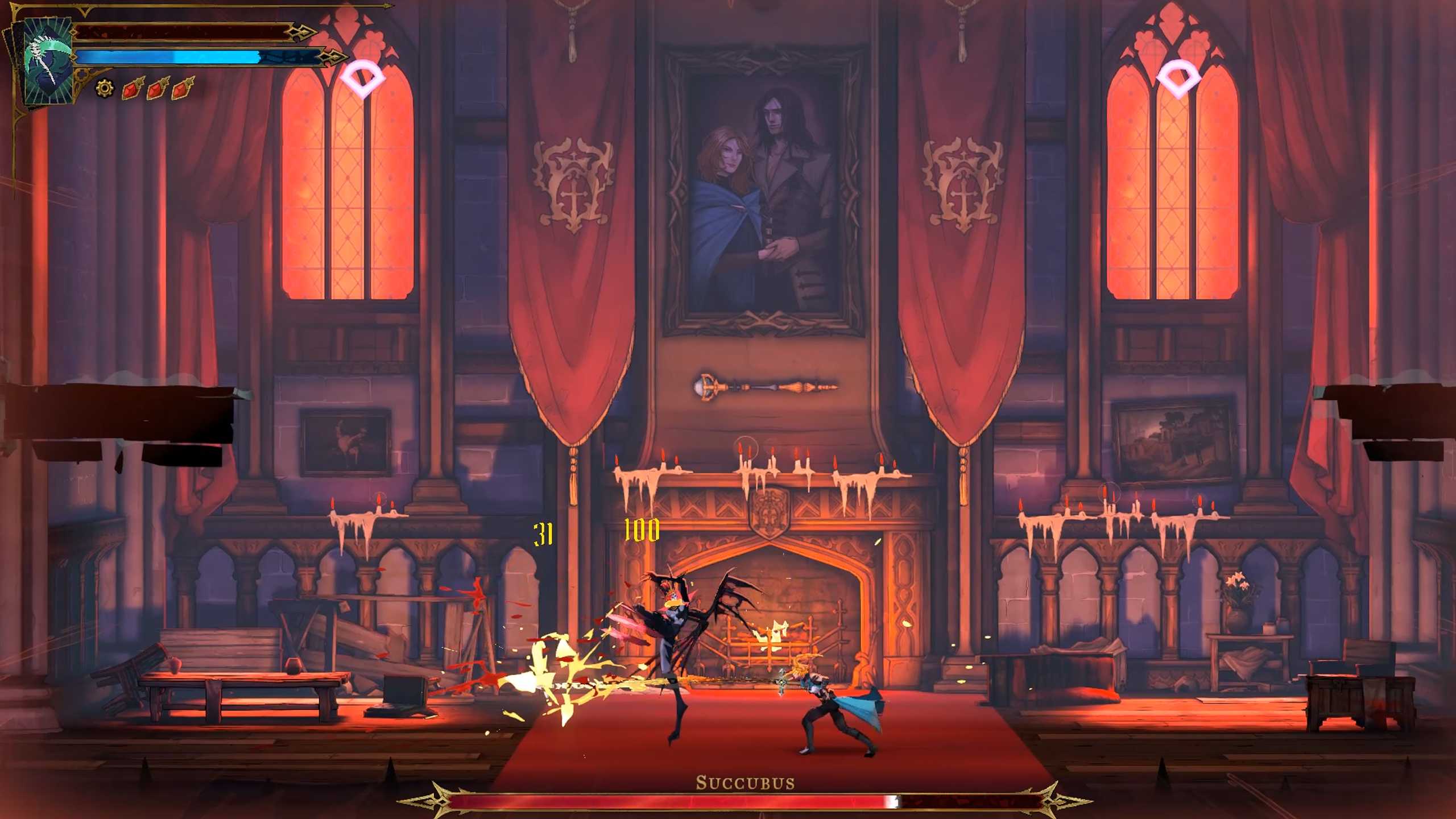
Castlevania Belmont’s Curse Rose facing Medusa Image via GameRant; Source: KONAMI -


The biggest issue with this approach is that it puts additional responsibility on players who bought the game to have fun and not to fumble with their monitor’s refresh rate. On the other hand, mistakes happen, so it’s also good to give Konami some credit for taking action and providing a temporary solution at the very least to help players while they search for a permanent fix. The thing, though, is that Castlevania: Belmont’s Curse had a lot of opportunities to identify potential technical issues before they released the game because Konami officially launched a playable demo on October 1, 2026, which gave players two weeks to try the game. Maybe no player reported a black-screen problem at the time, but these two weeks are the perfect opportunity for a studio to run some last-minute tests and make sure that the game can at least launch.
Players experiencing the issue can check Konami’s official support channels for troubleshooting instructions and future updates.
PC Compatibility Needs to Be Part of the Launch Standard

Launching a game is about more than meeting the minimum system requirements these days. The industry is brutal, and the competition is absolutely unforgiving, so releasing a title that has such a serious problem is definitely not great. PC players have access to a ton of alternatives, and they may not be willing to wait for developers to resolve the issue even though they’ve spent money on the title. Of course, it’s a little bit dramatic to say that a single bug will ruin a game’s reputation, especially when the studio is communicating clearly about the progress.
Moreover, expecting developers to account for every possible hardware configuration would be quite unrealistic, as there are so many combinations of settings that a completely flawless release is almost impossible. However, it goes without saying that Castlevania: Belmont’s Curse is the perfect example of why PC compatibility needs to be treated as a launch priority more than anything else. Technical problems like this could lead to some very negative user reviews that have nothing to do with the quality of the game, which is a shame, especially for titles that are actually good.


- Released
-
October 15, 2026
- ESRB
-
Teen / Blood, Mild Suggestive Themes, Violence
- Developer(s)
-
Evil Empire, Motion Twin