




A 27-year-old Grand Theft Auto game has received a dramatic graphical overhaul, with a new fan-made project adding full path tracing and modern lighting to GTA 2. The 1999 release predates the series’ transition into 3D open worlds, retaining the top-down perspective that defined Rockstar’s earliest Grand Theft Auto games.
Grand Theft Auto 2 originally launched in 1999, several years before GTA 3 transformed the series into the third-person open-world franchise most players recognize today. Set in Anywhere City, the game lets players steal vehicles, complete missions, battle police, and work with competing gangs while viewing the action from above. That older presentation makes it an unusual candidate for modern rendering technology, but a new fan project shows how dramatically classic Grand Theft Auto games can change when contemporary lighting is applied without altering their fundamental gameplay.
GTA 2 Gets a Major RTX Remix Makeover
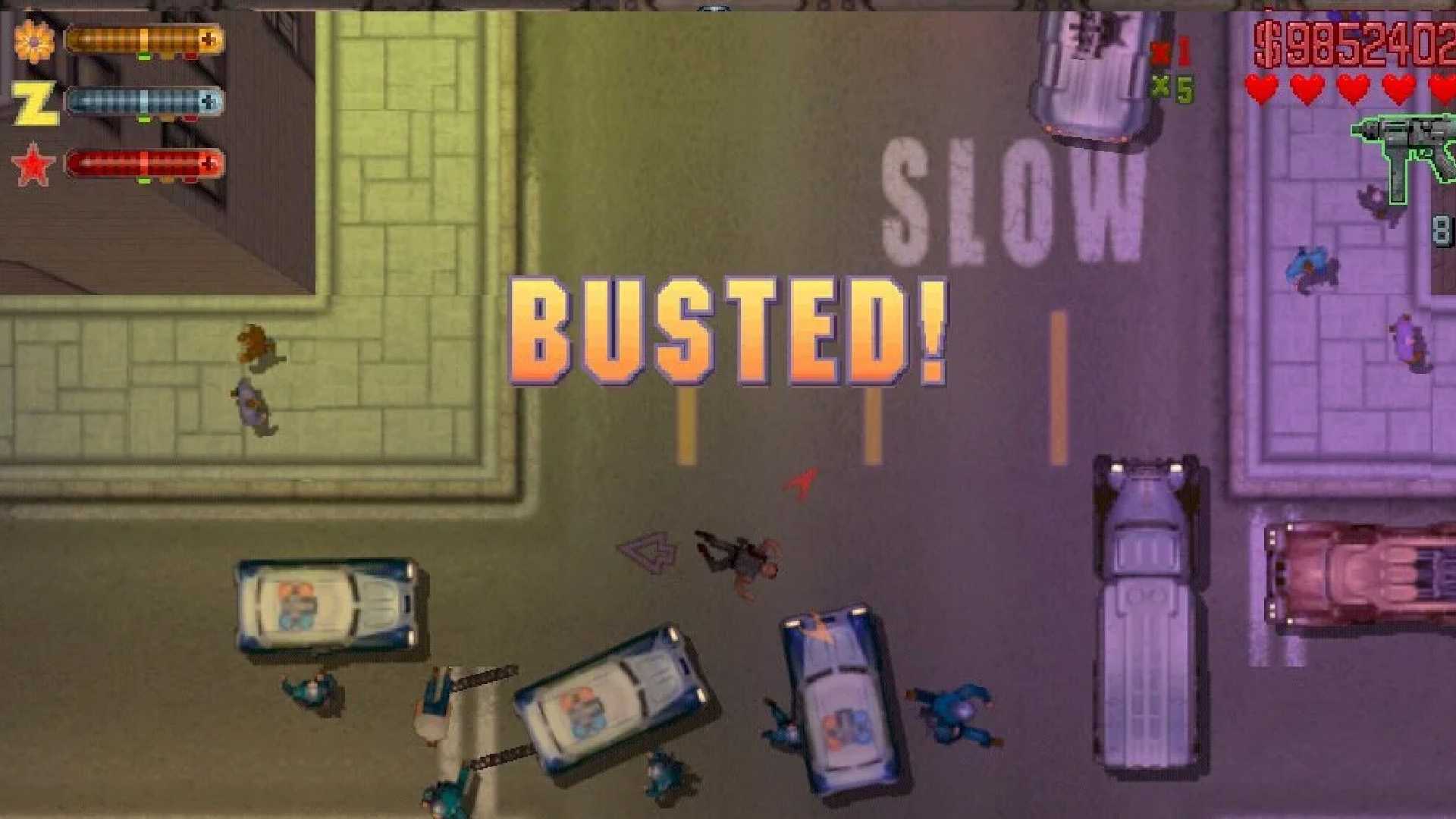
Modder gabdag has released a new YouTube video showcasing GTA2 RTX Remix, an open-source project that gives the 1999 classic full path-traced lighting through Nvidia RTX Remix. The footage demonstrates how fires, explosions, gunfire, neon signs, and other bright objects can now illuminate their surroundings with dynamic shadows, reflections, and glows, while a dynamic time-of-day system changes the appearance of Anywhere City as day turns to night. Gabdag also includes a full suite of modernizations that fans can explore in the included GitHub repository. Despite the extensive visual improvements, this remains an unofficial fan-made Grand Theft Auto project rather than a remaster or release from Rockstar Games.
-
-

-


The most noticeable change comes from how Anywhere City now responds to light. Exploding vehicles can briefly flood nearby streets with illumination, gunfire creates flashes within darker areas, and neon signs cast their own colored glow across surrounding surfaces. The added day-night cycle further changes the city’s appearance as conditions shift, making nighttime sequences feel especially different from the original game’s relatively static presentation. Players can also access an in-game settings menu to adjust elements such as lighting and time of day, while the missions, top-down perspective, and underlying structure of GTA 2 remain intact.
Getting the 1999 game working with Nvidia’s RTX Remix required more than simply installing the modern rendering software. RTX Remix primarily targets fixed-function DirectX 8 and DirectX 9 titles, while GTA 2 predates those technologies and relies on much older rendering methods. Gabdag therefore created a custom Direct3D 9 renderer that bridges the original game and RTX Remix, translating its legacy graphics pipeline into something the newer technology can process. That extra work demonstrates how RTX Remix can be extended to games older than the platform normally targets to great effect.
The project also improves how GTA 2 behaves on modern displays, bringing it up to date with current standards. Its original 4:3 presentation can now be expanded to 16:9 widescreen, with additional fixes preventing vehicles and pedestrians from awkwardly appearing or disappearing near the newly visible edges of the screen. Frame Generation can then create a smoother 60 FPS presentation without forcing the game’s simulation itself to run at that speed, an important distinction because GTA 2‘s underlying logic is tied to its rendered frame rate. Combined with path tracing and the new lighting system, the result gives one of the earliest Grand Theft Auto games a surprisingly modern presentation while leaving its nearly three-decade-old gameplay largely preserved.

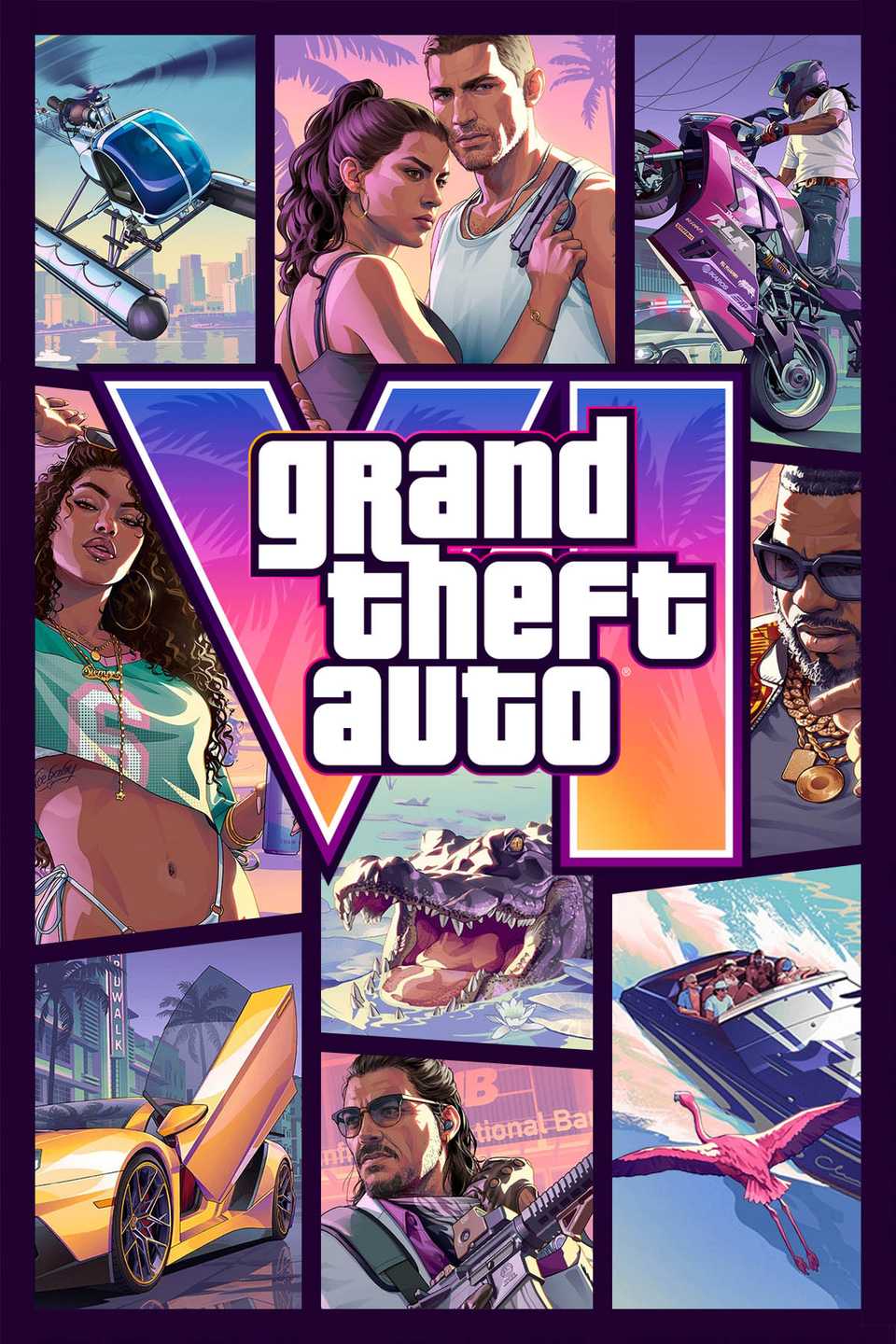



- Released
-
November 19, 2026
- ESRB
-
Rating Pending – Likely Mature 17+