


Crimson Desert developer and publisher Pearl Abyss is offering its fans an explanation behind the inclusion of generative AI assets in the finished game, as well as an apology for not being more transparent about its use. Some players began picking up on signs of generative AI use in Crimson Desert almost immediately after its launch, but Pearl Abyss insists that it was never anything players were meant to see.
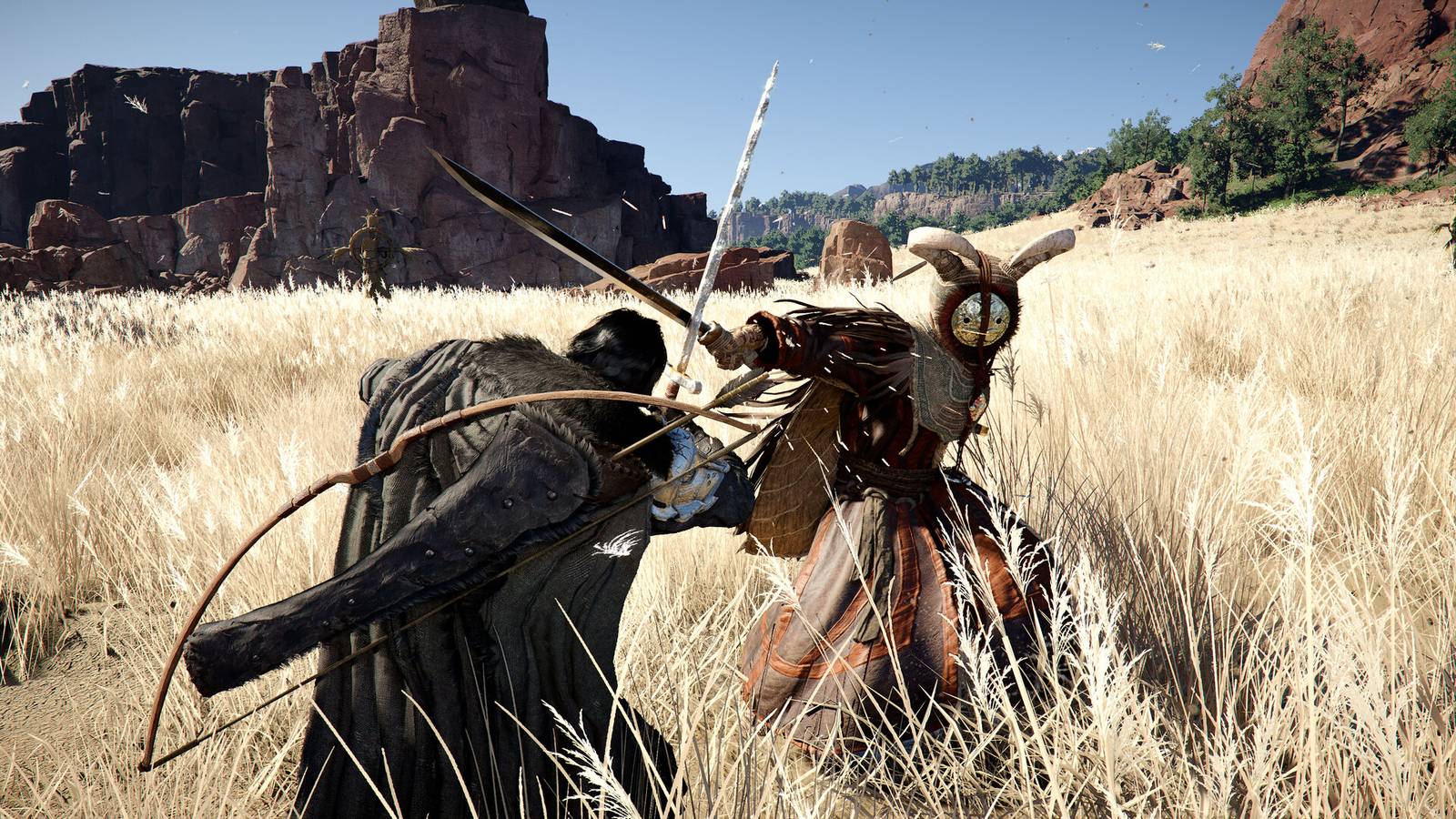
First imagined as a prequel to 2014 MMORPG Black Desert Online, Crimson Desert took on an identity all its own during its six to seven-year development period, morphing into a standalone single-player action-adventure game set in a vast medieval fantasy-inspired open world. The game’s pre-launch popularity was clearly high, as Crimson Desert sold two million copies within its first day, and while there have been complaints about its controls and performance, it’s still registering an early 75 percent approval rating on Steam and a Player Rating of 90 on OpenCritic.
Crimson Desert Developer Pearl Abyss Comments on Denuvo Controversy
Crimson Desert developer Pearl Abyss issues a statement after the sudden reveal of Denuvo in the game’s PC version prompts backlash from fans.
Crimson Desert’s Dev Team Explains Generative AI Usage
But one newly surfacing piece of information that could hurt the game’s popularity in the future is Pearl Abyss’ use of generative AI tools and assets in creating Crimson Desert. Accusations began appearing just days after its March 19 launch, with players pointing out framed paintings in Crimson Desert that had something a little bit off, including those of horses that seemed to be melding with their riders and someone stuffing straw into the top of a strange, four-legged creature with a pained expression on its face. Pearl Abyss has now addressed these accusations, stating in a lengthy Twitter post that AI tools were used to generate some 2D visual props, although these assets were supposed to be used as placeholders and were never meant to make it into the finished version of the game. “This is not in line with our internal standards, and we take full responsibility for it,” the post on the developer’s account states.


Balance the critic averages
Balance the critic averages
Easy (6)Medium (8)Hard (10)
In addition, Pearl Abyss issued an apology to its fans for not being forthcoming about its use of generative AI. “While these tools were primarily used during early production, with the expectation that these assets would be replaced prior to release, we recognize that this does not excuse the lack of transparency,” the developers stated. Pearl Abyss has not confirmed exactly which assets included in the game were created through the use of generative AI, but it will be conducting a full audit of the game and plans to replace any such assets through patch updates for Crimson Desert.
Crimson Desert is not the first game to be criticized for generative AI assets accidentally making their way into the finished product. In June 2025, 11 Bit Studios faced a nearly identical problem after confirming that outer space narrative survival game The Alters unintentionally included generative AI assets in its finished form. Much like Pearl Abyss, 11 Bit Studios stated that a placeholder image featuring AI-generated text used in one of the mobile base’s modules was overlooked before the game was released, along with admitting to using AI to translate foreign-language recreational movies, which were created by a third-party comedy troupe and arrived too late to be translated otherwise without moving back the launch date.
For many gamers, any use of generative AI at all is a dealbreaker, as some feel that it both hinders creativity by taking away the human touch and takes away jobs from talented people in the video game industry. Others ae less bothered by its use in moderation, seeing it as a tool that can help development teams more efficiently manage menial tasks, allowing human developers to focus on more artistic aspects of game creation. Whichever philosophy wins out in the end, these tools are in heavy use now, as a report covering the first half of 2025 found that one in five games released on Steam used generative AI in their development process.

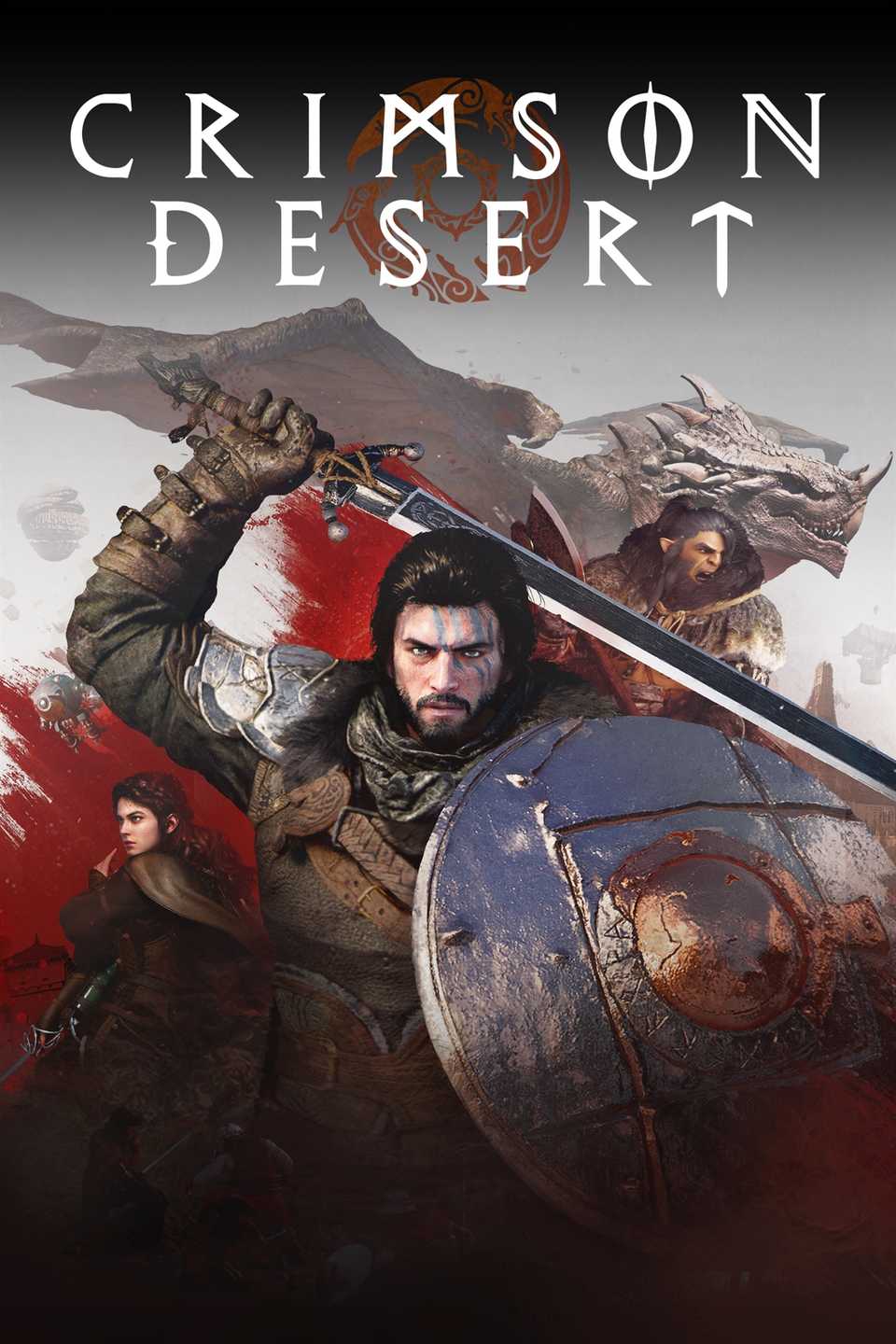
- Released
-
March 19, 2026
- ESRB
-
Mature 17+ / Blood, Drug Reference, Intense Violence, Strong Language
- Developer(s)
-
Pearl Abyss
- Publisher(s)
-
Pearl Abyss