




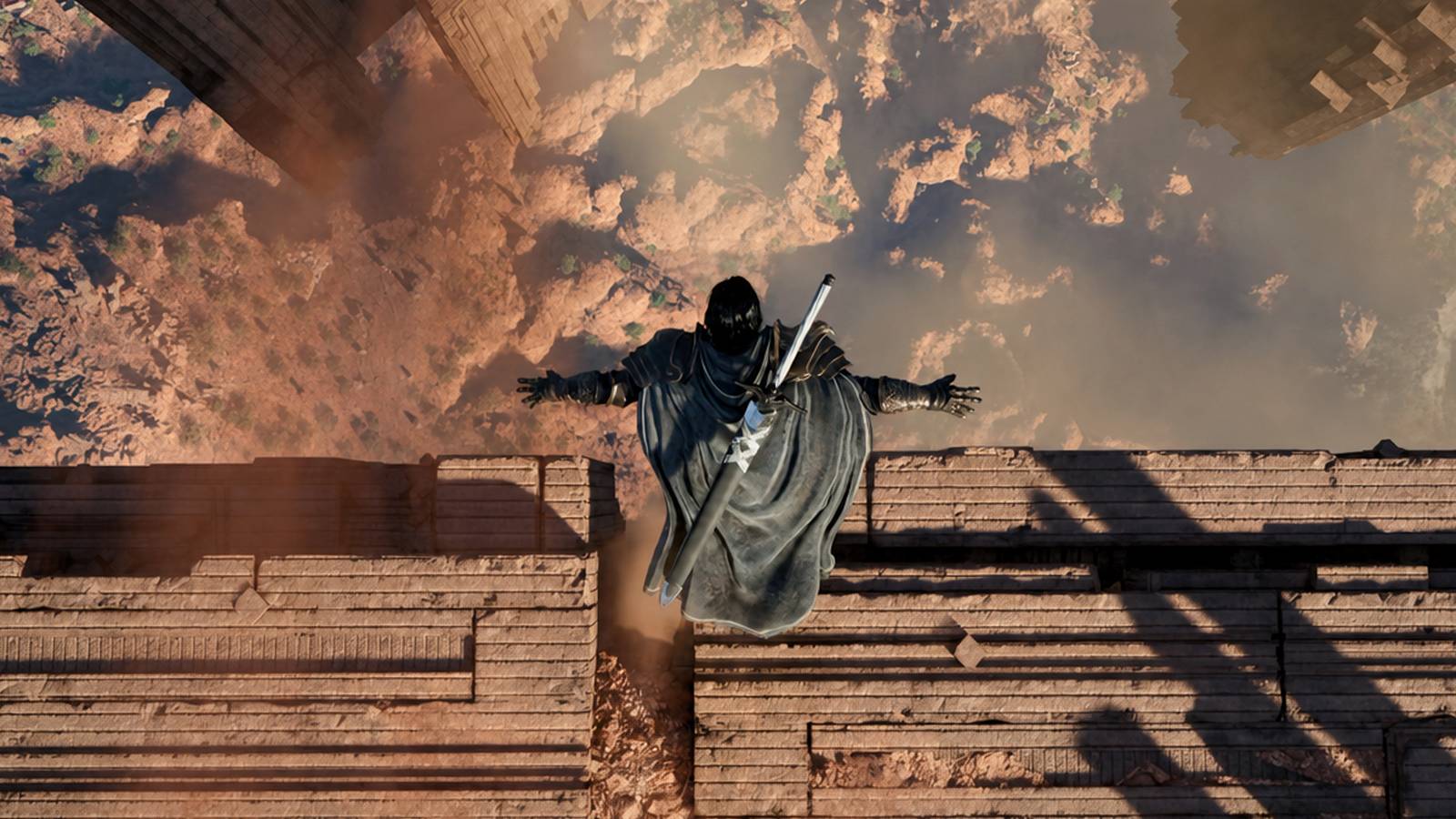
Pearl Abyss just won eight awards for Crimson Desert in a single night, which is more than any other game has ever won at the Korea Game Awards. And yet, when you look at the nominations for this year’s The Game Awards, you’d almost think the game had barely accomplished anything worth recognizing. It’s up for exactly one award, and that award isn’t even for something players actually experience in the game. Instead, Pearl Abyss has been nominated for Best Community Support, which, to be fair, it absolutely deserves after everything the developer has done since Crimson Desert launched in March. But I also find it a little ridiculous that a game with one of the most impressive open worlds I’ve ever experienced apparently couldn’t earn a single nomination for its actual gameplay or design. Especially now that so many of the issues that once held it back have been addressed.
On November 18, Crimson Desert took home eight awards at the 2026 Korea Game Awards, breaking the previous record of six shared by Lost Ark and Lies of P. Among those awards were the ceremony’s Grand Prize, Global Game Award, and all four of its technical and creative achievement awards. That’s an extraordinary accomplishment for Pearl Abyss, and one I believe the developer has earned. But the timing is particularly interesting because The Game Awards 2026 nominated Crimson Desert for Best Community Support and nothing else. I realize these are two very different ceremonies with different standards, but considering how much Crimson Desert has changed over the last eight months, I think the contrast says something about just how difficult it can be for a game to escape the reputation it established at launch. And I’m beginning to wonder whether Crimson Desert will ever completely shake that reputation, no matter how much better it gets.
Crimson Desert Has Come a Long Way Since Its Mixed Launch
-
-
-


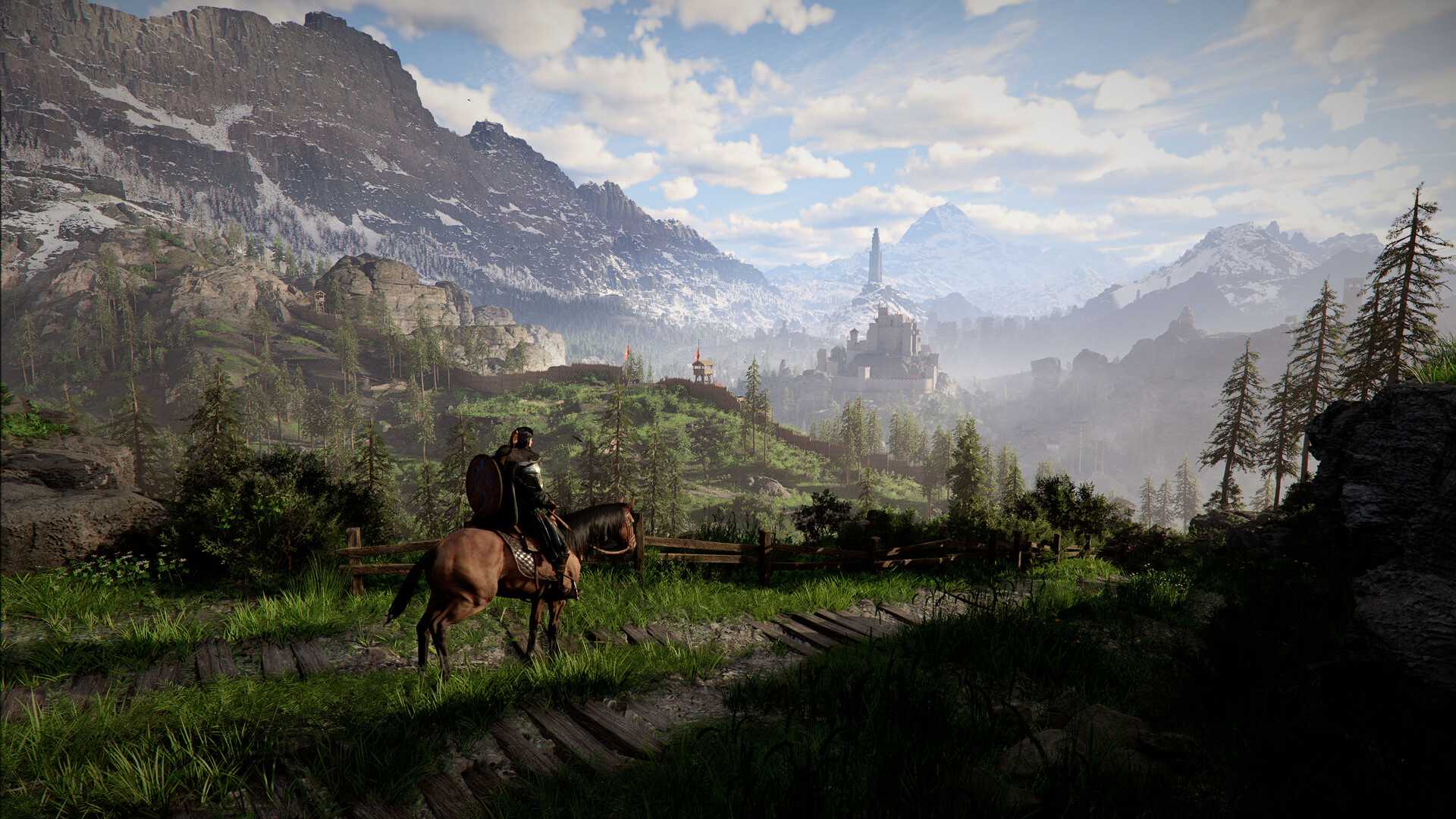
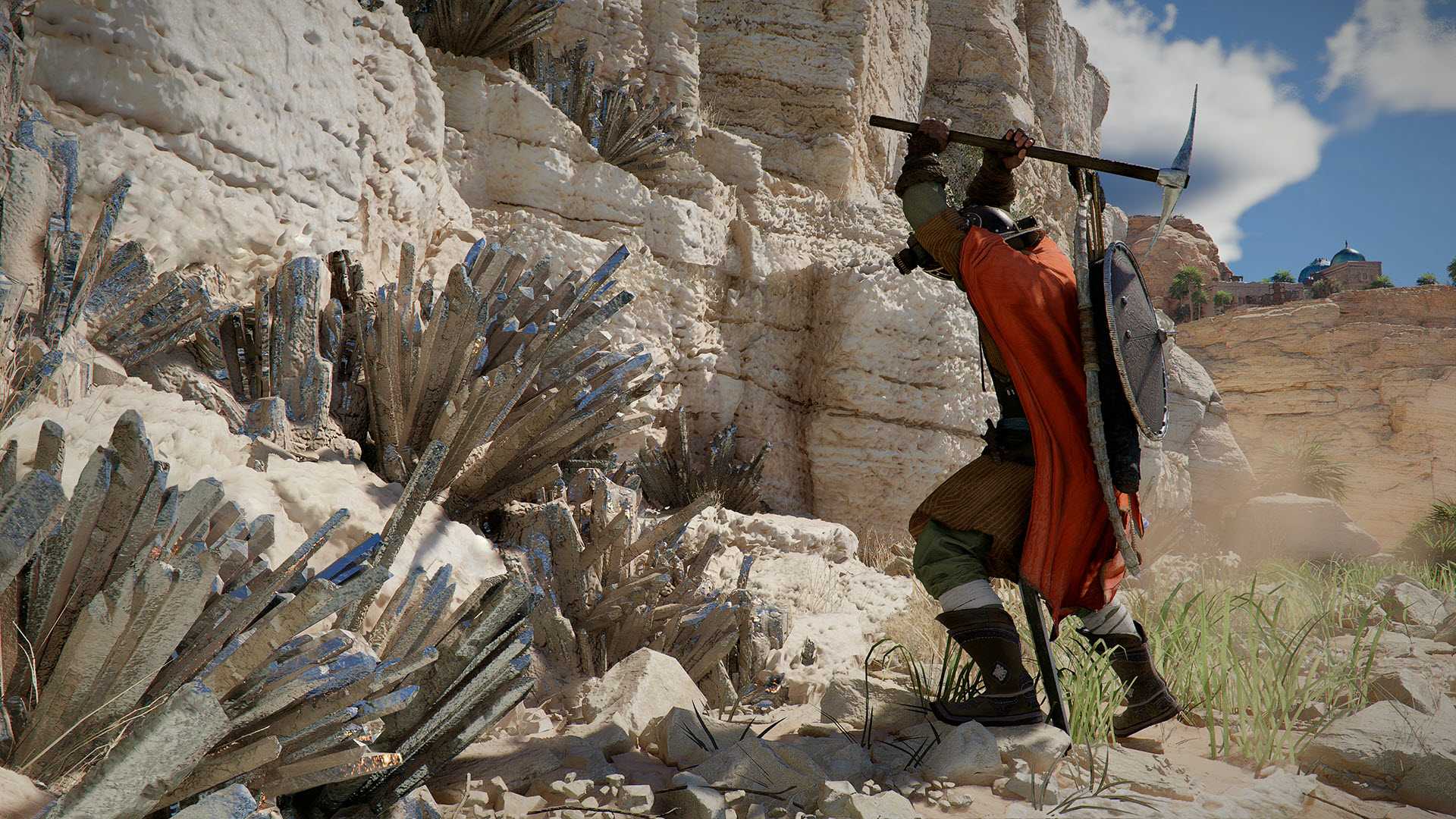
I’ll be the first to admit that Crimson Desert was a frustrating game when it launched, but I would also argue that it was one of the most ambitious open-world games we’d seen in years. Pywel was practically everything I’d ever wanted from an interactive open world, with the sheer amount of things players could do making even the most detailed games from developers like Rockstar and Bethesda look comparatively restrained in certain areas. But beneath all that freedom were systems that seemed determined to make enjoying it considerably more difficult than it needed to be. Inventory management was unnecessarily restrictive, controls were often cumbersome, and the game’s difficulty could feel downright unreasonable at times. I mean, there’s a difference between a game challenging players to get better and one making them spend hours figuring out how to work around its own design. Crimson Desert had plenty of both, and despite how much I loved its world, those frustrations were impossible to ignore.




Great games. Better prices.
Find your next game on Instant Gaming.
Well, Pearl Abyss actually listened, and I mean really listened. Within days of launch, the developer was already adding storage and improving controls, and the updates only became more substantial from there. Storage eventually expanded to accommodate up to 1,000 items, while customizable control options made navigating Pywel and interacting with its countless systems considerably more manageable. Difficulty settings arrived in April, giving players the freedom to experience the game at a level they were comfortable with rather than forcing everyone to endure the same punishing encounters. Even the progression and combat systems received significant attention, addressing many of the unnecessary restrictions that made the original experience so exhausting. These weren’t minor adjustments to a game that was already working perfectly well. Pearl Abyss was fixing some of the very things that had prevented Crimson Desert from reaching its potential in the first place, and I genuinely respect how quickly it responded.


The Crimson Desert Enhanced update in August was arguably an even bigger step forward, because Pearl Abyss went beyond quality-of-life improvements and started addressing the game’s underlying content. The update expanded the main story with additional scenes and dialogue, improved its narrative flow, and even introduced a new progression resource called Abyss Links that made developing the other playable characters far less frustrating. That’s particularly important because Crimson Desert originally had a bad habit of making experimentation feel unnecessarily expensive, despite giving players an absurd number of weapons, abilities, and other tools to experiment with. Pearl Abyss has since continued expanding the game with additional content, including October’s Charting the Unknown DLC, while releasing further improvements well into November. At this point, many of the complaints that defined Crimson Desert‘s launch have been resolved or substantially reduced, and anyone approaching it today is getting a much more refined experience than players did eight months ago.
When you look at the nominations for this year’s The Game Awards, you’d almost think the game had barely accomplished anything worth recognizing.
I also think it’s important to recognize that Crimson Desert hasn’t exactly been struggling to earn appreciation from players, either. Its Steam reception has remained Very Positive overall, and the game even won PC Game of the Year at the 2026 Golden Joystick Awards earlier this month. Clearly, there are plenty of people who recognize what Pearl Abyss has accomplished, and I wouldn’t suggest that The Game Awards represents some universal judgment against the game. But I also can’t ignore how strange it is that the same title winning awards for its graphics, sound, and game design in Korea isn’t being recognized for any of those things at The Game Awards. I would have loved to see Crimson Desert receive a nomination for Best Art Direction or Best Action/Adventure, especially considering how much of its original appeal came from its extraordinary world. Instead, its only nomination acknowledges the work Pearl Abyss has done to support the game after release, which is a little bittersweet when you consider how much of that work has actually improved the game itself.
Crimson Desert’s Reputation Hasn’t Improved as Much as the Game Has
The unfortunate thing about all of this is that a game’s initial reception can follow it around for years, even when the experience itself changes considerably. Crimson Desert launched to mixed reviews, and while plenty of critics acknowledged its ambition, many understandably struggled with the same frustrating systems that Pearl Abyss has spent the last several months improving. Those reviews weren’t necessarily wrong, either. Critics reviewed the game that existed at the time, and I don’t believe anyone should be expected to ignore legitimate problems simply because a developer might eventually fix them. But those scores and early impressions remain attached to Crimson Desert, even though the game they’re describing no longer exists in quite the same form. And considering how heavily award nominations tend to revolve around the reputation a game establishes during its release year, I suspect those early impressions are still influencing how Crimson Desert is being perceived, even if there’s no way to know exactly why individual voters passed over it.
Personally, I find that a little disappointing, because Pearl Abyss has done practically everything I could have hoped it would do after such a divisive launch. The developer didn’t abandon Crimson Desert, dismiss the complaints, or simply add more content while leaving the biggest frustrations untouched. It actually went back and improved the systems that needed attention, and the game is significantly better for it. I’m not suggesting that eight awards in Korea somehow prove Crimson Desert deserved a Game of the Year nomination at The Game Awards, because there were plenty of outstanding games released in 2026 and not all of them could make the cut. But surely there’s room to acknowledge what Pearl Abyss accomplished with the game’s open world beyond how well it responds to player feedback.

Crimson Desert was already an incredible technical achievement when it launched, and the improvements since then have made it much easier to appreciate everything that achievement offers. Unfortunately, while Pearl Abyss has spent eight months making Crimson Desert a better game, its initial reputation has proven considerably harder to change. And I think its lone nomination at The Game Awards, especially when compared to its record-breaking success in Korea, is a pretty good indication of just how much work the developer still has ahead of it in that regard.

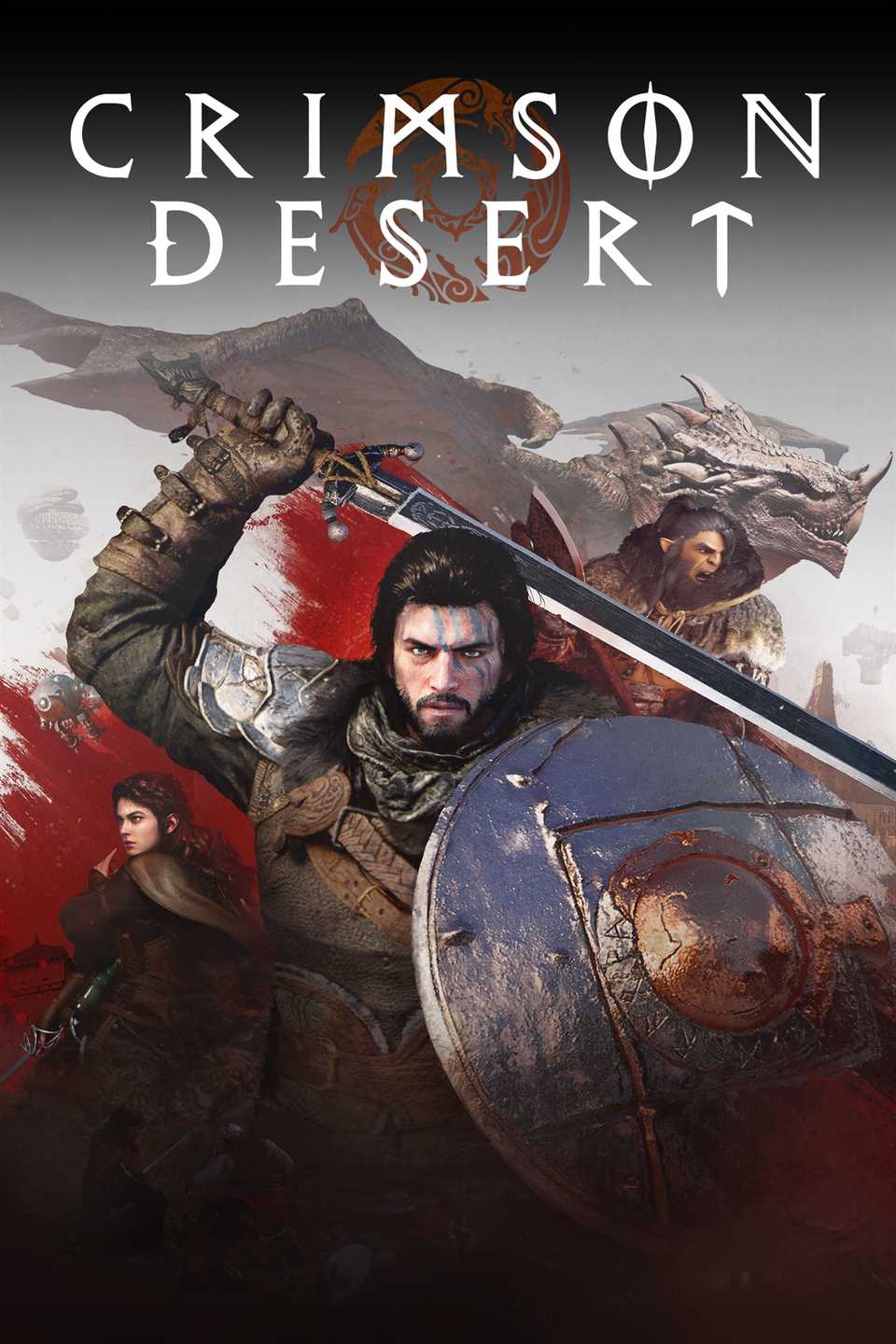
- Released
-
March 19, 2026
- ESRB
-
Mature 17+ / Blood, Drug Reference, Intense Violence, Strong Language
- Developer(s)
-
Pearl Abyss
- Publisher(s)
-
Pearl Abyss