



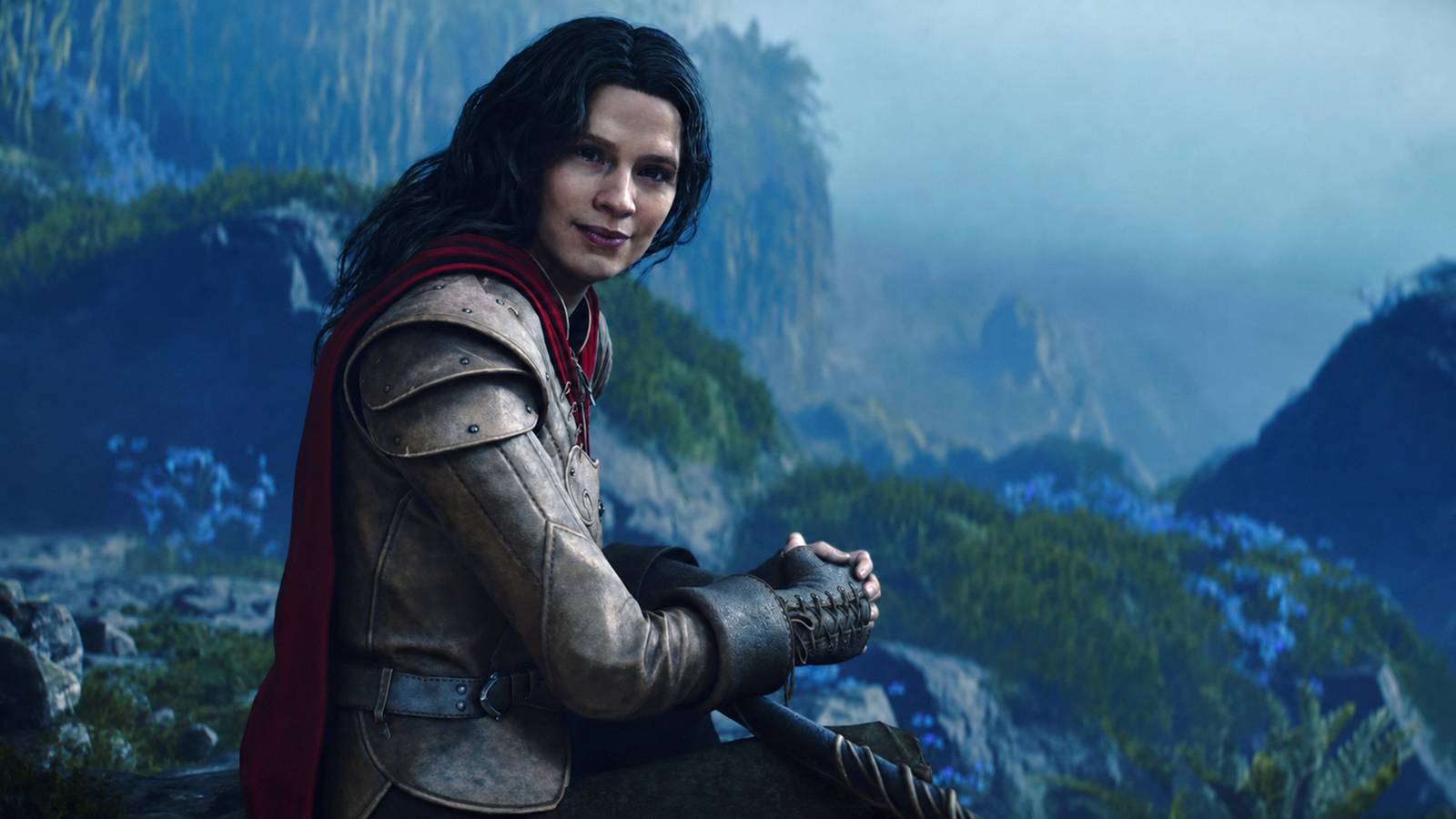
Open-world RPGs are a tricky animal to tame when it comes to their endings, primarily because the larger they get, the less likely players are to ever actually see them. It’s not necessarily because those players don’t like the game, either. I’ve personally poured dozens of hours into open-world RPGs that I never finished, whether because I got distracted by another game or simply spent so much time doing everything except the main story that I eventually moved on. That’s part of the appeal of these games in the first place, of course, but it also means developers can pour a ton of effort into something that only a fraction of the audience will ever experience.
Apparently, Fable game director Ralph Fulton is very aware of that problem. In a recent interview with The Guardian, Fulton specifically talked about how easy it is to look at industry metrics showing that virtually everyone starts a game while far fewer actually finish it, and then decide the game’s ending doesn’t deserve the same investment as everything leading up to it. Playground Games didn’t do that with Fable, though, as Fulton said the team “relentlessly pursued quality” in the ending because, as he put it, “Most importantly, we stick the landing.” I obviously have no idea whether Playground has actually done that yet, but as someone who has been playing Fable since the first game launched in 2004, I really like hearing that the studio isn’t treating the ending like the part of an open-world RPG that fewer people are going to see anyway.
Fable’s Ending Has Something Most of the Game Doesn’t
-
-

-


Fulton used 25% as his example for the percentage of players who might actually finish a game, and even though he wasn’t presenting that as Fable‘s exact completion rate, the larger point is pretty easy to understand. The beginning of a game is basically guaranteed an audience. Every hour after that has fewer people left to play it, so by the time a developer gets to the ending, it has something working against it that the opening never had.


Guess the games from the emojis.
Guess the games from the emojis.
Easy (120s)Medium (90s)Hard (60s)
I can’t even pretend I’m above that kind of player behavior, because I’ve done it plenty of times. Open-world RPGs are especially dangerous for me because I tend to get obsessive about completing every bit of optional content there is before I’ve even touched the main story, which means it can end up sitting untouched for hours while I run around doing something that probably doesn’t really matter all that much. Fable has always been especially good at encouraging that side of me, which is probably why I’ve put hundreds of hours into the series as a whole since sinking my teeth into the original game over two decades ago.
Fulton said the team “relentlessly pursued quality” in the ending because, as he put it, “Most importantly, we stick the landing.”
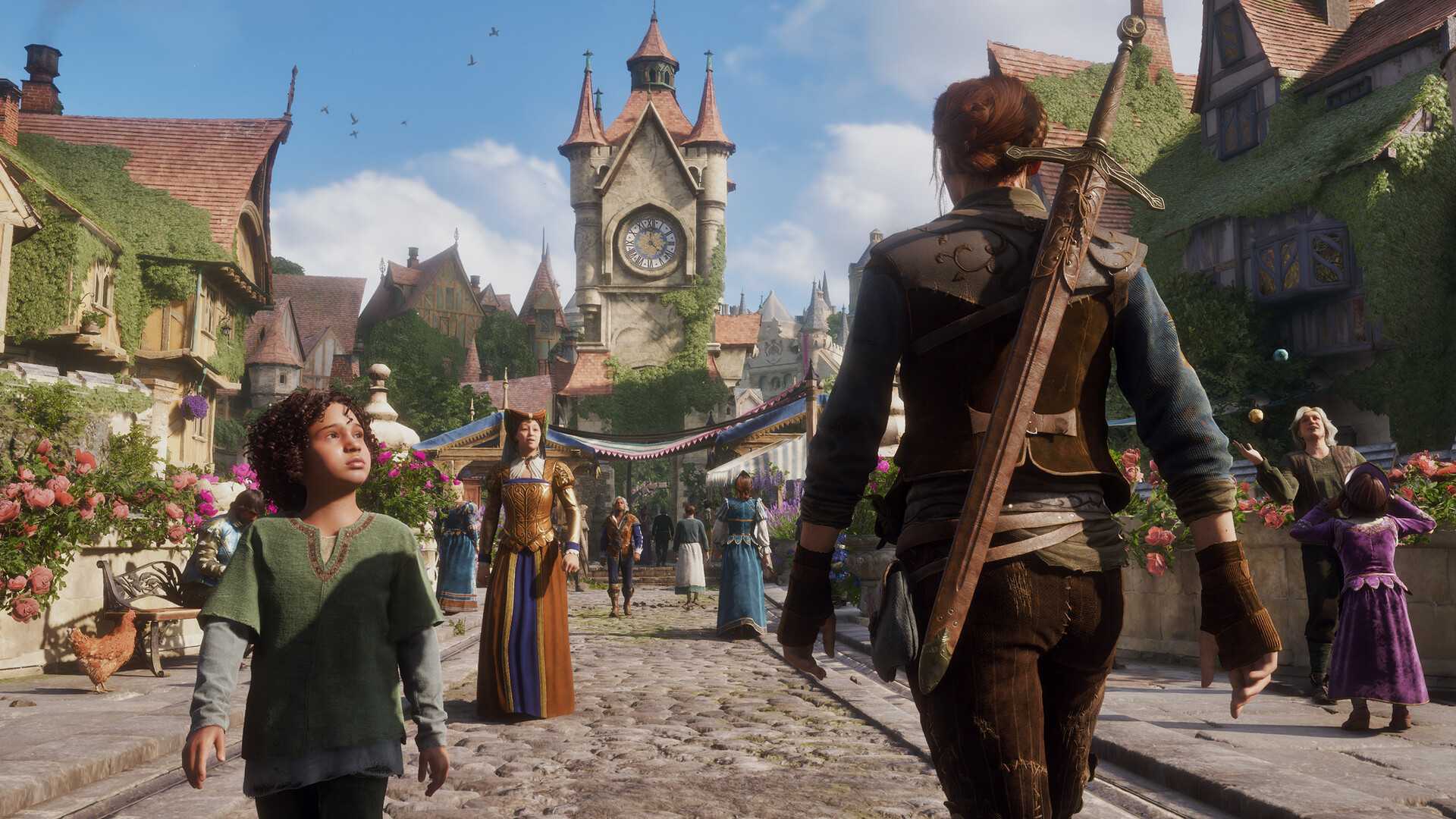
The reboot seems like it is going to be even more dangerous, for a completionist like me, in that respect. Playground has already talked about how much time players can spend simply living life in Albion, and the game’s official social media account has joked about starting out wanting to become a legendary Hero only to end up checking rental income and worrying about property investments a few hours later. That sounds very much like Fable to me, but it also sounds like exactly the kind of open-world RPG where a lot of people are going to get distracted long before the story is over.
But the thing is, Playground is fully aware that some players won’t even finish Fable, and it apparently knows that before the game has even released. The temptation Fulton described isn’t hypothetical in the sense that developers have no idea where people stop playing anymore. They have metrics for that stuff now, so if a team knows only part of its audience is going to see the ending, I can understand why focusing more on it than the rest of the game leading up to it might be difficult to justify.
I still haven’t finished The Elder Scrolls 4: Oblivion Remastered, for example, despite having finished the original game multiple times. And I know I’m not alone, as the game apparently has an incredibly low completion rate.
At the same time, I think endings have a weird amount of power over the rest of a game, especially one this long. I can forgive an open-world RPG for having a quest I don’t like somewhere around hour 30 and probably won’t even remember it once I’m finished. If the ending disappoints me after I’ve spent 50 hours getting there, though, there’s a pretty good chance that’s going to be one of the things I remember most. It’s the part that an RPG absolutely needs to get right, even if the open-world part really has little or nothing to do with it.
Fulton also gave The Guardian a little more information about what Playground is trying to accomplish with Fable‘s ending, without revealing enough to spoil it, of course. For most of the game, the main quest is apparently supposed to feel low-stakes enough that players are comfortable wandering away from it and doing whatever they want in Albion. Only when the story reaches its final stretch does Fable lock players into it, and Fulton says the whole thing eventually comes down to a choice that asks players to think about who they have become, with a personal cost attached to whatever they decide:
In great Fable fashion, it culminates in a choice that really challenges you to think about who you are, with a real personal cost to weigh against the outcome.
This is probably the part of Fulton’s answer that has me most curious about Fable‘s ending, because a choice with an actual personal cost sounds a lot more interesting than simply deciding whether I want to be the good guy or the bad guy. The older Fable games obviously leaned pretty hard into that kind of morality at times, and I love them for it, but I’ve also been playing this series for more than 20 years now. I’d like the reboot to put something in front of me that I can’t immediately answer based on the Hero I’ve decided to be, especially if I’ve already spent dozens of hours getting to that point.
Of course, none of this means Fable is guaranteed to have a great ending, and Fulton saying Playground worked hard on it isn’t enough for me to assume they pulled it off. But I do like knowing the studio was apparently thinking about the ending in spite of all those numbers telling it how many people might never get there. I’m almost certainly going to spend way too much time away from the main story once I’m back in Albion, just as I always have with this series, but I also know I’ll eventually finish it. After waiting until 2027 to play the thing, I certainly hope the last few hours give me something worth all that time.

- Released
-
February 23, 2027
- ESRB
-
Mature 17+ / Blood, Sexual Themes, Strong Language, Violence
- Publisher(s)
-
Xbox Game Studios
- Engine
-
unreal engine 4, forza tech