







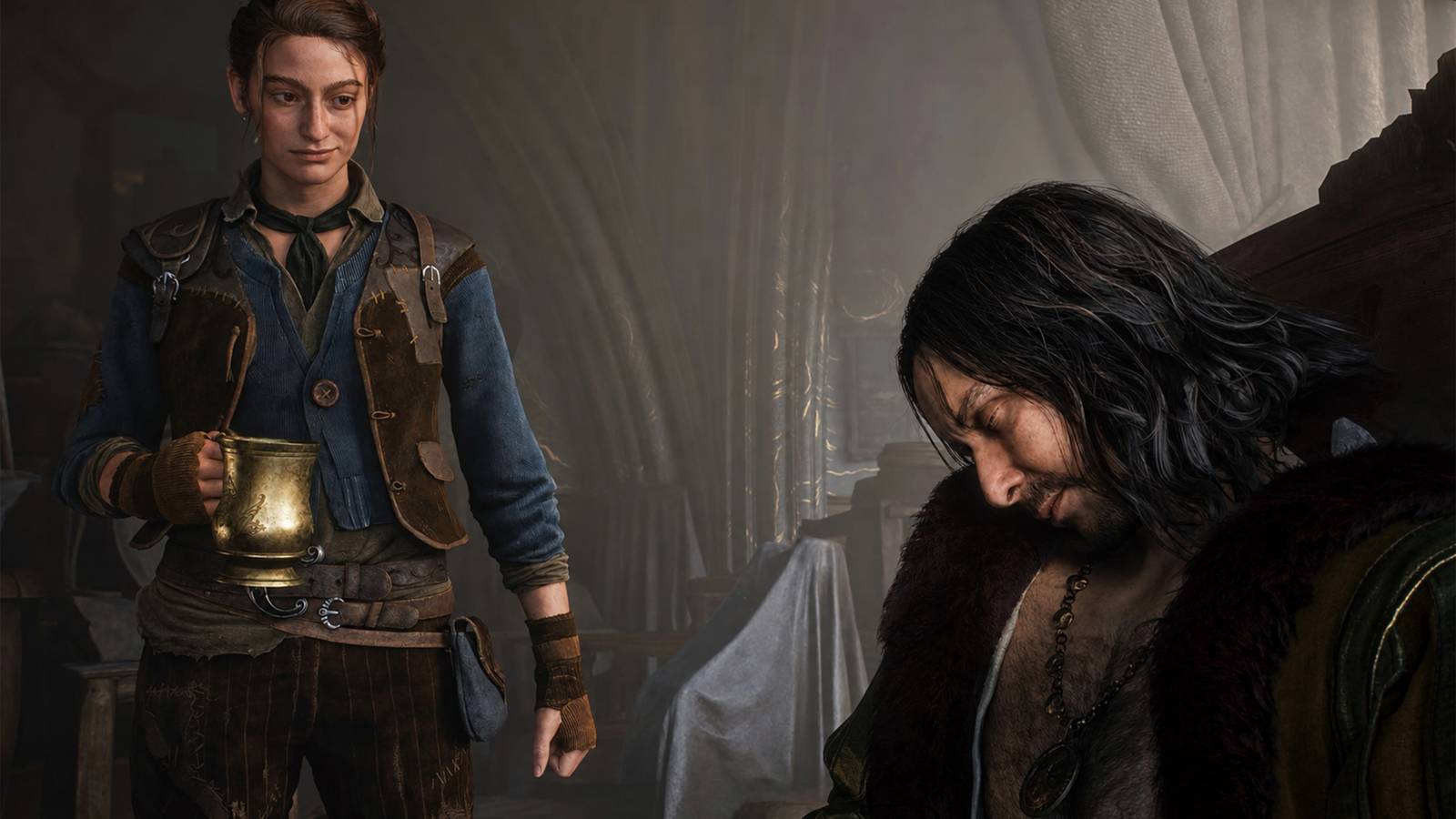
In spite of how “controversial” Fable‘s new morality system is, I honestly couldn’t care less. It’s not that I never appreciated the morality system established by Lionhead’s original Fable games. I quite enjoyed earning that shiny halo and supreme attractiveness for being good, or those terrifying horns and horrible stench for being evil. However, I understand what Playground is trying to do here with the Fable reboot’s new morality system, because I understand that it’s not technically a morality system. Honestly, I think that’s where the disconnect begins, as some players might not have a good understanding of the reworked system, thinking it’s still about morality. At one point, it was, but it was also still about the way people saw you—and in the Fable reboot, it still very much is.
Yes, the original Fable games had underlying standards for morality, but the change in your character’s appearance wasn’t to inform you of your decisions—you already knew that much. Rather, it was to inform Albion, and its inhabitants would actively respond accordingly. Well, in Playground’s Fable reboot, that concept is still entirely intact, only without a change in the character’s appearance. Now, NPCs won’t react to you because of the way you look, but because of how you treat them and others, which is essentially reaching for the same idea at its core, even if the way it gets there has changed. And perhaps the most ironic thing about the controversy surrounding this change is that players are already proving Playground isn’t all that wrong. In response to a recent post from Fable‘s official X account, some fans have already begun establishing their own moral boundaries. And as it turns out, those boundaries aren’t nearly as straightforward as good or evil.
Fable Players Are Already Making Their Own Rules for Right and Wrong
The main reason Playground Games’ fresh take on Fable‘s morality system has upset some players is because it makes morality subjective to the person either committing or witnessing an action. Ultimately, this means Albion’s inhabitants won’t all respond to the player’s actions in the same way. While one NPC might react to the player’s behavior with disgust, another NPC might celebrate it. Assuming attractiveness is still on the table in the reboot, while one NPC might find the player character attractive, another NPC may not. By and large, it’s probably closer to reality than even the original Fable games were.


Guess the games from the emojis.
Guess the games from the emojis.
Easy (120s)Medium (90s)Hard (60s)
Another reason it has upset some players is because, to some, it feels like Playground is trying to categorize the right or wrongness of certain actions as up for debate rather than clarifying an objective right and wrong. For example, murder is absolutely and objectively wrong, so the idea that Fable could potentially make it more of a gray area is upsetting to some players. Honestly, that’s perfectly understandable, and the way those players see it is arguably the way it should be. However, it still doesn’t necessarily mean Playground is suggesting those actions are morally acceptable just because some of Albion’s inhabitants might see them that way. That’s the difference.
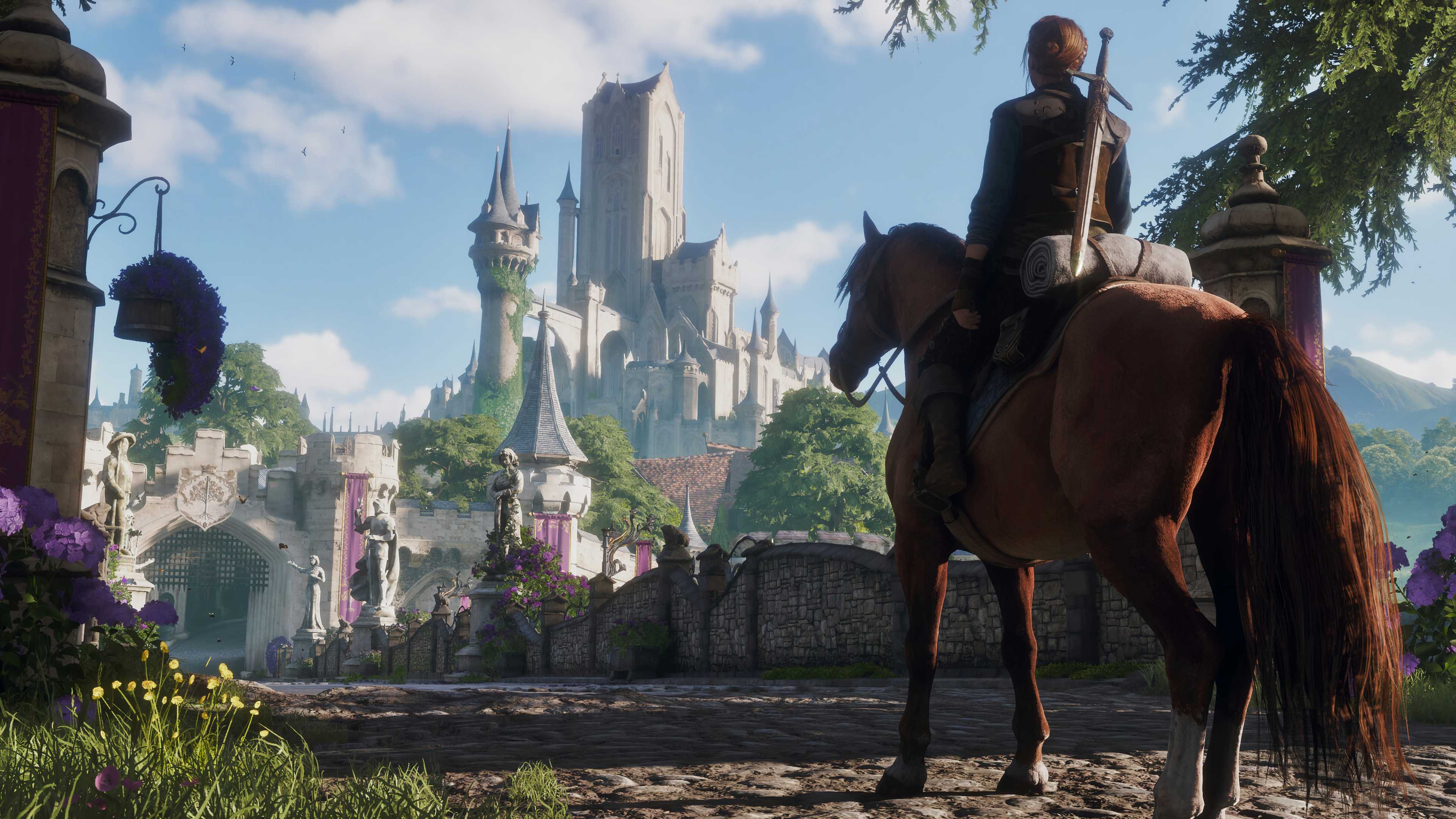
But regardless of how controversial this design choice seems to be on the surface, players are actually proving how effective it is, even before Fable actually launches. In the aforementioned post on the official Fable X account, Playground asked, “The most powerful magic in Albion isn’t always a spell, sometimes it’s the paperwork. And today the paperwork asks: Will you move in? Rent out? Or evict an innocent family, forcing them to live on the streets?” As it turns out, many of those who legitimately responded to the prompt are wholeheartedly walking the line between good and evil, inventing their own rules for when they’ll be kind, when they’ll exploit their tenants, and what might justify crossing that line.
Fable Players Are Already Justifying Their Own Questionable Decisions
For example, @RealTrevStorm said, “Raise the rent, can’t pay BEGONE. Gotta fund my hero’s journey somehow…” Meanwhile, @Hebikit1 said their tenants’ rent would depend on “how much I like them,” which is about as subjective as it gets. Then there’s @OMA_Monster, who plans to buy every property in Albion and charge fair prices, but only as long as nobody harms Colin the pig. If that happens, they’re apparently willing to send Albion into its biggest recession yet.
-
-

-


Perhaps my favorite response, though, came from @QTeezyFaSheezy, who expressed their opposition to landlords and real estate speculation in real life, only to suggest that Albion’s poorer residents should consider living on “beans and toast.” Sure, some of these responses are obviously meant to be funny, but that’s also what makes them so interesting. These players aren’t necessarily choosing to be good or evil but are instead already coming up with their own reasons for why certain actions might be justified.
Regardless of how controversial this design choice seems to be on the surface, players are actually proving how effective it is, even before Fable actually launches.
Now, of the 93 community replies I looked at, 13 players openly expressed their intentions to evict tenants, raise rent to unreasonable levels, or otherwise take advantage of Albion’s inhabitants. Meanwhile, only four expressed a clear desire to be fair or generous landlords. In other words, of the 17 players who made their intentions clear one way or the other, roughly 76% were already leaning toward the less generous approach. Of course, that’s a fairly small sample, and plenty of the other replies had nothing to do with the question. However, I think it’s interesting that so many of those who did respond with their intentions are already deciding what they’re willing to do, and in some cases, coming up with reasons to justify it.
So, more than anything, this is just proving exactly what I thought was happening. Sure, there are plenty of players who are upset about Fable‘s new reputation-based “morality” system, and as someone who was there playing the original Fable when it launched in 2004 on the Xbox, I can understand the resentment. At the same time, other players who are already engaging with the new morality system—via Fable‘s social media posts, for example—are proving that it might not be worth getting that upset about, for one thing, but also that there is definitely a substantial audience out there that is perfect for what Playground is doing here. In the end, I suppose we should all just stick around until we actually experience it firsthand before we start ignorantly throwing stones that may get thrown right back at us.

- Released
-
February 23, 2027
- ESRB
-
Mature 17+ / Blood, Sexual Themes, Strong Language, Violence
- Publisher(s)
-
Xbox Game Studios
- Engine
-
unreal engine 4, forza tech