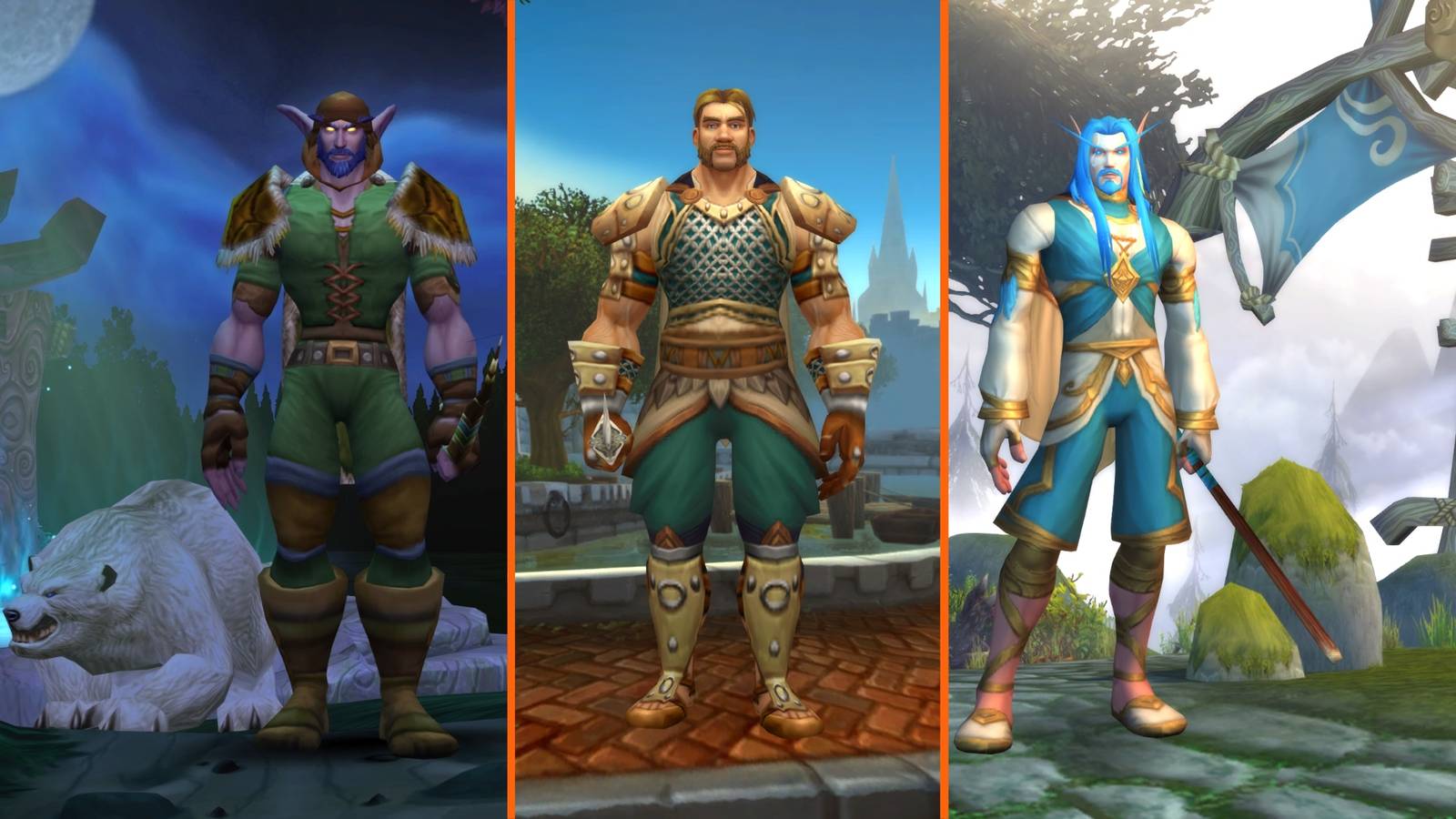

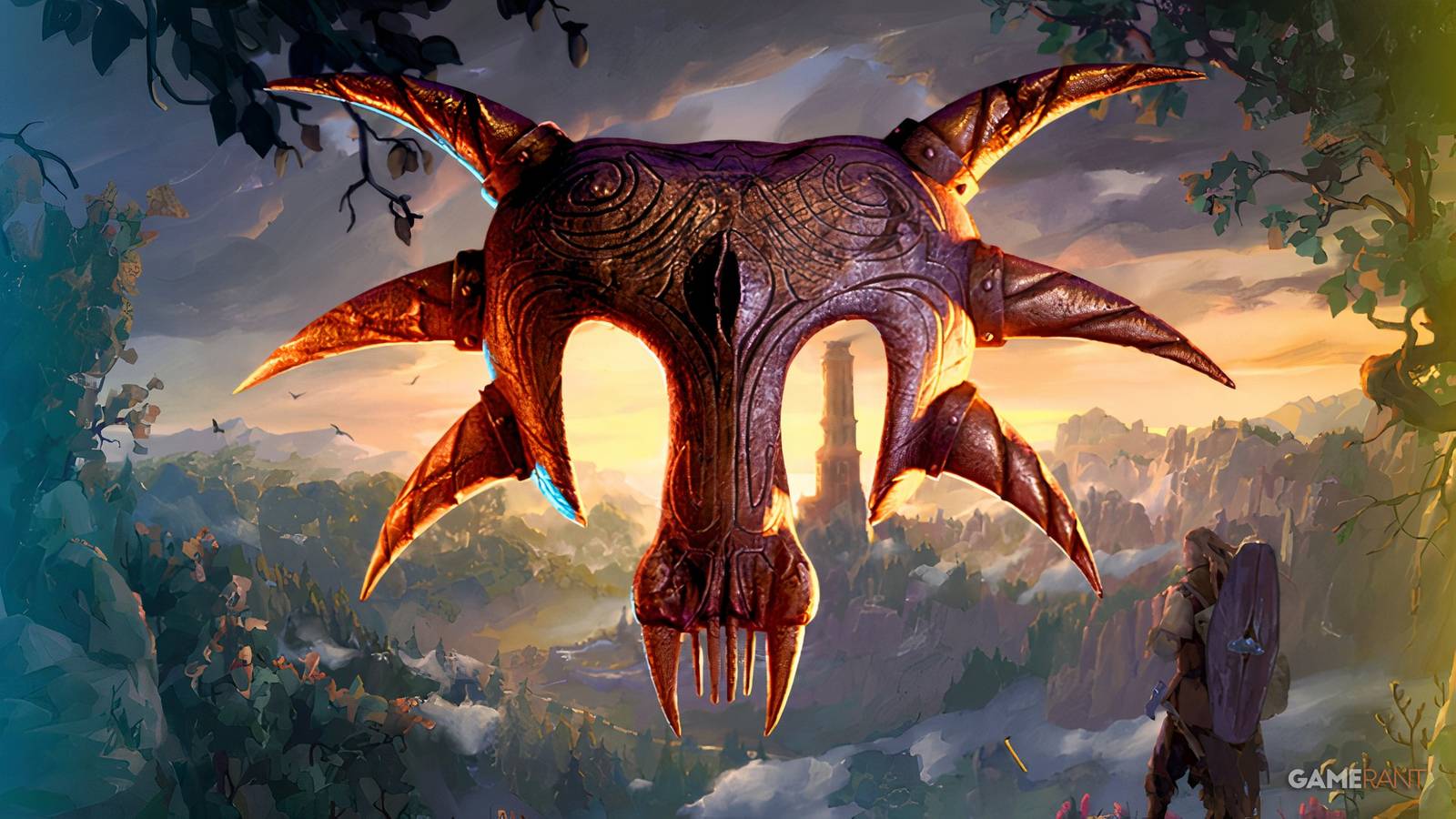



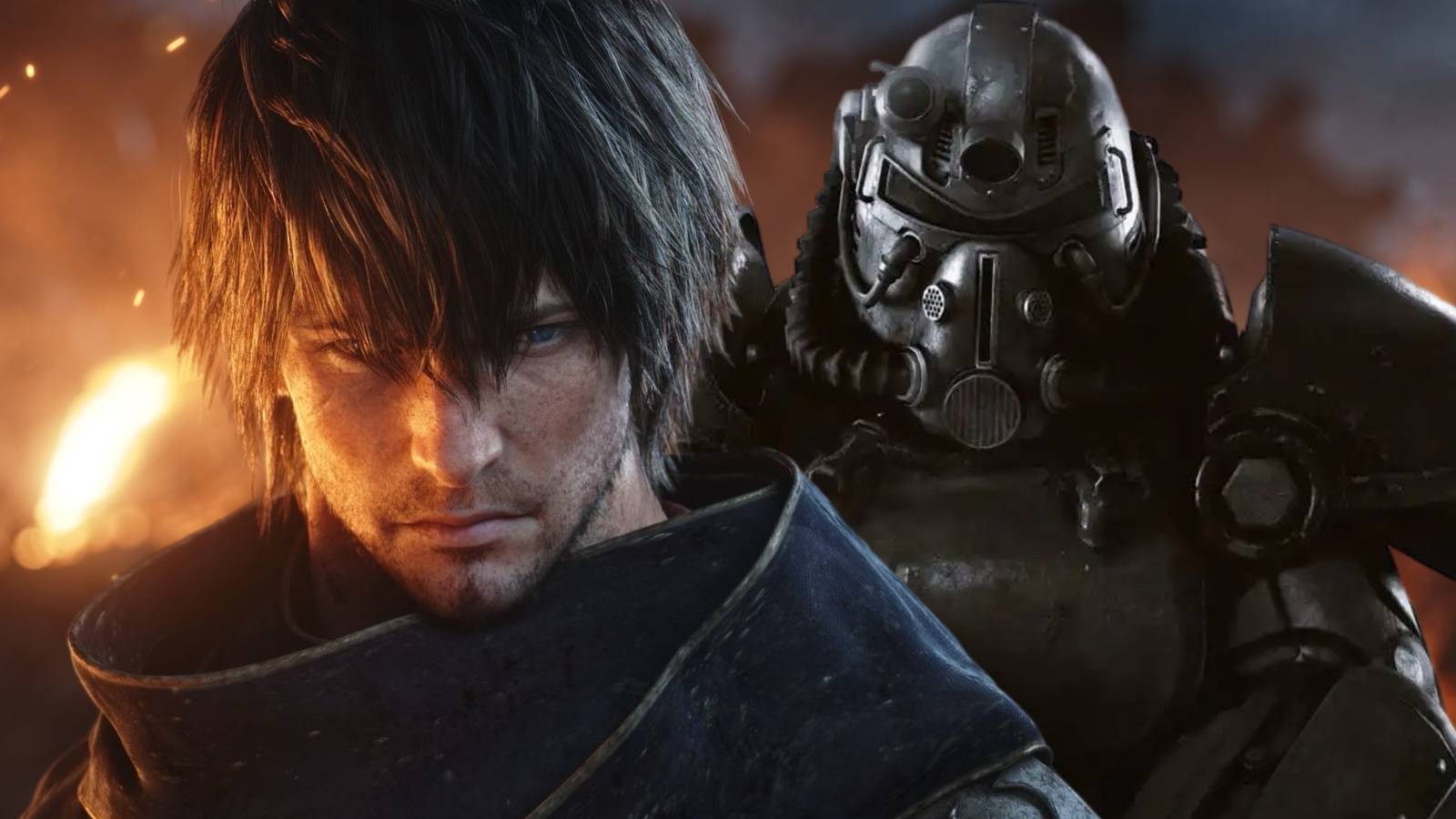
Fallout 76 and Final Fantasy 14 come from wildly different franchises, but the two share the common ground of being long-running live-service spin-offs that don’t really show any sign of slowing down. While Fallout 76 has been going strong since 2018, Final Fantasy 14 boasts an even more impressive run with its over-a-decade-long streak. As the live-service trend quickly falls out of favor with gamers, Fallout 76 and Final Fantasy 14 have still held onto a solid and dedicated player base, and both games’ recent updates are clear examples of how these two titles have managed to survive for so long and why new live-service IP is struggling to compete.
The Fallout 76 PS5 and Xbox Series X/S upgrade recently came out, while Final Fantasy 14 hosted another round of Final Fantasy 15 crossover content. While one game continues to stay relevant through native current-gen upgrades, the other relies on past content that has proven successful. It may not be new and shiny, but Fallout 76 and Final Fantasy 14 demonstrate that after a certain point, live-service longevity isn’t always built on a constant stream of fresh content.
Fallout 76 and Final Fantasy 14 Have Reached a Point That Current Live-Service Games Might Never Get the Chance To
A lot of new live-service games have been struggling. Between Marathon‘s future plans attempting to save the game and notorious titles like Highguard shutting down merely weeks after launch, it’s becoming increasingly more difficult to find the audiences necessary to build up the next great live-service title. There are many different reasons why this is the case, but one of the simplest factors is that a lot of players are simply invested in other live-services games.


Guess the games from the emojis.
Guess the games from the emojis.
Easy (120s)Medium (90s)Hard (60s)
Take Marathon, for example. It’s not a bad game by any means, but with its $40 price tag and current lack of content, there just isn’t enough to entice gamers when they have been playing other live-service games for years. Granted, neither Fallout 76 nor Final Fantasy 14 are free, and the latter even requires a monthly subscription. However, Final Fantasy 14 had the benefit of getting in early on the live-service craze, while Fallout 76 arrived at the trend’s peak. There was still a newness to live-service games that many hadn’t gotten bored with yet, but times have changed.

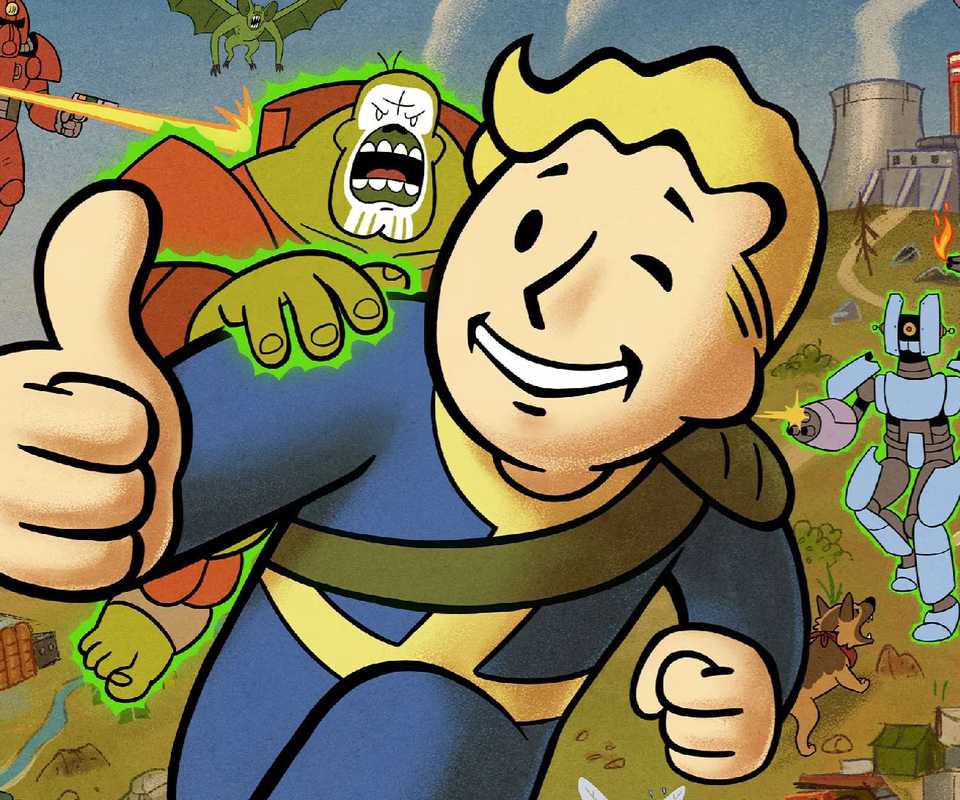
If Fallout 76 and Final Fantasy 14 Launched Today, This Would Be a Different Story
There isn’t nearly as much patience left to wait around for live-service games to build years’ worth of history. Fallout 76‘s launch state was abysmal, but Bethesda was able to save the game over time with updates. Now, new Fallout 76 updates and the Amazon Prime TV series are the go-to way to get fresh Fallout content until Fallout 5 is ready. Final Fantasy 14 also had a notoriously difficult launch state that had to be fixed over time, with the game being relaunched in 2013. If these games came out today in the original states, the two probably wouldn’t have been able to achieve the success that is seen today.
As Fallout 76 and Final Fantasy 14 Sail Forward, Most New Live-Service Games Have to Come to Terms With Missing the Boat
I’m not saying that it’s impossible for new live-service games to succeed. ARC Raiders is proof that there are still hits that can happen. Despite the success of games like ARC Raiders, though, these live-service wins are becoming increasingly rare. If a developer can’t guarantee that a game has enough content to compete with established live-service titles, then it’s better to pivot instead of being faced with another Highguard or Concord situation.
Fallout 76 and Final Fantasy 14 Have Successful Franchises to Bank On
Fallout and Final Fantasy are some of the biggest game franchises of all time, so this has also helped the duo stay relevant while other live-service projects fall out of favor. For example, Final Fantasy 14‘s recent crossover, A Nocturne for Heroes, is the fourth time that the MMO has brought this same Final Fantasy 15 collaboration to the game.
- April–May 2019
- September–October 2021
- February–March 2024
- September–October 2026
Between Final Fantasy 14‘s built-in history and Bethesda understanding the importance of giving games like Fallout 76 native current-gen versions in order to keep up with players’ evolving tastes, both are fascinating demonstrations of what mature live-service looks like. It’s difficult to imagine more recent live-service games being able to hit those same heights when it is becoming harder to convince gaming communities to drop an older, proven live-service for a new one. It’s even hard to see a game as big as ARC Raiders make it to the 10-year mark at this point. Of course, there’s no way to tell the future, so that remains to be seen.
Having franchises like Fallout and Final Fantasy as a cornerstone to build from has been integral to this level of success. Live-service failures like Highguard and Concord didn’t have that kind of brand recognition to help push these titles further into the zeitgeist. Brand recognition doesn’t always mean that success is in the cards, though. Sony and Guerrilla Games are reportedly having to reboot Horizon Hunters Gathering by removing the live-service elements after negative play tests. This is further evidence that many gamers are growing very jaded with the formula.
As of now, it seems unlikely that the majority of the new releases under the live-service umbrella will be able to pull in the same patience and attention that successes like Fallout 6 and Final Fantasy 14 have managed to. Games like Helldivers 2 and Marvel Rivals join ARC Raiders as outliers, of course, but only time will tell if the industry will see another live-service boom that was on par with what was seen throughout the 2010s and early 2020s. Fortnite is still one of the most played games in the world, but even this live-service juggernaut has been losing players since its heyday. The hard truth is that a lot of developers managed to capture lightning in a bottle with their live-service projects, and replicating that kind of success is an uphill battle.

- Released
-
November 14, 2018
- ESRB
-
M for Mature: Blood and Gore, Drug Reference, Intense Violence, Strong Language, Use of Alcohol