






With a 13 year gap since Tomodachi Life on the 3DS, Tomodachi Life: Living the Dream had quite the shoes to fill. The 3DS life sim, itself a sequel to the Japan-exclusive DS title Tomodachi Collection, is one of the best-selling 3DS games of all time. Fans loved the combination of creative freedom with the Miis they could make and the surreal shenanigans that could arise from the level of autonomy Miis had. Particularly infamous was the game’s romance system, where only gender, age group, and relationship to the real-life player could block a couple from falling in love on their own. Tomodachi Life: Living the Dream expanded these systems and made it easier to nudge Miis into relationships while also leaving things just random enough to be interesting.
While the wacky romances are what Tomodachi Life is most famous for, the game had a lot more going on than just waiting for new couples to form. There were features like the island ranking board, which ranked Miis in categories like most popular, most spoiled (by the player), highest compatibility, and more. There were different places for Miis to declare their love for each other or even propose. And there was, of course, the Concert Hall, where players could rewrite lyrics to the game’s pre-written songs to have their islanders sing about whatever they wanted…for better or for worse. These systems weren’t deep, but their absence in Living the Dream has been very conspicuous for many disappointed fans of the 3DS Tomodachi Life. While it’s always sad to see beloved features go, it’s worth discussing if Living the Dream is worse than Life because of their removal.
How to Make Miis Become Friends Faster in Tomodachi Life Living the Dream
Miis not becoming friends? Learn how to increase friendship faster in Tomodachi Life: Living the Dream with these simple tips.
People are Missing Watching Miis Sing
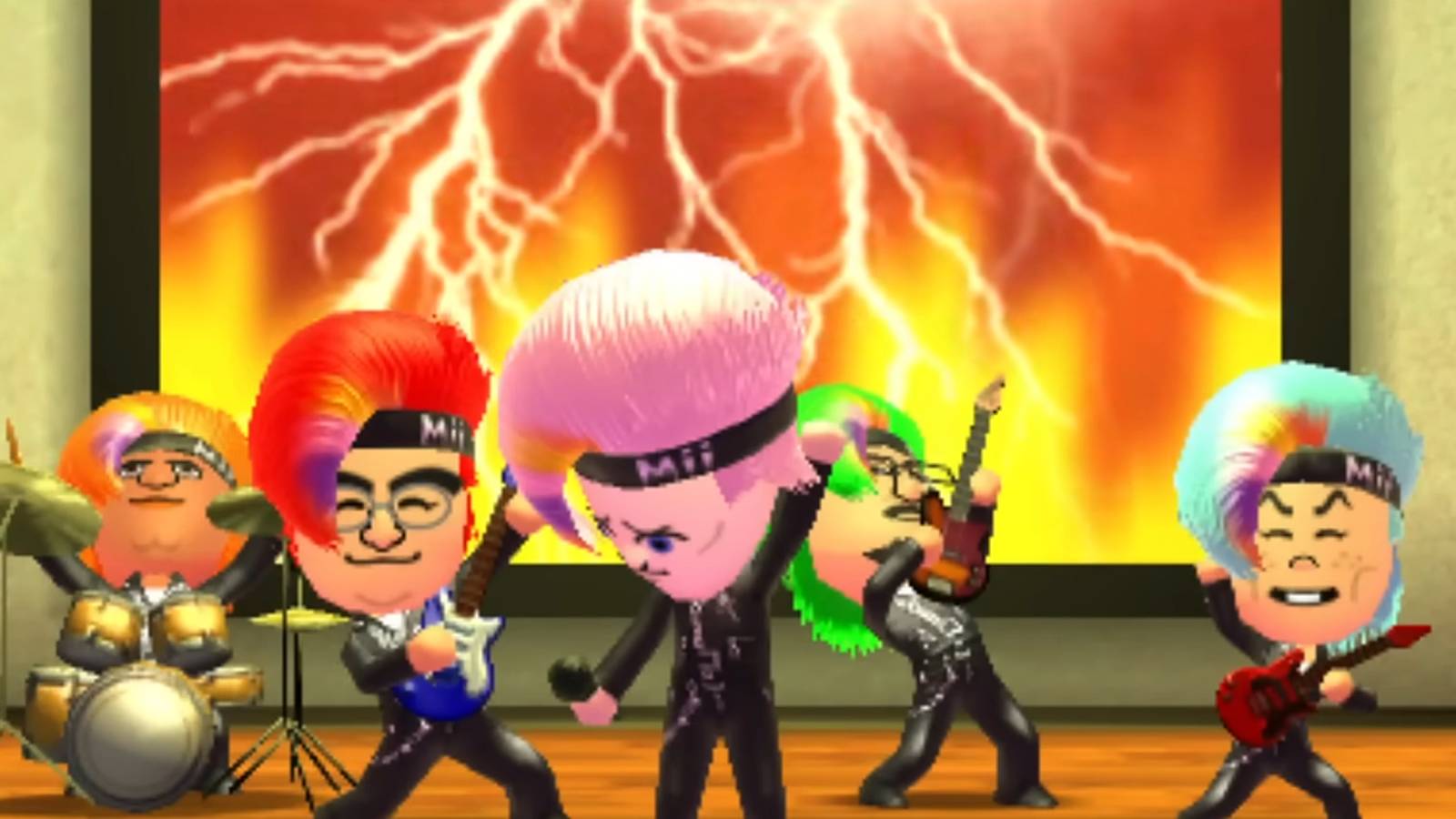
As Living the Dream’s release date drew closer and closer, fans following the advertising noticed that there was never any mention of the Concert Hall. Making Miis sing the silly lyrics you give them in their monotone text-to-speech voices was a beloved part of the first two games, so it was naturally a disappointment when the game came out and the Concert Hall was indeed totally gone. There wasn’t really anything like it to take its place, either; Living the Dream’s “Lingo” system is the closest thing, making Miis sometimes use phrases in everyday conversation that the player previously gave to them.
There were 8 song types in the international versions of Tomodachi Life, with different choreography for each. You could have Super Mario Bros.‘ Wario sing a ballad about his love of committing tax fraud, Pikachu could rap about gambling, or whatever scenarios you could come up with. Having your Miis dance for you on a dime was a cute little distraction while you wait for the next social event to pop up in-game. You could have Miis perform solo or create groups of up to 7 and dress them up for their big moment.
For many people, the real appeal of the Concert Hall was rewriting the words to each song and making Miis sing anything you could think of…as long as it fit the censors. The in-game censors weren’t great, though, and were easy to fool by simply changing some characters around or cleverly placing spaces. And with how Living the Dream ditched the censors entirely, many fans saw the Concert Hall’s exclusion as a huge missed opportunity.
As someone who’s been playing the 3DS Tomodachi Life since its US launch, I can say that I rarely touched the Concert Hall. It was a nice diversion and I do think Living the Dream would’ve been better off having something equal to it, but the Concert Hall really didn’t have that much longevity or depth. It’s a missed opportunity not to have it be updated to have longer songs or let the player choose how the choreography should look, but the core shtick of “making your Miis say anything” has been replaced by the Lingo system. Granted, seeing Daenaerys Targaryen simply mention My Little Pony in a passing conversation with Dr. Eggman rather than bursting into song about it is definitely less visually interesting.
Fewer Places for Romantic Events
The customization in the new game is great. In fact, the reason Tomodachi Life: Living the Dream took so long to release was because the developers kept coming up with new ideas for what to add to the game’s user-generated content features. This seems to have come with a trade-off, though: there aren’t as many locations to choose from for your Miis’ love confessions and none to choose for their proposals.
In the 3DS game, when a Mii wanted to confess their love to someone else, you would help them out by choosing a location and a way to ask the other party out. There were 6 confession locations and 4 proposal spots in Life, but only 4 confession locations and one proposal spot in Living the Dream. The reason location mattered was because it could affect parts of the event – most drastically, in the famous confession interventions. This can make Living the Dream‘s romance system feel less fleshed out.
Click or tap on the games that match the category
If a Mii in Life confessed at the Concert Hall, for example, the first love rival to appear would be revealed by a spotlight before front-flipping onstage with the duo, and the second rival would slowly and anticlimactically fly by on the harness from the “Opera” song before coming down to join the group. If they confessed at the Café instead, the first love rival would reveal themselves in the adjacent booth and the second rival would turn out to be the barista on duty. With 6 locations and 3 potential confessors per location, that added up to 18 different scenarios…and that’s before adding in the different ways the first Mii could announce their love in the first place.
Living the Dream has two unique confession spots in the unlockable Restaurant and Ferris Wheel, on top of the confessor’s house and any outside spot that the player picks. Any of these spots can still have two more Miis intervene, but since the “Island spot” option has to be able to account for any of the ways the player customized the terrain, the interventions are less interesting. While some may enjoy being able to pick such a wide variety of backdrops from the island itself, I’m disappointed because it reduces the different kinds of drama you can get. Thankfully, there are still a wide variety of actual lines for the confessor to use on their crush, so the events themselves are as funny as ever. But it’s precisely because the confessions can be so funny that I’m disappointed there aren’t more unique places for them to happen in.

Why Won’t Miis Fall in Love in Tomodachi Life Living the Dream?
Miis not falling in love? Here’s why it happens in Tomodachi Life: Living the Dream and what you can do to improve your chances.
Was Enhanced Customization Worth the Trade-Off?


The cop out answer is that it’ll depend on how you felt about the original game, but it still stands. Granted, even as someone who considers themselves a decent artist, I’ve never been much of a maker in my games. I do love a good wardrobe to doll up my avatar, but things like town building aren’t completely my style. When a game puts such a heavy focus on creating your own content, it can be intimidating to try and come up with a clothing design or to try and put together a non-generic city street. Town-building in video games can be intimidating, and part of Tomodachi Life’s appeal is also watching what Miis do on their own once you’ve given them the resources; it’s a franchise that’s aptly been described as more of an “ant farm” than a “life simulator.”
The upside, though, is that games like this are great opportunities to test the waters with your creative ideas; you won’t have any interest in creating house designs if you never try it, but that can change once you do. And I won’t deny that Living the Dream’s customization options are impressive, even if I do miss Miiitopia’s makeup system.
While the 3DS game had a ton of little things that made it stand out, it was a game that was really always meant to be picked up in 10-minute bursts rather than something to be binged. If you really get into it, your imagination can fill in the gaps and keep you playing for longer, and it’s the same for Living the Dream. While I miss a lot of what the new game cut, I also think that the Lingo system, item creation, and island building are good trade-offs for people into “creative mode” games. It’s just that players who aren’t as into that aspect might feel that Living the Dream has less to offer than its predecessor, as a major part of the new game won’t appeal to them. But hey, if Animal Crossing: New Horizons could get another update 6 years after release, maybe Living the Dream could see a potential update or two in the future. And even if it doesn’t, the team has made a solid product that’s on par (but a bit different) from what came before.



- Released
-
April 16, 2026
- ESRB
-
Everyone / Comic Mischief, Mild Fantasy Violence
- Developer(s)
-
Nintendo
- Publisher(s)
-
Nintendo