


Being the open-world lover that I am, I’ve never really had a problem with a game giving me too much to do. In fact, I generally prefer it when an open-world RPG gives me plenty of reasons to ignore the main story for hours at a time, whether that means completing side quests, hunting down upgrades, or getting distracted by some random activity I stumbled across while heading somewhere else. However, there is a pretty significant difference between a game giving me a lot of optional content and making me feel like I need to complete all of it, particularly when some of the rewards tied to that content directly affect my character’s progression. At that point, what is technically optional can start feeling a lot less optional.
That’s one problem Final Fantasy 7 Rebirth had, and apparently, Final Fantasy 7 Revelation director Naoki Hamaguchi knows it. While Rebirth‘s open world was packed with side quests, mini-games, combat challenges, and plenty of other activities, some of those rewarded players with things like materia, which meant ignoring them could also mean leaving something useful behind. Based on two recent interviews with Hamaguchi, FF7 Revelation isn’t going to solve that problem by simply having less side content, either. Instead, Square Enix is changing how that content is introduced and, more importantly, what players actually get for completing it, and I think it might have just found a very simple solution to one of the biggest problems open-world RPGs continue to have.
Final Fantasy 7 Rebirth’s Side Content Problem Wasn’t Just That There Was Too Much of It
-
-

-


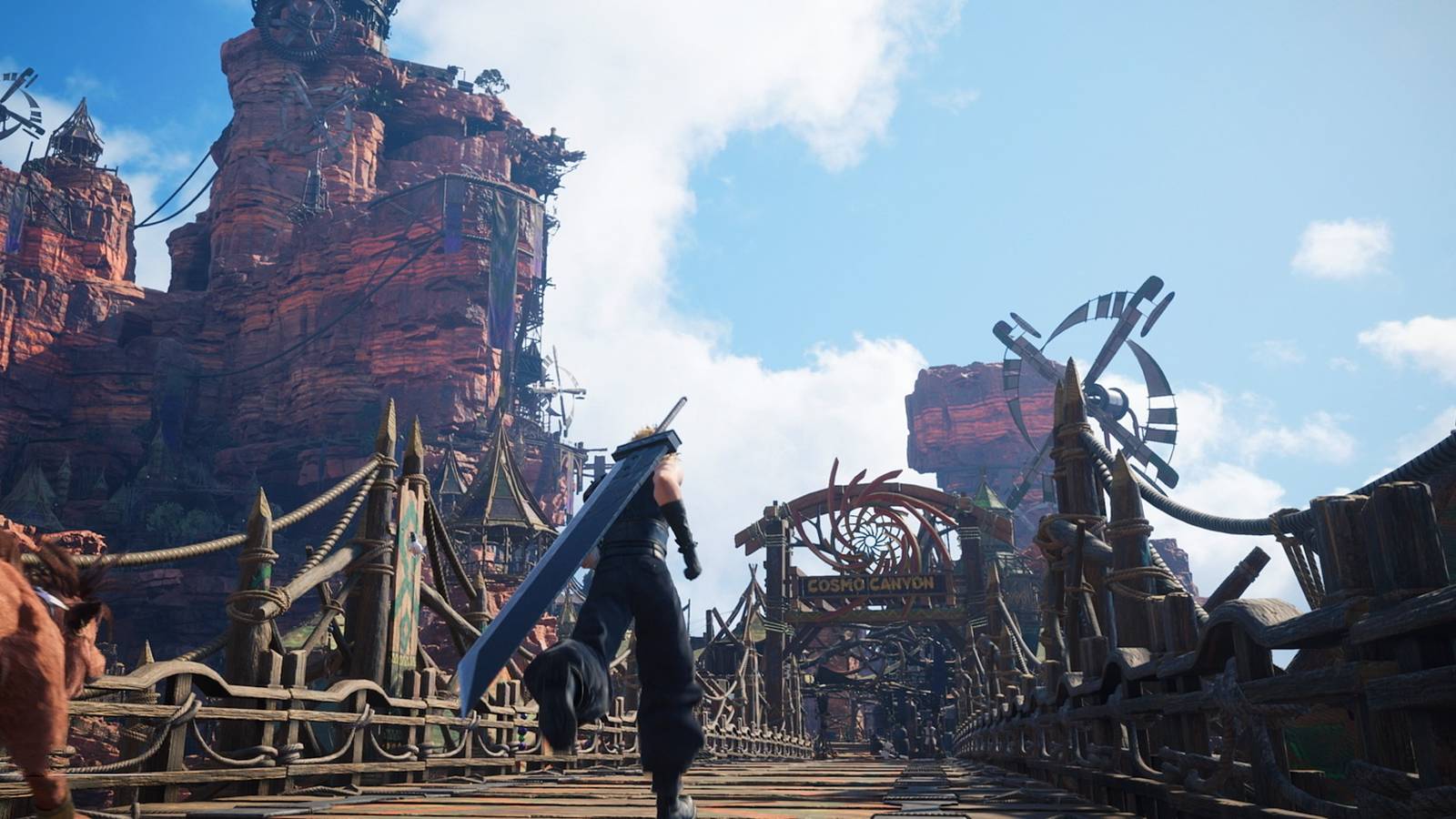
I’ll admit, Final Fantasy 7 Rebirth had a lot going on once its world opened up, especially because almost every new region essentially came with another list of things to complete. There were towers to activate, combat assignments to finish, lifesprings to find, mini-games to play, side quests to complete, and plenty more on top of all that. Personally, I enjoyed a good portion of it, but I can also understand how someone who simply wanted to keep the story moving could eventually reach a new region, see another map full of activities, and decide they didn’t necessarily want to go through all of that again.


Guess the games from the emojis.
Guess the games from the emojis.
Easy (120s)Medium (90s)Hard (60s)
Hamaguchi apparently understands that reaction too. Speaking with GamesRadar+, he acknowledged that some players may have “got a little bit tired” of how much content there was on Rebirth‘s world map, to the point that some of them may have stepped away from the game altogether. But the amount of content itself wasn’t the only issue he pointed out. Hamaguchi also specifically brought up how some activities rewarded players with materia, meaning anyone who wanted that materia might feel like they had to complete a mini-game even if they weren’t particularly interested in playing it.


Put the consoles in the correct order.
That’s the part I think is much more important here, because there’s nothing inherently wrong with an open-world RPG being stuffed with things to do as long as the player can actually choose what they want to engage with. If I don’t care about a certain mini-game, I should be able to leave it alone without wondering whether I’m also giving up something that could make my party stronger. Likewise, if I’m primarily interested in Final Fantasy 7‘s combat, I shouldn’t have to repeatedly play a completely unrelated mini-game just because some useful materia happens to be sitting at the end of it.
Hamaguchi was even more direct about that in an interview with Nova Crystallis, where he said the team was very aware of feedback surrounding Rebirth‘s “overwhelming amount of content.” Interestingly enough, though, he also said Square Enix never once considered reducing the amount of content for Revelation, largely because having such a wide range of activities is something the team considers an important part of Final Fantasy 7. Instead, one of the lessons it took from Rebirth was that tying combat rewards to unrelated side activities meant it was “essentially forcing players to play these mini-games” if they wanted those rewards.
If I don’t care about a certain mini-game, I should be able to leave it alone without wondering whether I’m also giving up something that could make my party stronger.
And while I wouldn’t necessarily say anyone was literally forced to complete those activities in Rebirth, I get what Hamaguchi means. If I know a piece of materia I want is locked behind a mini-game, I’m probably going to play that mini-game whether I want to or not, because otherwise, I’m knowingly leaving something behind that could potentially make my build better. It’s a problem I’ve run into with plenty of open-world RPGs, where I end up completing activities I stopped enjoying hours ago simply because I don’t know what useful reward might be waiting at the end of them.
Final Fantasy 7 Revelation Is Finally Separating Side Content From Combat Progression
Final Fantasy 7 Revelation is changing that by making the reward for an activity actually match the type of content players are completing. According to Hamaguchi, FF7 Revelation‘s mini-games will now have rewards specifically tied to those mini-games, whereas combat-related objectives will provide combat-related rewards. He also mentioned things like skins and character costumes as other potential rewards, which means players can still have plenty of reasons to engage with Revelation‘s side content without materia or something equally important being used to push them into it.
Queen’s Blood is probably the clearest example of how different this approach is going to be. Hamaguchi confirmed that players who simply don’t care about Queen’s Blood will have the option to skip it entirely in Revelation, even joking that doing so would make him sad as the game’s director. Personally, I enjoyed Queen’s Blood a lot in Rebirth, so I can’t imagine I’ll be taking him up on that offer. However, someone who doesn’t enjoy the card game shouldn’t have to keep playing it just because the next opponent might be holding onto something they actually want for combat.
There is another change happening alongside all of this that should help as well. In Rebirth, players generally moved through its regions sequentially, and as Hamaguchi explained to Nova Crystallis, the team believes introducing so much side content every time players entered a new area contributed to that feeling of being overwhelmed. Revelation is instead taking what Hamaguchi calls a “truly open-world approach,” where players will revisit areas later in the game and find new side quests there rather than being handed everything those areas have to offer the first time they arrive.
FF7 Revelation‘s mini-games will now have rewards specifically tied to those mini-games, whereas combat-related objectives will provide combat-related rewards.
So, Revelation isn’t necessarily going to have less side content than Rebirth. In fact, based on Hamaguchi’s comments, it sounds like Square Enix has every intention of continuing to fill the world with plenty of things to do. The difference is that the game should be much better about letting players decide what they actually want to spend their time doing, rather than putting combat progression behind activities that may have nothing to do with combat or piling an entire region’s worth of optional objectives onto the map at once.
For me, that’s a much better answer to open-world fatigue than simply cutting content. I want to be able to get distracted in an open-world RPG, and if Revelation gives me a world packed with side quests, mini-games, combat encounters, and other things to stumble into, I’ll probably end up doing most of them anyway. But there’s a big difference between doing all of that because I want to see what the game has waiting for me and doing it because I’m worried I’ll miss something my character needs. Final Fantasy 7 Revelation apparently understands that difference, and by finally separating optional content from the rewards that made it feel mandatory in Rebirth, it may have solved a problem plenty of other open-world RPGs could learn from.


- Released
-
April 8, 2027
- Prequel(s)
-
Final Fantasy VII Remake, Final Fantasy VII Rebirth