




Perhaps one of the most frustrating things that a player can experience is spending 100 hours playing a game only to suddenly realize that it will become inaccessible. The unfortunate reality is that this is quite a common occurrence with live-service and mobile games, especially when publishers decide that the titles are no longer worth the investment. And although companies have every right to move on to new projects, letting something that has already been created disappear seems like a terrible waste, especially when we’re talking about titles with genuinely interesting stories and memorable characters. However, this is not always the case, as Square Enix, for example, seems to have found a rather interesting solution with Final Fantasy Resonance.
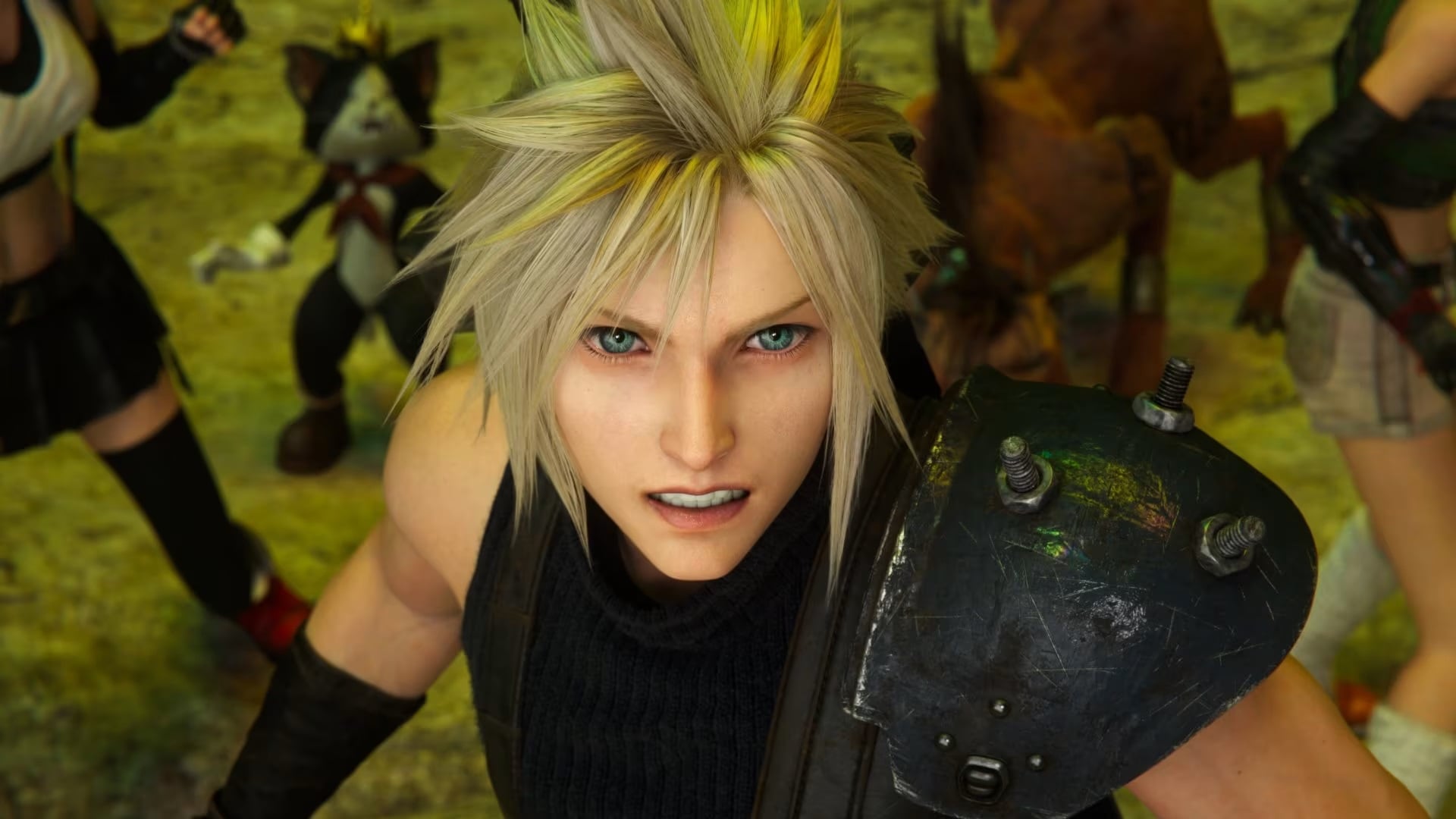
It is a console RPG based on Final Fantasy Brave Exvius, and producer Keisuke Nakashima wanted to make something much more ambitious than simply bringing the original mobile game to another platform. Instead, he pushed for a full-fledged RPG. In other words, Final Fantasy Resonance is a great example of a situation that doesn’t force publishers to choose between abandoning their older games and keeping them alive exactly as they were. And perhaps this is a sign for the gaming industry to start looking at discontinued games a little bit differently.
Final Fantasy Resonance Shows Why Rebuilding Old Games Beats Simply Porting Them
As it turns out, Final Fantasy Resonance was actually very close to becoming a different game than it is today. Square Enix executives reportedly preferred a relatively simple port of Final Fantasy Brave Exvius because it would have been way cheaper to produce and would have required a lot less development time. From their point of view, this approach makes sense because it saves a lot of time and money, especially when the original game already provided a pretty solid foundation to work with. However, Nakashima was determined to create a complete console RPG instead of offering the same mobile experience all over again, but on another platform.


Find the odd one out before the timer hits zero.
Ultimately, the goal was not to preserve every single aspect of Final Fantasy Brave Exvius but to give the new game its own identity while still building on the original title’s foundation. What is probably the most surprising thing in this situation is that some of the people who influenced the development of Final Fantasy Resonance had never even played Final Fantasy Brave Exvius. As it turns out, during a global press tour for the mobile game, Nakashima met people who did not want to play the game because of its gacha mechanics, which is a common criticism for other gacha titles as well. In other words, the problem seemed to be the monetization system of the game and not necessarily its world or gameplay, which is a great window of opportunity that Nakashima did not miss.
Existing players can explain what makes a title worth returning to, but potential players can reveal what is preventing it from reaching a wider audience.
In Final Fantasy Resonance, Square Enix has decided to get rid of the gacha mechanics altogether and offer a premium console RPG instead. Of course, it’s clear that removing this feature does not guarantee a sudden interest from every single person, but what matters is that a game’s business model can sometimes limit its potential audience. And those who tend to abandon titles might as well be missing a few little tweaks that could change the way people experience the game entirely.
-

-

-


Obviously, developing an entirely new RPG is quite a difficult task, especially when you have to do so from scratch. However, Final Fantasy Resonance never faced this issue because it had the advantage of already having the creative foundation established by Final Fantasy Brave Exvius. And to be fair, maybe this is a better way to save money and time than simply letting it disappear. There is no reason why this approach should be limited to Final Fantasy, as plenty of discontinued live-service and mobile games have great potential to become entirely new projects.
Final Fantasy Resonance Shows Why Publishers Should Listen to Non-Players
-

-

-

Last but not least, there is one more particularly important lesson that publishers could learn from Final Fantasy Resonance. Maybe it is a good idea to really listen to the people who refuse to play their games as well, not just the ones who enjoy them. After all, existing players can explain what makes a title worth returning to, but potential players can reveal what is preventing it from reaching a wider audience.
And Nakashima’s experience is a great example of how negative feedback could influence major development decisions and help a title broaden its horizons and actually become something bigger instead of letting all the effort put into it go to waste. Final Fantasy Resonance is also an example of how a willingness to take risks can make all the difference, because old projects do not always have to be treated as lost causes. Perhaps it’s time for everyone to learn that a game’s commercial lifespan and its actual potential are not the same thing.

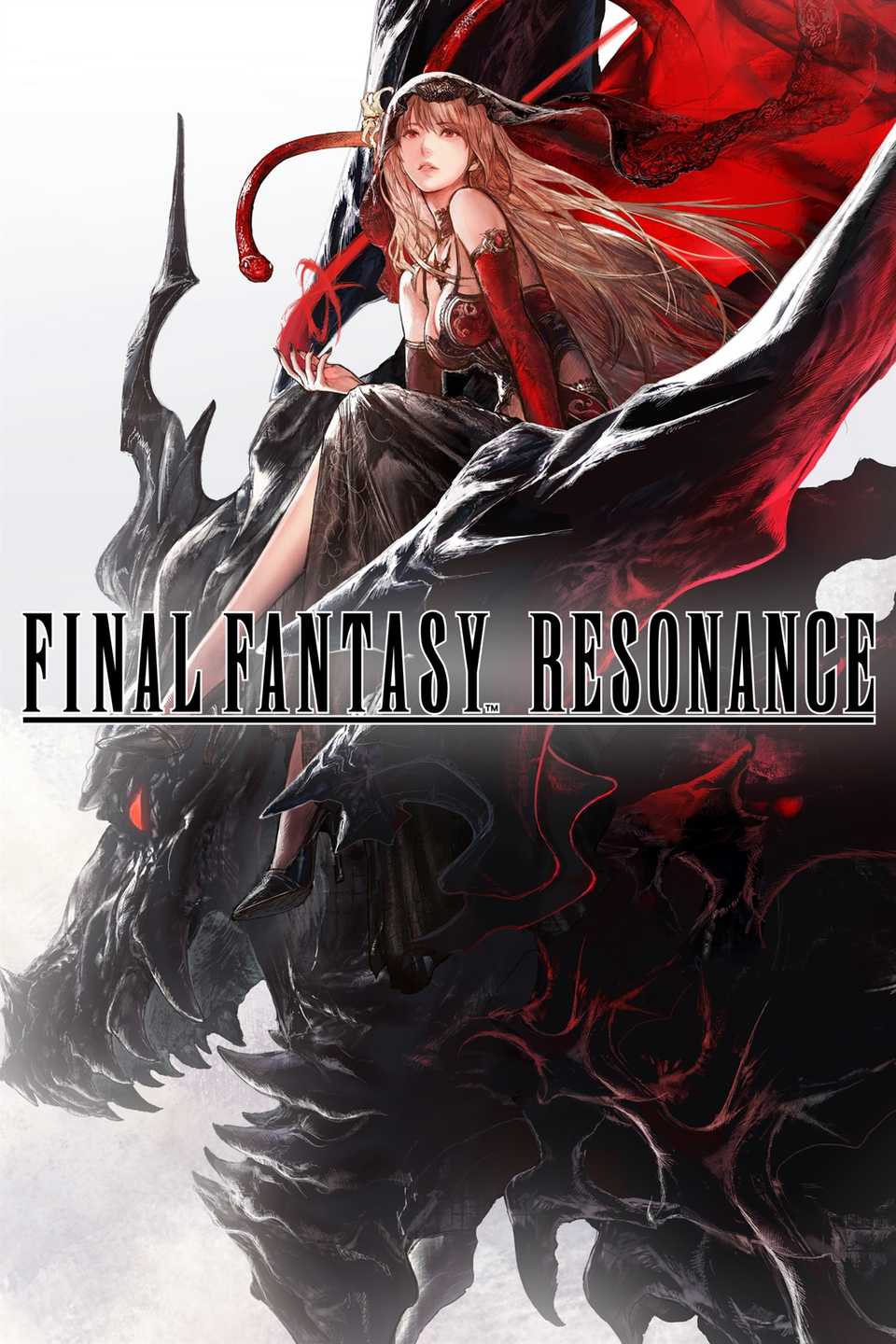
- Released
-
October 22, 2026
- ESRB
-
Everyone 10+ / Alcohol Reference, Fantasy Violence, Language, Suggestive Themes