
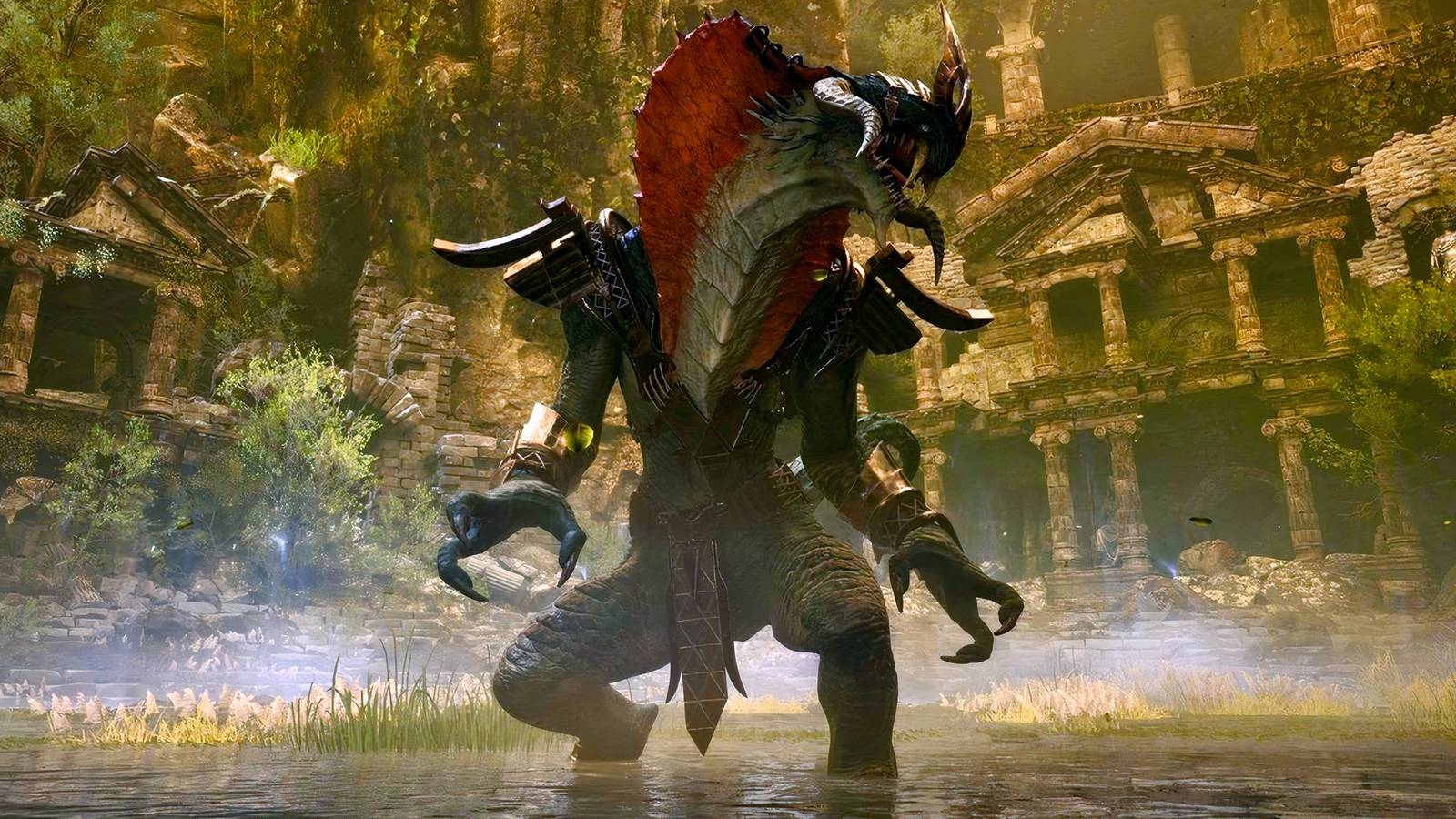



The unique Final Fantasy Resonance could really change the future course of the series, and I’m here for it. Square Enix debuted its HD-2D art style with 2018’s Octopath Traveler, and it would go on to define the challenging RPG series. Remakes like Dragon Quest 3 and other original titles such as Triangle Strategy would also be HD-2D. Utilizing this style with a Final Fantasy game, though, was a bold decision.
For some years now, Final Fantasy games have predominantly been action RPGs, with a heavy focus on realism and cinematic cutscenes. Square Enix has had some great success here (as our glowing review of Final Fantasy 16 will testify), but long-time fans also miss the series’ 2D, turn-based roots. Luckily, Final Fantasy Resonance demonstrates that the series can take both directions going forward.
Final Fantasy Resonance Is a Fresh Take on Classic Final Fantasy
Like a lot of franchise fans, the first entry I played was the iconic Final Fantasy 7. The glorious PS1 golden era of Final Fantasy 7, 8, and 9 was enough to endear me to JRPGs for life, and it shaped my very understanding of the genre. Primarily, the idea that turn-based combat is usually central to the experience. After Final Fantasy 10, though, the series has seemed to step away from that. I was delighted, then, that Resonance opted to overhaul and modernize the turn-based concept, with its clever stagger system and other unique mechanics.


Put the consoles in the correct order.
My favorite entry, the emotionally impactful Final Fantasy 9, was created as a means of reconnecting the series to its roots. This is evident in the way it embraced the classic job system (through the party members’ strictly set roles), its Medieval-ish fantasy vibes, and so on. Turn-based combat and the thrill of traversing an overworld in an airship are also emblematic of the Final Fantasy games of the PS1 era, and it’s a style, a feeling and a memory that Resonance is also bringing back in 2026. Recent installments in the series, from Final Fantasy 16 to the multipart epic that is the Final Fantasy 7 Remake, couldn’t really be further removed from this. They boast cinematic cutscenes, fast-paced action RPG combat, and all the high production values that AAA 3D adventures can muster.
I was delighted, then, that Resonance opted to overhaul and modernize the turn-based concept, with its clever stagger system and other unique mechanics.
Of course, this isn’t to say that HD-2D isn’t a sophisticated style itself (there are even some open-world epics that could benefit from it). It may look distinctly “retro,” but there are some very advanced visual effects behind it that an unfamiliar player may not appreciate. Nonetheless, the latest era of Final Fantasy has largely been all about the 3D AAA blockbuster, and Resonance is a very different beast. Different, but equally valid and perhaps a second branch of Final Fantasy‘s future.
2D and 3D Final Fantasy Entries Could Evolve Separately
Now, Square Enix hasn’t discussed any potential sequels to Resonance yet. We don’t know if it will be the beginning of a new sub-series, or if the broader world of HD-2D will be explored more in Final Fantasy games or not. If Resonance fares well critically and with the series’ legions of fans, though, it has potential to open up two different futures for the franchise: One marked by the high-octane action and beautiful realistic visuals of PS5 must-have Final Fantasy 16, and one where classic 2D/HD-2D turn-based RPGs continue to develop. These two futures could intertwine nicely, allowing Square Enix to continue to explore both side by side rather than turning their backs on one or the other.
I think you can liken this idea of the future of Final Fantasy to a restaurant menu. No series, however popular, is going to please everybody. The wider the range of options you can provide, the more likely that customers are going to be happy with your offerings. There are many Final Fantasy fans who adore the older, turn-based entries (some of the best turn-based JRPGs of all time) and have struggled a bit with the faster pace of the newer action RPGs. I’m one of them, and I sorely miss that feeling of leaving a town and experiencing that scene transition to the overworld map. With Resonance, I can experience everything I loved about the older games afresh, without having to think of some kind of challenge run that’ll make my 17th playthrough of the original Final Fantasy 7 unique.
The latest era of Final Fantasy has largely been all about the 3D AAA blockbuster, and Resonance is a very different beast.
If, alternatively, you’re all about the action RPG excitement of mastering a parry system, learning attack patterns, and unleashing a barrage of well-timed elemental attacks in battle (there are some fantastic action RPGs on their way later in 2026), Final Fantasy seems set to continue to deliver on that front too. As yet, nothing’s really known about a potential upcoming Final Fantasy 17, but we can be sure that Square Enix will be cooking up something special in due course. Making that game HD-2D really would be a dramatic shift on Square Enix’s part, so that probably won’t happen, but perhaps that’s the goal with Final Fantasy Resonance—to test the waters.
The HD-2D style has shaped some fantastic titles, with Triangle Strategy in particular truly changing my outlook on how games tell stories. Resonance is the company’s biggest move with this art style yet, and I believe that it could prove to have a huge place in the series’ history.

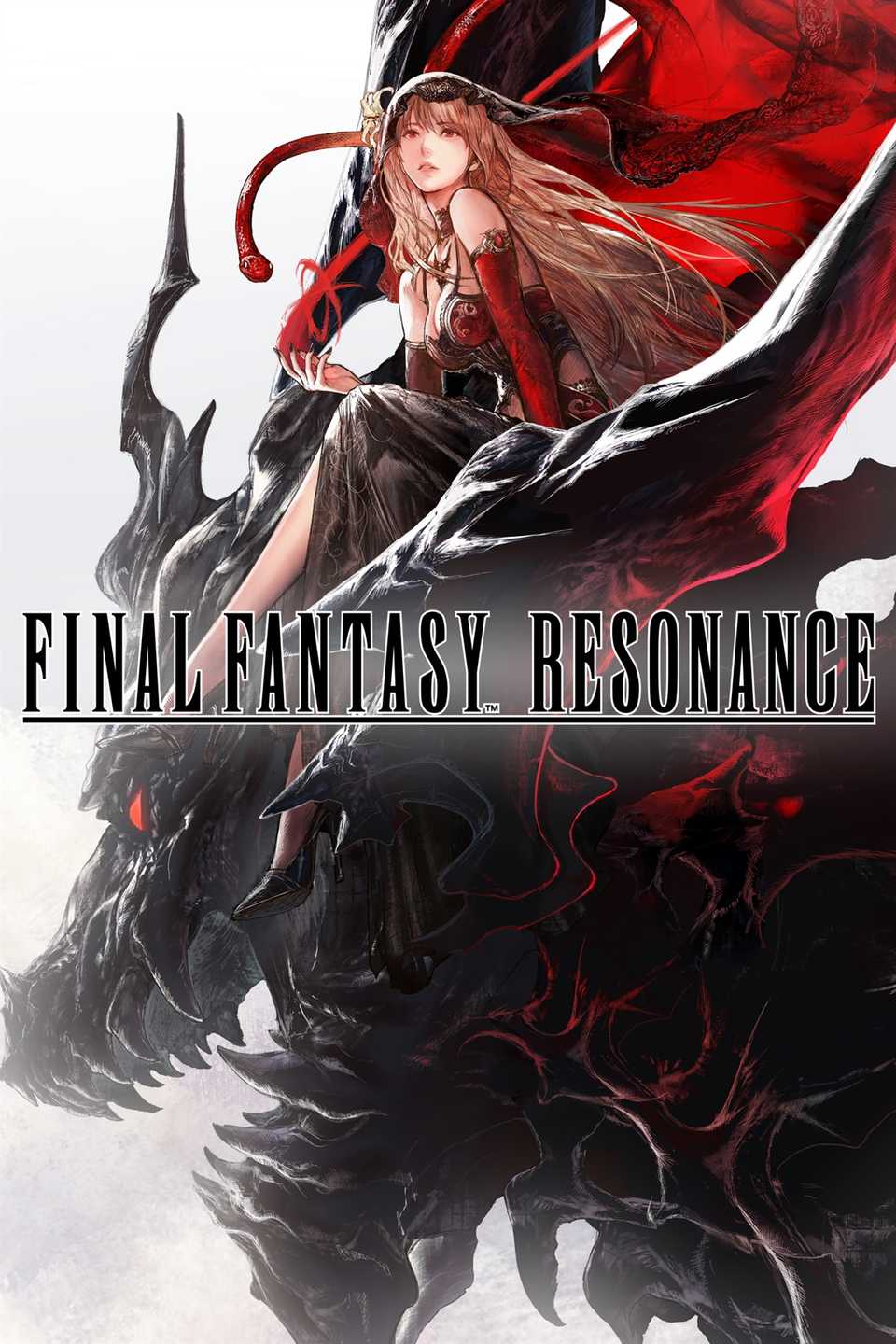
- Released
-
October 22, 2026
- ESRB
-
Everyone 10+ / Alcohol Reference, Fantasy Violence, Language, Suggestive Themes