


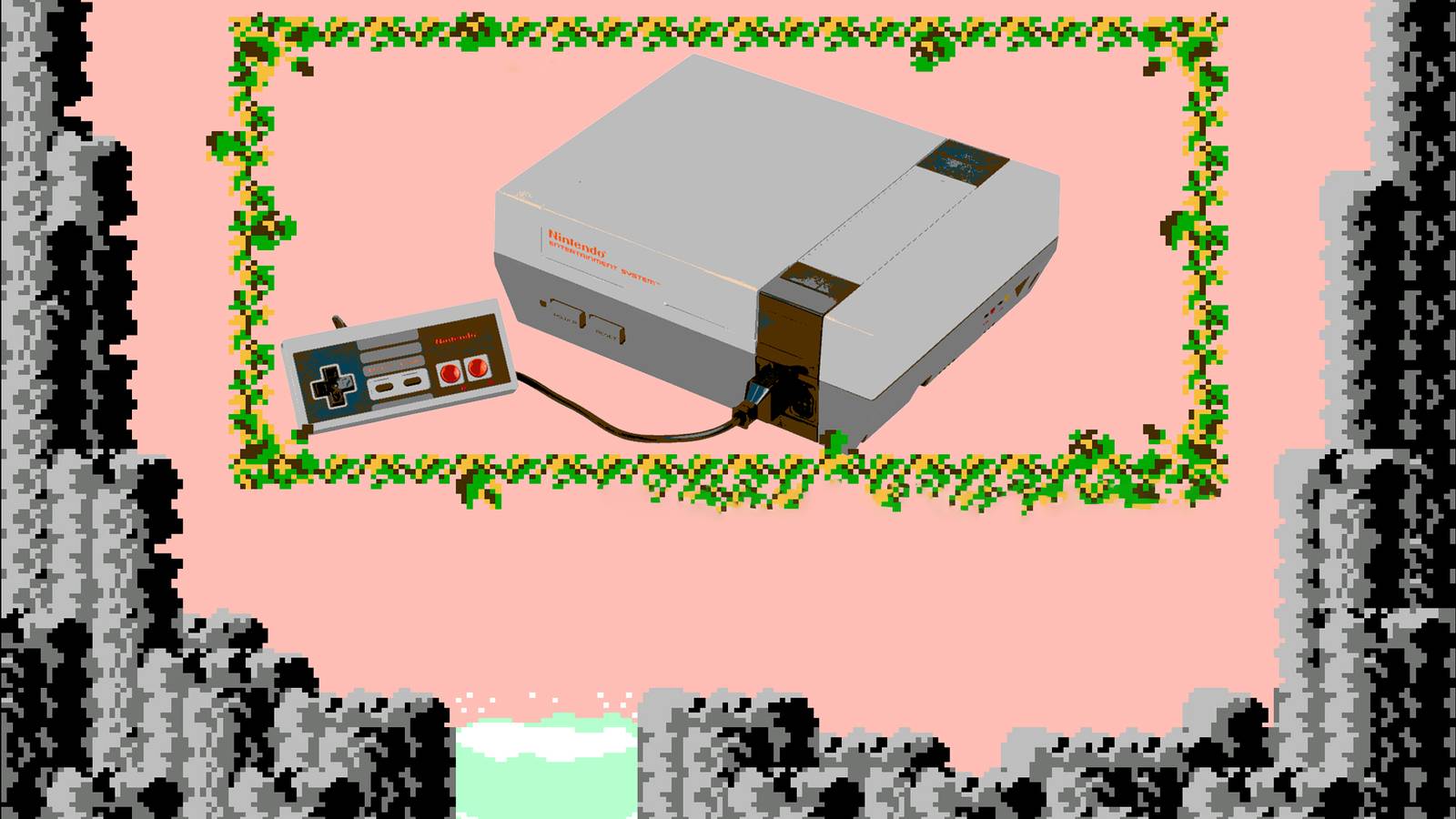
The Legend of Zelda stands as one of the greatest NES games of all time, along with one of the most influential. Nintendo struck gold in 1986, but not every masterpiece from that era has enjoyed the same eternal adoration as Link’s first adventure. As important as it is, LoZ isn’t the easiest NES game to revisit today, and it has aged worse than quite a few “lesser” titles that barely get a fraction of the recognition.
By the end of the NES’s lifecycle, developers figured out how to make full use of the console’s capabilities and work around some of its limitations. LoZ wrote the playbook and set the stage for a sea of successors to shine even brighter, at least in terms of actual content. Few people remember these NES games, but they should discover them.
I’m focusing on games that are more fun to play today than LoZ, so not titles that were actually better when they were released.
Zelda 2 Is Better Than Zelda 1
Well, It Is More Fun To Play Today
OK, let’s start with controversy, in more ways than one.
While an argument could be made that no mainline Zelda game can be labeled as “forgotten,” if one were to qualify, it would be the black sheep of the franchise. Switching to a side-scrolling perspective and prioritizing combat, Zelda II: The Adventure of Link wasn’t the sequel anybody expected, and Nintendo hasn’t really gone out of its way to celebrate it. Nowadays, most people looking to visit old Zelda are likely to start with A Link to the Past, perhaps visiting the NES original for historical purposes. They’ll probably skip Zelda 2 entirely.
Although a worse Zelda experience, Zelda 2 is all-around a better game than its predecessor, particularly when viewed through modern eyes. Mechanically, there really is no comparing the two, as the sequel offers far more in-depth combat and leans into RPG territory more than most entries in the franchise. While Zelda 1‘s boss fights are fairly basic and mostly require focusing on one strategy or mechanic, its successor forces players to constantly take into account their positioning, timing, and spells.
More importantly, Zelda 2 actually gives you towns and NPCs that provide direct contextual clues on what you need to do, avoiding the first game’s love for cryptic messages.
Don’t get me wrong, Zelda 2 has plenty of issues that stop it from being a true all-time great, but it shines in a different way than Zelda 1. I’d argue it shines brighter, too.
Crystalis Demonstrated What The NES Could Accomplish
4 Years Is A Very, Very Long Time

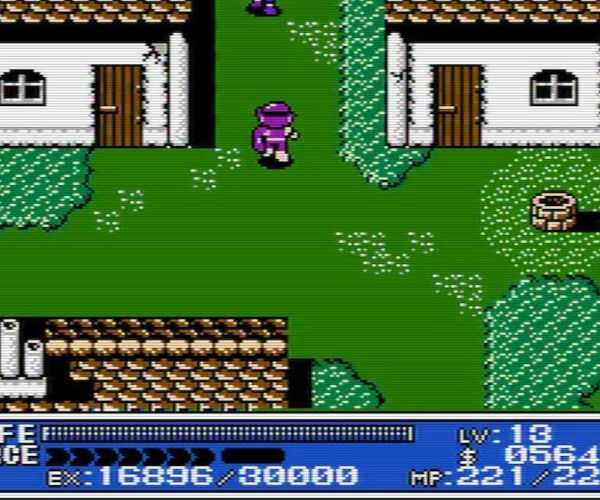
Released right at the console’s twilight, Crystalis is not only an incredible NES RPG, but also one that pushed the console as far as it could go. Beyond superficial similarities, SNK’s masterpiecedoesn’t have all that much in common with The Legend of Zelda; instead, it clearly depictswhere RPGs would go during the 16-bit generation.
While Hyrule doesn’t have that much personality in the first game, Crystalis goes into great detail establishing its post-apocalyptic world, where civilization collapsed and humanity reverted to swords and magic.Zelda 1‘s theme of isolation creates a rich atmosphere, but Crystalis‘ world feels considerably more lived-in thanks to its towns, NPCs, and the active presence of the Draygonia Empire, which serves as the main antagonist.
Frankly, the story, setting, premise, and NPCs don’t matter, as you only need to push the D-pad once to instantly notice the difference between 1986 and 1990. Zelda 1 locked Link (and, by extension, us) to 4 directions and a straight poke attack; conversely, Crystalis features smooth 8-directional movement, letting you strafe diagonally, evade incoming attacks, and strike around corners. The gameplay just feels way more responsive and expressive.
The Guardian Legend Excels At Two Genres
A NES Game That Aimed Big And Hit The Mark
-

-

-


The Guardian Legend fuses two genres that should be put together more often: vertical shoot ’em up and top-down exploration. The former’s sci-fi goodness smashes into the latter’s science-fantasy aesthetic, a combination that should be at odds but actually works. Even though the shoot ’em up sections are too different from The Legend of Zelda to compare, Compile was one of that genre’s 8-bit masters, and that expertise is on full display.
When the campaign shifts from space to land, The Guardian Legend manages to retain the same arcade energy, with a protagonist who can move in all directions and attack with a fairly wide assortment of weapons. Although far more action-focused than LoZ, The Guardian Legend still emphasizes exploration, as the on-foot maps are labyrinths with plenty of enemies, secrets, and barriers; heck, the game even has dungeons, although they lead to the shoot ’em up sections.
StarTropics Is Nintendo At Its Early Best
A NES Delight That Should Be Better Remembered

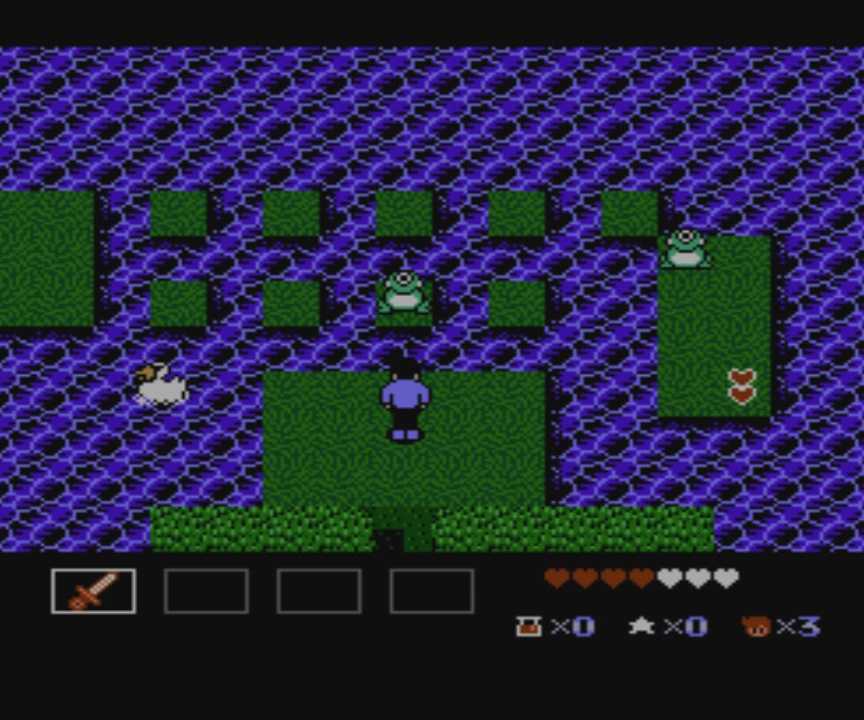
How about we end things with another Nintendo game? StarTropics isn’t completely forgotten by any stretch of the imagination, but it is merely a footnote in Nintendo’s legacy, one that wrote its final sentence with a mixed-bag NES sequel that launched in 1994, way too late in the console’s lifespan. Although Zoda’s Revenge: StarTropics 2 has its positives, its predecessor is superior in nearly every way besides movement.
Only released in North America and Europe, StarTropics is another top-down adventure that divides its time between an overworld and self-contained dungeons. On the surface, it might sound like just another LoZ, but StarTropics takes a different approach to both aspects. The overworld functions strictly as an interactive adventure hub. You visit island tribes, chat with NPCs, and steer your submarine to newly unlocked coordinates. Combat isn’t part of the equation.
StarTropics‘ dungeons resemble tile-based puzzles, and players must follow a logical path to the end. You step forward tile by tile, moving onto stops that could trigger hidden doors or drop spikes. Rather than slashing away with a sword, combat is far more about baiting enemies onto specific tiles.