





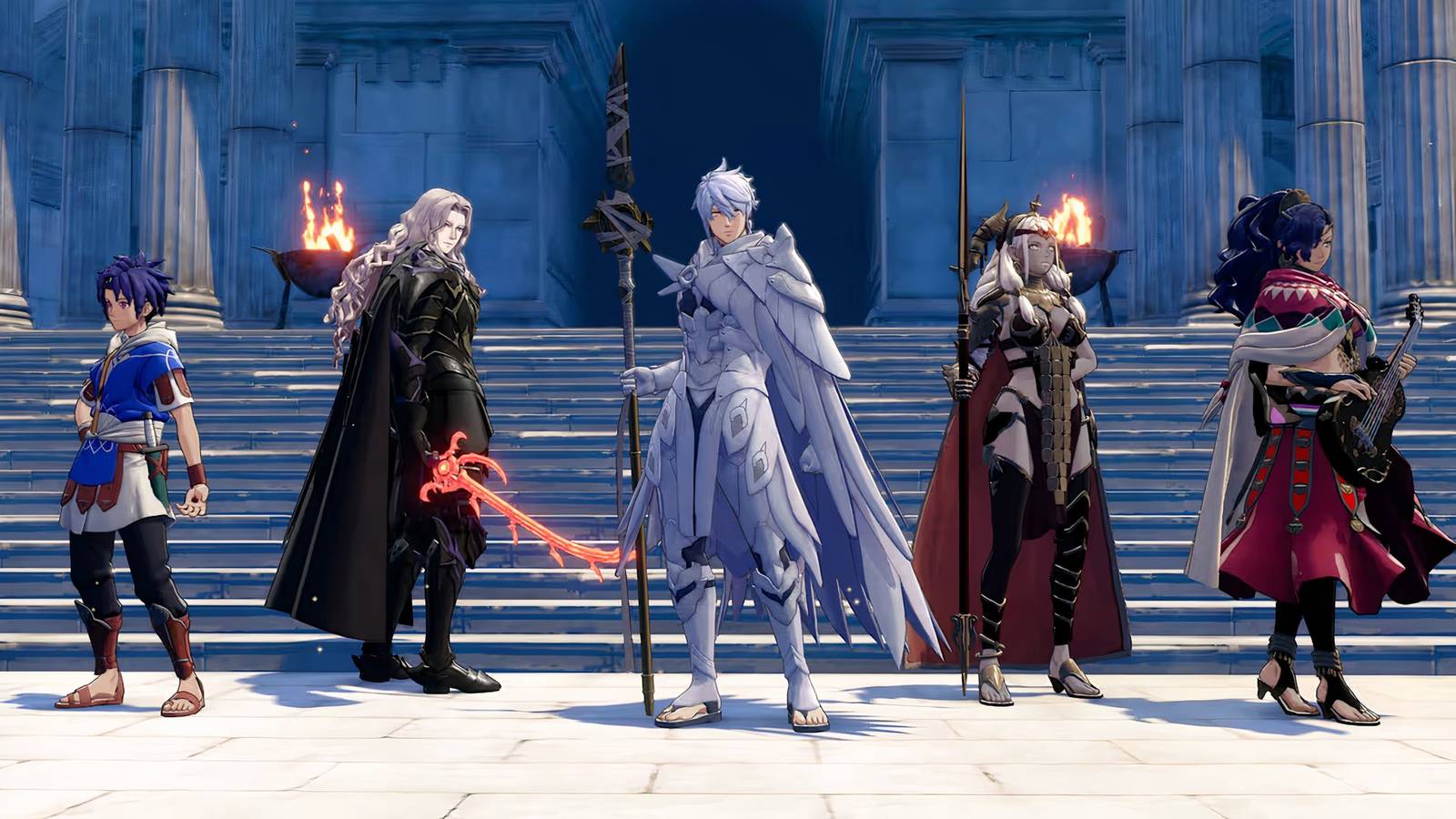
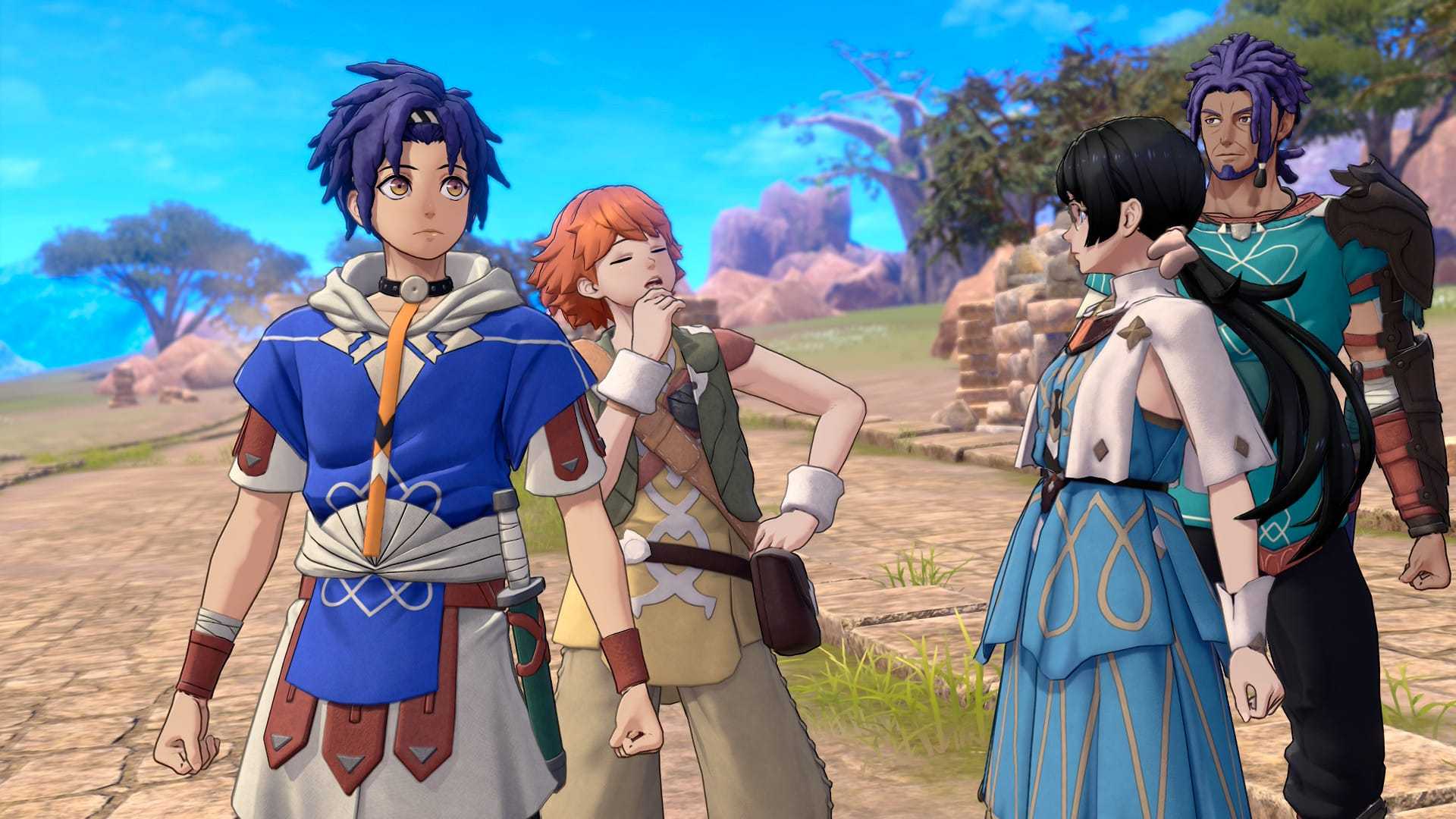
It has only been a few days since Fire Emblem: Fortune’s Weave was released for the Nintendo Switch 2, and yet the game is already making waves for its unique open-world structure. Serving as a new title in the Fire Emblem franchise, Fire Emblem: Fortune’s Weave explores the benefits of a non-traditional open world by introducing guidelines that encourage strategic exploration, rather than halting players altogether.
Is it commonplace for open world titles to act like this? No. But it doesn’t stop the game from being extremely fun and fulfilling. I found that certain narrative structures or constraints made me work a little harder to understand the world around me, but I had fun doing it. Through this non-traditional open world, I really got to know each of the four Fire Lords and the glorious Dagdan Empire more because I found that I was paying better attention to how I played.
Traditional Open Worlds Aren’t Always the Key to Meaningful Exploration
-
-

-


Fire Emblem: Fortune’s Weave isn’t a conventional open world, but it’s enormous. Instead, the game utilizes structured time management and a massive world map to preserve narrative flow and pacing. True open-world structures seemingly don’t mesh well with Fire Emblem‘s turn-based construction and character switching, as it would disrupt that turn-based pacing. Despite being a non-traditional open world, the game’s grid-based world map is particularly expansive, letting players plan routes, discover hidden areas and villages, and enter dungeons to their hearts’ content.
Who’s That Character?


Identify the silhouettes before time runs out.
If players want to follow story quests or venture out to explore, they can still do that. If they want to dungeon crawl and gather resources, that can also be arranged. They can choose their own adventure freely, and a grand one at that. The caveat is that they must be wary of time management. This narrative tool makes the game feel full and fleshed-out. Similar to the world of Persona, in-game days are split into four six-hour segments that require a balancing act to master.
Players must decide how best to allocate their time while balancing training deadlines, traveling the world map, and taking care of hub activities. Each action eats up a specific turn value, and players need to manage the number of turns used to get to specific destinations or take on quests. When you run out of moves to make, the game automatically takes players to that specific chapter’s mandatory battle, rather than penalizing players for exploring beyond their turn count.
-
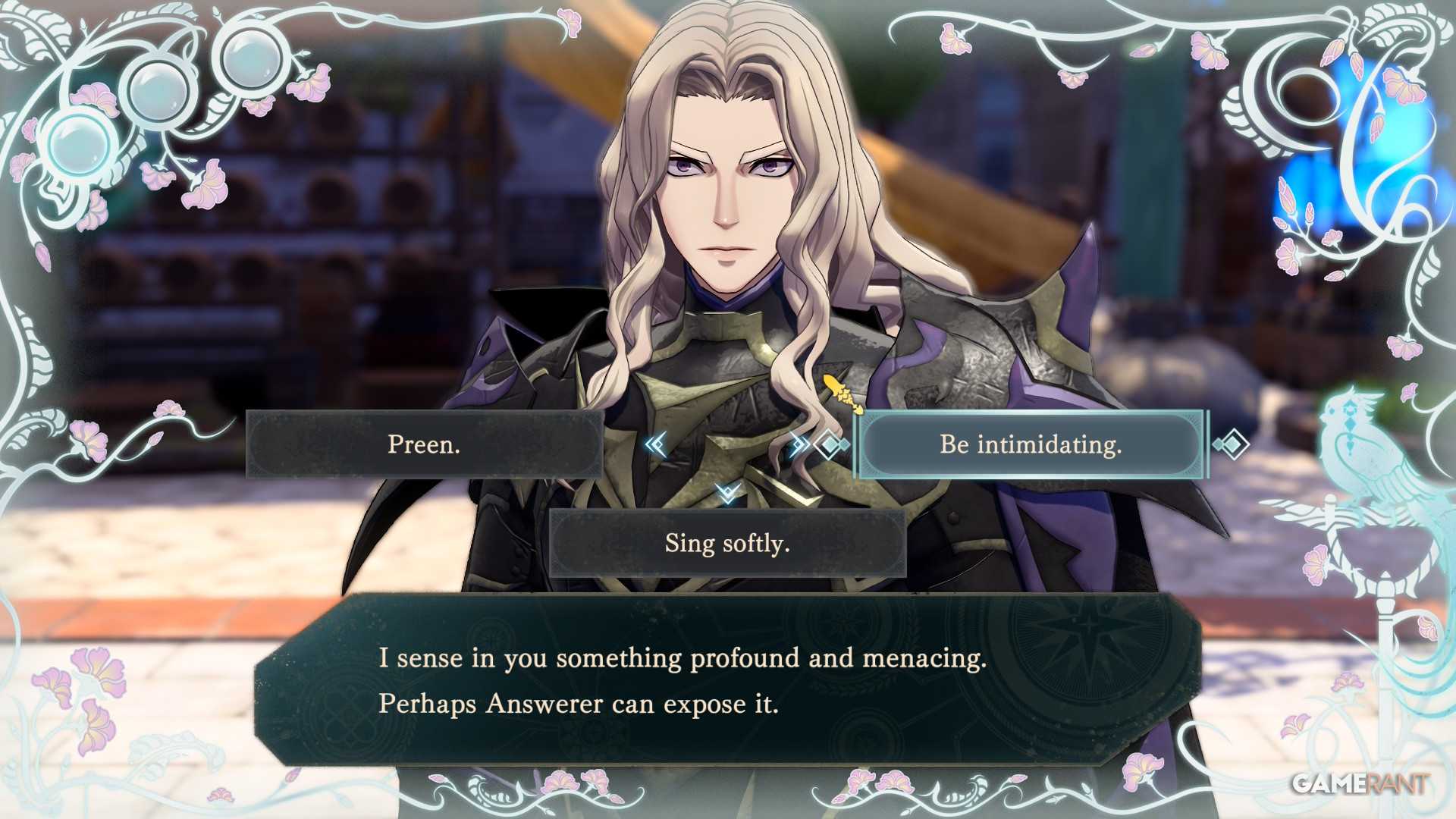
The correct response to a Dietrich interaction in Fire Emblem: Fortune’s Weave. Image via GameRant; Source: Intelligent Systems -

-


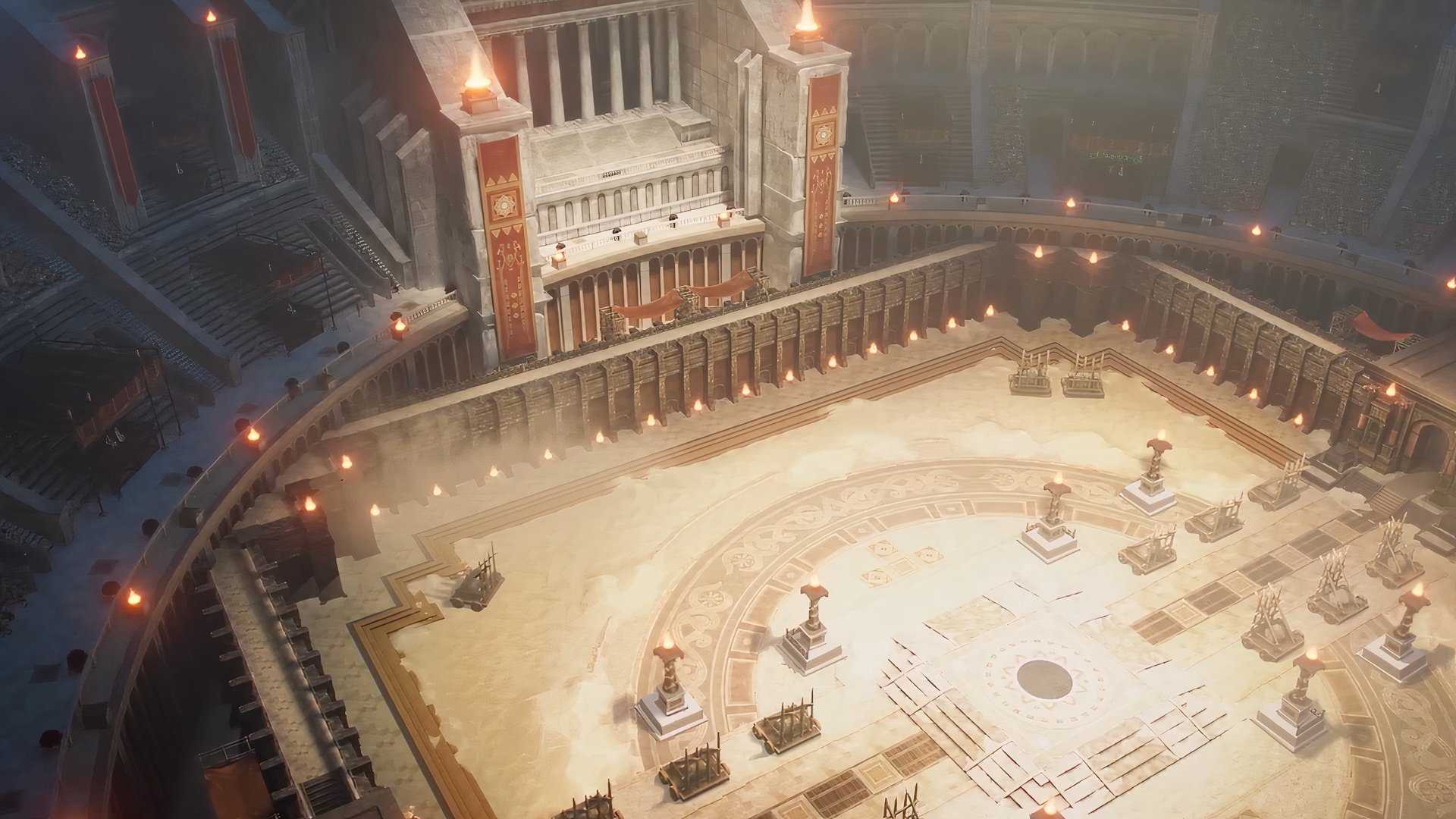
The main city hub, Dagsion, also fulfills that itch for a true open-world landscape. There is a ton to do that makes players feel like they’ve been ingrained into the zeitgeist of this universe thanks to weekly activities that reset every Sunday. They can keep busy with shopping for new gear and trading goods, training at the Grand Arena to hone their skills, gaining passive experience at the Inn by sharing meals with townsfolk, and visiting the temple to perform services and gain combat blessings.
Fire Emblem: Fortune’s Weave isn’t a conventional open world, but it’s enormous.
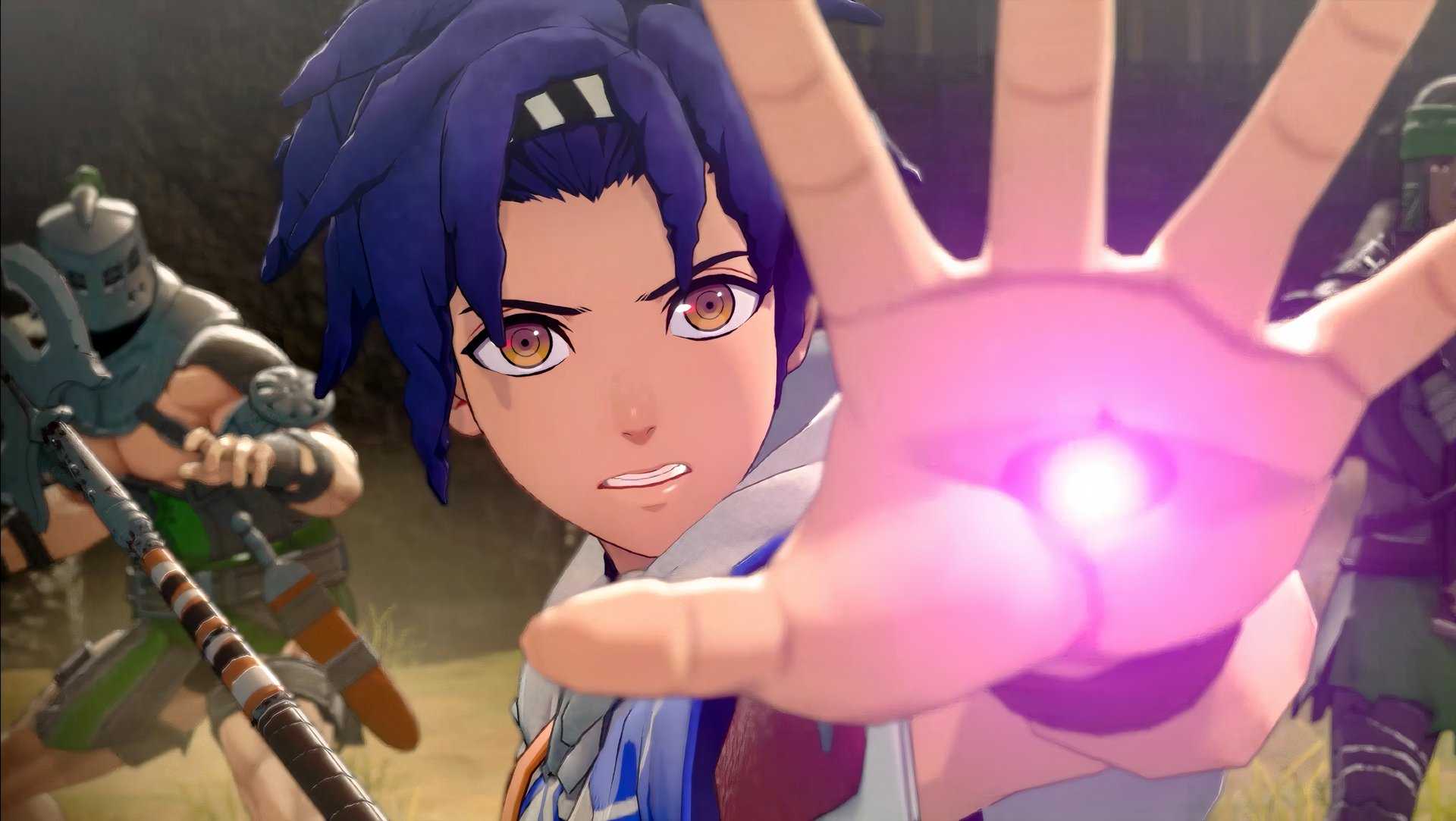
While their stories all converge towards the end, every character’s path has a unique storyline and battles, mechanics no other hero can take advantage of, and even some classes specific to them. Deciding which route to play when picking up the controller is already giving the player control over the narrative and world they want to see built. Each Fire Lord is different and prioritizes a unique player experience.
If they want a better understanding of the story, players can pick Cai, or if they favor more combat, maybe Dietrich is for them. Playing through all four characters’ stories is another form of world-building that allows players the freedom to explore all aspects of Fire Emblem: Fortune’s Weave‘s world, not just through one character’s perspective. It is a refreshing and fulfilling take on the open world concept.
All of this proves that RPGs don’t necessarily need seamless open worlds to create meaningful exploration and player-directed travel. Some structure, like time management or that four-character narrative, is a positive to explorable worlds. These give players something to keep track of, which, in turn, makes things even more immersive. This also gives them a new perspective on the game that they likely wouldn’t have tapped into in a traditional open world.
Abstraction Can Make Movement More Strategic
Fire Emblem: Fortune’s Weave isn’t a conventional open world, but the abstract nature makes movement more strategic, with players having to decide how much wandering they’re willing to risk. This ties into those turn-based pacing and time management aspects, which, in many ways, make the game more fulfilling and unique than your standard open world. Players really have to take their time, pacing themselves when committing to quests or taking on tasks, creating that strategy element.
-

-
-

The world is deeply explorable and serves as one of the main challenges of the game. Terrain is rocky, slippery, and unpredictable. Packages can be compromised if Sam takes a tumble. Timefall can suddenly come out of nowhere, bringing enemies with it and a chance to ruin packages, meaning players need to plan their routes before exploring, strategizing the best course of action for progression. The world itself is a limit to exploration that gets players thinking creatively about how to tackle it.


The game’s Asynchronous Multiplayer also creates a unique non-traditional open world, where the terrain is traversed with help from players playing and putting down ladders or ropes in the same place. Building roads, generators, zip lines, and bridges becomes a community effort that allows players to tame the harsh terrain for progression.
Players really have to take their time, pacing themselves when committing to quests or taking on tasks, creating that strategy element.
Sometimes the only thing that would keep me exploring the world around me was the support of other players I could not see. If I was stuck up in the snowy mountains and my bike died, I only needed to look for a generator to power my bike back up, saving me from slow progression while trudging through snow. The game and its sequel are exceedingly popular, despite the non-traditional open world.
-

-
-


2017’s Prey is another grand example of an open-world game that introduces abstract concepts that turn the open-world genre on its head. Instead of exploring expansive spaces, the environment folds back onto itself in a Metroidvania-esque style. Players forge their own way by utilizing their G.L.O.E. cannons to create climbing routes to locked windows. While rooms or whole areas are locked off, players can easily explore by finding hidden maintenance shafts, broken windows, or alternative entry points on upper balconies that get them to where they need to go. It’s all about strategizing where you need to go and how you’ll get there.
So yes, while Fire Emblem: Fortune’s Weave isn’t your typical open-world romp, it still manages to be fulfilling. While playing, I never felt limited by what was given to me. Instead, I found myself paying more attention to the story unfolding, the characters I met, and the world I was thrust into because things like time management or a multi-character story further immersed me rather than putting me off. They might be abstract constraints not seen in regular open worlds, but they never hindered my experience. Not one bit.



- Released
-
September 17, 2026
- ESRB
-
Teen / Fantasy Violence, Mild Language, Suggestive Themes, Use of Alcohol, In-Game Purchases
- Publisher(s)
-
Nintendo