








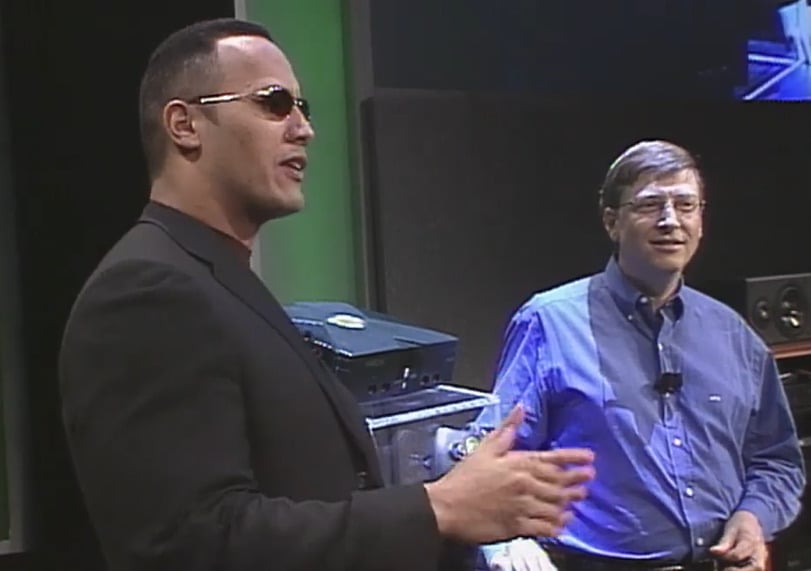
Laura Fryer was one of the first members of Microsoft Games Studios back in the ‘90s. There she served as producer on games like Crimson Skies. As Microsoft pushed internal teams towards the Xbox, she became one of the founding members, though with concerns about the software-focused company entering the hardware market. Now that Xbox appears to be in a state of collapse, Fryer says those initial skepticisms are coming true 25 years later.
“I was there helping build the very first Xbox, and I was one of the biggest skeptics on the team,” says Fryer in a new video. “My thinking at the time was that Windows was already the dominant gaming platform with over 90% of PCs running it… I felt like we were abandoning the most successful gaming platform in the world for a risky bet that we weren’t ready for.”

Fryer admits there was originally a bit of bitterness. Xbox was taking oxygen from her existing platforms, such as the Internet Gaming Zone, a portal that ran steadily through the late ‘90s. Still, she wrestled with more legitimate concerns about how Microsoft would mesh with the traditional hardware market, where console makers had established supply chains and could easily swallow losses with game sales and licensing. These fears subsided as the Xbox obviously did find its footing. For a heyday, Microsoft leveraged online gaming capabilities and hits like Halo, Fable and Gears of War, the latter Fryer was the executive producer on.
Now the fears are back. Even though the conditions are far different now than they were in the early 2000s, Fryer says a company structured like Microsoft is bound to curdle under these conditions. The AI-fueled hardware crunch (that’s partly their fault), cannibalized games sales off Game Pass (that’s entirely their fault) and a rapid expansion that’s only put more of the industry at jeopardy (ditto).
While some of these woes are industry-wide, Sony, Nintendo and Steam’s broader interests are not put at risk when they pool money towards their hardware. The same cannot be said of Microsoft, whose main product remains far more popular amongst gamers.
What Fryer believes will happen is that eventually Xbox will be forced to rally around Windows. That Xbox will not be executed but reevaluated, and the rapid growth they’ve chased in the past decade will be painfully undone. That the still unseen Helix may attempt to push its base back towards PC. This will partially be in response to the growth in gamers seeking alternatives to Windows, whether it’s bailing for Linux due to disgust with Microsoft, or the convenience of Linux-based devices like the Steam Deck.
“A lot of people love having a dedicated box under the TV that just works,” says Fryer. “Microsoft knows they can’t abandon the living room even if the math doesn’t work. That’s why they’re working on a way to bring the console experience to PC.”
