




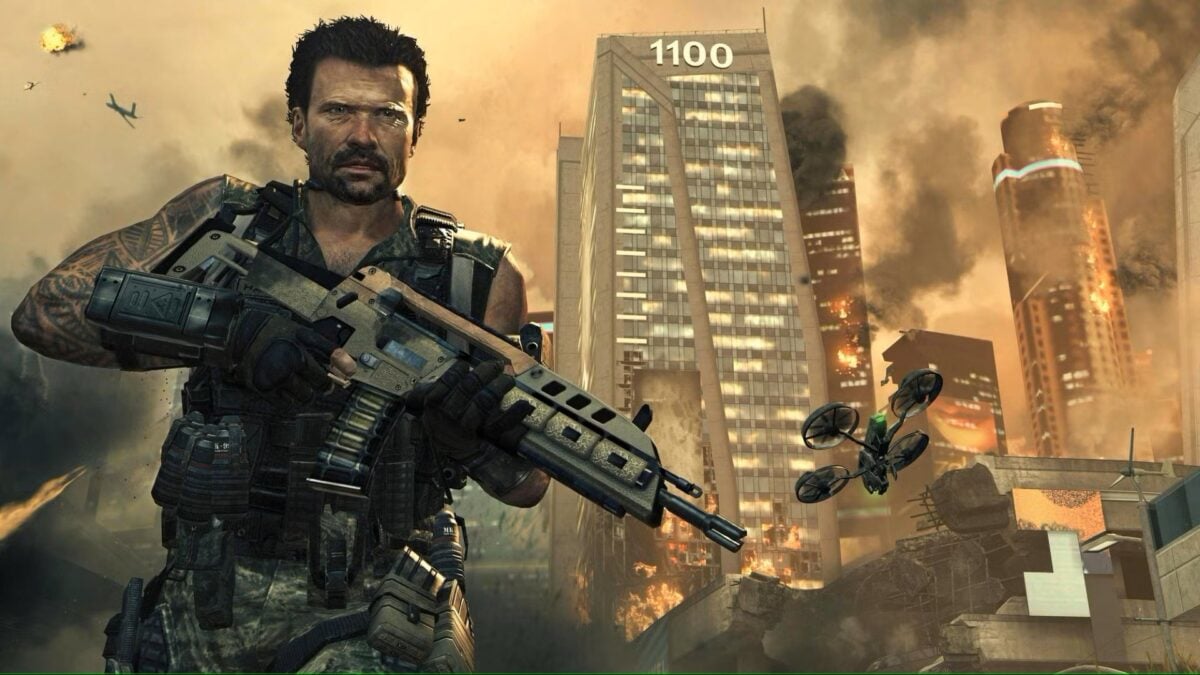




Earlier this year, Call of Duty: Black Ops and Black Ops 2 were re-released on PlayStation 5. These basic ports quickly became some of the most popular games of 2026, likely making Activision a lot of money in the process. And one dev who actually helped make those games, and claims to have crunched to get them done, says the whole situation is “bittersweet.”
In July, Activision ported the original Blacks Ops and its 2012 sequel to the PS4 and PS5, charged players $40 for each, and didn’t include any of the paid DLC. On paper, it seemed like a bad deal, but that didn’t stop a lot of players, nostalgic for CoD’s simpler and faster past, from forking over the cash. As a result, the Black Ops ports became two of the most played games of the year and will likely end up being two of the best-selling titles in 2026. And Gavin Goslin, who worked at Black Ops studio Treyarch for 15 years as a level designer and artist, has been watching all of this play out and shared his thoughts on the situation on LinkedIn.
“The recent Black Ops 1 and Black Ops 2 digital drops on PlayStation proved a couple of things,” posted Goslin.
“First, today’s gaming landscape is starved for the tight, high-quality experiences we used to get. Second, these legacy titles are still massive money-makers for Activision and Microsoft. Despite being basic $40 digital re-releases with zero new features, both titles immediately shot into the Circana US Top 10 for weekly active users. They are printing money off of work completed over a decade ago.”
According to Goslin, as someone who worked on both games, it is “bittersweet” to see both games charting so high and doing so well in 2026.
“I poured my life into those games, spending countless, brutal hours in crunch alongside an incredibly talented team to make sure they were perfect,” said Goslin.
“Seeing our blood, sweat, and tears still dominating the charts in 2026 is amazing, but it’s hard to watch the suits rake in giant financial windfalls from our old code while the actual creators don’t see a dime of it.”
Goslin points out that game execs make “massive bonuses” off the success of classic games being remastered and re-released. And yet, the people who actually made them don’t get a penny. That’s because the concept of residuals basically doesn’t exist in the game industry. So devs who toiled away for years on a game can’t expect to get checks in the mail every so often if people keep buying their titles, or to have funds put away into union-controlled accounts that take care of their members as in Hollywood.
“That wealth needs to be shared retroactively,” said Goslin. “Legacy revenue should mean legacy rewards for the devs who survived the crunch to build them.”