




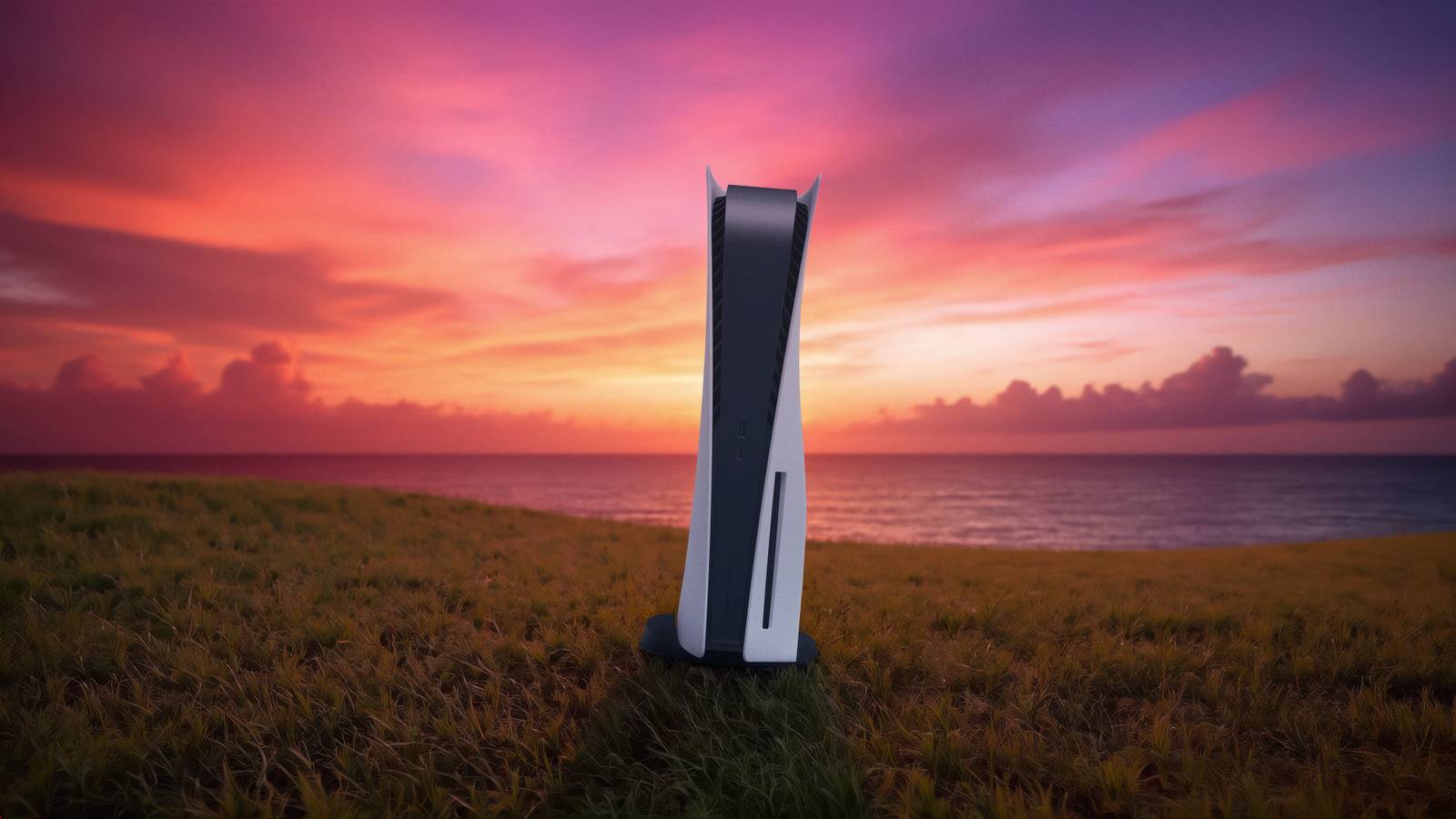
As the gaming industry continues to undergo a major funding squeeze, several companies are being forced to make extensive changes, and PlayStation is not spared either. Despite PlayStation’s pedigree in the console space, the fact remains that it cannot sustain its current trajectory; sales, funding, and a plethora of other industry shifts have resulted in layoffs, cancellations, and many other disheartening occurrences. And all of this has contributed to several internal changes at PlayStation in a short span.
Just recently, for example, PlayStation’s support for PC versions of its games has come to an end. Multiplayer, online games like Marathon and Marvel Tokon will continue to be multiplatform releases, but games like Ghost of Yotei and Marvel’s Wolverine will only ever be available on PS5 consoles—no ports are currently confirmed nor expected for these games. Similarly, PlayStation also shut down Bluepoint Games, which feels like a major statement regarding PlayStation’s resources and its support of remasters/remakes of its legacy games. And as if that wasn’t enough change across a handful of weeks, new developments have signaled the end of another era for the gaming giant.
PS4 Will Reportedly Start Losing Some Services in 2026
The PlayStation 4 is reportedly losing access to half a dozen services in 2026 as part of Sony’s continued efforts to sunset its last-gen console.
PSN is Changing, and That’s a Major Statement Too

Internal PlayStation emails, as obtained and viewed by Insider Gaming, revealed that the company will drop its “PlayStation Network” and “PSN” branding. Reportedly these changes are just visual and a means of properly capturing the breadth of PlayStation’s digital services, but that’s arguably a bigger shift than if it were to axe the service altogether. On the one hand, it makes sense: PSN is more expansive than ever, the PlayStation ecosystem has grown with support for PS4, PS5, and preparations for the PS6; and the interconnectedness of it all means making proper “PlayStation One” (that’s a joke about the Xbox One) branding is understandable. Everything becomes more directly about PlayStation with this ecosystem-first approach, while to be clear, there is no actual service loss.
But rebrandings happen for a reason, with the most obvious here being age. “Network” feels technical and like it belongs to the early 2000s, not 2026, fitting since the service came out in 2006. But that in and of itself is a shift of the guard: the language has to evolve from the people who supported PlayStation games and consoles in early 2000s to those who do in 2026, a time when the gaming habits of many are so different. Ultimately, this rebranding is for a new audience and a new era.


Rearrange the covers into the correct US release order.
Rearrange the covers into the correct US release order.
Easy (5)Medium (7)Hard (10)
By shifting the umbrella term for PSN to whatever replaces it, likely just a wider PlayStation account or something similar, PlayStation speaks to a new generation. But there are other elements: consolidating its modular services to a more current and cohesive branding, removing unnecessary key terms when services like PS Plus also exist, maintain flexibility and not following limits implied by PSN, and establishing the PlayStation ecosystem more dynamically, not necessarily unlike how Xbox has developed its ecosystem over the years. At the end of a day, it’s a cosmetic change, not a functional one, but it’s dressing itself up for an entirely new world and audience.
In fact, consolidating terms and making something cohesive—assuming something like a stronger emphasis on a PlayStation Account replaces PSN—would seemingly suggest that PlayStation is following the “This is an Xbox” strategy where it would further support PC releases and mobile devices. However, other changes mean this is almost certainly not true.
PC and Mobile Are Not Priorities for PlayStation
As aforementioned, Sony is moving away from PC ports of its games, meaning there’s limited (at best) plans to support PlayStation on PC. Some believed Sony would eventually make a PlayStation launcher for its own games, as a way (among many other benefits) of preventing PlayStation games being played on Xbox’s next-gen Helix console, but that’s unlikely to be the case if it isn’t preparing PC ports of its games.
Similarly, PlayStation recently laid off staff in its mobile departments; specifically, around 50 people were laid off, according to Bloomberg’s Jason Schreier. It’s a minor change and mobile is likely to continue receiving some support for where it matters, but it’s not an area where PlayStation is or otherwise historically was bullish. Bringing the PSN branding into a more cohesive ecosystem is more likely about the range of PlayStation consoles than a range of games coming from the gaming giant.
It’s also worth noting that the PS6 is believed to release in 2027-2028. Based on the current trends of the industry, it’s quite likely that the PS5 will continue to receive support during that time, if not the PS4. Cross-gen PS4, PS5, and PS6 games do not seem like they would be off the table, and simplified branding would support this as well, while sounding more modern.
The Era of Growth is Over
Finally, recent developments also suggest that the era of PlayStation (and competitors too) of picking up studios is over, and we are firmly in an era of closures. Bluepoint Games was not the first domino to fall, but it proved no domino was safe. Now, PlayStation has shuttered Dark Outlaw Games—a studio founded by Call of Duty: Black Ops/Zombies’ alum Jason Blundell.


It was formed a year ago, in March 2025, as a first-party PlayStation studio, and that journey is over now too. The era of endless growth is over, and the cost of executives learning this is the jobs of people making games you love. Yes, Dark Outlaw Games was a small studio; yes, it was unproven; no, all the comments about “who?” when learning this news doesn’t help anyone. The fact is, we may never know what game Blundell and his team were working on, and that means someone’s favorite game may have died before it ever got a chance to live. The next studio to close could be responsible for some of your favorite games.
Growth is over, and it really means no one is safe. That’s not what anyone should hear about their job, but it’s the reality of the current state of the industry. Bluepoint was closed, it was a juggernaut, and its tenure came to an end. Dark Outlaw Games was not a well-known studio, and its tenure came to an end. From one extreme to another, at least in matters of public perspective, any studio in-between could be closed. No one knows what’s on the other side of these era-defining changes and cuts, and that in and of itself is a terrifying prospect.