




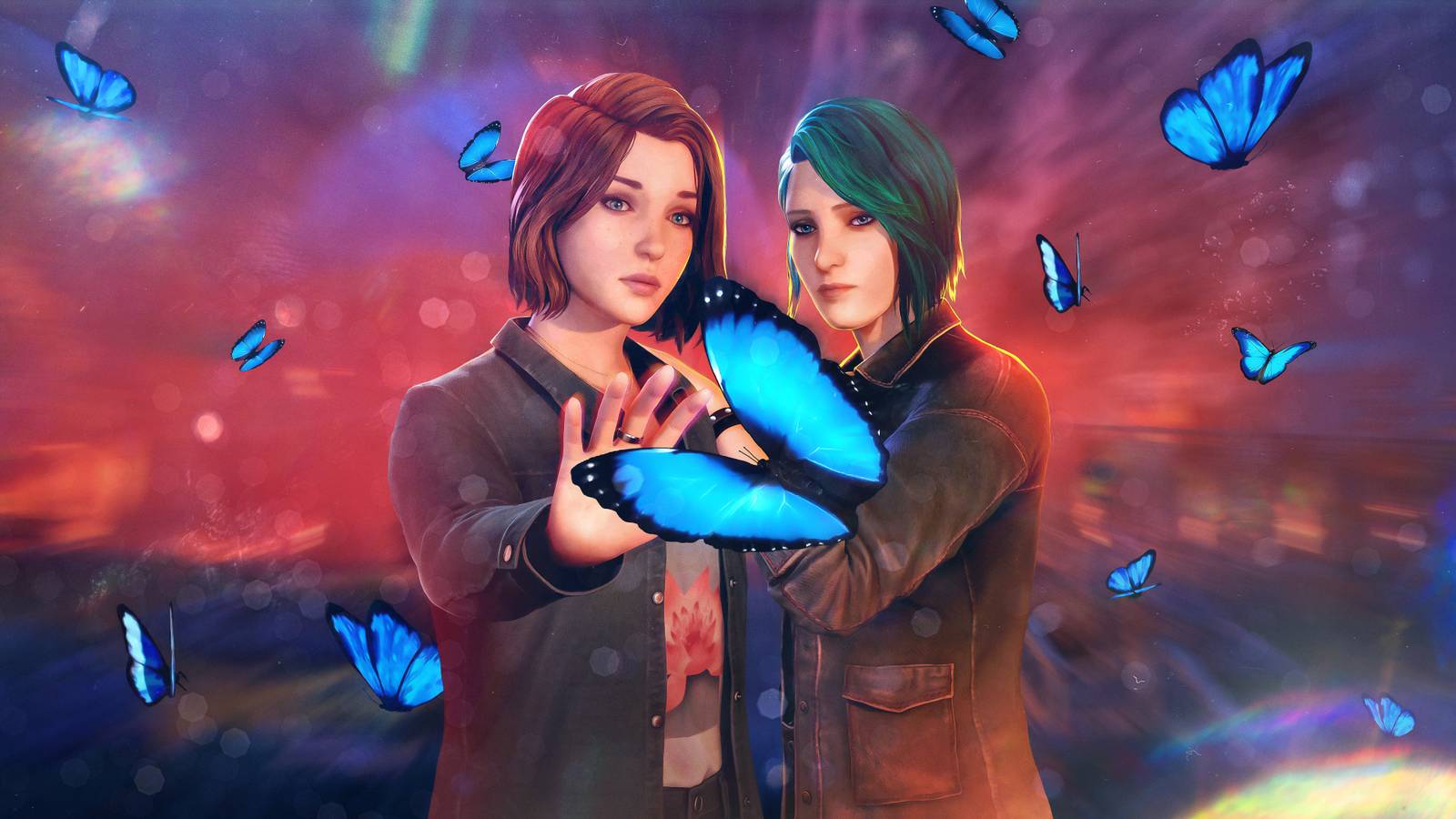
When Life is Strange: Reunion was first announced, many fans were surprised because Double Exposure was reportedly a huge loss for publisher Square Enix. Compounding this, although not likely the only reason, is how fans were upset by Double Exposure’s treatment of Max and Chloe’s relationship. It seems many fans expected developer Deck Nine and Square Enix to end Max’s return as quickly as it had begun. However, the next game was always narratively set up, and it seems Deck Nine took the hit on the chin and came back much stronger.
I basically grew up on narrative, choice-based games and love the genre dearly. I’ve played every Life is Strange game, every major Telltale game, the entire Dark Pictures Anthology, Supermassive’s other horror titles, and essentially every must-play in the genre. I have completed a half dozen playthroughs in Dispatch at that, and I will no doubt buy and play it again when it comes to Xbox. All of this is to say, I’ve experienced the highest highs of this genre and the lowest lows. Where Life is Strange: Double Exposure was the latter, Life is Strange: Reunion is the former.
When Life Strange: Double Exposure was first announced, I was more open to Max’s return than most. I was intrigued by how Deck Nine could tackle her relationship with Chloe, the consequences of the original game, and give Max a new life. The timeline hopping seemed like a strong expansion of the gameplay, too. Unfortunately, I was mostly disappointed by the game. Beyond just the irresponsible handling of Max and Chloe, the heavy Marvelization of Life is Strange (down to a “Max Caulfield will return” title card) felt like a misunderstanding of the franchise. It left me with a lingering question: why was this a story worth telling? Without an answer, it made Life is Strange: Double Exposure feel more like a nostalgic cash grab than a triumphant return of the original character, but now, Life is Strange: Reunion gives me an answer.
Life is Strange: Reunion’s Story is an Absolute Highlight, if Not Perfect
Life is Strange: Reunion‘s story is not perfect, but the pros far outweigh the cons. There are times when it feels inconsistent, there are times when it feels messy, and there are times when it is rather heavy-handed about Max’s conflict over her powers, which is not a new theme whatsoever. At times, it asks players to accept a few narrative contrivances that feel Max-level corny at best and a little dissonant at worst. But at its heart is a Life is Strange story, one completely befitting the franchise.
Throughout the game, there are multiple narrative framing devices at play: the larger threat of the fire at Caledon University, the impact of the Caledon storm on the greater town area, the secrets of a college occult society, the return of Chloe Price, and the ever-present past and its impact on the future. All of this is connected, and players are rewarded by paying attention to the little details. Based on the popular choices listed in Life is Strange: Reunion‘s ending slides, there are at least a couple of major elements that have gotten past players so far, which is not all that surprising.
But everything takes a step back when Life is Strange: Reunion focuses on the moments between Max and Chloe. One thing Life is Strange: Double Exposure got right was making Max feel like Max, despite the years that had passed, and the same can be said of Chloe and Life is Strange: Reunion. Bringing them back together results in moments that are adorable, heartwarming, and incredibly vulnerable.
It is through their relationship, and seeing how the two of them are still dealing with their baggage, that I found my answer. I will not spoil anything, of course, but I will say this: because of how well Life is Strange: Reunion understands and explores guilt, trauma, and their lingering impact (most importantly), from Arcadia Bay to Caledon University, I found a resonant story that deserves to be told, that more than justifies the return of Max and Chloe, that could not be told by anyone else. It’s not perfect, but it captures the chaos and strangeness of life that largely defines the franchise.
Choices Are Essentially A/B Tests
While the story is an absolute highlight, it does come with a degree of agency removal. Many fans, including myself, love these games because of the way our choices can influence outcomes. While that remains true here and is sometimes the result of compounding little decisions, most choices come down to A.) an obvious good decision and B.) an obvious bad decision. In its best moments, however, this is about paying attention to the small details. This A/B test is sometimes more complex, instead rewarding players for how they piece together the multiple narrative frames at play, but by and large, its choices are not groundbreaking.
Ultimately, Life is Strange: Reunion is a narrative, choice-based game, but it leans more heavily on the narrative elements. As far as choices go, the game is more like Dispatch than, say, The Walking Dead. Despite the trade-off, the story comes in strong enough to mostly, if not entirely, make up for this handling of player agency.
Gameplay is Straightforward
While not executed the best, Life is Strange: Double Exposure let fans explore two different times—adding a little twist to the gameplay. That’s not the case in Life is Strange: Reunion, with the actual gameplay being rather straightforward. Players explore an environment, interact with items in that environment, and progress the story by interacting with obvious elements at their leisure. There are certainly moments where this is made more hilarious, rewards players for their attention, and/or gives them ample room to enjoy that exploration, but it’s definitely not the focus. Life is Strange: Reunion is not necessarily imaginative in its gameplay, nor does it really stand out in the genre at large, but it’s an acceptable vehicle for piecing together all the little things.
It took me 10 hours to complete Life is Strange: Reunion, missing only a handful of clues and collectibles across both characters.
Life is Strange: Reunion is a Heartfelt Story That Deserves to be Told

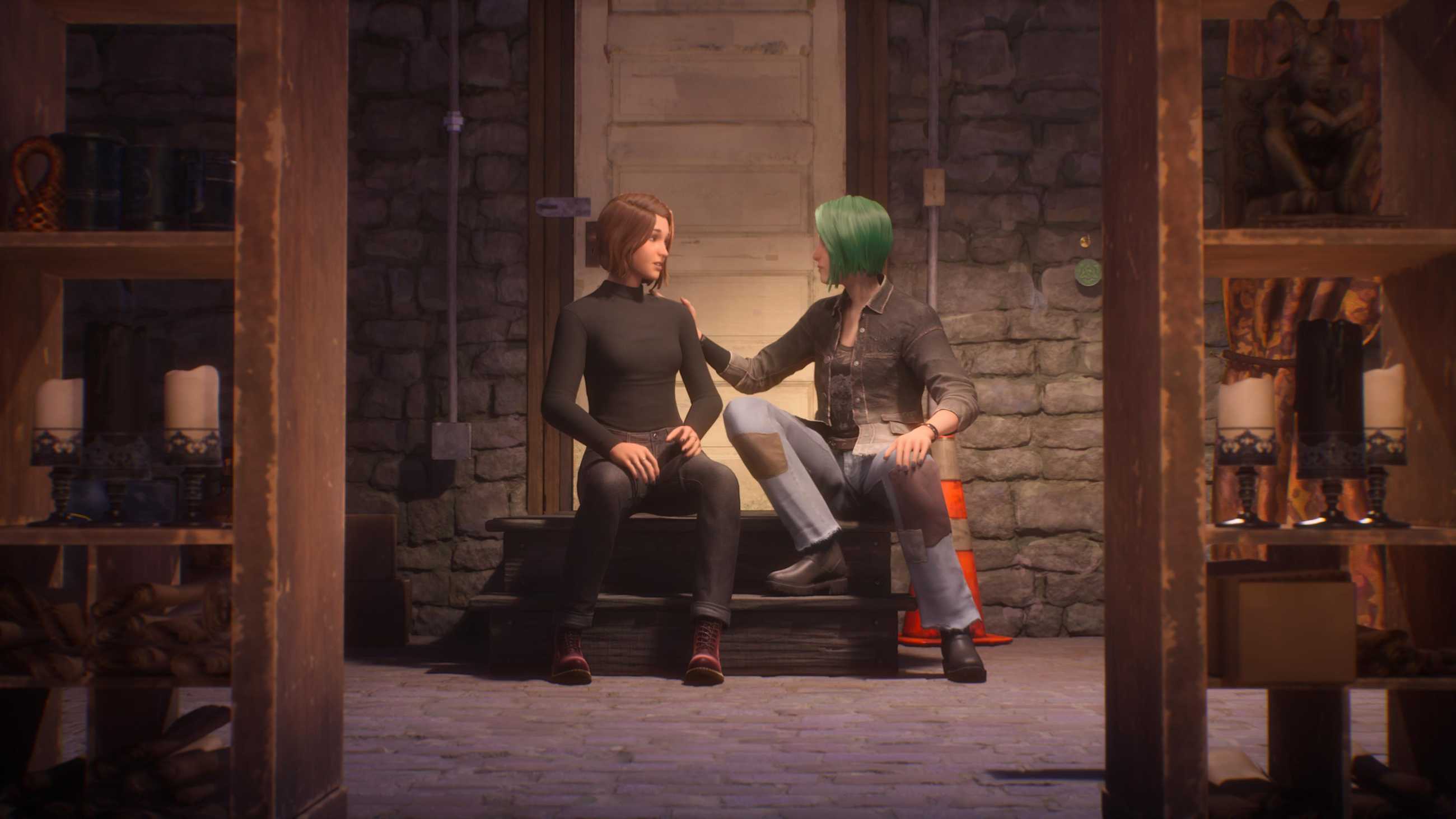
After Life is Strange: Double Exposure‘s disappointment, I did not expect much from Reunion. I expected my lingering question of why this story was worth telling to once again go unanswered. But as the multiple core narratives did their thing, as I took in the small and vulnerable moments with Chloe and Max, and as my low expectations were continuously raised by the story, I realized that Life is Strange: Reunion delivers that answer.
From the moment Life is Strange: Reunion begins to the very last choice, that answer is woven into every conversation, every contemplative moment, and every relationship. The answer lives in the same way Max Caulfield and Chloe Price navigate the weight of their pasts, the burdens of their present, and the uncertainty of their futures. And by the time the credits roll, it’s clear the answer to my question was always meant to be felt, understood, and ultimately accepted, one way or another.
Life is Strange: Reunion is available now for PC, PS5, and Xbox Series X/S. GameRant was provided with a PS5 code for this review.