




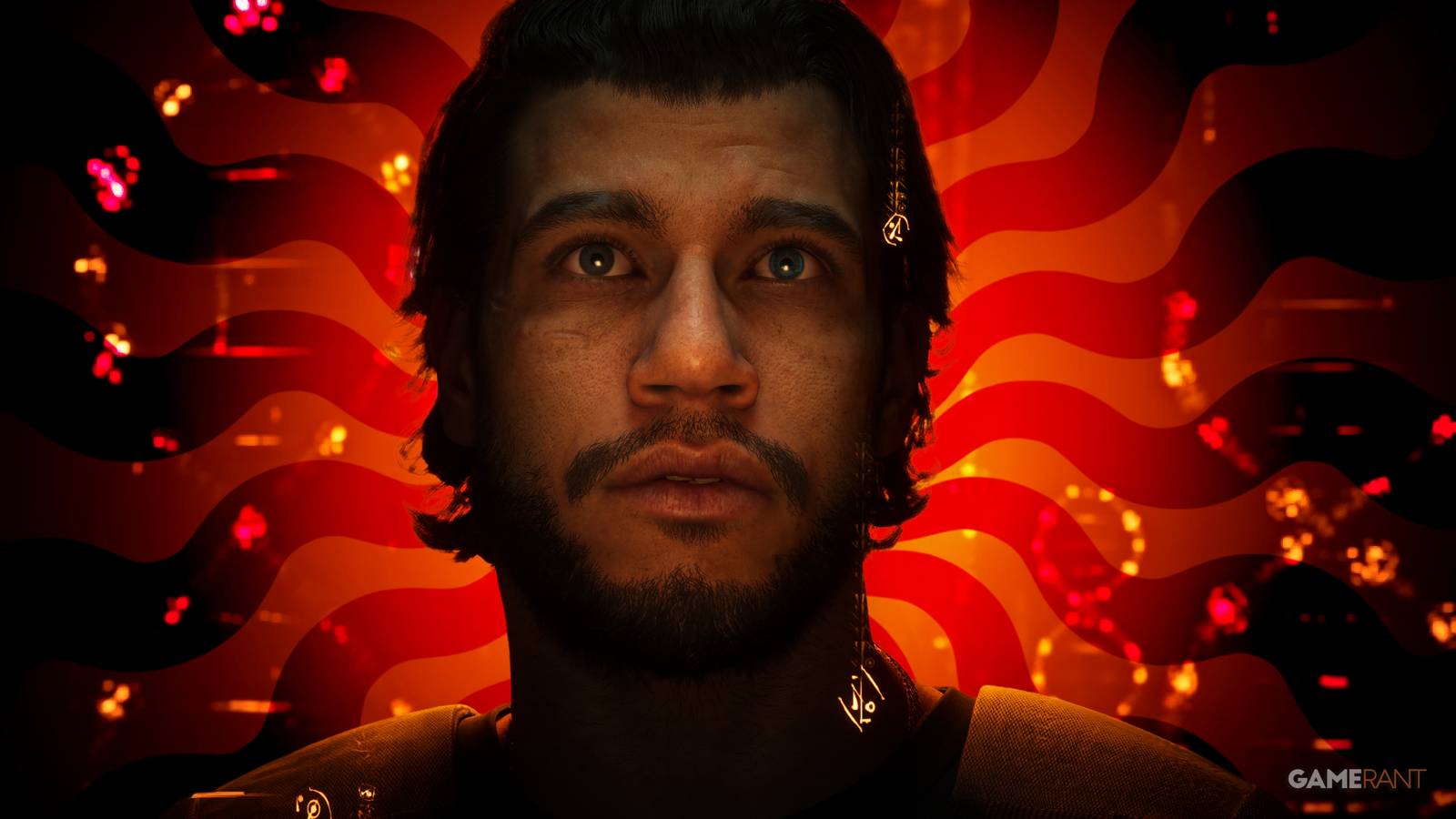
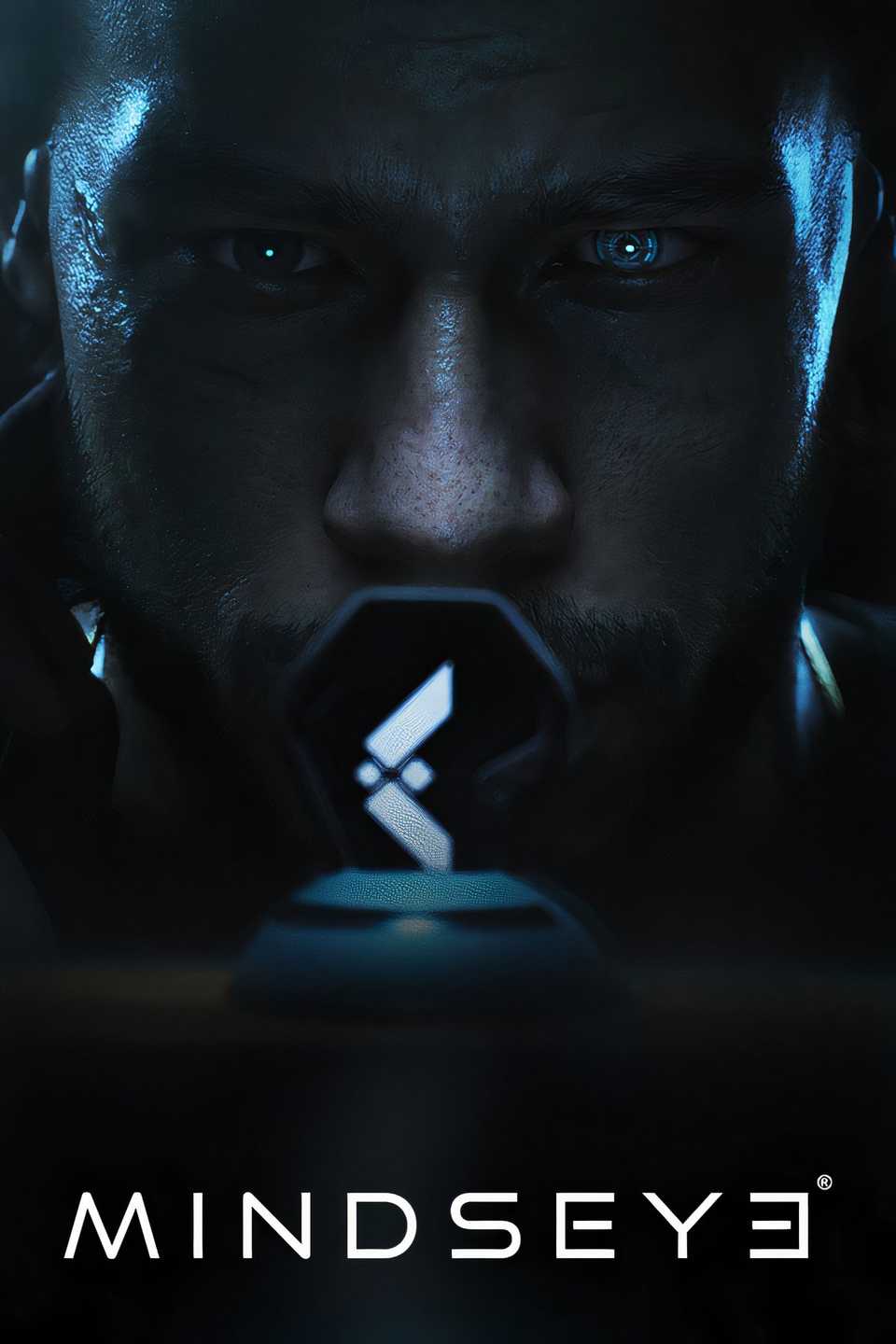
When Build A Rocket Boy (BARB) first unveiled its debut title, MindsEye, the Edinburgh-based studio was making a statement. The title was marketed as something beyond a cinematic single-player action game, a proof of concept for Everywhere, an ambitious user-generated content platform that some early coverage likened to a next-generation Roblox. Industry faith in BARB’s vision raised over $100 million in total funding and pitched the studio in as part of a major new force in triple-A development—but in MindsEye‘s case, the higher the expectation, the longer the fall.
The public face of MindsEye’s commercial ambitions was Leslie Benzies, studio founder and former Rockstar North president (producer behind some of the Grand Theft Auto series’ most celebrated entries), alongside co-CEO and fellow industry veteran Mark Gerhard. Over the course of around 9 months, the two would find themselves at the center of a controversy that has, if anything, only grown stranger over time. The game’s problems began months before its release and have evolved into a complex, multifaceted controversy that is still very much ongoing.
MindsEye Developer Reportedly Hit With Layoffs
A new report claims that Build a Rocket Boy, the studio behind MindsEye, has been hit with layoffs after the game’s disastrous launch this month.
Pre-Launch Warning Signs and Early Sabotage Claims
The first sign of trouble came in a Discord Q&A ahead of the game’s release, where leadership reportedly claimed that a portion of the negative reception building around the title was not organic. Gerhard suggested that bot farms may have been used to post negative comments and artificially inflate MindsEye‘s dislike counts. It was an unusual situation, one in which the studio was already managing a sabotage narrative alongside its marketing cycle.
That pre-launch uneasiness was compounded at the very last minute, as reports cited executive departures at Build A Rocket Boy approximately one week before the game’s release. It was the first indication of internal disruption, and it came at one of the most critical moments in any game’s lifecycle. The timing raised obvious questions about the state of MindsEye’s development and the depths of its challenges, and the limited availability of review copies only added to the speculation.
Mindseye Launch Reception and Technical Criticisms

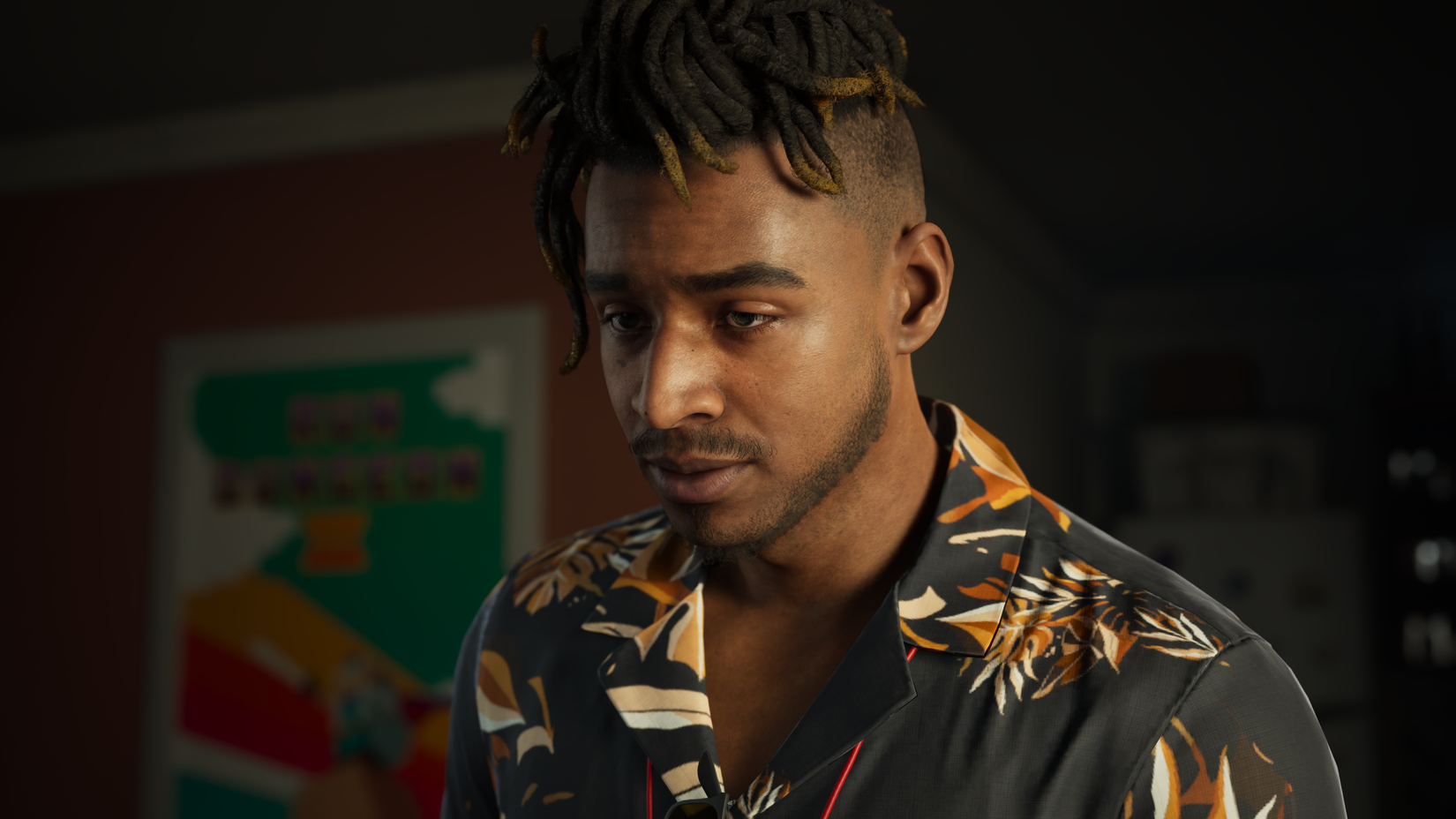
When MindsEye launched in June 2025, reception was swift and largely damning. Critics and players cited widespread bugs, crashes, performance instability across platforms, and gameplay systems that felt inconsistent or underdeveloped for a production of its stated scale. Metacritic would eventually rate the game at a 37, he lowest score of any release that year, and refunds were issued to some Playstation players who had purchased the title.
Layoffs and Claims of Internal Sabotage
Layoffs followed almost immediately. Reports indicated that Build A Rocket Boy began redundancy consultations affecting hundreds of staff members as part of a broader restructuring. But layoffs were not the only thing waiting for the remaining staff.
According to a BBC report from October 2025, Benzies addressed employees in the aftermath of the launch and attributed part of the game’s failure to saboteurs operating within the company. It’s a claim that landed poorly among a workforce that had reportedly endured months of crunch to ship MindsEye. For many, it was the moment that turned disappointment into something much more offensive.
Internal criticism of leadership began to surface publicly, and developers signed an open letter demanding apologies Benzies and Gerhard, citing what they described as longstanding disrespect, mismanagement, and mishandling of the redundancy process. Former analyst Ben Newbon, quoted in coverage following the letter’s publication, stated that staff had been subjected to months of crunch prior to launch, resulting in what he described as significant physical and mental health consequences, and that responsibility for the game’s failure to launch was being misappropriated:
“Studio leadership have chosen not to take responsibility for the game’s failure and instead blamed saboteurs”
Employee Criticism and Union Involvement

Separately, the Independent Workers’ Union of Great Britain reportedly filed legal action against Build a Rocket Boy over how the layoffs were handled. Former staff spoke to various outlets and described a development environment characterized by what they called “knee-jerk” decision-making. Leadership reportedly redirected entire teams to new priorities mid-development, a pattern that allegedly contributed to the project’s lack of cohesion.
Escalation of the Sabotage Narrative and Separation from Publisher
By February 2026, Benzies was stated to be on a “temporary leave to recharge,” and further reports were implying that the external sabotage claims from leadership were becoming more specific and more serious. Insider Gaming reported Gerhard had told staff internally that the studio had accumulated “overwhelming evidence of organized espionage and corporate sabotage,” and claimed that a campaign funded to the tune of over $1 million by a “very big American company” had been directed to undermine MindsEye‘s commercial prospects at the behest of another UK-based company. This reportedly included bot activity and organized efforts to shape public perception.
By March 2026, IO Interactive, which had served as the game’s international publishing partner, announced that it had ended its collaboration with Build A Rocket Boy, returning full publishing rights to the developer. IO Interactive’s CEO Hakan Abrak previously distanced the company from sabotage claims. Separately, reports indicated that Build A Rocket Boy’s satellite studio in Montpellier, France, had been placed into judicial liquidation, adding to the mounting picture of organizational strain.
The “Blacklist” Update and Narrative Escalation
The most unusual development in the already outlandish story actually came alongside Gerhard’s reported internal comments, with plans for an in-game mission—reportedly an asset flip of the Hitman collaboration—that would incorporate the subjects of the sabotage allegations directly into the content. Later, in Gerhard’s March 2026 interview with GamesBeat, the same message was echoed more publicly, confirming that a post-launch mission called Blacklist would be used to “share some of the evidence of the sabotage with the community.”
Gerhard also claimed that authorities in both the UK and the United States were involved in an ongoing investigation into the sabotage, though he indicated the studio was deferring further public comment pending legal proceedings. The decision to address alleged real-world corporate espionage through in-game storytelling is, by any measure, without obvious precedent.
What Remains to Be Seen

The MindsEye story is, as of writing, very much unresolved, but Gerhard, for his part, acknowledged that the launch was deeply flawed. In the GamesBeat interview, he stated that MindsEye had experienced what he considered “without doubt, the worst launch in history” whilst simultaneously maintaining that external actors worsened those failures. It’s a dual position that has drawn skepticism from former employees, the press, and players alike, especially since it fails to address the alleged claims of internal saboteurs, too.
What is clear is that Build A Rocket Boy intends to keep going, and the Everywhere platform remains the guiding vision, even as its operational capacity has been significantly reduced. “The end state we want to be at,” Gerhard said in his GamesBeat interview, “is where the community can make their own [content] and can dream up their own creations, and again, without being a studio or needing to program or anything.” Whether the evidence promised in the Blacklist update will materialize, legal proceedings clarify the picture, or MindsEye itself finds an audience willing to return remains, for now, an open question.

- Released
-
June 10, 2025
- ESRB
-
M For Mature 17+ // Blood, Sexual Themes, Strong Language, Violence
- Developer(s)
-
Build A Rocket Boy
- Publisher(s)
-
IO Interactive Partners A/S