





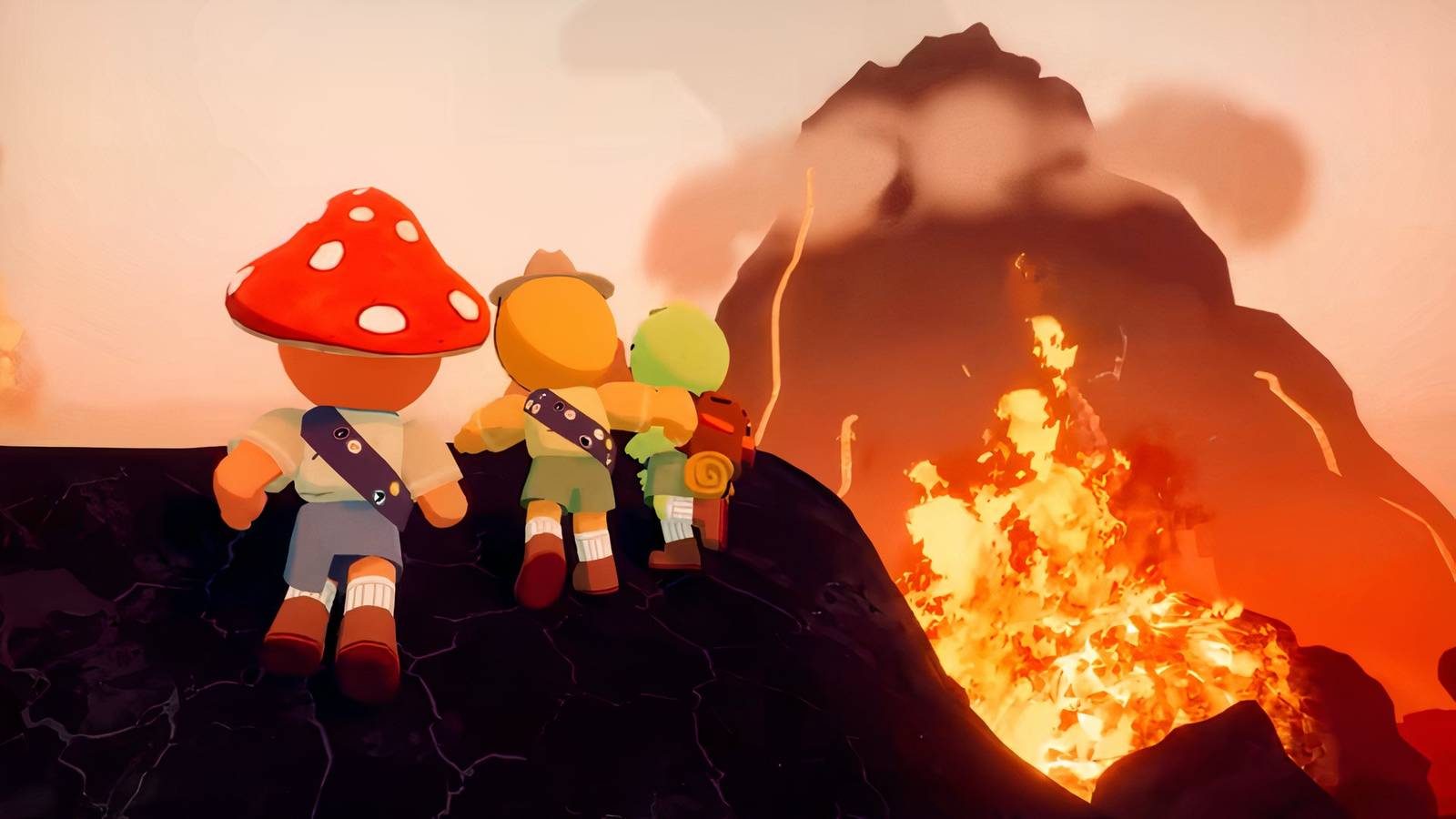
Sure, co-op games can be a lot of fun, and those who get to experience them with their closest friends are definitely lucky ducks. However, not all cooperative experiences are created equal, as there are some games that simply allow multiple people to play together, and there are others that focus so much on co-op that it becomes one of the most important aspects of the gameplay. After all, most people would agree that sharing the same lobby and working towards the same objectives doesn’t necessarily mean that players are required to really rely on each other. And this is exactly where Peak stands out.
The game arrived on PlayStation 5 on October 22, 2026, and as far as its premise is concerned, it is actually quite simple: four players get together, and they must work as a team to climb a mountain and escape an island. However, what makes Peak so interesting is that it encourages players to interact with one another throughout the journey, and it is a great example of why co-op games could benefit from making cooperation part of their core mechanics.
Peak Makes Helping Teammates a Necessity

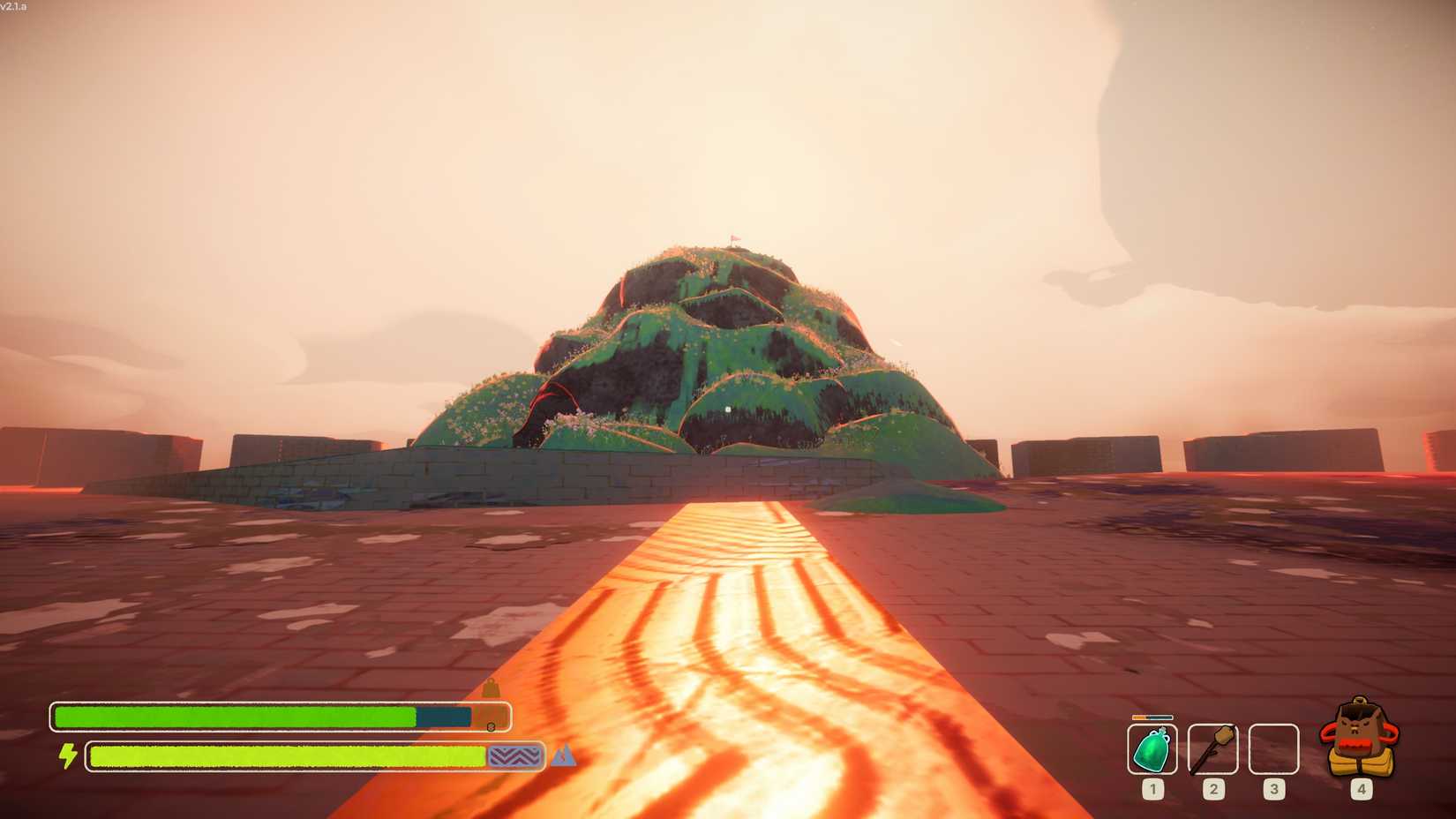
Overall, Peak is all about helping your teammates and not just when you have the urge to be nice for once. Cooperation is actually an important part of the climbing experience because the team constantly encounters difficult obstacles. For example, players will often have to help their teammates reach higher ledges by lifting them up, and there is simply no other way for the team to progress. This makes the entire experience feel a lot more cooperative than most people are used to because the actions of one person literally affect the progress of the entire group.


Guess the games from the emojis.
Moreover, players are allowed to use equipment such as ropes and climbing spikes, which is very useful for the person who is leading the group because it allows them to create a more accessible route for the rest of the team. So it’s safe to say that the game rewards players for thinking about how their actions can benefit everyone in the group rather than focusing on completing their own task and praying that the rest of the people will just figure it out by themselves.
Survival Mechanics Turn Cooperation Into a Strategic Challenge
-

-

-


Of course, Peak is not only about climbing, as the game also features a few other survival mechanics to keep things interesting. For example, players have to be aware of their stamina while dealing with injuries and always make sure they have enough food and equipment to continue the journey. Moreover, the team has to make decisions about how to use its available resources, especially when the supplies are limited.
Peak can also be played solo, although the game is primarily designed around cooperation between up to four players.
To give an example, the team has to cooperate on making the best decision when we’re talking about something as simple as an energy drink because it might be much more useful to someone who is struggling with stamina than to someone who has a completely different issue that prevents them from continuing. Similarly, players also have to consider when it makes the most sense to use valuable equipment rather than spending it at the first opportunity they get. These decisions introduce a strategic challenge around the cooperation elements, and as a result, Peak is a great example of how survival mechanics can make cooperative gameplay a lot more interesting without necessarily introducing extremely complicated objectives.
Even Communication Is Part of the Challenge in Peak

Another very interesting aspect of Peak is the way it approaches communication between the team members. Everyone knows that voice chat is one of the most common features in multiplayer games, and it is usually very useful, but Peak features the so-called proximity voice chat. This means that communication is directly affected by the distance between the players, so positioning becomes a lot more important than usual. Those who venture too far away from the rest of the group will have to survive on their own until they find their way back, which can be quite dangerous and only strengthens the idea that teamwork is not optional.
It’s not about the destination, but the journey and the people you share it with.
Moreover, it’s also another reason to pay attention to what the rest of the team is doing so nobody falls behind. For example, communicating about dangerous areas or possible climbing routes can actually make a significant difference, just like it would if you were trying to climb a mountain in real life. Ultimately, Peak shows how something as simple as proximity voice chat can actually become a meaningful gameplay feature.
Peak Proves That Great Co-Op Doesn’t Need Complicated Objectives
-

-

-

Overall, Peak‘s main objective is actually very straightforward, and there is generally no need for a very complicated mission structure to explain what players should be doing. In any case, the game features a map that changes every 24 hours and introduces different routes and obstacles for players to overcome. This adds another layer of complexity to the game because even though the overall objective is always the same, the journey itself doesn’t really play out in exactly the same way every time. Those who have gone climbing know that you can climb it five times, and nature will always find a way to surprise you, making each experience unique, so this follows the same logic.
Moreover, just like in real life, venturing into the mountains alone is a terrible idea, and you actually need the people around you to be able to survive. Ultimately, Peak demonstrates how cooperative games can benefit from making teamwork a necessity, thus making the game extremely entertaining without having to introduce a thousand objectives. Moreover, it’s a good example of the old saying that it’s not about the destination, but the journey and the people you share it with.




- Released
-
June 16, 2025
- Developer(s)
-
Landcrab
- Publisher(s)
-
Aggro Crab, Landfall