








Steam never seems to disappoint when it comes to horror games. That’s not literally true, of course—there are plenty of janky, distasteful, and downright bizarre horror games on Valve’s digital store. But that vital originality and verve, often from solo developers or small studios, make the PC horror space so special.
And every now and then, a horror game on Steam becomes so popular that it becomes totemic: other developers receive a spark of inspiration from these titles, and numerous homages and shameless clones are published in the succeeding years. A recent example of this phenomenon is the game Iron Lung, whose simple, one-room premise proved surprisingly effective, horrifying players through its subtle, open-ended story and thick, eerie tone. Of course, you might argue that something like Five Nights at Freddy’s or even Slender may have helped populate the simple, short horror game formula years ago, but still, Iron Lung clearly stands to be memorable and influential. Whether it’s intentionally following Iron Lung’s lead or not, the recently revealed Lead Coffin from solo developer Julian Dusan is certainly reminiscent of it, although it trades a submarine on an alien planet for a tank during World War 1.
Lead Coffin Looks Like a Tense, Claustrophobic Nightmare
Lead Coffin Is About the Horrors of WWI Chemical Warfare
Though it’s understandably overshadowed by the devastating atomic weaponry of WW2, the advent of certain kinds of chemical warfare during WW1 ought not to be glossed over. WW1 marked the first documented use of mustard gas, a dense mist made from, among other chemicals, sulfur and either chlorine or bromine. Its main effect is causing severe blistering upon contact. If inhaled, it can even cause blisters in the lungs, leading to an especially painful death. For those soldiers in the trenches, mustard gas was like a demon, an impossible, inexplicable threat that had never been seen before.
Mustard gas isn’t technically a gas, but rather a fine mist. This is an important distinction because, unlike a proper gas, this chemical weapon can soak through clothing, making preventative measures much more challenging.
Rearrange the covers into the correct US release order.


Rearrange the covers into the correct US release order.
Easy (5)Medium (7)Hard (10)
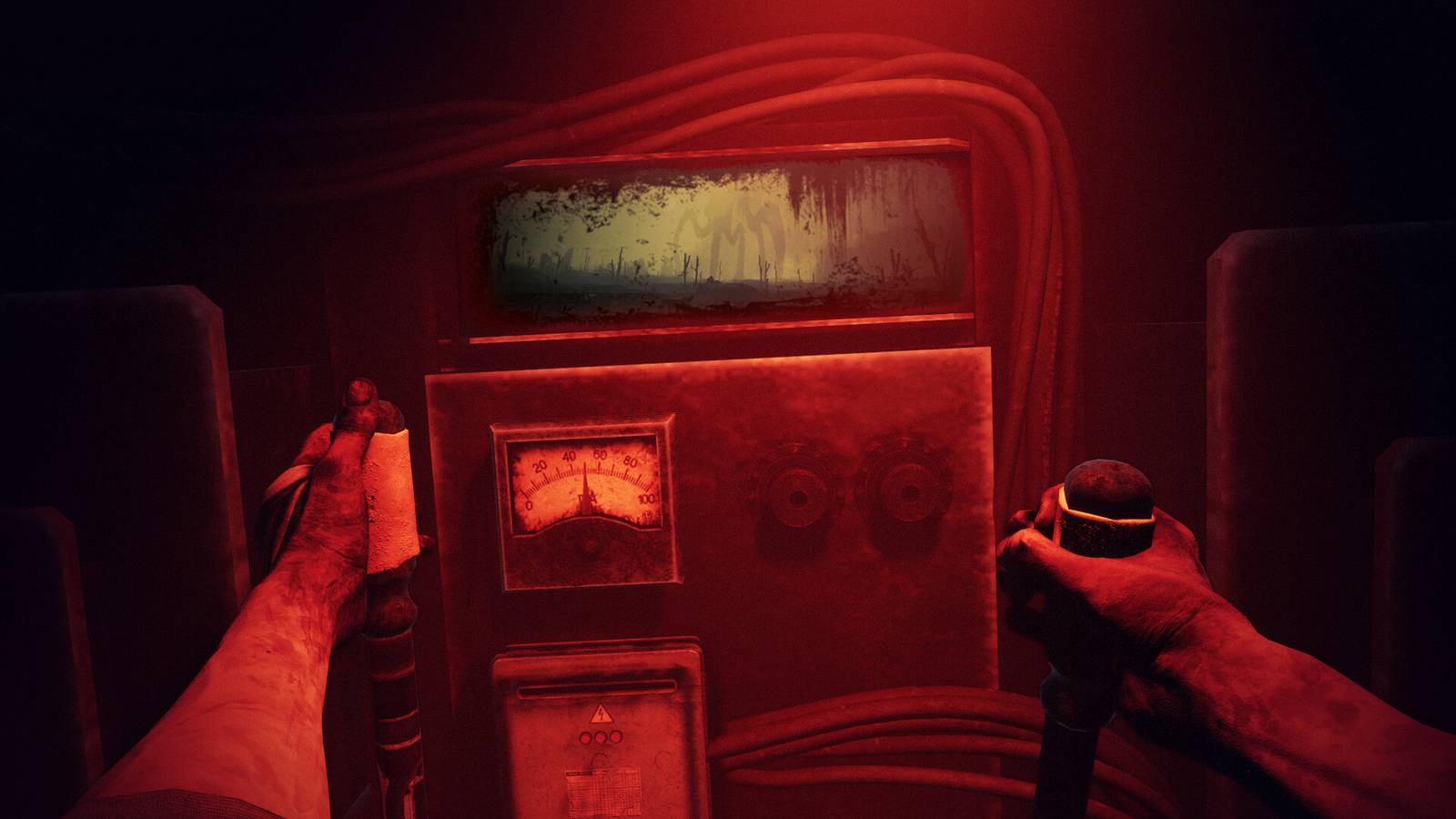
This terrifying technological advancement is what Lead Coffin is built around. The player-character is trapped, alone, in a tank while mustard gas surrounds him. Within the gas is a hulking monster that’s tracking him, and he must maneuver the tank through the literal fog of war while avoiding it. Of course, there’s always the chance that this monster is simply a manifestation of the protagonist’s stress or trauma. Like the best psychological horror games, Lead Coffin seems to want the player to doubt their own senses.
More Than Just Scary, Lead Coffin Can Say Something Meaningful
It’s always fascinated and frustrated me how there’s so much war-themed media out there, especially in the world of gaming, but so few war movies, games, and TV shows that actually say something compelling or powerful about the subject. Often, these stories are more about heroism and aspirational, lofty ideals, but war is often not like this. For those who live through it, it’s mostly terrifying, brutal, and cruel. Mustard gas is a good example of this overwhelming, bleak ugliness: even at the time of its creation, it was viewed globally as a barbaric and cowardly weapon for its sheer, detached destructiveness. Games like Spec Ops: The Line, with its infamous white phosphorus scene, hone in on this nightmarish violence, which most mainstream war media usually glosses over.


I’m not sure how Lead Coffin will feel to play, but its bold premise already says a lot. It’s not every day that we get confronting games about warfare, and it’s even less often that these stories come paired with unique gameplay. Even the aforementioned Spec Ops: The Line plays like a standard shooter most of the time. Hopefully, Lead Coffin’s focused mechanics will elevate its harrowing subject matter.
