








As the world shut down in 2020, trends kept people connected. The emergence of TikTok dances, sourdough making, and Dalgona coffees took the internet by storm. But some video games emerged as the social glue that kept the world together. Among Us literally reshaped internet culture and served as ground zero for popular memes and phrases like “sus.” While Among Us left many gamers with fond memories of a dark time, its impact is likely to endure throughout the rest of the decade. That means many games like it will be on players’ radars for years to come. For anyone chasing that familiar and nostalgic high, there is an upcoming game on Steam that will check all the right boxes.
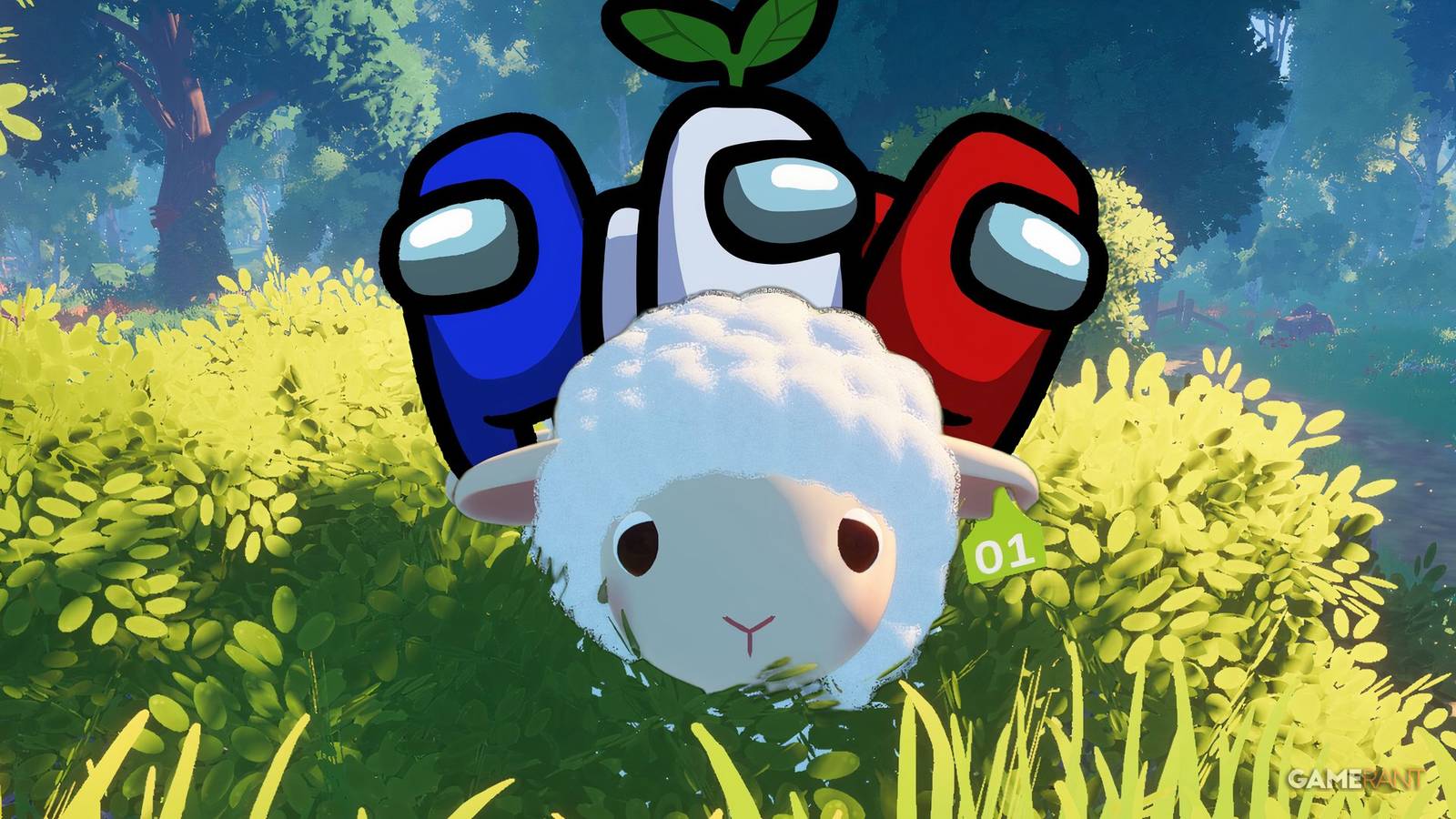
A new social deduction game is heading to Steam, and while it swaps spacesuits for wool, the pitch is immediately familiar. Hide and Sheep is an upcoming two-to-ten player online multiplayer game that blends deception, deduction, and a lot of baa-ing. Releasing on March 3 on Steam, it’s essentially Among Us on a farm.
Hide and Sheep’s Features at a Glance
- Blend in with AI sheep by mimicking their movements and behavior.
- Hunt suspicious players and eliminate them before they strike first without blowing your cover.
- Try mysterious mushrooms with shifting colors and unpredictable effects.
- Get placed on multiple maps that include farms, forests, and open meadows.
- Adapt to dynamic environments to avoid getting caught.


Best Co-Op Games On Steam To Play Right Now
From online multiplayer titles to local masterpieces, Steam has plenty of fantastic co-op games that should be played in 2026.
Hide and Sheep and Among Us, Where Blending is the Real Battlefield
When the time is right, eliminate them! Just be cautious, every attack risks blowing your cover!
Hide and Sheep challenges players to blend in with a flock of AI-controlled sheep while secretly hunting down the other human players tasked with doing the same thing. The twist is that everyone looks identical at a glance. While the premise invites obvious comparisons to Among Us, Hide and Sheep carves out its own identity through environmental mimicry and enemy AI integration. Instead of completing tasks or calling for emergency meetings because they’ve found a body, players must rely solely on perceived body language and situational awareness.


Balance the critic averages
Balance the critic averages
Easy (6)Medium (8)Hard (10)
Unlike traditional social deduction games that rely heavily on voice chat deception, Hide and Sheep lean into physical performances. Players must carefully mimic the patterns displayed by the AI sheep around them. They have to graze, wander, idle, and react naturally to avoid suspicion, so in this case, everyone is the impostor.
The environment also plays a major role. Tall grass, terrain shifts, and map-specific cover can help players disappear into the flock or expose them if they misuse it. The result actually rejects the Among Us task system, and instead is more like acting in a silent improv show where one wrong beat will get you eliminated. But also, determining what is “wrong” is part of the hilarity.
- Moved deliberately? Suspicious.
- Turned too sharply? Suspicious.
- Stood still for too long? Extremely suspicious.
In Hide and Sheep, It is Hunt or Be Hunted


In Hide and Sheep, blending is only half of the game. Players must actively search their flock for strange behavior. If a player observes a sheep moving even slightly off pattern, they must take note of their ear tag number. When the opportunity presents itself, they can eliminate them. However, an attack can risk exposing a player pretending to be a sheep. Just like Among Us, there is no chaotic button-mashing in Hide and Sheep. But also, players don’t get to talk their way out of suspicion. Timing, positioning, and awareness will make or break the experience.
Hide and Sheep’s Maps Change the Way You Play
Among Us‘ maps demand something different from every player. However, the outcomes are just about the same every time: vent or survive. Hide and Sheep, in turn, drops players into a variety of rural environments, including farms, forests, and open meadows. Each map offers different forms of cover and layouts that might affect strategy. Because deception is rooted in movement rather than menus, map design directly influences how convincing you can be. A dense forest might reward tight clustering balanced by careful observation. An open meadow could force bolder plays as the hiding spots become scarce. Traditional chokepoints, such as fences or barns, can emerge from a farm setting.

Mushrooms, Anyone?
Each match also features a randomized set of mushrooms scattered throughout the map. Their colors change every game, so players won’t know what they do right away. The only way to learn their effects is to either observe other sheep or eat them themselves and hope for the best. Mushrooms can help, hinder, or even do both at the same time. The uncertainty adds a layer of risk-reward experimentation that keeps matches unpredictable.