





Perhaps one of the greatest strengths of Overcooked is that it can prove that even the simplest tasks can turn into absolute chaos, especially when you’re playing with someone who has no idea what teamwork should look like. And even though cooking a meal shouldn’t be a particularly difficult task for any person, both in-game and in real life, things tend to look completely different when you’re trying to prepare several orders at once, avoid mistakes, and coordinate with your team at the same time. However, this is also what makes the game so fun for a lot of people because everyone knows what they should do, but very few people have a clear idea of what effective teamwork requires. In any case, it seems like Ghost Town Games is ready to take Overcooked‘s idea to the next level by introducing Stage Fright.
It is expected to arrive on Nintendo Switch 2 in 2027. However, instead of preparing meals, players have to solve puzzles together. What makes the game interesting is that each player experiences the challenges from a different perspective, so they don’t have access to the same information that the other person does. In other words, Overcooked is all about coordinating tasks that players already understand, while Stage Fright adds figuring out what to do in the first place as another part of the challenge.
Stage Fright Makes Communication Part of the Puzzle Itself
One of the most important things that players need to be aware of in Overcooked is that they have to communicate properly if they want to complete their orders. For example, as in most other cooking games, one person can focus on preparing the ingredients while the other one cooks, but they still have to coordinate to make sure that they can complete everything on time and preferably at the same time. And even though this is not always easy, at least everyone knows what their individual tasks are, and the only challenge comes from organizing the team members. However, in Stage Fright, communication has an additional purpose because the game doesn’t tell the players what needs to be done.

Balance the critic averages
They have to figure it out based on how the information available to each of them fits together. It’s important to be aware that each player will experience the puzzles from a different perspective, so one person may see something that the other one cannot see. That is why learning how to properly explain what you observe is key. In fact, the developers even design some puzzles specifically around the conversations they want players to have, which is quite an interesting approach. In other words, communication is not just about completing an objective more efficiently, but it’s actually an essential part of discovery in the game. Many would agree that the most stressful thing about Overcooked is the fact that there is a timer.
Some players even suggest that Stage Fright could be the next Split Fiction.
Even if players know the recipes by heart and they have divided their responsibilities in the most logical way, delivering the orders before the time runs out is never guaranteed. Of course, this creates some hilarious situations because even a small mistake can create enough trouble to throw the entire kitchen into chaos as well, but even though many people consider this a great part of the game, it seems like Stage Fright will not be trying to recreate the same kind of pressure. Instead, the game focuses on escape-room-style puzzles that require players to actually stop and think about what they are going to do instead of simply trying to do everything as quickly as possible. This is definitely a breath of fresh air because the difficulty will come from a completely different place, and even though it may sound like an easier experience, there is a very good chance the struggle will actually be quite big.
-

-
-


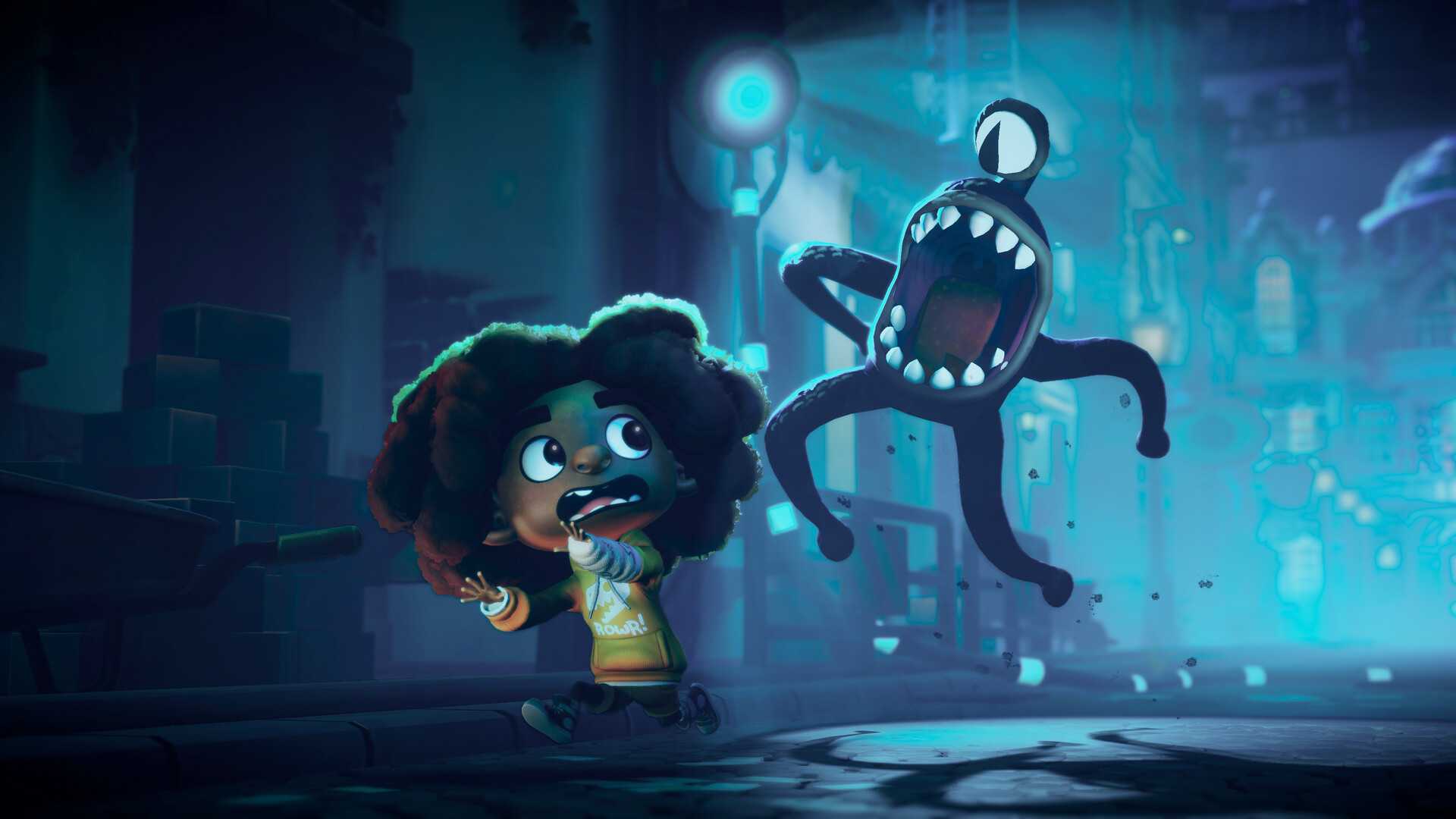
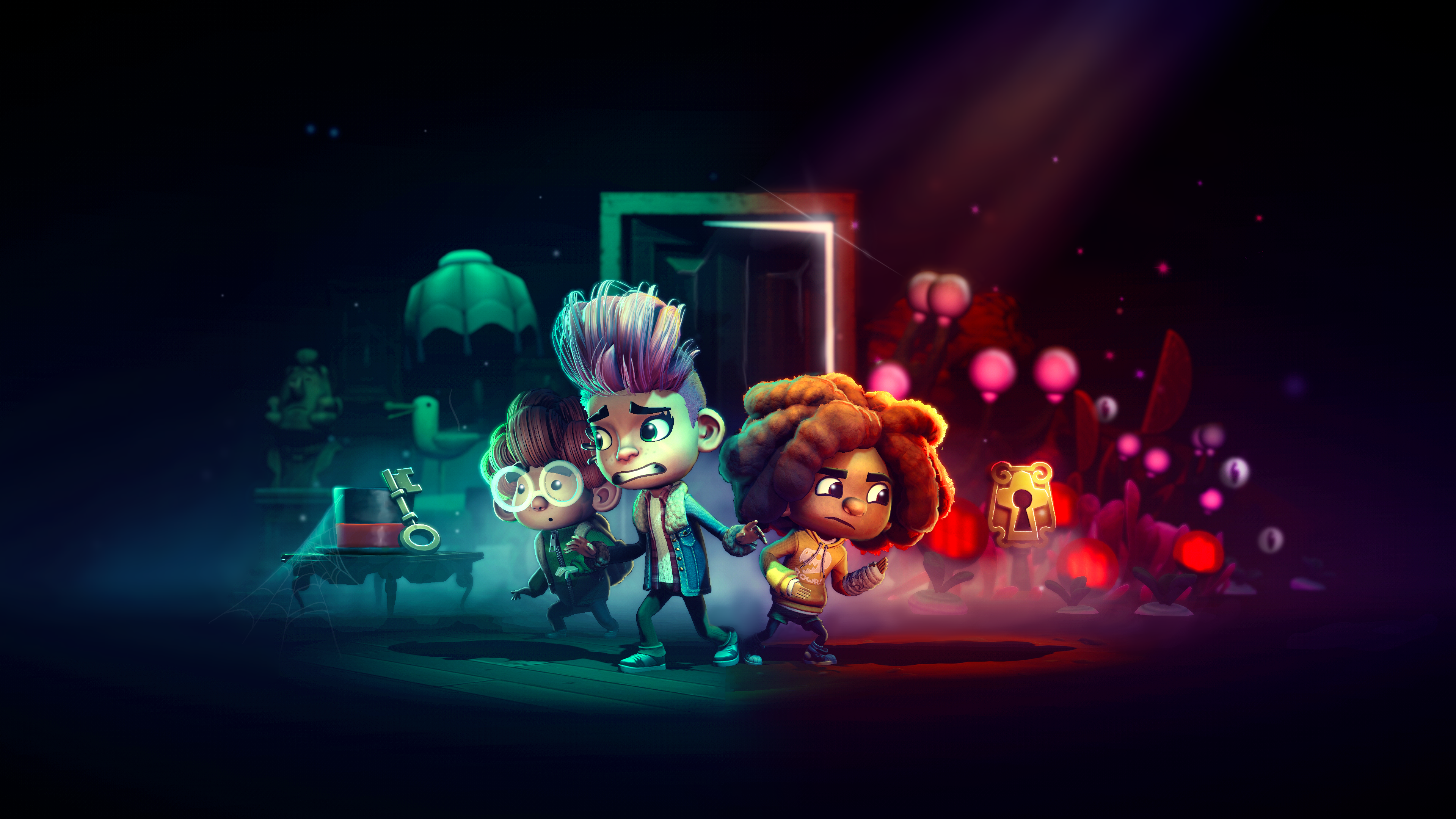
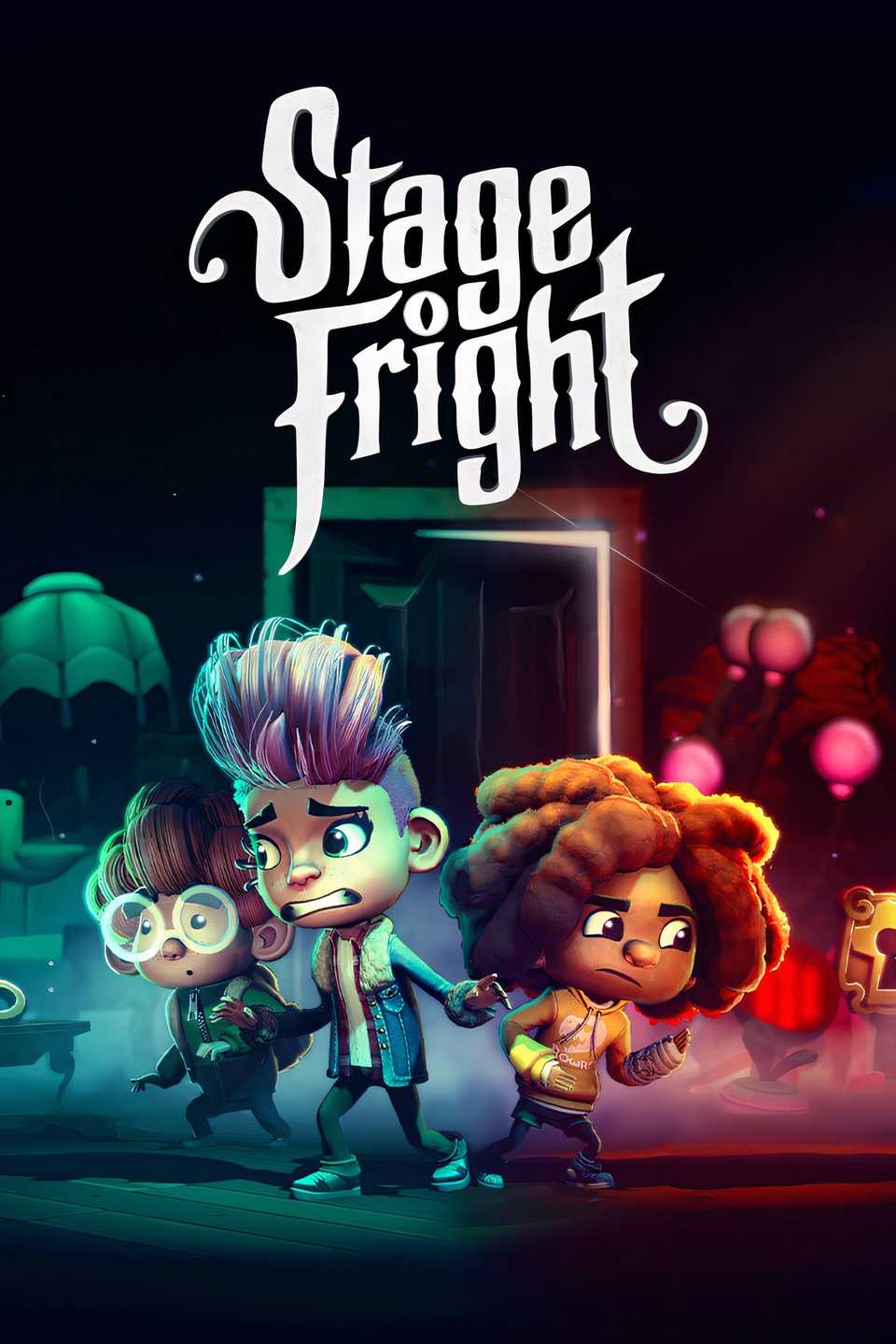
Moreover, in Stage Fright, players won’t necessarily experience the entire adventure through the same combination of characters. Generally, the game features Drew, Blake, and Charlie, so players will control different pairings as they progress through the game. This is very different from everyone sticking to the same role, especially when the adventure is built around two perspectives anyway. And considering the importance of cooperation, changing the characters creates more opportunities to experience different points of view. The developers have also expressed their ambition to introduce something new at every level. This is a very good strategy to avoid having players become too familiar with a particular type of challenge and reusing the same strategy every time. This, combined with the different character combinations, will give Stage Fright an opportunity to keep its co-op challenges from becoming predictable.
Stage Fright Is More Than Just Another Overcooked
-
-

-
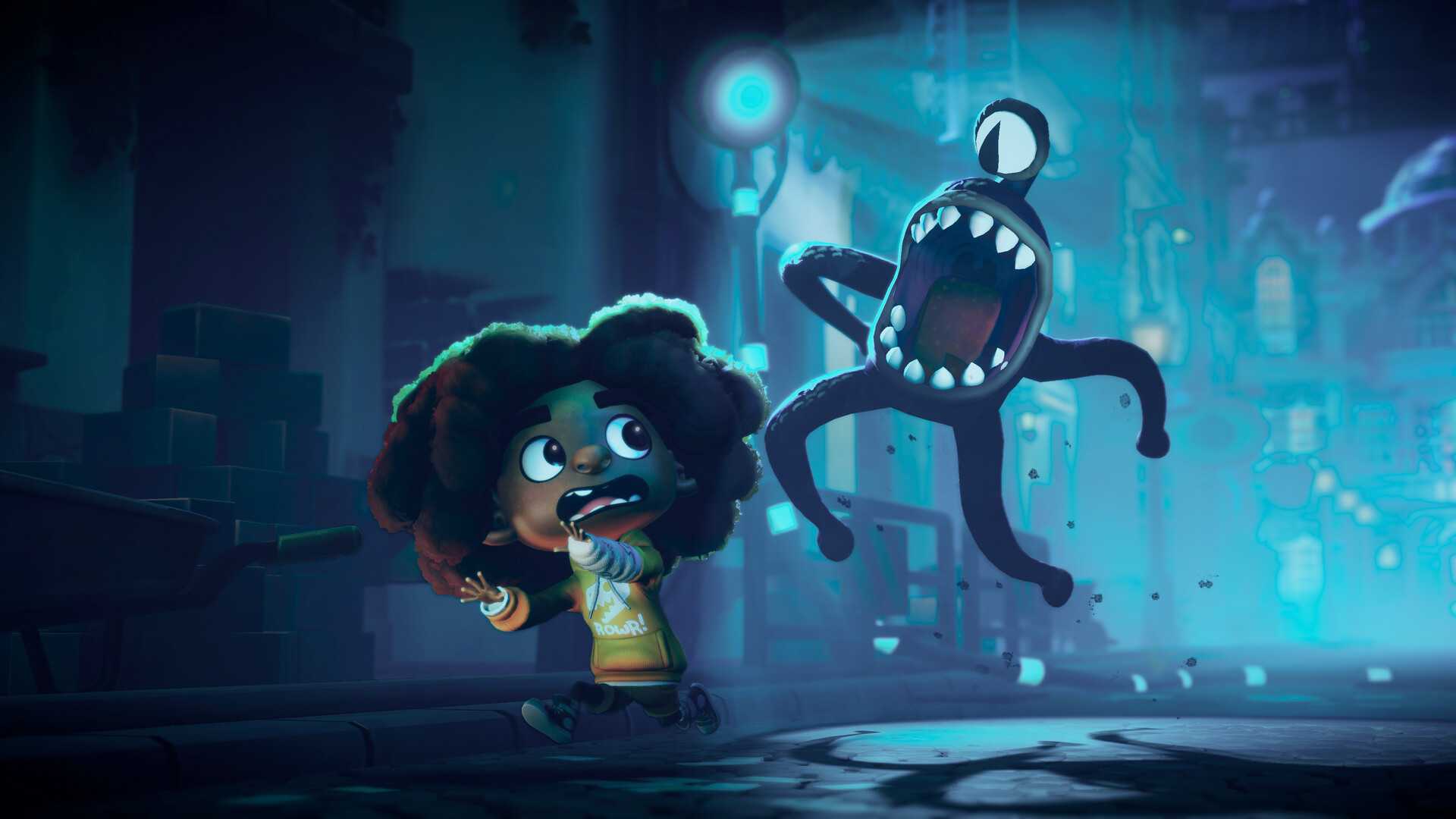

Ghost Town Games is not necessarily trying to overcomplicate the experience. In fact, the devs have deliberately retained the simple controls of Overcooked, which many people would be happy to hear. Generally, Stage Fright is a very interesting follow-up to the studio’s previous work because it is not simply repeating a formula that is already working. Some even suggest that it could be the next Split Fiction.
Experimentation is actually an important part of game development because many iconic titles are the result of trying out new approaches. In this case, Stage Fright has an opportunity to offer a more demanding cooperative experience than Overcooked without making it harder for newcomers to participate.



- Developer(s)
-
Ghost Town Games
- Multiplayer
-
Local Co-Op, Online Co-Op
- Number of Players
-
1-2
- Steam Deck Compatibility
-
Unknown