







There’s just something about stepping into a massive, gothic castle that can make a gaming experience truly unique and memorable, especially when that castle is filled with monsters, hidden paths, and the sense that you’re not supposed to make it out alive. It’s a formula that has been revisited countless times over the years, but every now and then, a new take on it emerges that feels like it’s tapping into the same idea from a slightly different angle. One upcoming Steam release, in particular, seems to be building itself almost entirely around that concept, exploring the iconic atmosphere and gameplay structure of games like Castlevania in a way that makes it hard to pass up.
That game is Vampire Hunter: Nightrise, a first-person dungeon crawler from developer Treetop that is currently scheduled to launch on Steam on April 6, 2026. From what’s been shown so far, it looks like ye olde premise involving a vampire, a castle, and a lone hunter. However, it doesn’t look like it treats the setting as little more than a background on the stage where players fight through waves of enemies. Instead, the castle looks like something players will have to figure out piece by piece, with its layout and design making for a modern take on Castlevania we’ve all been waiting for.
New Survival Horror Game Like Kingdom Come: Deliverance With Zombies Is Blowing Up on Steam
Blight: Survival is exploding on Steam, passing 1.5 million wishlists as players take notice of its grim medieval world overrun by the undead.
Vampire Hunter: Nightrise Offers a New Take on the Castlevania Castle Formula
Vampire Hunter: Nightrise places players in the role of a hunter who enters a massive Gothic castle to kill a powerful vampire, only to become trapped inside as the structure reveals itself to be a shifting labyrinth filled with traps, hidden passages, and hostile creatures. The goal is to navigate this constantly reconfiguring maze, fight off enemies like werewolves and skeletons, and uncover the castle’s secrets in order to reach the vampire’s chamber before nightfall, when the creature awakens and the odds of survival are slim to none. The experience looks like a tense, first-person dungeon crawl where understanding the castle’s layout and mechanics is just as important as combat.
Who’s That Character?


Identify the silhouettes before time runs out.
Identify the silhouettes before time runs out.
Easy (7.5s)Medium (5.0s)Hard (2.5s)Permadeath (2.5s)
Vampire Hunter: Nightrise’s Core Features
- SHIFTING CASTLE DESIGN – Dynamic maze with traps, secrets, and hidden pathways.
- FIRST-PERSON STAKE COMBAT – Shoot, pin, and ignite enemies using environmental interactions.
- TIME-LIMITED OBJECTIVE – Reach the vampire before Nightrise or fail the hunt.
- ENVIRONMENTAL INTERACTION SYSTEMS – Rotate, reveal, and manipulate the castle to progress.
- RESOURCE SCAVENGING LOOP – Break objects to craft ammo and survive.
- ENEMY-FILLED LABYRINTH – Face werewolves, skeletons, and other castle-dwelling threats.
- DISCOVERY-DRIVEN PROGRESSION – Learn through notes and environmental clues.
According to Vampire Hunter: Nightrise‘s description on Steam, fireplaces rotate, bookcases slide, portraits conceal hidden corridors, and staircases can change how one area connects to another. None of these elements are merely decorative but are actually the way forward. Progress, then, ultimately comes from players recognizing patterns, interacting with the environment, and understanding how different parts of the castle fit together. It creates a structure where movement itself becomes the challenge, which is a big part of what made classic Castlevania‘s castle so memorable in the first place.
Players Will Need Faith More Than Stakes in Vampire Hunter: Nightrise
And somehow, combat fits into that structure without becoming the center of attention. The stake launcher gives players a weapon they can confidently rely on, but it isn’t designed for constant, fast-paced encounters. Shots can pin enemies to walls or pierce multiple targets, and they can even be ignited by firing them through flames in a similar fashion to the bow in Ocarina of Time and other Zelda games. But players can’t just expect to keep their finger on the trigger at all times, as ammunition is limited, though players can craft more by smashing wooden furniture around the castle.
But where Vampire Hunter: Nightrise really sets itself apart is in its core mechanic: Faith. Faith isn’t just a narrative theme running in the background, as it directly affects how the game plays, influencing combat effectiveness, exploration, and the player’s ability to withstand the threats of the castle itself. As that resource drops, the environment becomes more oppressive, which adds pressure in a way that goes beyond health bars or stamina meters. Rather, it links the tone of the game directly into its mechanics, effectively reinforcing the idea that the castle is something designed to wear players down over time.
As conviction weakens, the castle’s influence grows stronger. You’ll have to manage faith as carefully as ammunition.
There’s naturally a constant sense of urgency built into the premise as well. The player isn’t simply exploring for exploration’s sake, but working toward reaching the vampire before Nightrise begins. That deadline changes how the castle is approached, with every detour, missed interaction, or wasted resource bringing with it consequences as time continuously moves forward. It takes the experience away from slow, methodical exploration to something that forces players to make quick decisions under pressure.

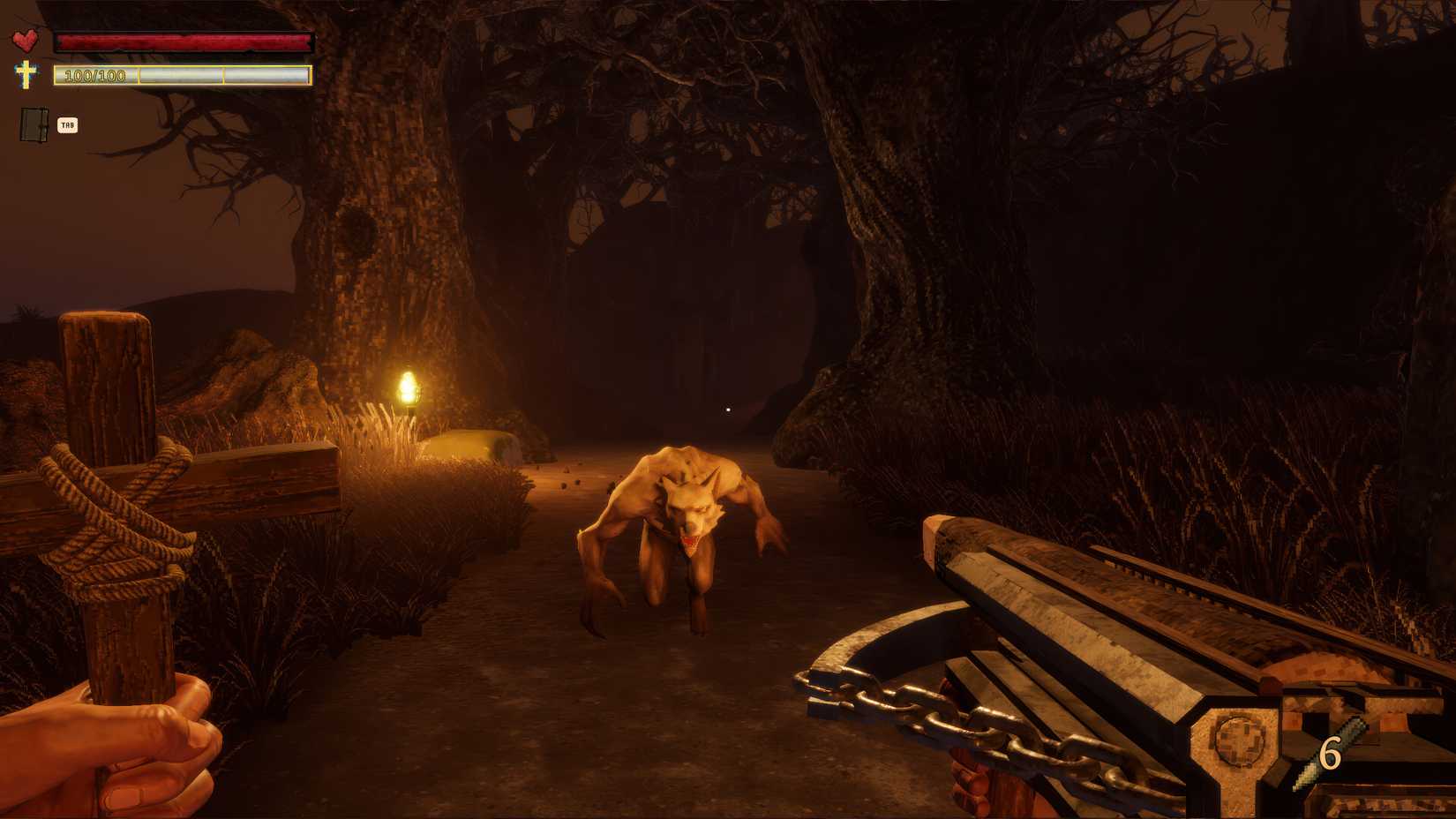
To keep the single-player, story-driven experience intact while fleshing out the world a bit, the castle in Vampire Hunter: Nightrise is filled with the remains of previous hunters, along with notes that hint at what went wrong before. Those details help build the world, but they also enhance the threat of the castle, making it all the more out to be a trap that has been designed to conquer people before they conquer it. In the end, success in Vampire Hunter: Nightrise is about understanding the environment, managing limited resources, and pushing forward before time runs out.
So, Vampire Hunter: Nightrise might not be trying to recreate Castlevania beat for beat, but it does focus on what made the formula work in the first place: a dangerous castle, a clear objective, and a structure that asks players to learn the space in order to survive. Whether it fully delivers on that idea is still something players will have to see once the game launches on April 6, 2026, but the foundation it’s building already looks pretty solid.
Vampire Hunter: Nightrise launches on Steam on April 6, 2026. A playable demo is currently available on the game’s Steam page.