




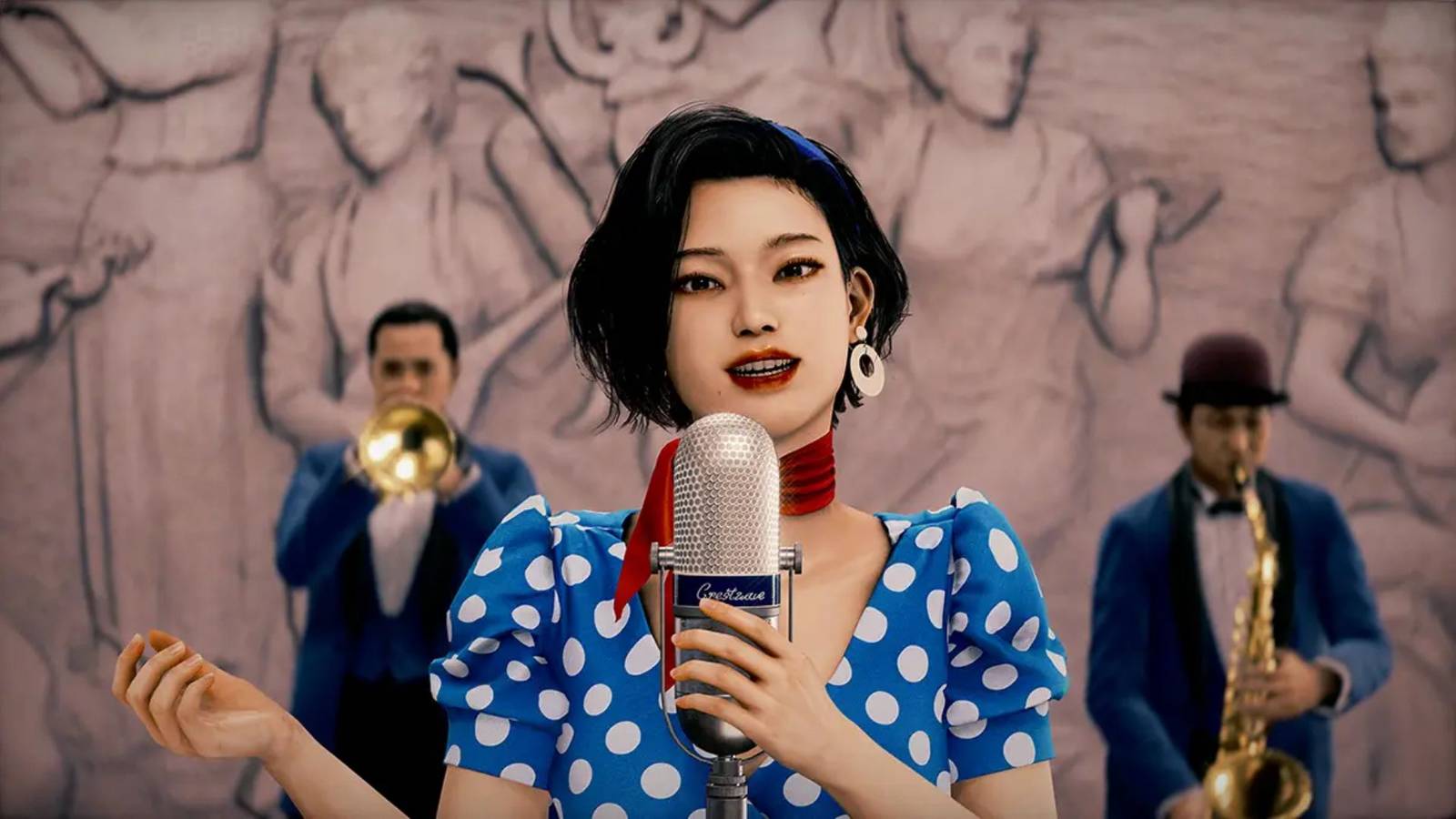
RGG Studio’s new Stranger Than Heaven Act 1 trailer dropped, setting the scene for what the new Yakuza game might offer for new and longtime fans. Stranger Than Heaven is an action-adventure title slated to release on January 15, 2027, that already looks to be a refreshing reframing of the Yakuza universe with new additions made to keep things fresh. Music in particular seems to be a large theme in the 2027 game, an interesting focus that holds just as much weight as refined combat.
While past Like a Dragon or Yakuza games have featured musical aspects, none have managed to make music a primary theme. The music aspect is a main motivator for this game’s main character and ends up creating a narrative that speaks to many. It’s an underdog story full of ups and downs with music and flashy combat at its center. I am excited to explore how much the musical themes impact gameplay and story arcs, since I am a major fan of both creating and listening to music. It looks like the theme plays a huge part, and I can’t wait.
Music Takes Center Stage in Stranger Than Heaven
-
-
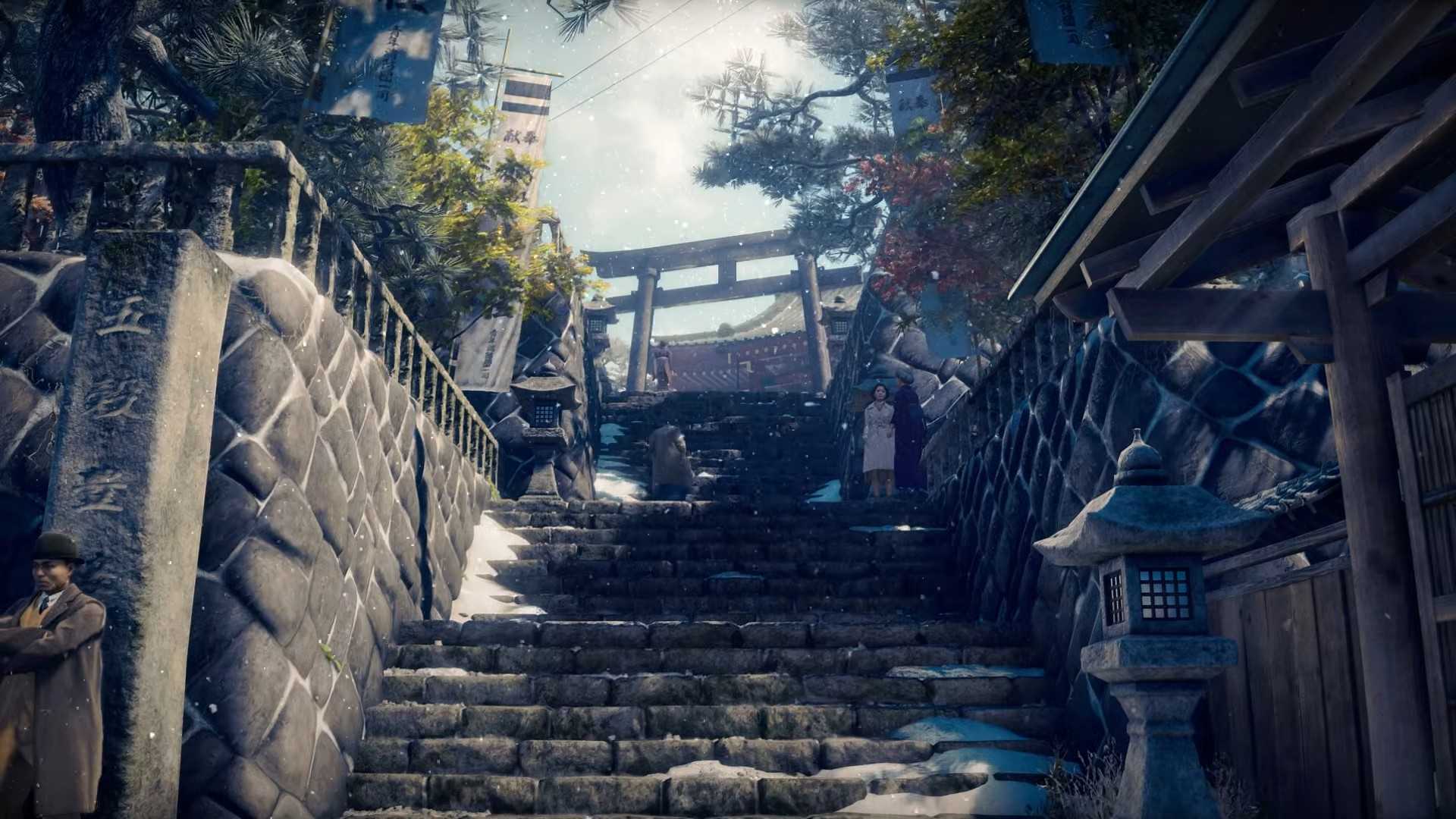
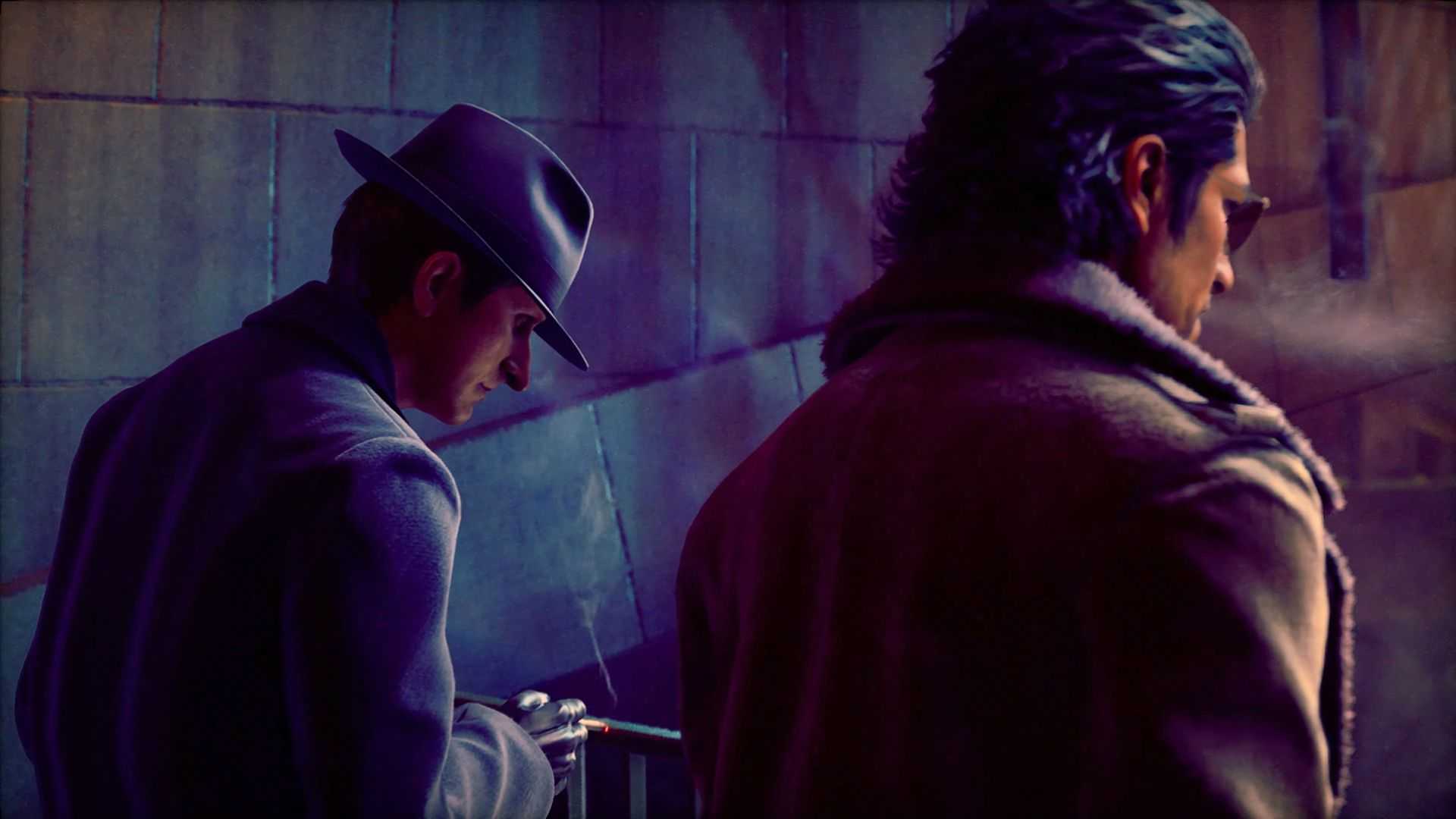
A shrine in Stranger Than Heaven Image via Sega -


The latest Yakuza title highlights music and performance alongside its story, including Snoop Dogg’s character, Orpheus. Previous trailers have also included Tupac Shakur, otherwise known as 2Pac, who appears as a character named Amaru. Stranger Than Heaven is giving music a more prominent role in defining its historical world, offering up something entirely new to fans. The RGG Studio title spans around 50 years, from 1915 to 1965, and follows the main protagonist Makoto Daito. Makoto is an orphan of mixed American and Japanese heritage who flees persecution in the United States to travel to his homeland, Japan, risking it all in search of a fresh start.


Find all 10 pairs
Each era of the game takes place in five unique cities modeled after real-life locations. Combat was seemingly refined to explore different avenues, focusing on independent limb control, departing from a traditional beat-’em-up button-mashing control scheme. Each button serves to control specific limbs. Combat is deliberate, requiring patience to get the hang of. The other main selling point of the game sees players working in showbiz management. This mechanic has just as big a role as combat, with Makoto scouting talent, managing stage production, and collecting environmental sounds that can be used to create music. A statement from PlayStation regarding Stranger Than Heaven reads,
In the earliest chapters of our story, Makoto’s guide and mentor discovers his hidden talent for music, and, before long, Makoto finds himself not only singing a tune or two but stepping into the role of a showman, producing a wide variety of incredible acts throughout all of Japan.
I would argue that the game’s musical focus heavily distinguishes it from RGG Studio’s previous work more effectively than further combat refinements. Music has always been one of Like a Dragon and/or Yakuza‘s most memorable elements, from the wacky and wonderful karaoke rhythm game found in titles like Yakuza 0 to the high-energy, neon-heavy atmosphere of Kamurocho. Past titles have not propped up music this much, however. In Yakuza titles, music has usually served as somewhat of a side character utilized to amplify the story. In Stranger Than Heaven, music is a key plot device and mechanic.
-

-

-
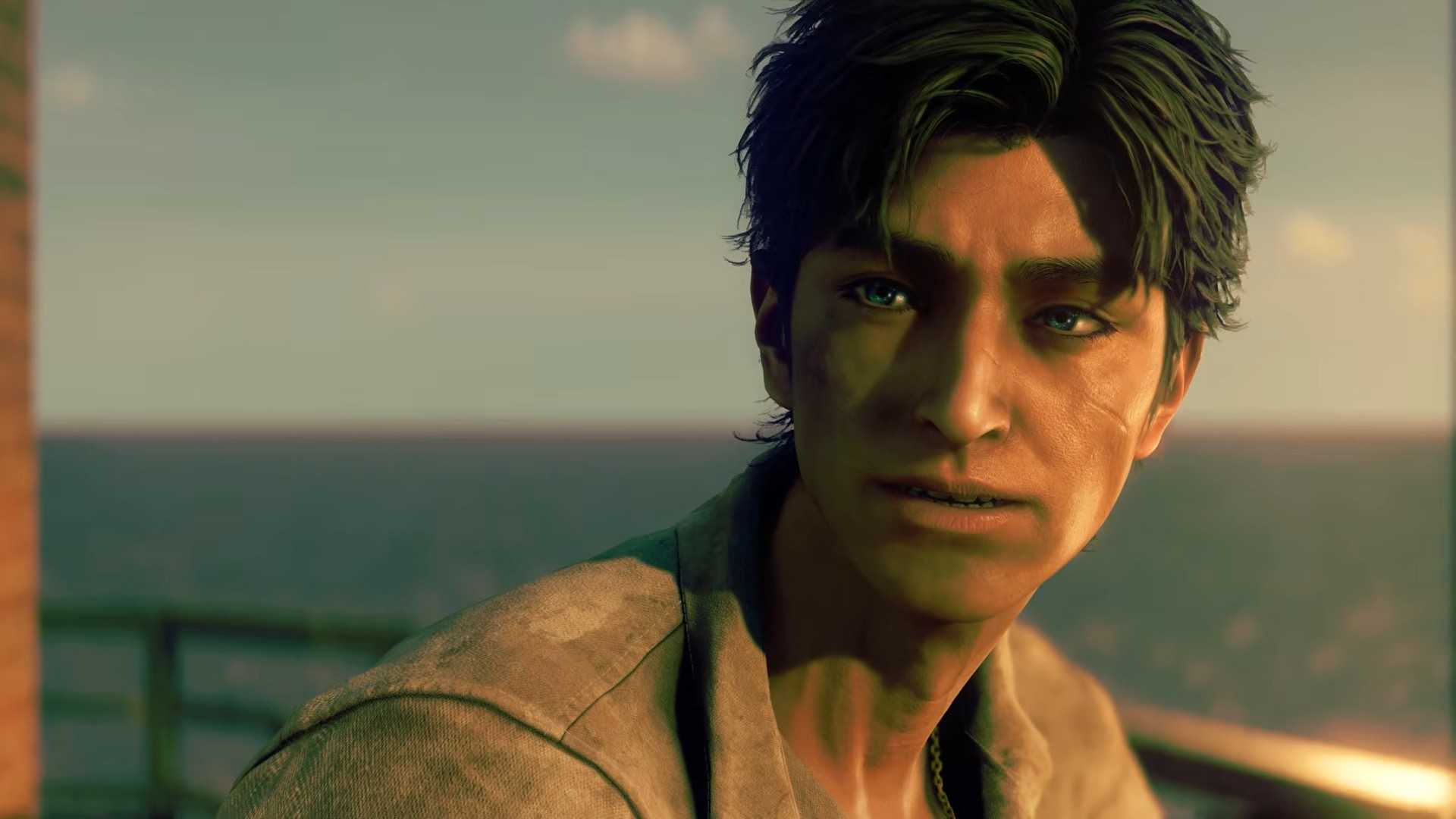
Young Makoto Daito in Stranger Than Heaven Image via Sega
Music is a part of Makoto’s identity, a driving force that urges the character on despite his rough past. It gives the character something to fight for, utilizing his talents to take him places and prove to those around him that he is more than his struggles, more than his blue eyes. The narrative is a true outcast underdog story. The first act’s setting, 1915 Kokura, Fukuoka, serves as a setup to show players that even back in Japan, Makoto is still persecuted for being different. Despite the stares and beatings, Makoto wants to rise above and make something of himself.
The other main selling point of the game sees players working in showbiz management. This mechanic has just as big a role as combat, with Makoto scouting talent, managing stage production, and collecting environmental sounds that can be used to create music.
Players are meant to engage with Makoto’s passion by creating music, curating set lists, and discovering underground talents to be propped up on some of Japan’s biggest stages. Makoto must arrange a band, assign a cast, and design the production down to lighting colors and staging, all in an effort to put on an amazing show. Characters in the game are famed musicians in real life, making cameos that tie the story back to the common theme of music. The musical aspects are a key selling point, just as much as the updated combat, which is a smart move on RGG Studio’s part.
-
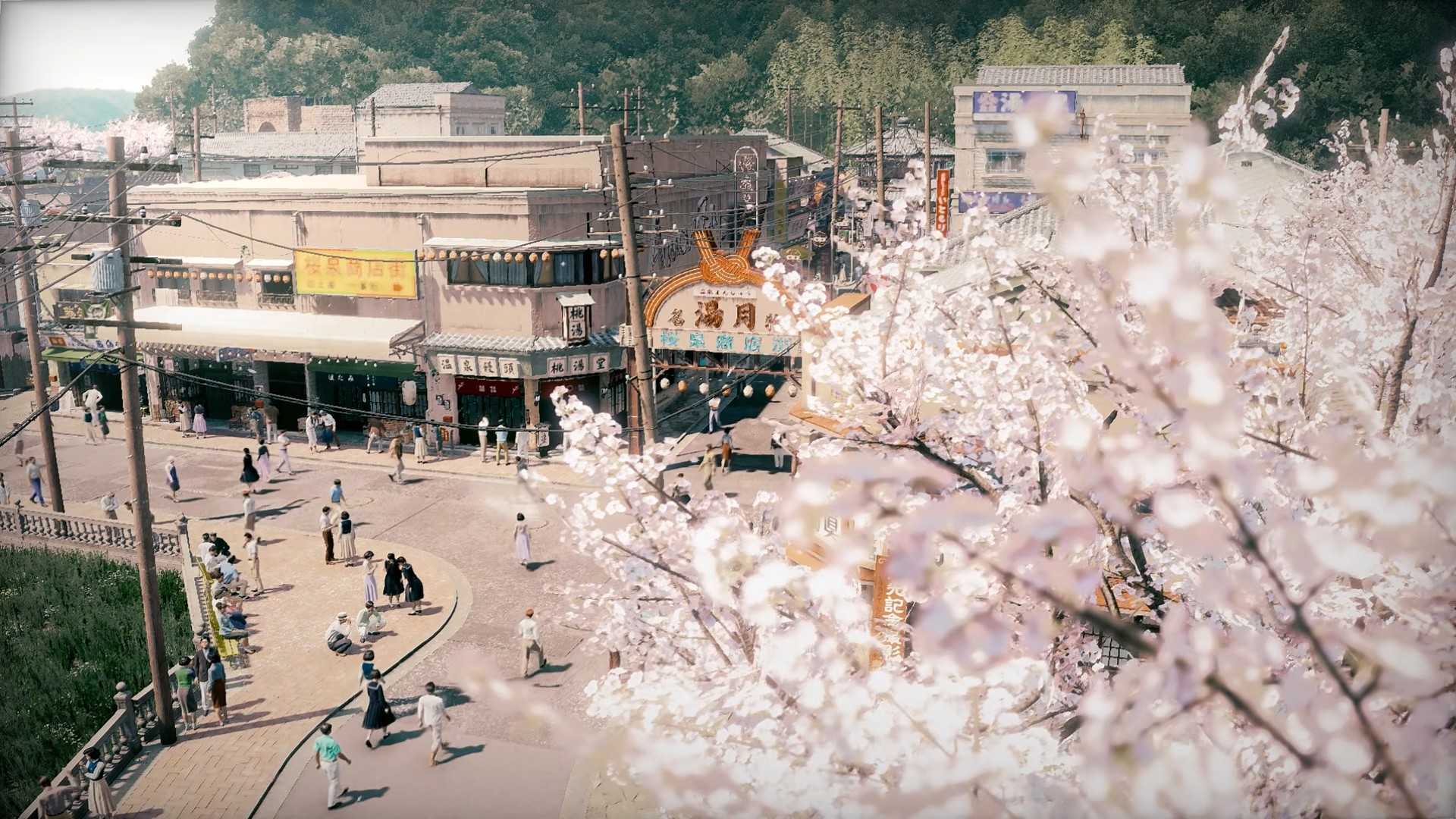
Cherry blossom tree in front of Dotenbori, Osaka in Stranger Than Heaven Image via Sega -
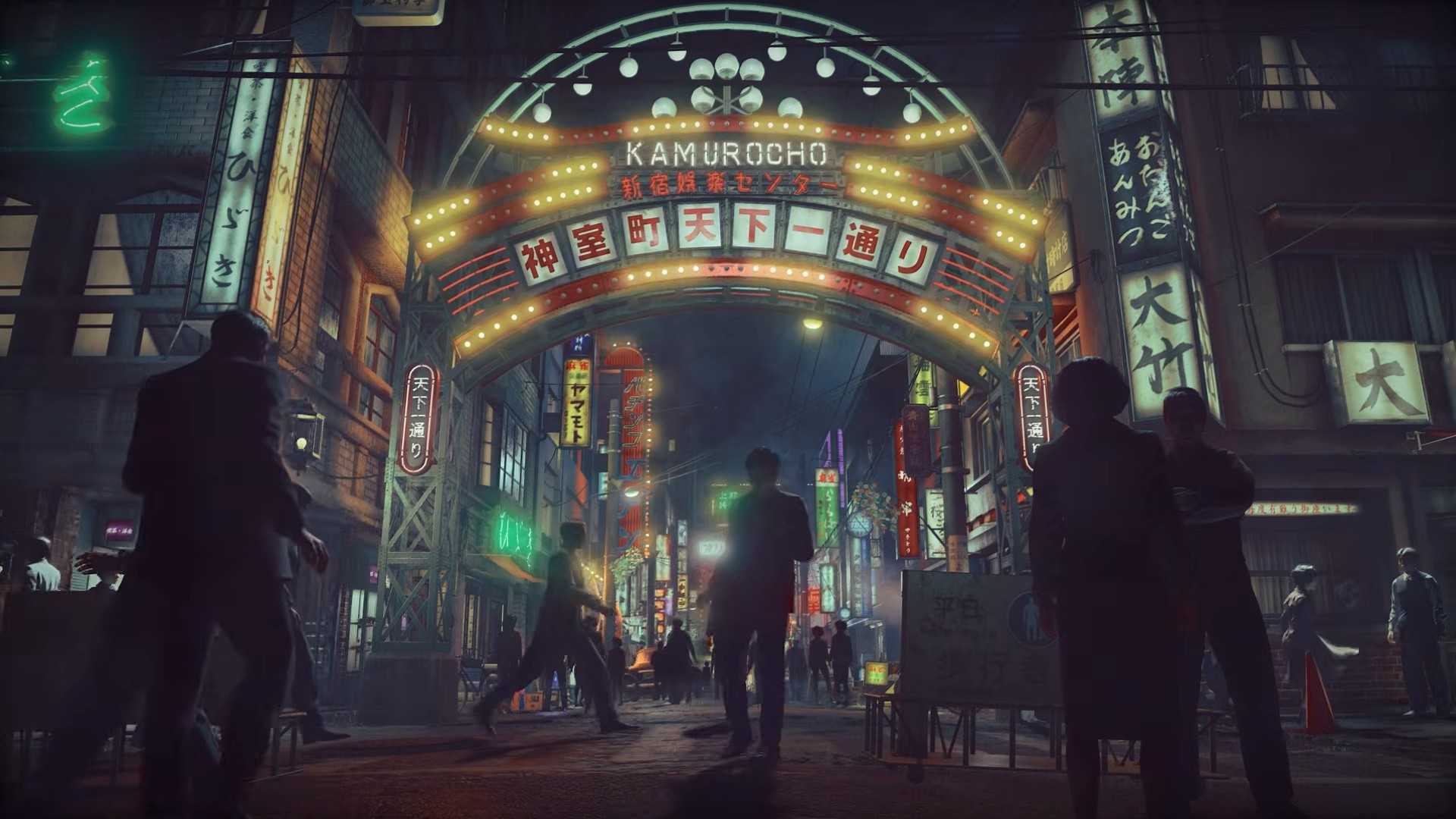
Kamurocho in Stranger Than Heaven Image via Sega -

This music facet diversifies the Like a Dragon/Yakuza landscape, offering something new entirely that seems like a joy to interact with. With a music-heavy focus, I am positive that the side missions will be just as funky and unique as past games, while the music creation aspect is something new entirely. This addition is a refreshing break from the Yakuza formula. The title has gone through major changes over the years, especially in the combat department, but offering something completely new makes me way more excited to play. I usually know what to expect when I am stepping into a Yakuza game. I don’t know what I am going to be getting into with Stranger Than Heaven, and I love that. To keep audiences hooked, changes need to be made, and a music aspect is a step in the right direction.
Music Offers Context Video Games Can’t Afford to Lose
Gaming wouldn’t be as impactful without music. Even without serving as a major theme or mechanic, like in Stranger Than Heaven, a game’s soundtrack is oftentimes what makes gaming so great. It is a slept-on aspect that more studios need to take into consideration during the development stages. Sound informs intention, sets a scene, and transports players to places they’ve never been. It was and is an important part of my enjoyment of video games. Rather than replaying, sometimes I find myself revisiting soundtracks to some of my favorite games just to relive the experience. Sound and music hold memories for me, reminding me of specific places I found myself while playing a game.
-
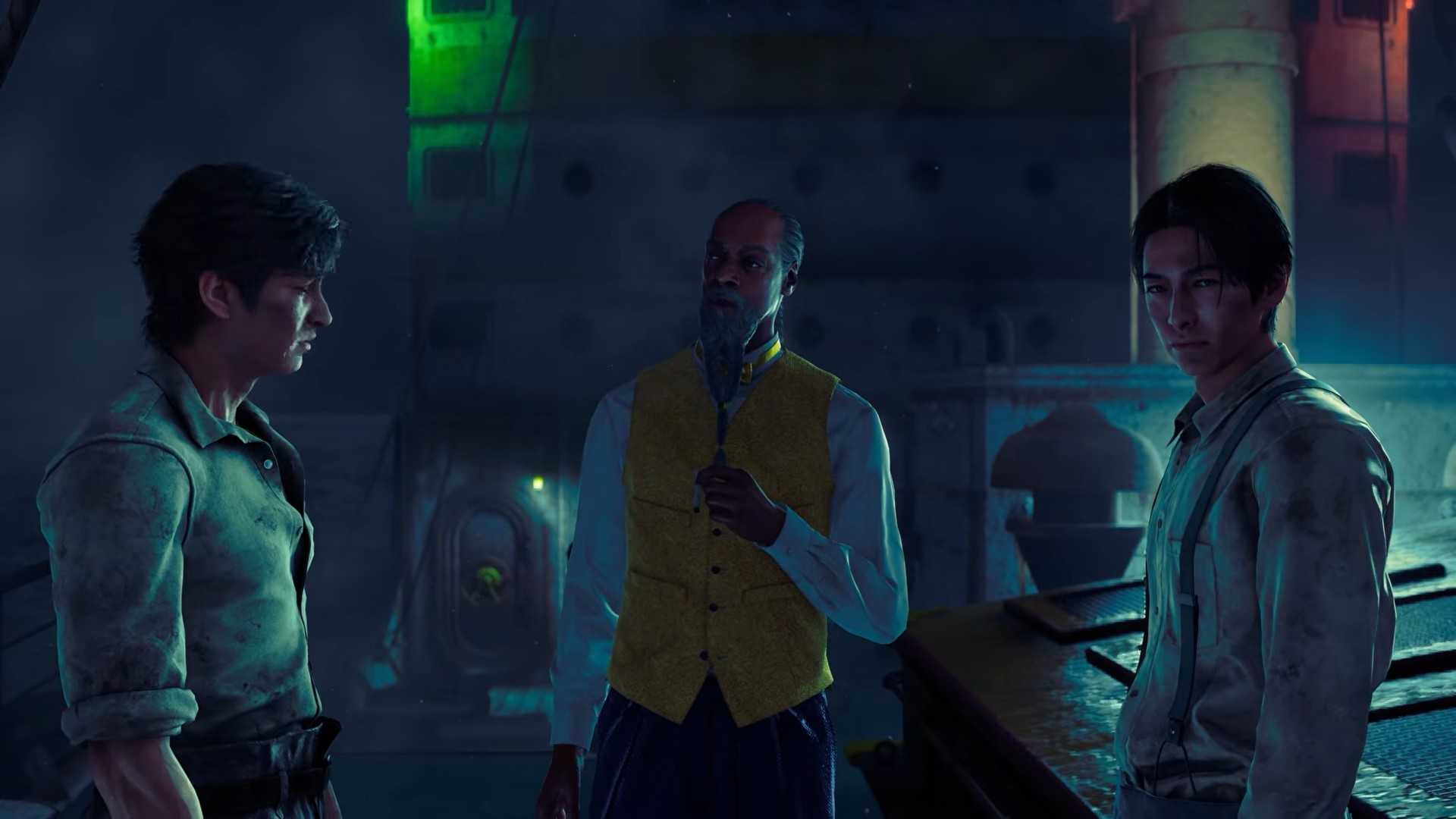
Dean Fujioka and Snoop Dogg in Stranger Than Heaven Image via Sega -

-


The Legend of Zelda: Twilight Princess is a prime example, a title I played in my younger years. I still revisit Twilight Princess‘ soundtrack at 27, hoping to transport myself back to a specific time in my life when I’d play the game alongside my sister on the carpeted floor of our basement. Listening to the soundtrack now makes me nostalgic, longing for simpler times. While some parts of that Nintendo title don’t really hold up, I am reminded of how horrible a certain escort mission was; the game is still amazing in my mind. This is largely thanks to the soundtrack. The music does the heavy lifting, reminding me of all the good gameplay moments rather than the few bad ones.
Just as music from a game can smooth over any bad moments from gameplay, the soundtrack can also amplify seemingly mundane moments, turning them unbearable. I am reminded of Resident Evil, specifically that god-awful basement theme that has endured much longer than the game itself. The track from the 1998 game is shockingly bad, and is what I am reminded of every time the game comes up in conversation. The gameplay isn’t all that bad, but somehow that track makes me think it was worse, rewriting my experience with that section of the game entirely. Music in games, when done properly, can immerse a player, offering them context about people and places. It is often what is most long-lasting for players, sticking in their minds long after they’ve played a game.


- Released
-
January 15, 2027
- ESRB
-
Mature 17+ / Blood and Gore, Intense Violence, Strong Language, Suggestive Themes, Use of Drugs, In-Game Purchases