Nvidia has introduced the latest iteration of its DLSS graphics enhancement suite, which has already proven to be controversial among video game fans. First debuted in 2018, Nvidia’s DLSS graphics enhancement technology is available on all the company’s RTX-branded graphics cards.
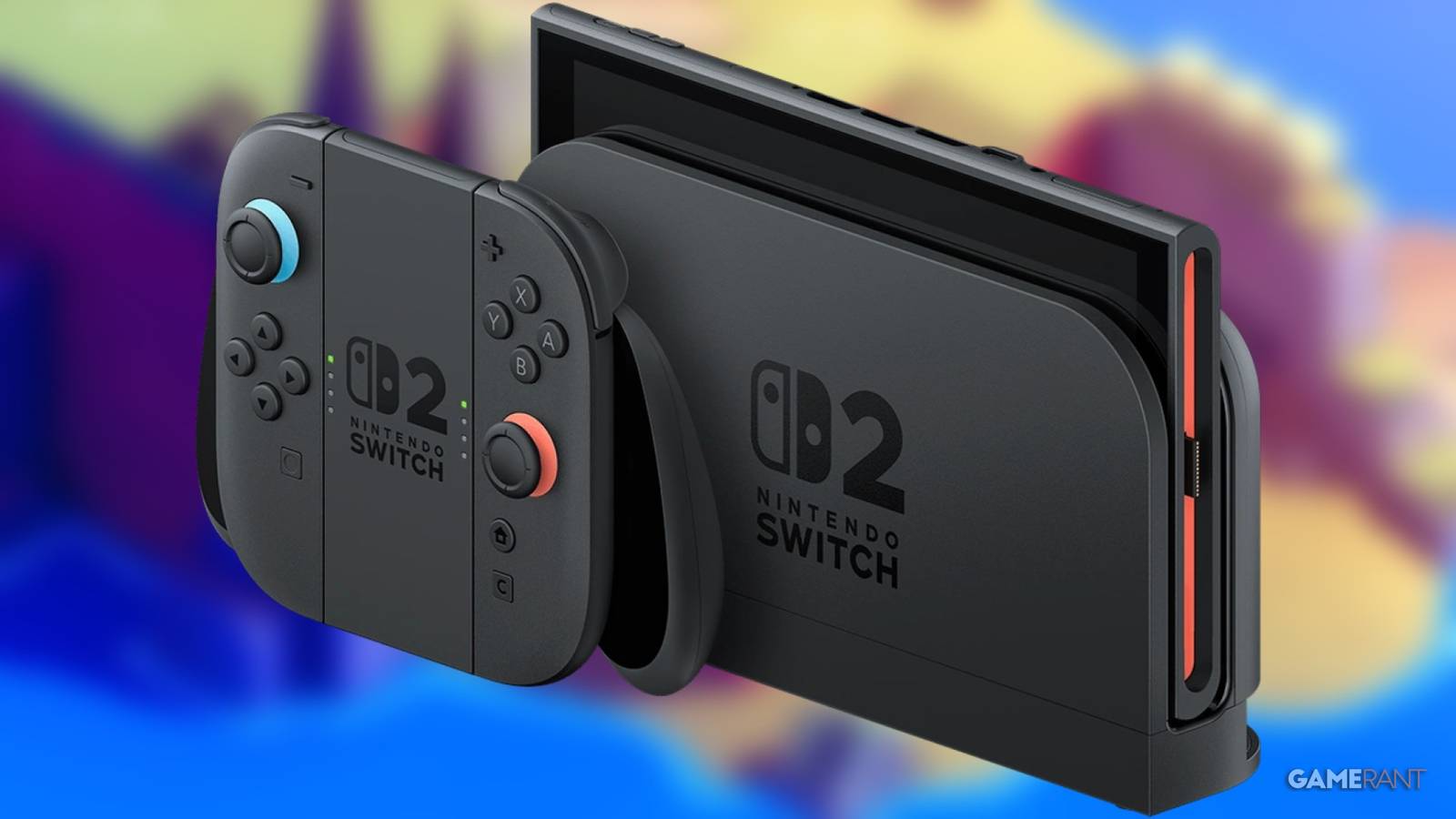
Deep Learning Super Sampling, or DLSS, is designed by Nvidia to allow games to run at lower resolutions while using machine learning techniques to enhance the game’s graphical fidelity or frame rates. While the technology was initially limited to just a few games, DLSS has expanded greatly across its multitude of iterations, with Nvidia’s increasingly powerful graphics processors allowing for greater use of the suite of software. Recent titles like the Nintendo Switch 2 version of Cyberpunk 2077 use DLSS in order to improve the game’s visuals and performance, helping turn the game into one of the Switch 2’s most impressive ports.
Nvidia’s DLSS 5 Technology Reveal Draws Mixed Reaction
Nvidia has unveiled DLSS 5, the latest version of its graphics enhancement technology, and many gamers are not pleased by the results. The company’s blog post details a host of features coming to the new suite of tech, including a “real-time neural rendering model” that aims to inject realistic textures and lighting into the pixels being processed. The new version of DLSS uses an AI model to achieve this result, drawing data from the game’s “color and motion vectors” to inform the AI model, which then compensates for the lower rendering quality by generating enhancements to lighting, textures, hair, skin, and fabric. The blog post describes DLSS 5 as “the GPT moment for graphics.”
Balance the critic averages


Balance the critic averages
Easy (6)Medium (8)Hard (10)
The announcement comes with a handful of screenshots and videos, showcasing games such as Resident Evil Requiem, EA Sports FC, and Starfield in order to compare their graphics with the DLSS 5 features turned on and off. The changes in lighting, fabric, and even some facial features can be seen immediately in many of the released shots, with many gamers online taking note of the striking changes. With long-standing rumors of Nvidia’s DLSS utilizing AI being officially confirmed, the reaction to the new suite of technology has been strongly negative across social media and gaming communities.
Many gaming fans and media members have spoken out strongly against the new technology from Nvidia. Users on social media have especially noted changes to characters like Resident Evil Requiem‘s Grace, who is given fuller lips and what appears to be eye shadow in her comparison images, making the game feel as though it had been run through an AI-based enhancement filter rather than truly improving the look and feel of the game. Changes to the various games’ immersive lighting achieved through ray tracing have also been harshly scrutinized, removing the in-game lighting effects in favor of less dynamic lighting effects that are typical in images enhanced by generative AI.
With Nvidia’s dominance of the graphics card market, these newly advertised features will soon be available on a widespread scale. Gamers have largely made their thoughts on the enhancements known, but continued conversation about the implementation of AI is necessary in order to inform the direction the technology is headed in the future. Nvidia’s DLSS 5 announcement is an example of the pushback the technology can have when, in many players’ eyes, the effects of AI appear to be detrimental to the quality of the overall experience.