


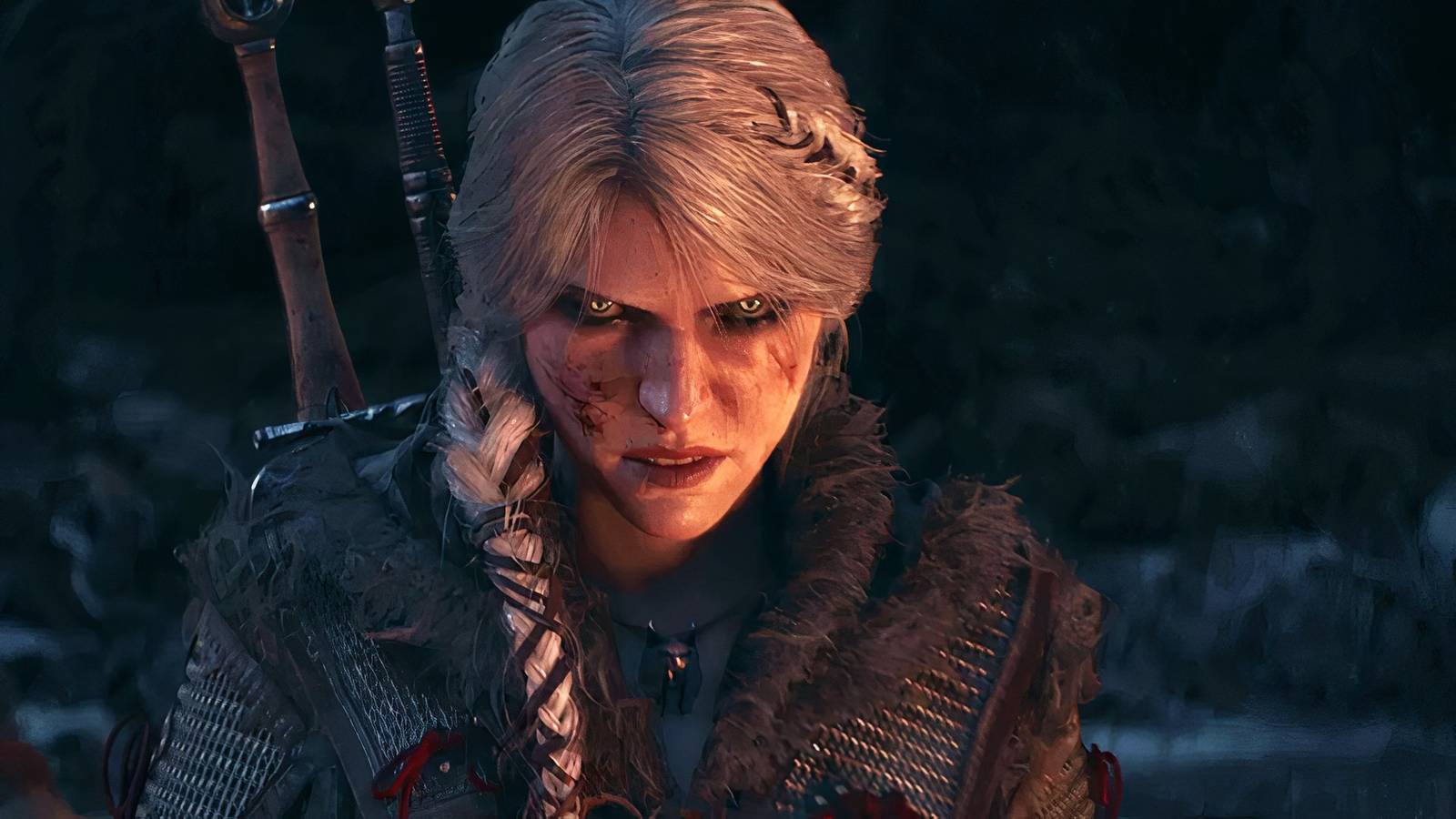


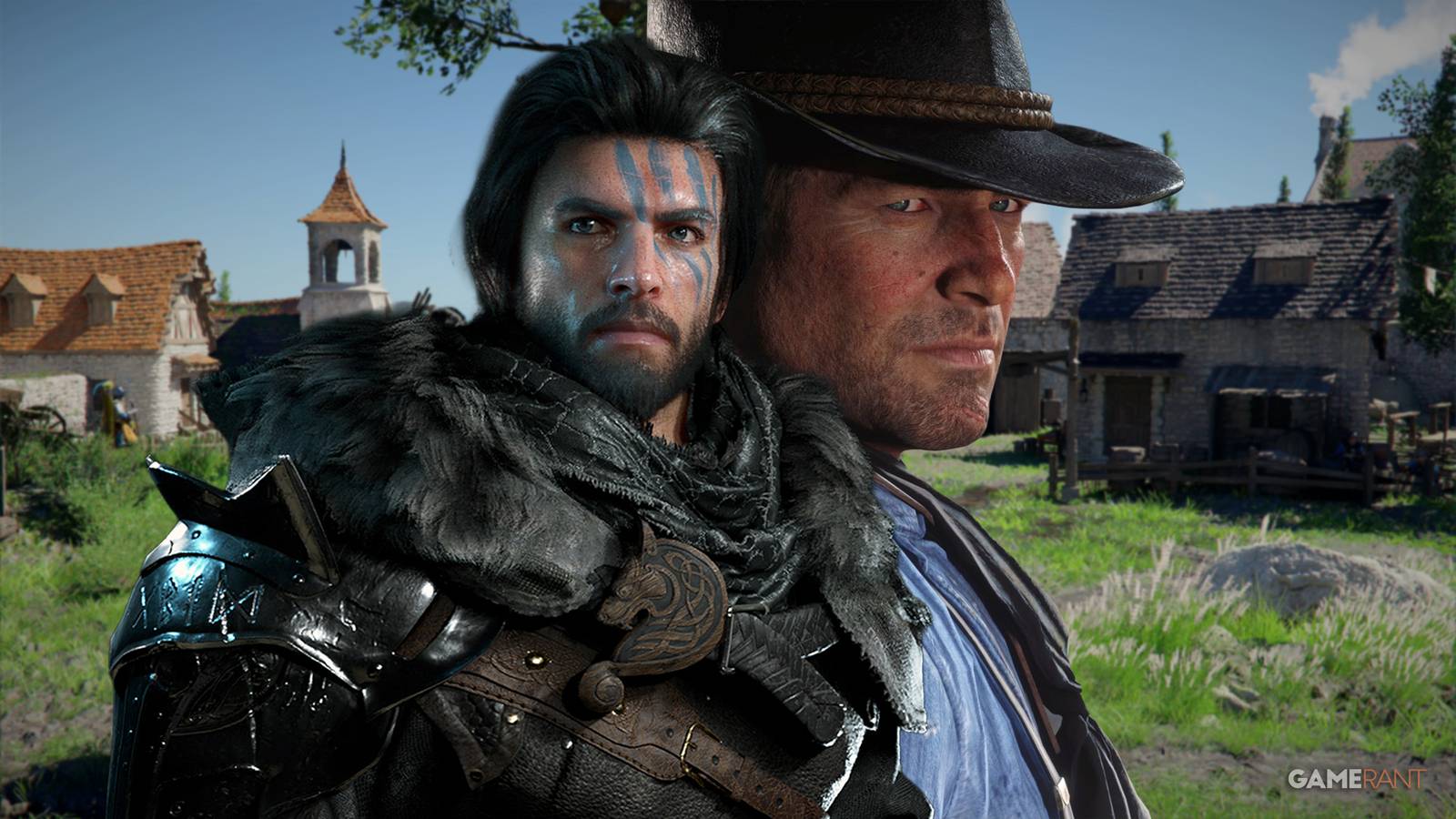



What a week it’s been for Nvidia, after its triumphant reveal of DLSS 5, the latest iteration of the upscaling deep-learning tech that allows higher-fidelity graphics to run on lower-end systems. That’s a sentence no one has written. Because for some godforsaken reason Nvidia decided that this latest iteration of the technology should be able to override the art direction and unique style of individual games to render everything as if it’s been run through genAI-created “beauty” filters. People are letting their feelings be known in many ways, but none quite as loud as the volume of down-voting on the official announcement’s YouTube video.

YouTube buried the numbers of dislikes that videos receive back in 2021, in a generally positive move to stop the pointy-down thumb being weaponized against creators, but they’re still there and only a browser extension away. That’s how we can see (and thanks to VGC for pointing us toward this) that the DLSS 5 video currently sports 17,300 “likes” and a whopping 90,000 “dislikes.” Which works out to a ratio of 16 percent likes and 84 percent dislikes. And that’s before you delve into the shitshow that is the comments.
“We went from raytracing to sloptracing,” says one especially popular reply. “We have achieved it,” adds another, “everything looks like a YouTube thumbnail now.” A favorite of mine says, “This is like hiring someone to lick all the flavor off a potato chip before you get to eat it.”
This has led Nvidia to pin a comment at the top in an attempt to redirect the narrative.
“Important to note with this technology advance – game developers have full, detailed artistic control over DLSS 5’s effects to ensure they maintain their game’s unique aesthetic. The SDK includes things like intensity, color grading and masking off places where the effect shouldn’t be applied. It’s not a filter – DLSS 5 inputs the game’s color and motion vectors for each frame into the model, anchoring the output in the source 3D content.”
It isn’t working. “lol NVIDIA had to drop a pinned comment cause this shit getting roasted so bad” says the first reply, with twice as many likes.
Deep Learning Super Sampling once seemed like a positive use for so-called “AI” tech, allowing a game to run at a lower resolution and then be upscaled to look as if it were running higher. This lets people without the most fancy PC rigs, or those using six-year-old consoles, to get better performance from games at higher graphical settings. Hooray! And sure, it’s had its wobbles over the years, but it just seemed like a good use of smart programming. But we can’t have nice things, and genAI isn’t here to improve our lives; it’s here to ruin everything in the most banal, generic ways imaginable. So it is that Nvidia’s reveal of DLSS 5 was focused on how it could stop all those plain-looking human beings affronting our eyeballs, and replace them on the fly with perfume-commercial airbrushed “ideals,” all as misogynistic as that sounds.
This has led to the wonderful meme of “DLSS 5 Off/On,” and I’ll always be grateful for that, but it’s also caused an enormous amount of frustrated dissatisfaction among game players and creators. Expressing such irritation in a way that the tech companies can hear, however, is tricky. Nvidia has been in what you have to assume is intended to be full damage control mode, but it feels more like the company is using a bulldozer to try to fix a broken cup. “They’re completely wrong,” CEO Jensen Huang kindly said of everyone yelling at him, demanding we all accept that this tech which replaces an artist’s intent is in no sense replacing an artist’s intent. “DLSS 5 fuses controllability of the geometry and textures and everything about the game with generative AI…it’s generative control at the geometry level.”
It’s all rather splendid, really. Nvidia reveals new tech that appears to be the wet dream of all those X-using losers who post their AI re-renderings of the video game characters they deem not beautiful enough to live in their spankbanks, and the vast majority of people respond with a thundering, “No thank you.”
