




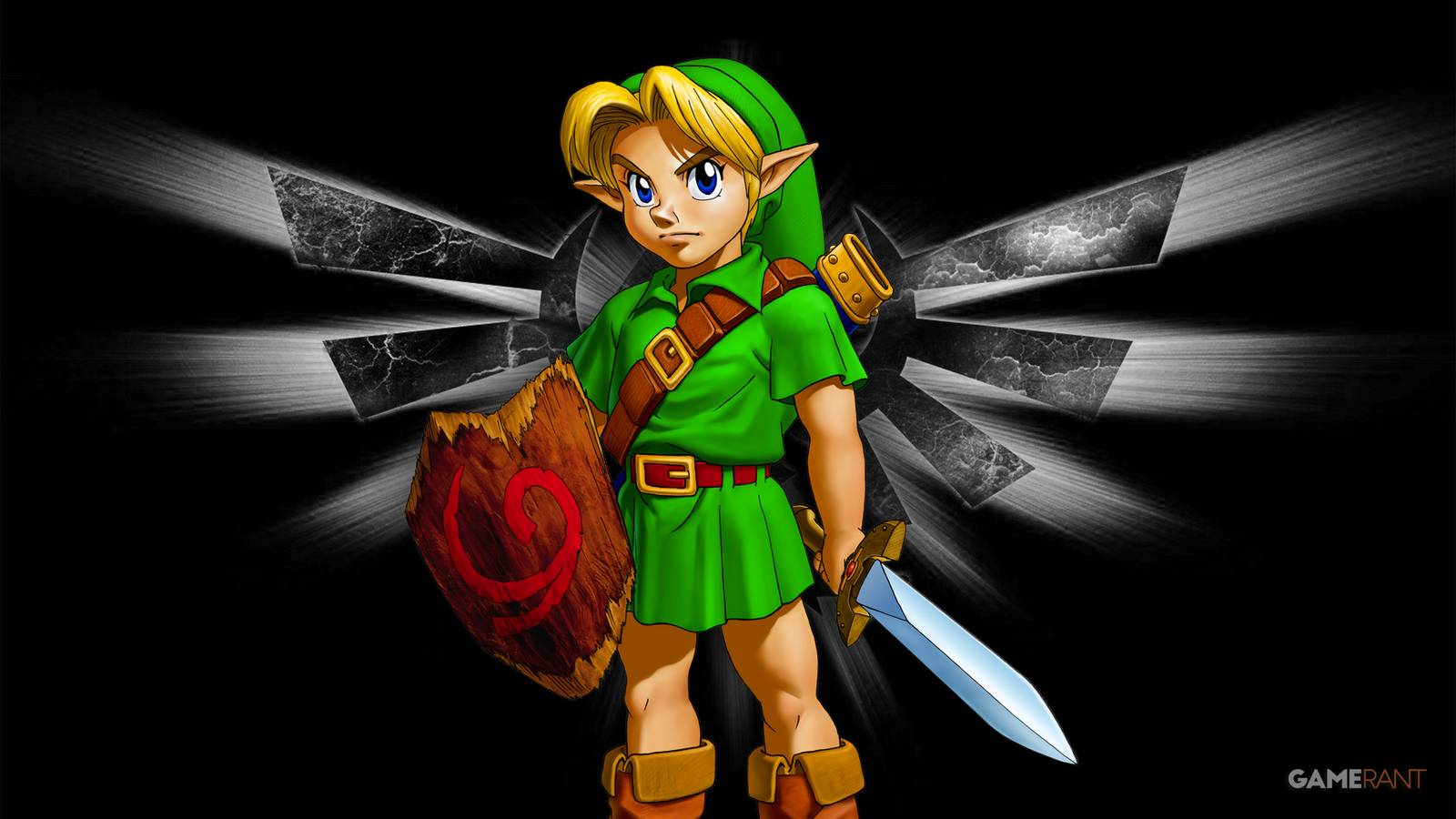
I have spent a lot of time thinking about what Nintendo could improve in The Legend of Zelda: Ocarina of Time with its remake on Switch 2, especially since this is a game that means so much to me personally. Better visuals are a given and something I’m really looking forward to witnessing, the Water Temple could always use another pass, of course, and I wouldn’t complain about some extra content, either. However, the more I think about actually replaying Ocarina of Time on modern hardware today, the more obvious its biggest fix becomes.
Specifically, Nintendo needs to completely rethink how Ocarina of Time handles Link’s inventory. I know that might not sound as exciting as a rebuilt dungeon or some massive new area, but the original game constantly forced players to pause, rearrange items, and then repeat the whole process a few moments later. Ocarina of Time 3D already improved the problem considerably, but the Switch 2 version has a chance to make using Link’s tools feel as natural as they should have all along.
Ocarina of Time’s Inventory Never Bothered Me as a Kid—But It’s Still Bad
The funny thing is, I don’t remember having a problem with Ocarina of Time‘s inventory when I played it as a kid. I would pause the game, move Link’s Hookshot or bow onto one of the N64 controller’s C buttons, return to the action, and never think twice about it. As far as I knew, that was simply how video games worked.


Put the consoles in the correct order.
Of course, I was also ignorant, and I mean that in the nicest possible way towards my younger self. I had no modern radial menus, customizable shortcuts, or decades of quality-of-life improvements to compare it to. I was just happy that Link had a sword, a bow, some bombs, and an Ocarina that could somehow control the weather and move him through time.


Going back now would almost certainly be a different story. I have played enough modern action-adventure games to know how quickly those constant pauses would start bothering me, especially once Link’s collection begins filling up. What felt completely normal in 1998 would probably feel like a headache after an hour today.
The Nintendo 64 Controller Was the Real Culprit
The original setup was limited by the Nintendo 64 controller, so I understand why Nintendo handled it the way it did. Link’s sword was assigned to B, A handled whatever contextual action he needed at the moment, and three C buttons were available for almost every usable item in the game. Three slots sound reasonable until the inventory starts becoming crowded with bombs, bottles, arrows, magic spells, the Hookshot, the Lens of Truth, and everything else Link finds.
Link’s Ocarina almost always occupied one of those buttons for me, as I’m sure it did for others as well. I used it often enough that removing it felt pointless, which basically left two spaces for every other tool Link carried. From there, the game became a constant exercise in deciding which item I was least likely to need over the next few minutes.
What felt completely normal in 1998 would probably feel like a headache after an hour today.
Ocarina of Time‘s dungeons made the problem even more noticeable. One room might need the bow, the next might require bombs, and the one after that could involve the Hookshot or Lens of Truth. I can already picture myself pausing the game, moving everything around, solving one tiny part of a puzzle, and then opening the menu again almost immediately.

The Iron Boots were easily the worst example, and no doubt made infamous by Ocarina of Time‘s Water Temple. Since they were treated as equipment rather than a regular item, players had to pause, move to the equipment screen, put them on, return to the game, sink underwater, and then repeat the entire process when they wanted to float again. The Water Temple asks Link to change elevation so often that putting on and removing those boots practically became its real puzzle.
Honestly, I never hated the Water Temple as much as everyone else seemed to. I remember getting lost, obviously, but I also had enough patience and spare time back then to wander around until I eventually found whatever key or doorway I had missed. However, I am much less convinced that adult me would enjoy stopping to change boots every time I needed to move a few feet upward.
-

-

-
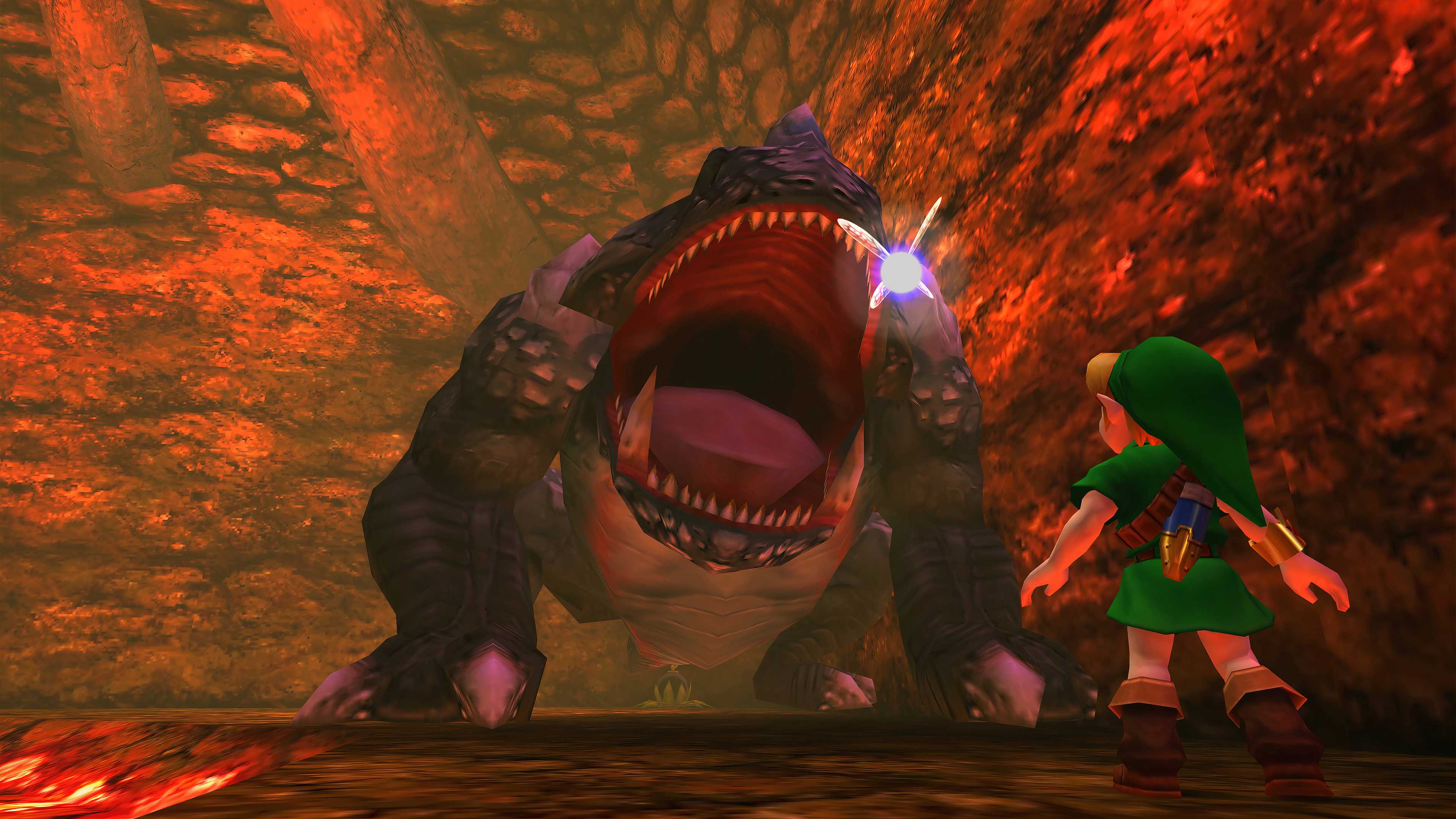


The Hover Boots had a similar problem, even if they were not used quite as often. Ocarina of Time‘s tunics and shields also lived on the equipment screen, which meant the items Link wore were separated from the tools he carried. It all made sense at the time, but a remake has no reason to preserve those extra steps simply because the original game required them.
Ocarina of Time 3D Already Started Fixing the Problem
Then came Ocarina of Time 3D, which seems to understand how much smoother the game could feel with easier access to Link’s inventory. The Nintendo 3DS’ touchscreen gave players extra item slots, allowed them to check the map without stopping, and made switching between tools far less annoying. It was one of those changes that sounded small until I realized how much time it saved.
More importantly, the 3DS version of Ocarina of Time let players assign the Iron Boots to a touchscreen button. Suddenly, sinking and floating in the Water Temple required one tap rather than a full trip through the equipment menu. With that fix, Nintendo didn’t need to redesign the entire dungeon because changing how one item worked already made it considerably better.
Ocarina of Time on Switch 2 Can Take Those Improvements Even Further
The Switch 2 remake obviously can’t copy that setup exactly. There is no second touchscreen sitting below the television, and Nintendo needs an inventory system that works whether someone is playing handheld or with a standard controller. Thankfully, modern games have already solved this problem about a hundred different ways.
The D-pad on the Nintendo Switch 2 Joy-Cons seems like the easiest place to start. Nintendo could let players assign four items there, keep another two or three on the face buttons, and instantly give Link more options than the Nintendo 64 controller ever could. The Ocarina could even have its own permanent shortcut, because I don’t think anyone needs to prove they’re committed to the title by sacrificing an item slot for it.
A radial menu would solve almost everything else. Holding a shoulder button could bring up Link’s entire collection, allowing players to select an item without completely leaving the game. It would still require a deliberate choice, but it wouldn’t interrupt every puzzle in the Ocarina of Time remake with a full pause screen.
Nintendo could also let players save a couple of simple item layouts. One could be built around exploration with bombs, the Hookshot, and bow ready to go, while another could focus on bottles, magic, and combat items. Of course, I’m not asking for Ocarina of Time to become some enormous RPG with a dozen complicated loadouts, but two or three presets would save plenty of unnecessary shuffling.
Boots and tunics should probably still be manual choices, since deciding when to use them is part of several puzzles. Even so, there’s no reason they need to be buried on a completely different screen. Put the Iron Boots, Hover Boots, and tunics in the same quick menu as everything else, and let players toggle them without losing their place.
Finally, the actual inventory screen could still resemble the original because watching its empty spaces slowly fill is part of the appeal. Nintendo can preserve the familiar icons, bottles, quest items, equipment, and songs without preserving every awkward button press surrounding them. A remake of Ocarina of Time should remind me of the game I loved as a kid, not force me to relearn every inconvenience I was too young to notice.
The D-pad on the Nintendo Switch 2 Joy-Cons seems like the easiest place to start… a radial menu would solve almost everything else.
I still don’t remember Ocarina of Time‘s inventory bothering me back then, but that doesn’t mean it was ever especially good. If anything, it just means I had more patience, fewer expectations, and absolutely no idea how much easier games would eventually make this stuff. Nintendo already proved with Ocarina of Time 3D that the adventure is better when Link can reach his tools more quickly, so if the Switch 2 remake still has me pausing every time I need to put on a pair of boots, something has gone very wrong. However, that’s why a fix like this is all but confirmed, because Nintendo would have to be crazy not to implement it.



- Released
-
2026
- Developer(s)
-
Nintendo
- Publisher(s)
-
Nintendo
- Number of Players
-
Single-player