


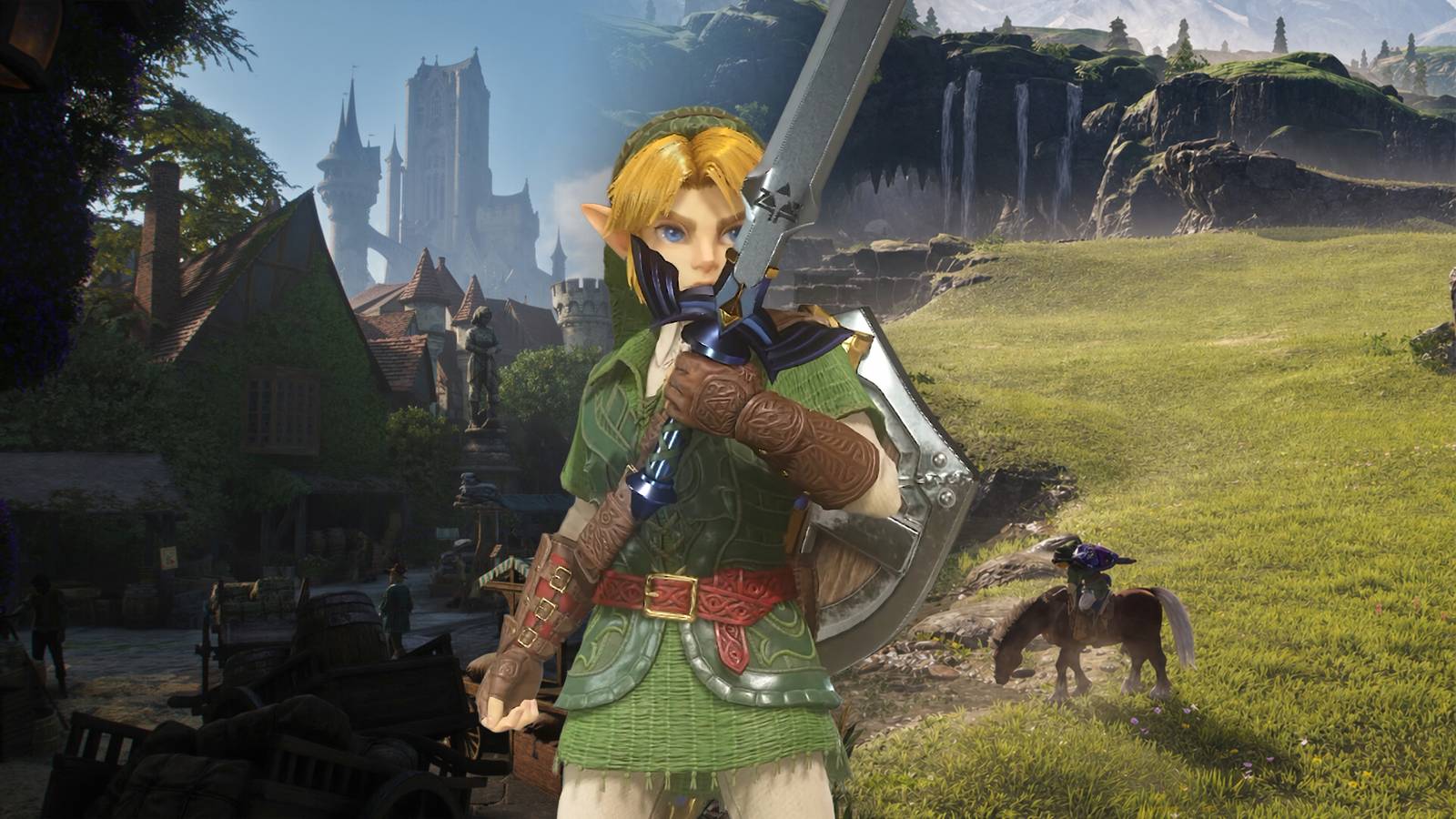
As someone who considers The Legend of Zelda: Ocarina of Time one of his all-time favorite games and has been playing Fable since the original launched, I’m admittedly an easy sell on both of their upcoming returns. There is an important distinction between them, though. Ocarina of Time is a remake, whereas Playground Games’ Fable is a reboot. Nintendo is rebuilding one specific game that has existed since 1998, while Playground has deliberately stepped away from the original Fable trilogy’s timeline and given itself room to start over.
I’m actually more interested in where those approaches eventually reach their limits, because both projects are going to have to answer a similar question before all is said and done. Nintendo can modernize Ocarina of Time quite a bit, but there is presumably a point where changing too much would leave it feeling like something other than the game people remember. Playground has the opposite problem with Fable. It can throw away far more of the old games, but at some point, it still has to convince players like me that what remains deserves to be called Fable. Both revivals are testing how far they can move from the past before nostalgia stops recognizing what it came back for.
Ocarina of Time Has to Know When to Stop Modernizing
I’ve already said plenty about how excited I am for the Ocarina of Time remake, and most of what Nintendo has shown so far has only made me more interested in it. The free camera alone changes quite a bit about how the game will feel, because the original was designed around fixed and semi-controlled viewpoints that players simply had to accept in 1998. Now I’ll be able to freely look around Kokiri Forest or Castle Town in ways the N64 game never allowed.


Guess the games from the emojis.
Guess the games from the emojis.
Easy (120s)Medium (90s)Hard (60s)
Manual jumping changes another part of the game I barely even thought about until Nintendo showed it. Link has always automatically jumped when running off a ledge in Ocarina of Time, which became so normal to me over the years that I stopped noticing it. Giving me control over when he jumps immediately makes traversal feel more modern, even if the spaces I’m moving through are still familiar.
Sprinting should have a similar effect, especially for anyone coming to the remake after spending hundreds of hours in Breath of the Wild or Tears of the Kingdom. Nintendo has also changed the way time moves through Hyrule, with the day-night cycle now continuing through areas where it once stopped. Voice acting pushes the presentation forward even further, while the orchestral score gives music I’ve known for decades a very different weight.
Nintendo can modernize Ocarina of Time quite a bit, but there is presumably a point where changing too much would leave it feeling like something other than the game people remember.
None of this concerns me yet. In fact, these are exactly the kinds of changes I hoped Nintendo would make, because I don’t particularly need the awkward parts of playing a 1998 Nintendo 64 game preserved out of principle. If the remake can make Hyrule easier to move through without altering what I’m actually doing there, I’m more than happy to take the upgrade.
Still, there has to be a line somewhere. I’ve already wondered whether Nintendo should give players different dungeon options rather than completely redesigning them, because once the actual structure of Ocarina of Time starts changing too aggressively, we’re getting into much murkier territory. The same could be said for combat or puzzles. Improving how Link moves through the world is one thing. Rebuilding the game around modern Zelda expectations would be something else entirely.
Nintendo’s challenge is figuring out how much friction belongs to 1998 and how much of it belongs to Ocarina of Time. Those aren’t necessarily the same thing. Some old design choices can disappear without me missing them at all, while others are so tied to the game’s identity that replacing them could leave me wondering what exactly Nintendo thought needed fixing in the first place.
Fable Has to Prove How Much It Can Leave Behind
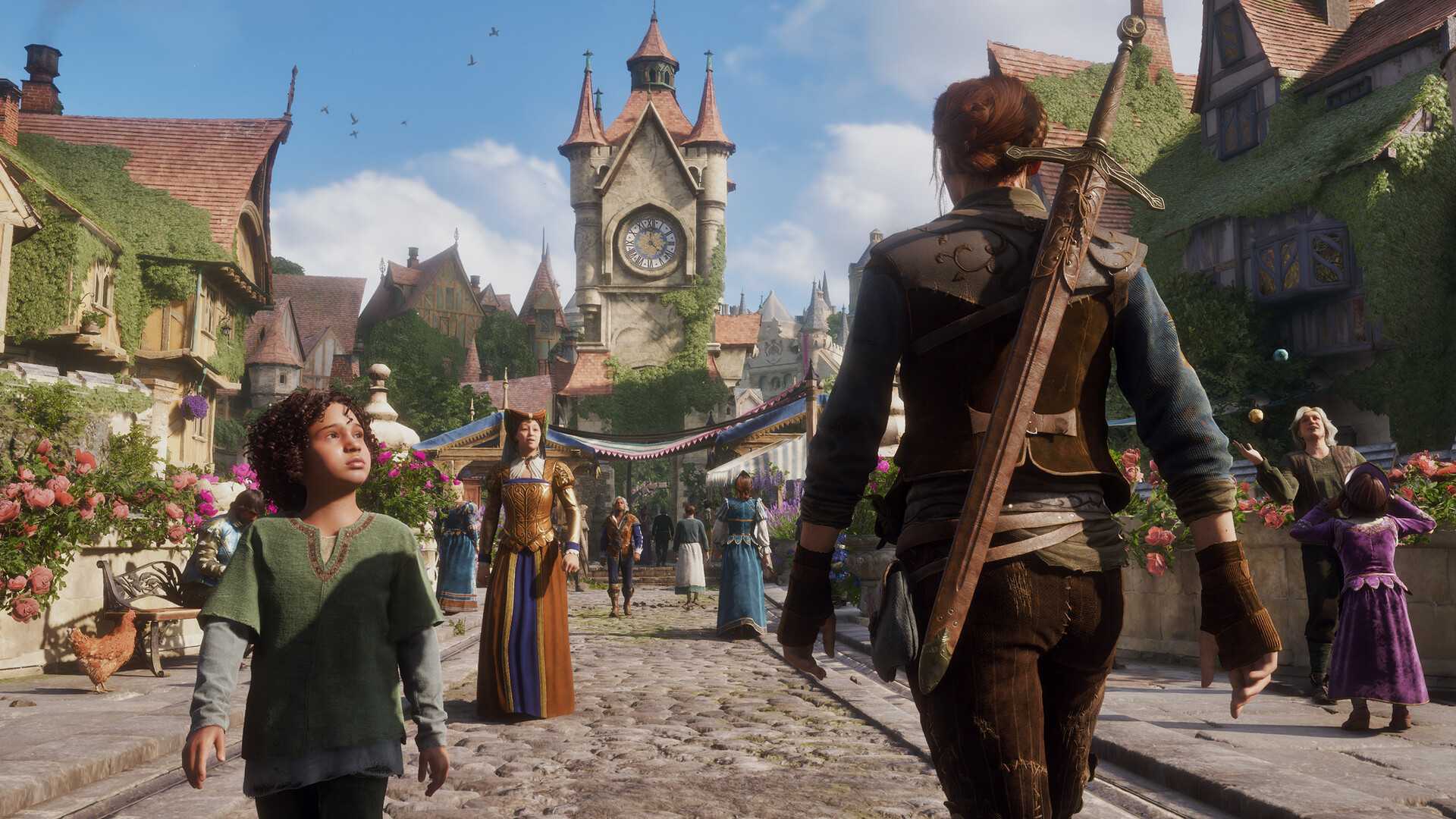
Playground Games has much more room to work with because its Fable isn’t remaking any one Lionhead game. Ralph Fulton has called it a “new beginning,” and Playground made the decision early on not to tie itself to the original trilogy’s characters or events. That gives the studio permission to build its own version of Albion without spending half the game explaining what happened after Fable 3.
I think that’s probably the right call, too. The last mainline Fable released a very long time ago, and asking a new audience to care about decades-old continuity could make the reboot more complicated than it needs to be. Playground has talked instead about finding the “essence” of Fable, which is a much more interesting idea to me than trying to recreate Lionhead’s work scene for scene.
Of course, “essence” is also where things get tricky. I know what Fable feels like to me, but someone else who grew up with the series might point to completely different things. I think of Albion’s strange sense of humor almost immediately. I think about the way morality could completely change how my hero looked and how people reacted to me. I think about owning property, getting married, and doing a dozen other things that weren’t technically necessary but made those worlds so easy to live in.
Playground Games has much more room to work with because its Fable isn’t remaking any one Lionhead game.
Playground doesn’t have to copy every one of those systems, and I don’t particularly want it to. If the studio has a better way to handle morality now, go for it. If its version of Albion needs a different social system, I’m open to that too. But the more Playground replaces, the more important the parts it keeps become, because eventually there has to be enough Fable left for longtime fans to recognize.
-
-

-
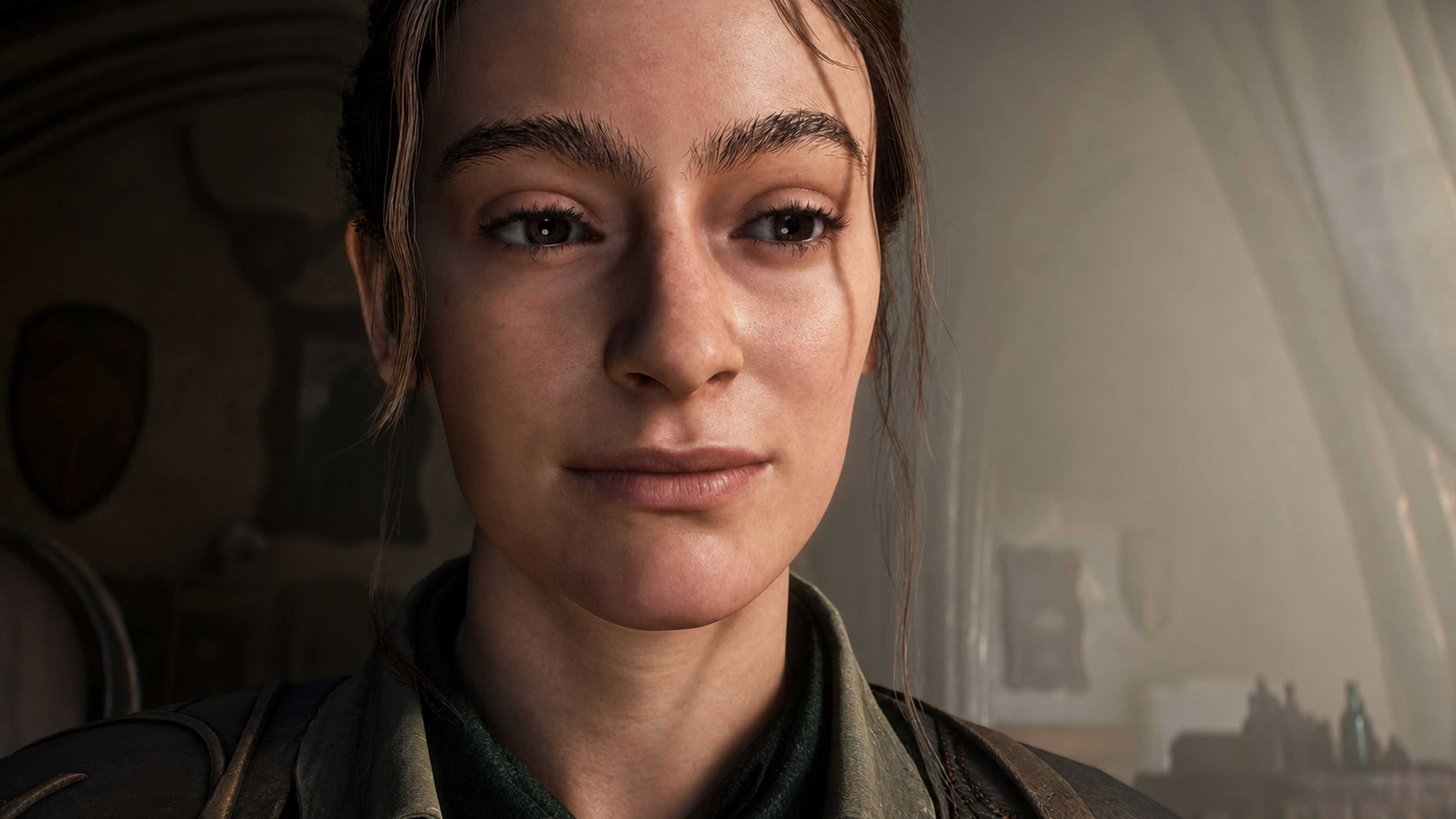


That’s where the reboot actually becomes a more dangerous experiment than the remake, at least in my eyes. Nintendo has an entire original game sitting underneath its changes, so there is always something familiar anchoring the experience. Playground has deliberately removed that safety net. It can build a completely new story and introduce an Albion I’ve never seen before, but if the humor feels wrong or the world loses that peculiar personality Lionhead gave it, no amount of familiar names will fix the problem.
Fable’s challenge is figuring out how little of the old games it actually needs before “new beginning” starts feeling more like “different series.” I’m not saying Playground is anywhere near that line based on what we’ve seen so far, because honestly, much of the reboot looks exactly as strange and unmistakably British as I’d hoped. But that line exists, and the reboot is eventually going to have to prove it knows where it is.
Personally, I’m glad these two revivals are approaching the past from opposite directions. I don’t want Nintendo rebuilding Ocarina of Time until the original adventure is barely recognizable, and I don’t want Playground shackling itself to Lionhead’s trilogy simply because longtime fans like me remember it fondly. The more interesting question is where each one finally decides enough has changed, because Ocarina of Time has to avoid modernizing itself out of existence while Fable has to avoid reinventing itself into something I no longer recognize.