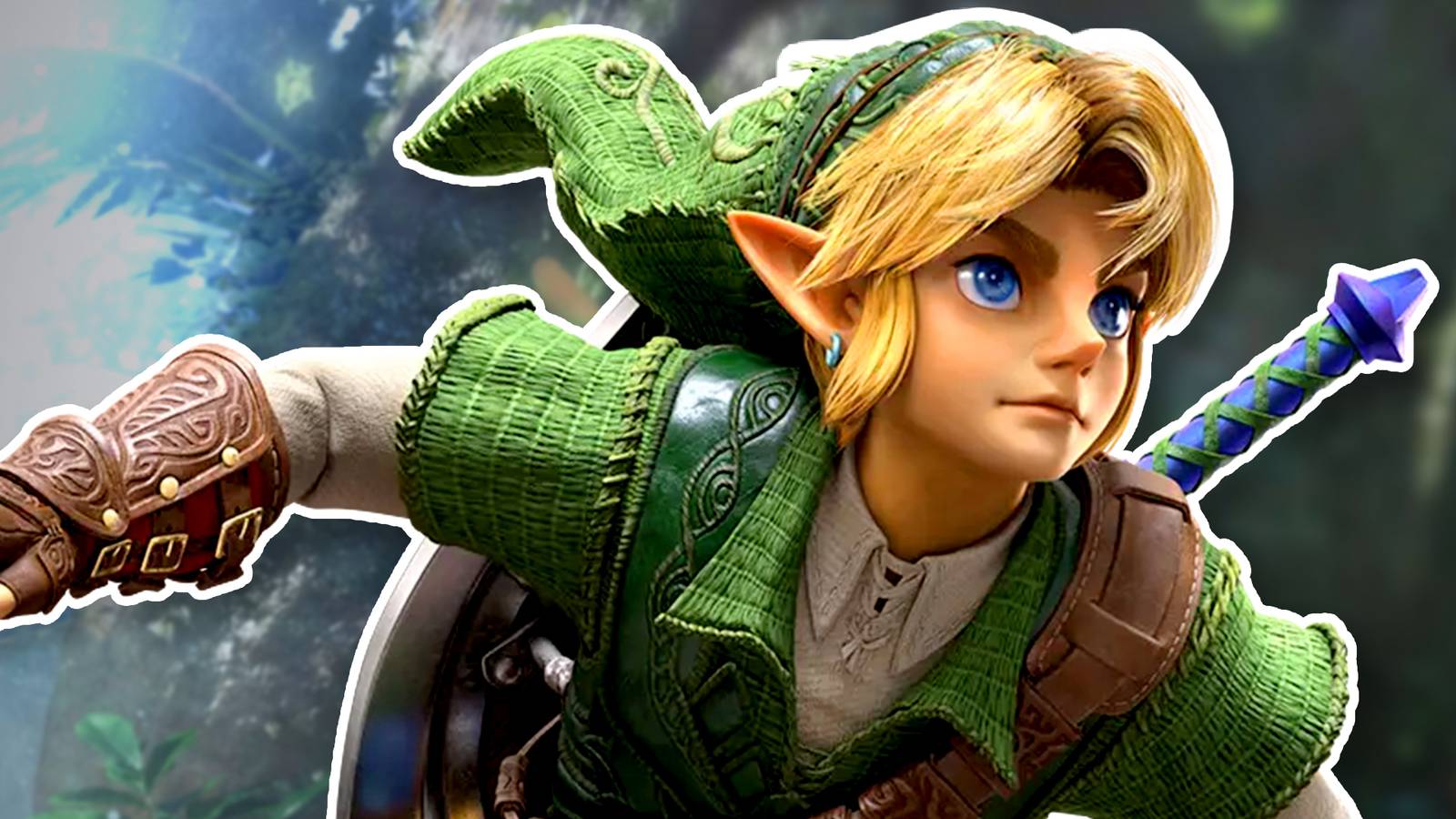




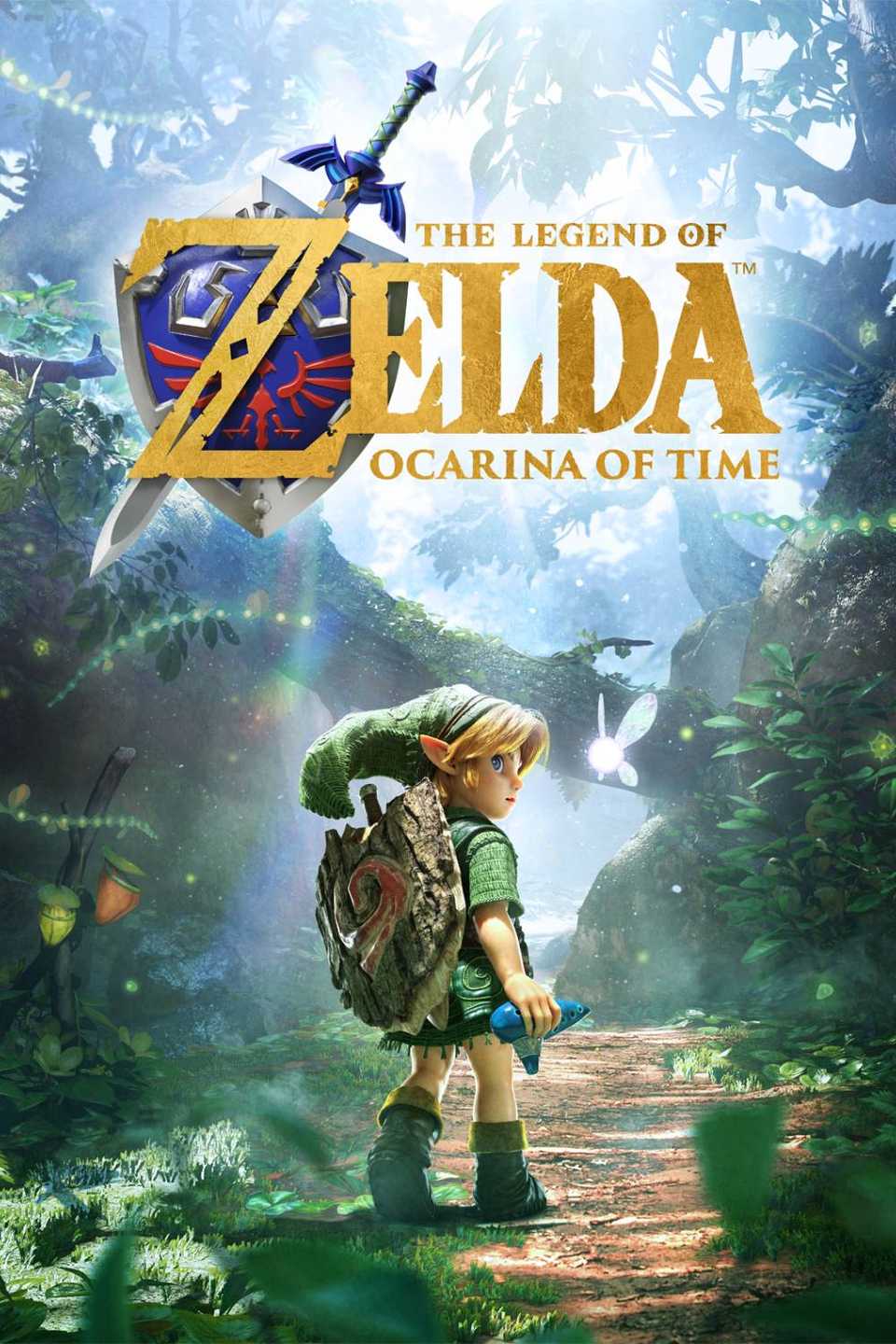
The Legend of Zelda: Ocarina of Time on Switch 2 has undoubtedly been one of the most highly anticipated releases in video game history, primarily due to just how long fans of the original game (and those who have been holding out for a remake) have been waiting for it. Now that Nintendo has pulled back the curtain even more on its gameplay, though, that anticipation has dwindled somewhat, with plenty of memes now going around about how little has changed about the original Ocarina of Time‘s gameplay in the remake. Jokes about the inclusion of a jump button and a free-roaming camera have been circulating, with one, in particular, poking fun at old dudes like me who are still very much excited about the remake. I’m not mad about it, though—in fact, it made me laugh.
However, the conversation has now clearly shifted from “a lot of Zelda fans are excited about the Ocarina of Time remake” to “dudes in their 40s are the primary demographic.” I’ll admit, I’m not quite 40, but I am a part of the apparent target demographic, as someone who was there when the game launched and old enough to be obsessed with it so much it distracted me from my homework. But what this massive shift in outlook highlights is just how hard it is to bring back a classic, no matter if you’re Nintendo or some other developer, especially when it is a game as beloved as Ocarina of Time. What the Ocarina of Time remake is facing now is the chance every remake has to take when choosing between faithfulness, evolution, or the more difficult route: a masterful blend of the two.
The Ocarina of Time Remake Might Be a Bit Too Faithful
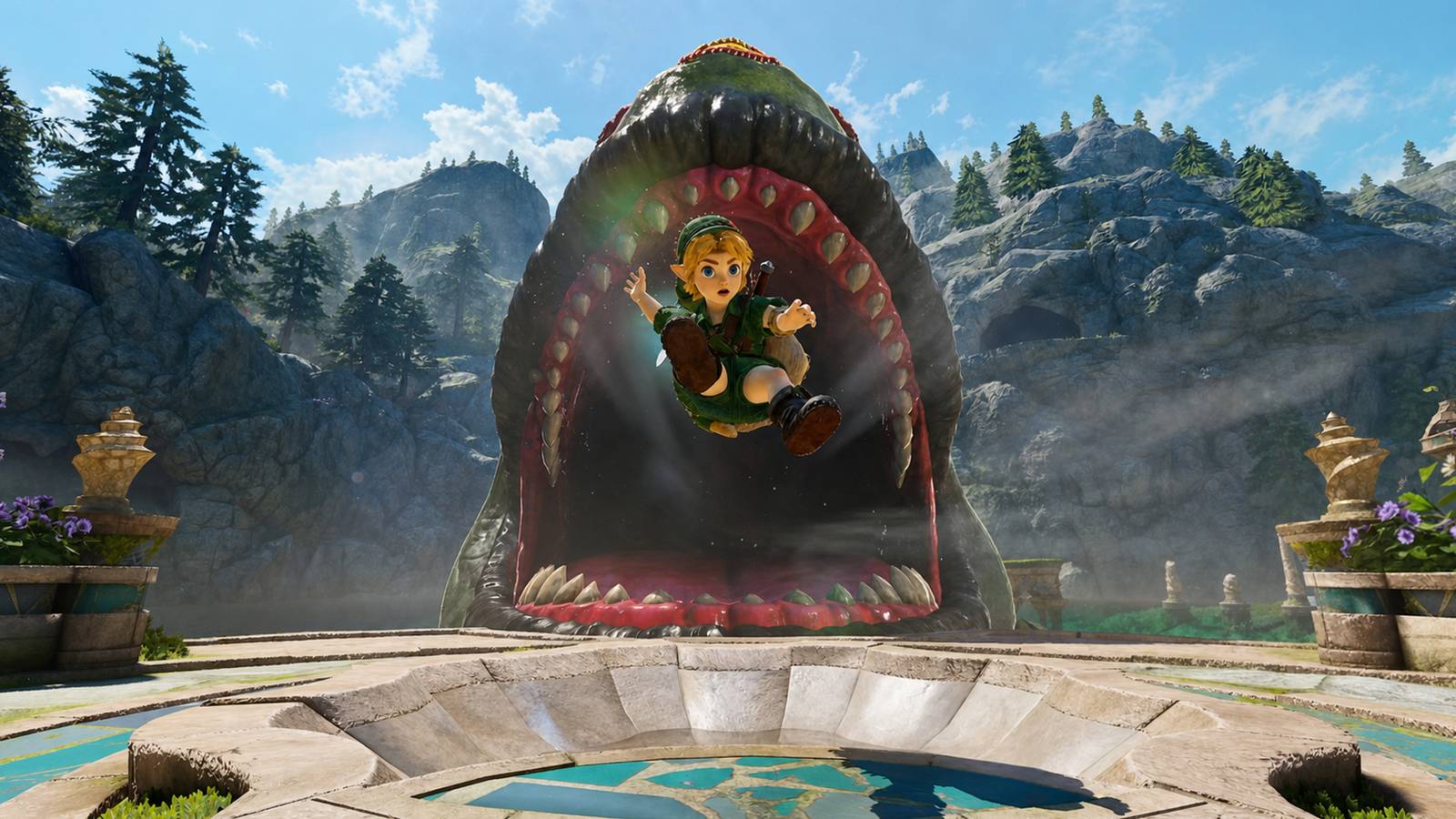
Based on what we’ve seen in The Legend of Zelda‘s dedicated 40th anniversary Direct and exclusive gameplay footage from outlets like Gamespot, the upcoming Ocarina of Time remake on Switch 2 is about as faithful as a remake can get. Again, several quality-of-life improvements have been made to the original game in the remake—like a jump button, a free-roaming camera, and what seems to be a longer day-night cycle with a new dash/sprint ability to boot. The remake also adds voice acting to cutscenes (apart from Link), which has obviously upset some people when, as an admirer of the original, I couldn’t care less.


Put the consoles in the correct order.
But some might argue that these quality-of-life improvements and minor extra additions just aren’t enough to justify a remake for what is widely considered one of the greatest games ever made (some, myself included, would even say it is the single greatest game ever made). The reason for this is that remakes are intended to bridge the past and the present, and not just in their presentation. When a remake is arguably too faithful and is largely only a surface overhaul, it can fail to capture modern audiences and therefore fall short of its greater purpose.

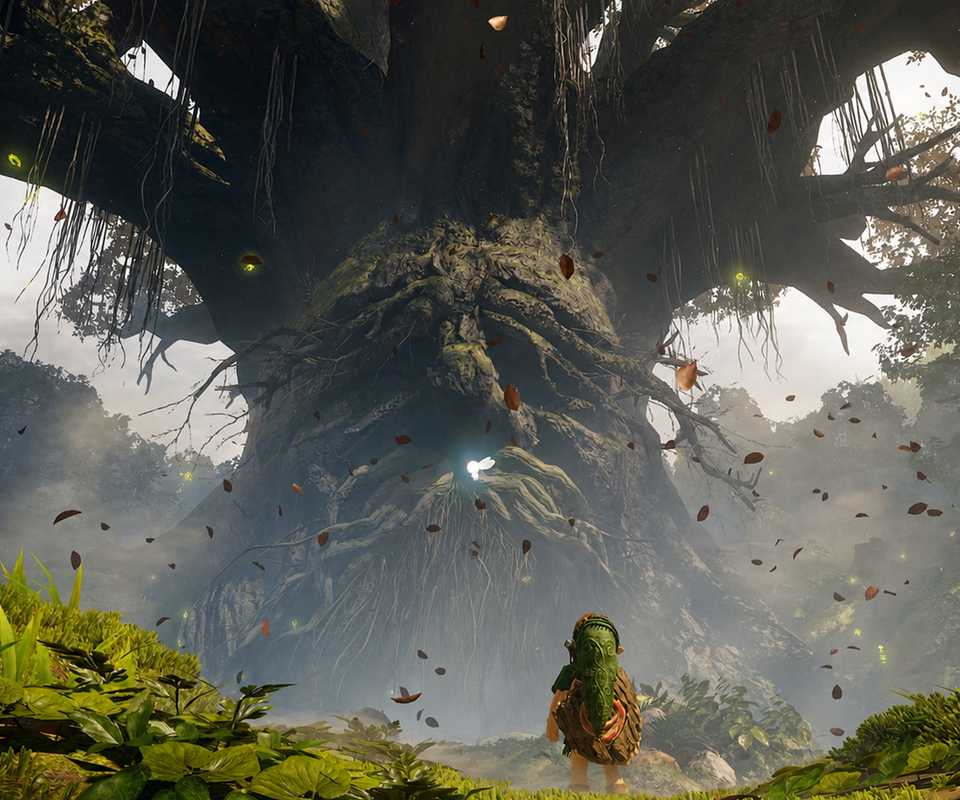
Of course, not everyone is going to see it that way, and therein lies the hardest problem with bringing back any classic. Some believe that remakes should be as faithful to the original as they possibly can, while others believe evolution is the only proper way to justify remaking a game in the first place. If a remake only looks better, sounds better, and plays better (as seems to be the case with the Ocarina of Time remake on Switch 2), some would claim the changes aren’t enough and that it’s more of a glorified remaster than anything else. After all, even though the Ocarina of Time remake plays better in some ways, its gameplay still looks to be largely the same. And if that truly is the case with the full release—and it most likely is—that would make its gameplay severely dated.
When a remake is arguably too faithful and is largely only a surface overhaul, it can fail to capture modern audiences and therefore fall short of its greater purpose.
However, were Nintendo to take things too far with the Ocarina of Time remake, it would likely still have received plenty of criticism from veteran fans who may have preferred a more faithful remake. Ahead of the big reveal, I know I was banking on Nintendo going the full nine yards and really overhauling the game in a significant way, primarily because I have replayed the original so many times, playing it again with only improved visuals and some minor but much-needed quality-of-life improvements would potentially feel like little more than a short nostalgia trip. At the same time, I haven’t seen what Nintendo could have done with it instead, and there’s a chance it would have made me unhappy.
Ocarina of Time Has More to Prove Than Just Being Faithful
I think that’s ultimately what makes the Ocarina of Time remake such a difficult game to judge before any of us have actually played the whole thing. Nintendo could have completely revamped its combat and made Hyrule the size of Breath of the Wild‘s open world, and I probably would have been sitting here wondering whether it had gone too far. Instead, Nintendo appears to have kept most of the original game’s actual design intact, and now I’m wondering whether it has gone far enough. I’m sure I’m not the only person caught somewhere in the middle, either, especially when the original Ocarina of Time means so many different things to so many different people.
The problem is that Nintendo isn’t only trying to remake Ocarina of Time for people like me who already know where every dungeon is and still remember exactly where to stand when the sun comes up to get the Fire Arrows. It also has to somehow make this game matter to people who weren’t around in 1998 and have no nostalgia for it whatsoever. Those players aren’t going to see its combat or world design for what they were nearly 30 years ago. They’re going to see them for what they are now, after countless games have taken what Ocarina of Time did and pushed those ideas much further. That’s where being so faithful becomes risky, because Nintendo isn’t only trying to preserve what made Ocarina of Time special. It also has to prove that what made it special still works when nostalgia isn’t doing any of the heavy lifting.



- Released
-
November 5, 2026
- ESRB
-
Everyone 10+ / Animated Blood, Fantasy Violence
- Developer(s)
-
Nintendo
- Publisher(s)
-
Nintendo