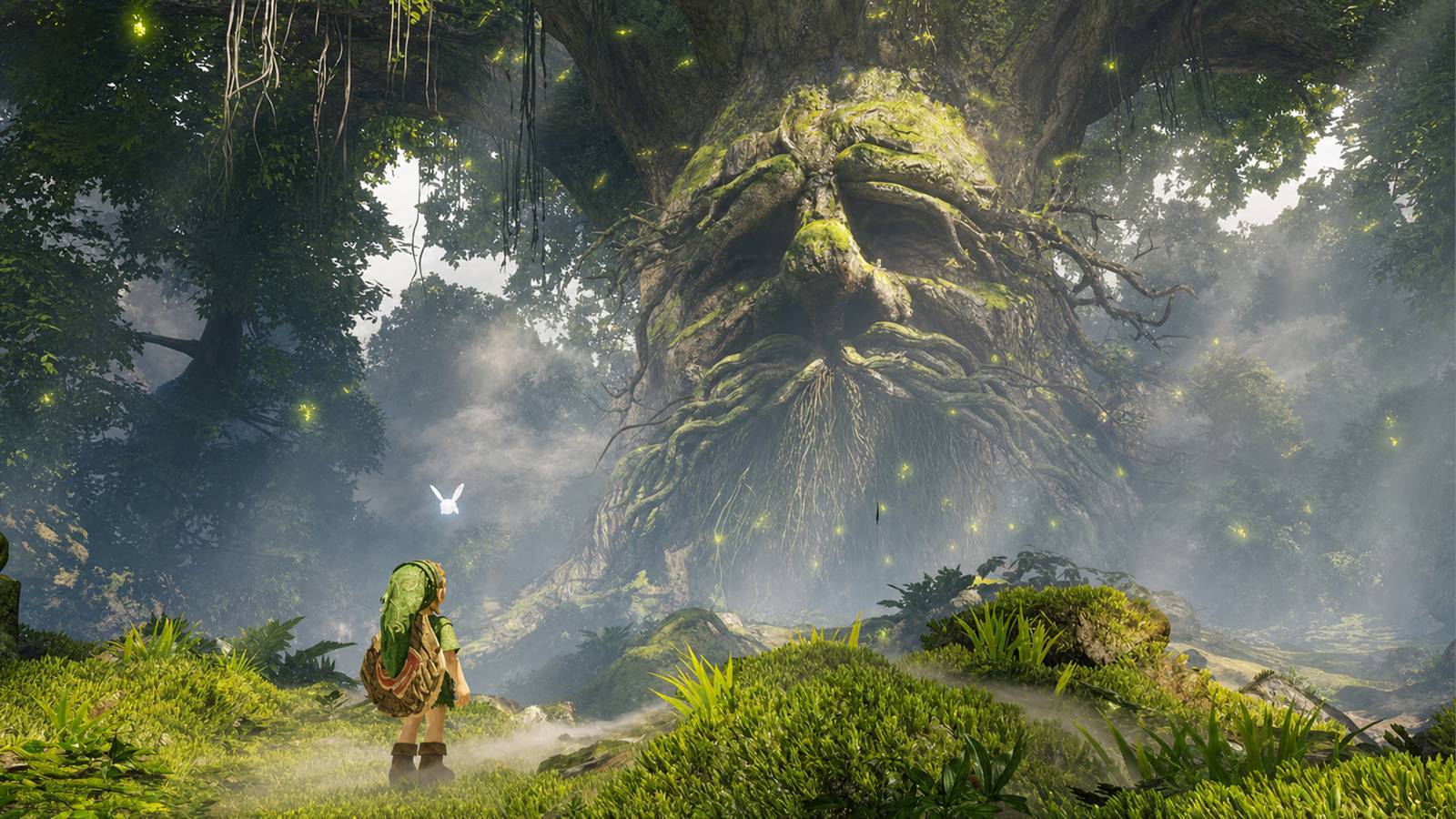

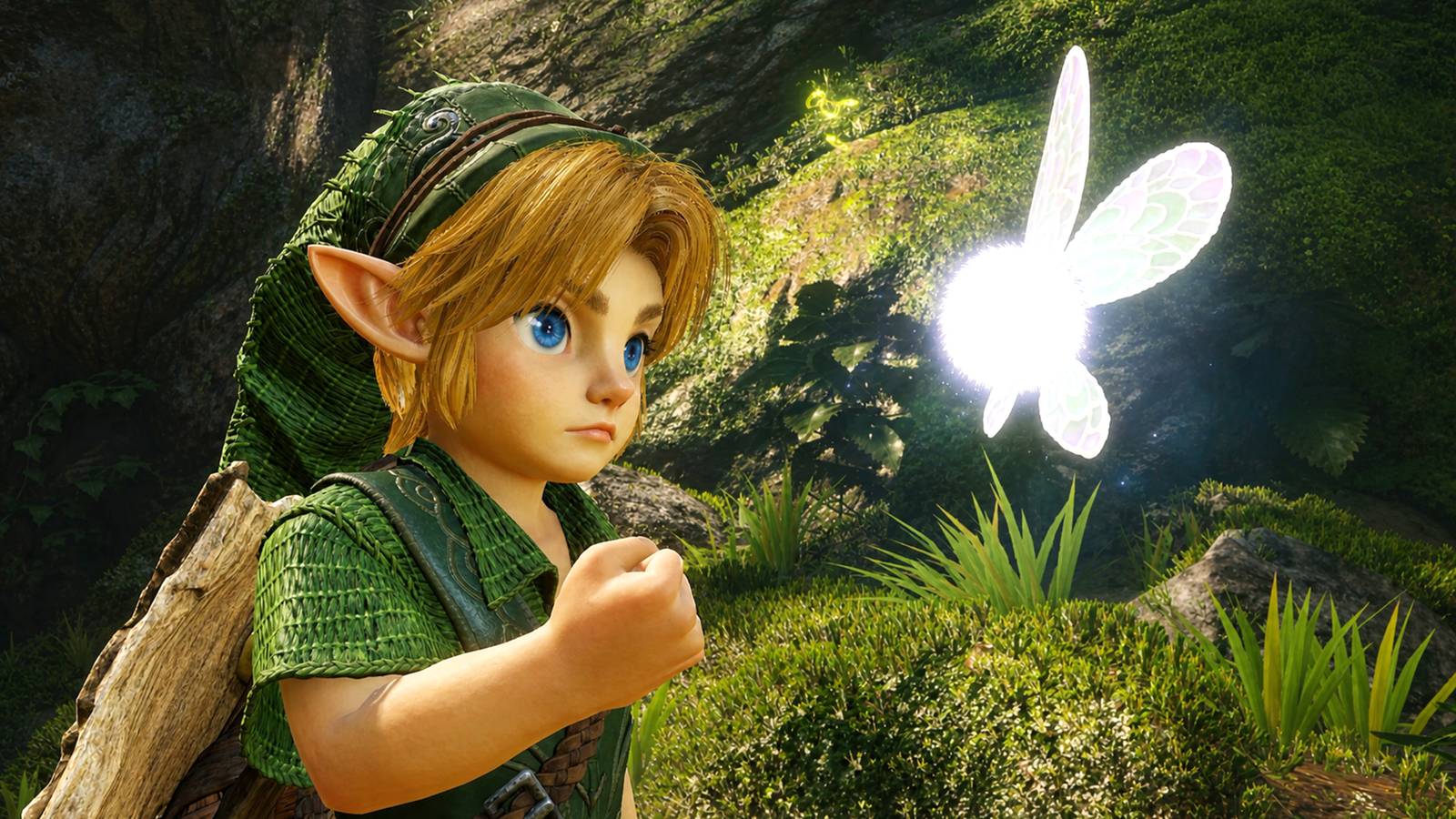



As much as I can’t wait for the next original Legend of Zelda game, my appetite is at least currently satiated by the upcoming Ocarina of Time remake on Switch 2. This is the remake I feel like I’ve been waiting most of my life for, having played the original when I was around 11 years old and had my whole world turned upside-down by it. And now that Nintendo has been confirming more and more that it’s even more than a straight 1:1 remake, I couldn’t be more thrilled about getting my hands on it when it launches on November 5, 2026. But if there’s one thing I’m confident about, it’s that the Ocarina of Time remake has already ruined the next Zelda game, even though we don’t know anything about it apart from some apparent leaks.
Now, when I say the Ocarina of Time remake has “ruined” the next Zelda installment, I don’t mean that it’s not going to be a good game. As a massive, lifelong fan of the franchise, I’m fully expecting it to blow me away, just as pretty much every game in the series has at some point. However, the Ocarina of Time remake is reviving an era of Zelda that was lost with the releases of Breath of the Wild and Tears of the Kingdom, and I, among many others, are beginning to feel like we may prefer that era over what The Legend of Zelda has done more recently. With the series returning to a time with classic Zelda dungeons, loading screens, and a more contained world, many of us are beginning to realize that what we’ve been missing this whole time is exactly what Nintendo has spent the last decade trying to evolve. In other words, Ocarina of Time is already setting expectations for the next Zelda game, and whether it falls in line with those expectations or not, it is effectively ruined.
The Next Zelda Game May Be Better Off Staying in Ocarina of Time’s Lane
This whole thought process started when I was watching the new overview trailer for the Ocarina of Time remake on YouTube and reading the comments below it. So many of the fans commenting were mentioning how excited they were to get back to classic Zelda again after the Breath of the Wild era kicked off in full force, and I found myself echoing that sentiment with a quiet, “Me, too.” It’s not that I have despised the Breath of the Wild era (as some apparently have). In fact, I fell in love with Zelda all over again when I played Breath of the Wild, its sequel, and even Echoes of Wisdom—and I even managed to get my wife into it.


Put the consoles in the correct order.
Even so, there’s a reason the original Ocarina of Time stuck with me and so many others for so long, and there’s a specific formula that popularized Zelda in the first place. Did that formula need to evolve? Sure, it did, as any formula hoping to live a long life does. Did it need to evolve as much as it did once Breath of the Wild kicked things off in 2017? That part is debatable. I’m the type of gamer who’s almost never up in arms about anything, and that includes the new direction Nintendo has taken Zelda in recent years. But I can still understand why some fans of the franchise haven’t been so quick to receive the new era with open arms, as it would mean embracing the thing that essentially killed the game they once loved.
As such, demand has naturally increased for The Legend of Zelda to return to its classic form again, complete with dungeons that take some real effort to get through and items that actually have a purpose beyond the place where you find them. And while I absolutely love the freedom Breath of the Wild and Tears of the Kingdom have given us, I do miss the days when I couldn’t just go anywhere I wanted right from the beginning. There was something about having to work my way through Hyrule and gradually earn access to more of it that made the adventure feel that much more rewarding. I’m not saying Nintendo should abandon everything it’s accomplished with the newer games, but I do think there’s a chance it went a little too far in trying to leave the old formula behind. And now that Ocarina of Time is bringing that formula back, I have a feeling it’s going to be even harder to convince fans that moving away from it was the right decision.
Ocarina of Time’s Success Could Leave Nintendo in a No-Win Situation
Now, if the Ocarina of Time remake succeeds—and it’s already off to a promising start—how will The Legend of Zelda go back to its open era? Hands-on previews of the Ocarina of Time remake have been praising Nintendo for finding a way to remain faithful to the original game and yet modernize it in the ways that matter most. This means that those who never even played the original N64 classic will likely find the remake enjoyable, even though it’s an exceedingly faithful remake of a game that is just under three decades old. If players like that fall in love with the way Ocarina of Time does Zelda, will they still crave what Nintendo did with Breath of the Wild and Tears of the Kingdom? Or will they want classic Zelda back like the rest of us?
That’s what I mean when I say that the Ocarina of Time remake has ruined the next Zelda game. If Nintendo continues down the path it started with Breath of the Wild, there’s a good chance it will leave those of us who have been longing for classic Zelda disappointed all over again. But if it decides to return to the old formula, it risks disappointing the fans who have come to love the freedom of the newer games. I don’t envy Nintendo for having to make that decision, but I do hope the Ocarina of Time remake reminds it that the series didn’t become one of the most beloved franchises in gaming by accident. There’s still plenty of room for that older style of Zelda, and I think we’re about to see just how much.

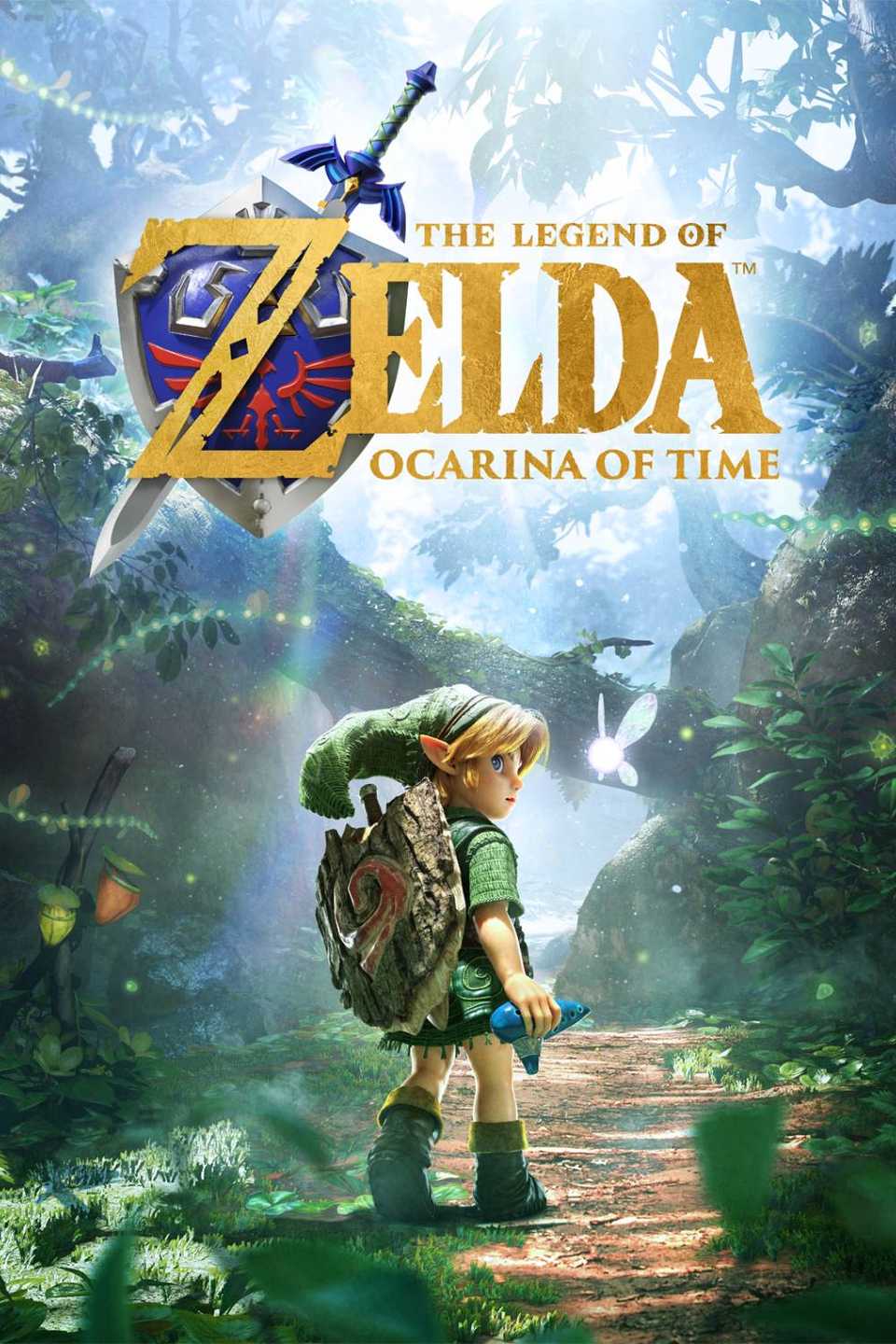


- Released
-
November 5, 2026
- ESRB
-
Everyone 10+ / Animated Blood, Fantasy Violence
- Developer(s)
-
Nintendo
- Publisher(s)
-
Nintendo