




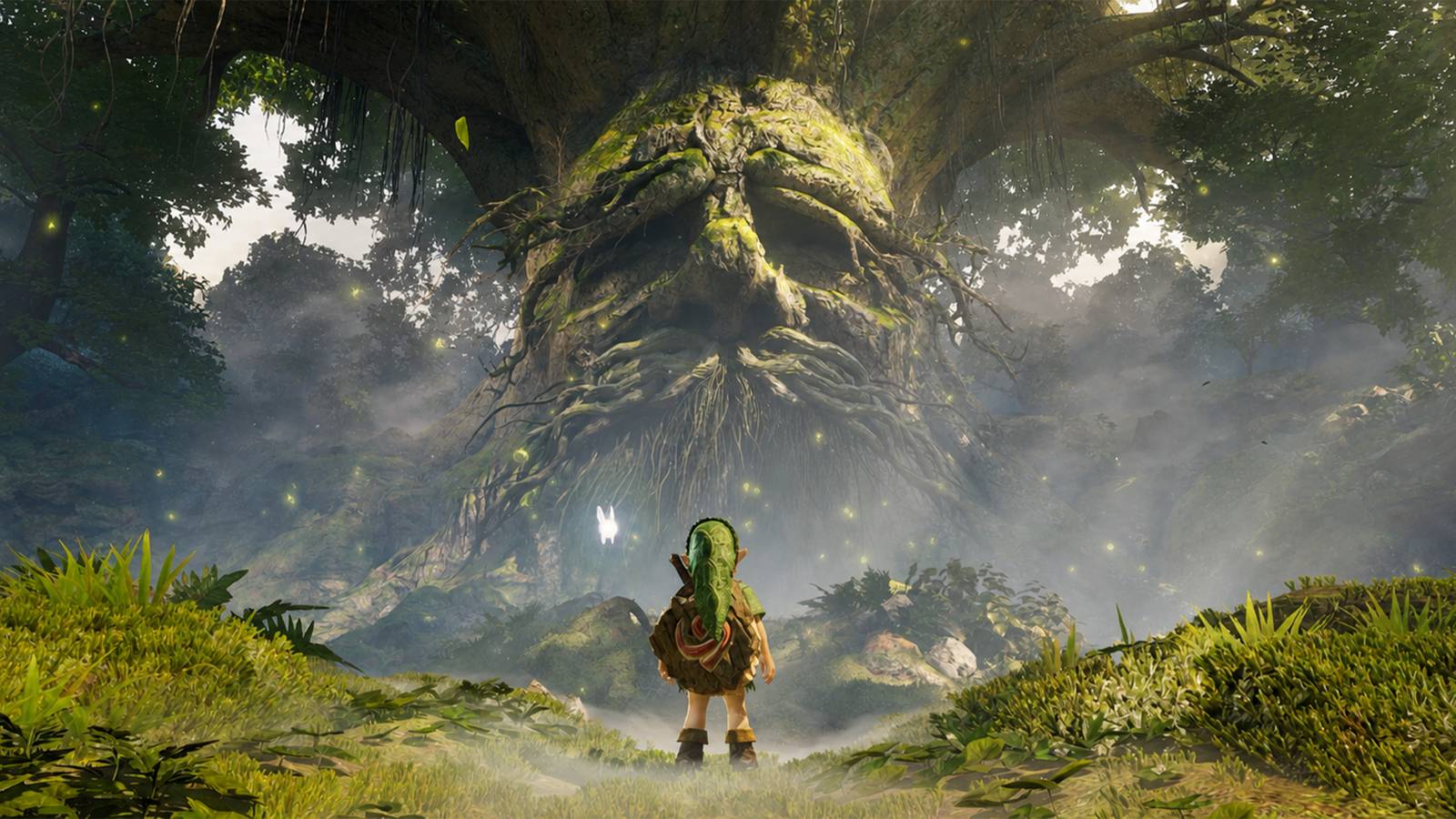
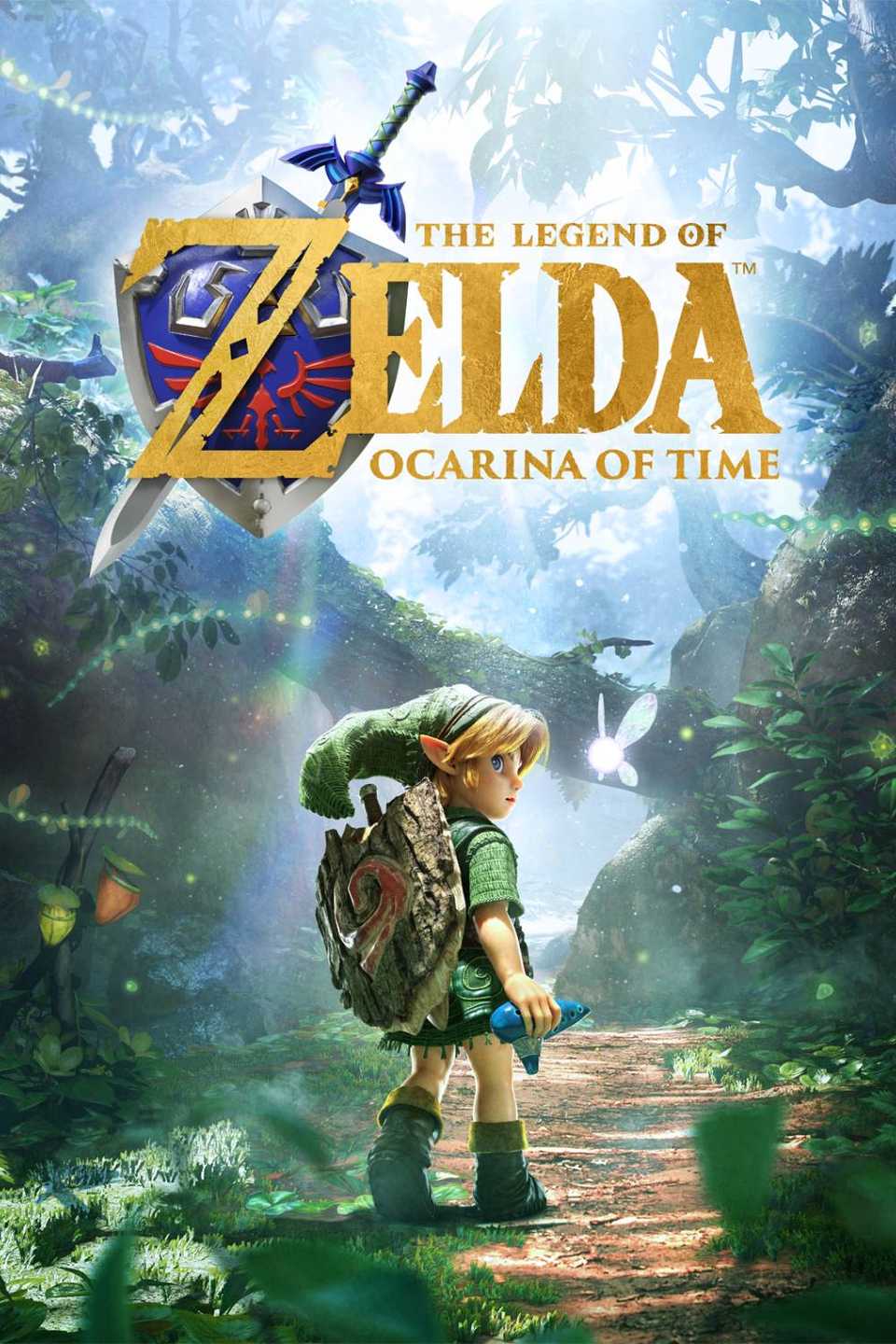
One of The Legend of Zelda: Ocarina of Time remake’s biggest quality-of-life improvements over the original is, without a doubt, the jump button. In the classic N64 version of the game, the only way players could make Link jump was by running him off a ledge. Upon doing so, Link would automatically jump, meaning the biggest thing players needed to consider was the angle they were running him in and whether he could actually make it across whatever gap lay in front of him. The only other way to “jump” was to do a jump attack, but that wouldn’t really get Link anywhere, so much as it would just make his normal sword attack a bit stronger. However, the Legend of Zelda: Ocarina of Time remake is officially adding a manual jump button, which will allow players to make Link jump whenever they please.
But what’s interesting about this much-needed quality-of-life upgrade is that it’s actually not all that new. In fact, Nintendo originally gave players the option to make Link jump manually before making the move to automatic jumping during development instead. It’s an interesting compromise, to be honest, especially considering how frustrating the automatic jump mechanic can be. I can’t tell you how many times I leaped off a ledge, only to have not lined Link up properly and ultimately missed whatever platform I was aiming for. Nevertheless, Nintendo had an understandable reason for cutting it back then, and adding it now in the Ocarina of Time remake actually makes it even better—but not just because you’re finally in full control of Link’s jumping. The real reason the game is better for it actually goes much deeper.
The Legend of Zelda: Ocarina of Time Originally Had a Manual Jump Function
One of the more divisive elements of the original Ocarina of Time was undoubtedly Link’s inability to jump, and everything I’ve already explained should make it clear why. It was unnecessarily frustrating and made some of the game’s biggest platforming sections a massive headache. However, legendary Zelda creator Shigeru Miyamoto confirmed years ago that the decision to leave a manual jump function out of the original game wasn’t a time or resource issue. Rather, it came down to what Nintendo wanted to prioritize in the game, and it actually says a lot about the Ocarina of Time remake’s new direction as well.


Guess the games from the emojis.
In an in-depth interview that first appeared in a 1999 strategy guide (via Shmuplations), Miyamoto clarified that Nintendo’s stance on excluding a player-controlled jump function was rooted in the kind of game it wanted to be. I thought if we added jumping,” Miyamoto stated, “it would be one-too-many gameplay elements. And it would be frustrating if you were in the middle of a dungeon and had to make some pixel-perfect jump to progress. If we really tried to make that mechanic fun, it would have turned Ocarina into a completely different game.”
Nintendo originally gave players the option to make Link jump manually before making the move to automatic jumping during development instead.
Regarding the idea of players making a “pixel-perfect jump to progress,” it’s a bit ironic, because there are still plenty of jumps in the original Ocarina of Time that require a perfect approach. Also, in case you’re unaware, as the creator of Mario, Miyamoto is basically the inventor of “jump games,” so you’d think he and the team would be able to perfect that elsewhere, even in a game like Ocarina of Time. Still, Miyamoto’s comment about a manual jump button making Ocarina of Time a “completely different game” actually does make a lot of sense when you think about how such a simple function could change things like world and dungeon design.
Just think about it—if Link could jump from anywhere at any time, how many of the original game’s environmental puzzles and obstacles would suddenly become much easier to overcome? Depending on how high and far Link can jump, there could be plenty of places where players would be able to bypass a challenge entirely, simply because they now have an extra movement option that wasn’t available to them before. So, Nintendo can’t just give Link a jump button and call it a day. It has to reconsider how at least some of those environments are designed, and that’s where I think the remake stands to benefit the most. Rather than simply recreating every obstacle and puzzle exactly as it was in 1998, Nintendo has an opportunity to make them more interesting, even for those of us who have played the original more times than we can count.
The Zelda: Ocarina of Time Remake’s New Jump Button Means It Has Likely Been Deeply Reworked
Early previews of the Ocarina of Time remake have already confirmed that some of the original game’s puzzles and dungeons have been reworked, and one of the more interesting examples so far is how Link obtains the Kokiri Sword. In the original, players had to make their way through a little maze while avoiding a rolling boulder to reach the chest containing the sword. In the remake, however, the chest has been moved to an elevated platform that Link needs to jump to reach. That may not sound like a huge change, but we’re talking about something that happens within the first few minutes of the game. If Nintendo is already changing things that early on to account for the new jump button, I can only imagine what it might have done with some of the game’s later puzzles and dungeons.
And that’s what I’m looking forward to the most, honestly. I’ve played Ocarina of Time so many times that I could probably make my way through a good chunk of it without even thinking about what I’m doing. I know where to go, how to solve most of the puzzles, and what to expect around almost every corner. But I don’t necessarily want that to be the case with the remake. I’d love to walk into a familiar room, think I know exactly what to do, and then realize Nintendo has changed things up on me. If restoring manual jumping is what allows that to happen, then I’d say it’s already proving to be a worthwhile addition.
Of course, I don’t want Nintendo to change everything about Ocarina of Time, either. There are plenty of things about the original that I think are perfectly fine the way they are, and changing them just for the sake of it would be a mistake. But I’ve always felt that a remake should give people who played the original something new to experience, and this seems like a great way to do that. Miyamoto had his reasons for removing manual jumping almost 30 years ago, and I can respect that. But if bringing it back means getting to experience some of my favorite Zelda dungeons in a whole new way, I’m certainly not going to complain.



- Released
-
November 5, 2026
- ESRB
-
Everyone 10+ / Animated Blood, Fantasy Violence
- Developer(s)
-
Nintendo
- Publisher(s)
-
Nintendo