





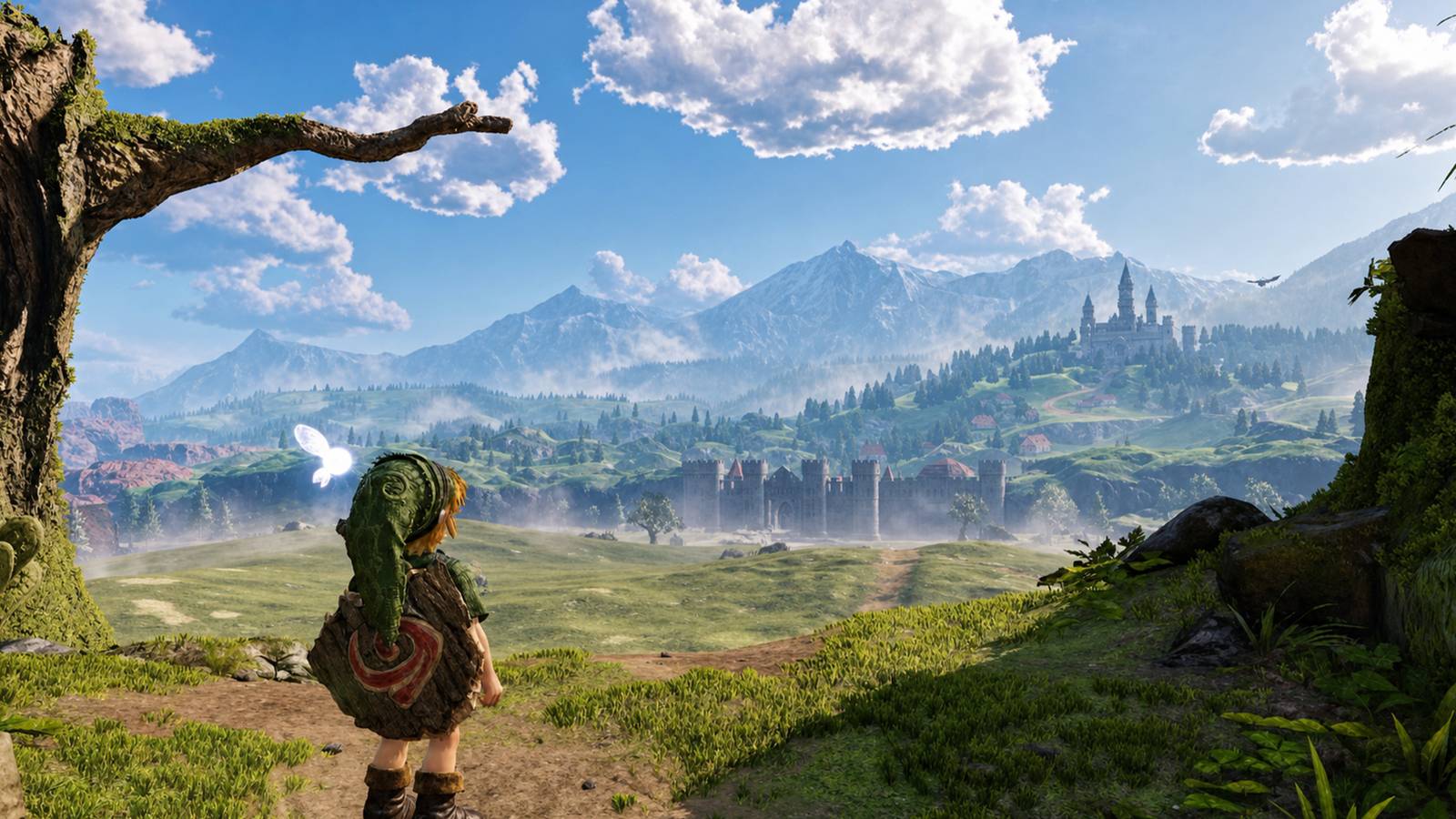
I can’t imagine how many times I’ve crossed Hyrule Field in the original The Legend of Zelda: Ocarina of Time, and if I’m being honest, I probably spent most of those trips rolling because it was faster than running. So I can certainly understand why Eiji Aonuma initially wanted the Switch 2 remake to include additional warp points, especially when modern Zelda games have made fast travel so convenient. However, in Nintendo’s November 2 Ask the Developer interview, Aonuma revealed that after the team implemented those shortcuts, he actually had them removed because players were missing opportunities to discover things along the way. And I think his decision says quite a bit about how easily a feature designed to make a game more convenient can end up taking something away from the experience.
Now, I’m certainly not suggesting that fast travel is a bad thing, especially when I can’t imagine playing something as enormous as Tears of the Kingdom without being able to instantly travel to previously discovered locations. But I also think there’s something to be said for a game that makes players spend time in its world before giving them the ability to simply skip it. The original Ocarina of Time actually handled this rather well, as it already had fast travel through the warp songs Link eventually learned during his adventure. However, those songs weren’t available from the beginning, and I think that limitation was a much more significant part of the game’s design than some might realize.
Zelda: Ocarina of Time’s Original Fast Travel System Made Hyrule More Memorable
One of the things I’ve always loved about Ocarina of Time is how much of its world players are required to experience before they are given convenient ways of traveling through it. When Link first leaves Kokiri Forest, for example, players have no choice but to cross Hyrule Field to reach Hyrule Castle, and from there, they gradually learn how to reach places like Kakariko Village and Death Mountain. There’s no option to simply open a map and select a destination, meaning players have to become familiar with Hyrule’s geography as they progress through the adventure. And while that might seem a little inconvenient by today’s standards, I think it’s one of the reasons the original game’s world has remained so memorable almost 30 years later.


Guess the games from the emojis.
Of course, that eventually changes once Link becomes an adult and begins learning the six warp songs from Sheik, which allow him to instantly travel to specific locations throughout Hyrule. The Minuet of Forest, for example, takes Link to the Sacred Forest Meadow, while the Bolero of Fire allows him to return to Death Mountain Crater without having to make the entire journey again. But even then, these songs are primarily tied to the game’s temples, and they don’t give players the freedom to travel to just about anywhere they want. By the time Link has access to most of them, players have already spent a considerable amount of time exploring Hyrule, so they understand how to reach those destinations without necessarily needing the shortcuts in the first place.
And I think that’s where the real value of Ocarina of Time‘s original approach to fast travel comes from, because it doesn’t allow players to skip over the world before they’ve had a chance to appreciate it. There are plenty of hidden secrets scattered throughout Hyrule, including Gold Skulltulas and Pieces of Heart that players might not even discover until they revisit an area with new equipment. But if players were able to instantly travel to every major destination from the moment they discovered it, how many of those secrets would they have missed simply because they never had a reason to pass through those areas again? Since 1998, I’ve played Ocarina of Time in its entirety numerous times, and even now, I think some of my favorite moments come from finding something I wasn’t necessarily looking for in the first place.
One of the things I’ve always loved about Ocarina of Time is how much of its world players are required to experience before they are given convenient ways of traveling through it.
That’s also why I think Nintendo made the right decision by removing the additional warp points from the remake, especially when the Switch 2 version already includes an improvement that should make traveling across Hyrule less tedious. Rather than forcing players to repeatedly roll to get somewhere faster, the remake allows Link to sprint, which should make those longer journeys considerably more convenient without requiring players to skip them entirely. And considering Aonuma specifically mentioned how often players rolled across Hyrule Field in the original game when explaining why he suggested adding warp points, it seems Nintendo has found another way to address that frustration. I’d much rather have the ability to move through Hyrule more quickly than be encouraged to avoid traveling through it altogether.
Zelda: Ocarina of Time Remake’s Removed Warp Points Highlight a Bigger Problem With Fast Travel


I think there’s also a broader argument to be made here about how fast travel can change the way players experience a game’s world, particularly when it’s available almost everywhere. While Breath of the Wild and Tears of the Kingdom certainly have good reasons for offering so many warp points, especially considering the sheer size of their maps, there’s also something that happens when traveling between locations becomes little more than selecting an icon. Players eventually become so accustomed to instantly reaching their destinations that the world between them can start to feel less important, even when there’s still plenty worth discovering there. And I think that’s something developers need to be careful about, because a world can be beautifully designed and full of secrets, but that doesn’t necessarily mean players will experience much of it if they’re constantly given opportunities to skip the journey.
With the Ocarina of Time remake launching on November 5, I sincerely doubt I’ll ever miss those warp points because I’ll be too busy appreciating what Nintendo has done with one of my favorite video game worlds of all time. I know for a fact that if I had been given the opportunity to essentially skip Hyrule in the original N64 game, I probably wouldn’t remember its world quite as fondly as I do today. That’s ultimately why I appreciate Aonuma’s decision, because rather than simply making the remake more convenient, Nintendo seems to be considering how each change might affect the experience that made Ocarina of Time so special in the first place. Fast travel certainly has its place, but I think the best games understand that players should have a reason to experience the journey before they are given the ability to skip it.

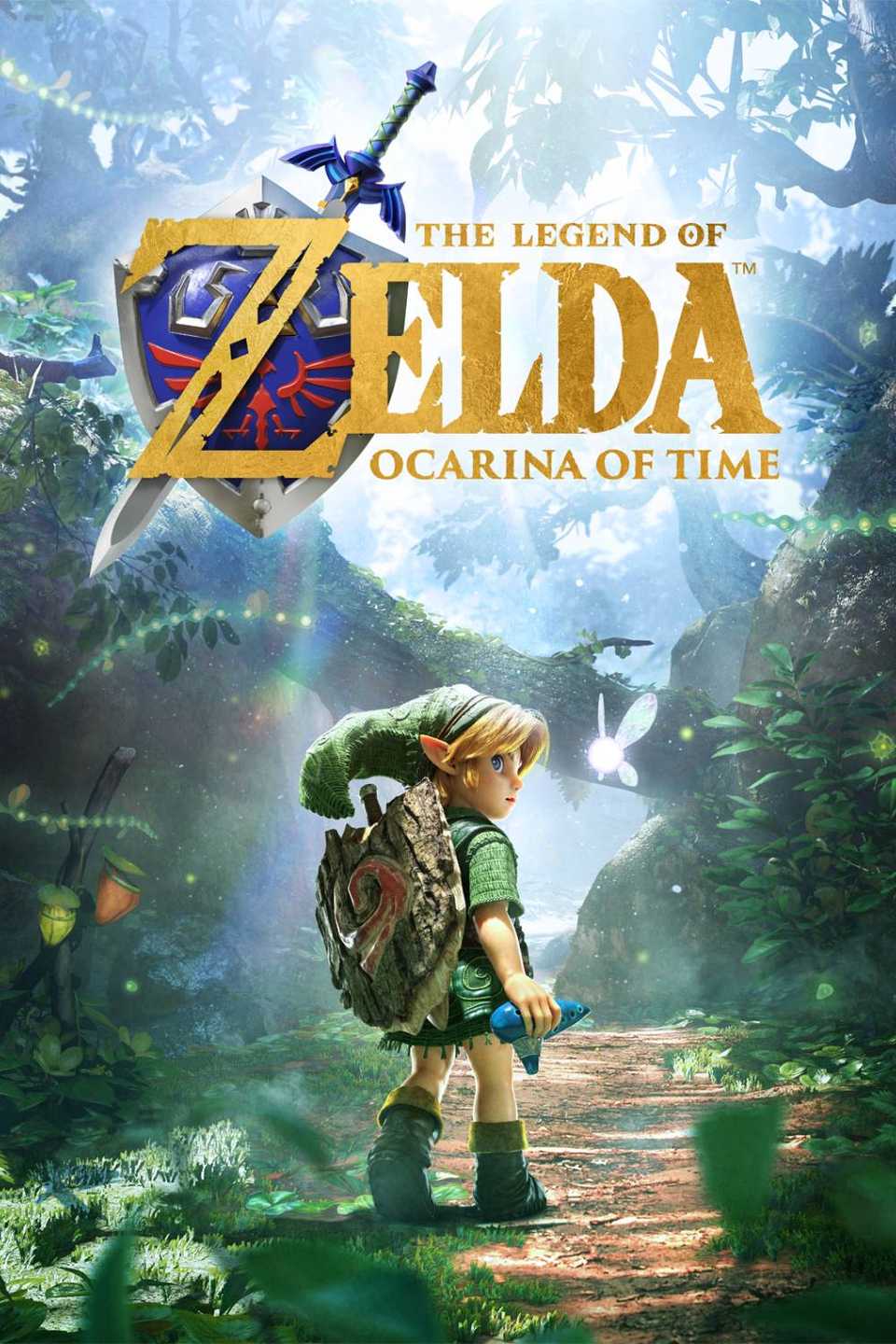


- Released
-
November 5, 2026
- ESRB
-
Everyone 10+ / Animated Blood, Fantasy Violence
- Developer(s)
-
Nintendo
- Publisher(s)
-
Nintendo