



I don’t think there’s any way to talk about The Legend of Zelda: Ocarina of Time remake’s potential Metacritic score without acknowledging the rather ridiculous standard it has to live up to. After all, the original N64 game has spent almost 28 years being regarded as one of the greatest video games ever made, and its Metacritic score reflects that. As someone who considers it to be one of my all-time favorite games, I would love nothing more than to see the Switch 2 remake receive that same level of praise. But I also know that a game getting a near-perfect score in 1998 doesn’t necessarily mean it will do the same in 2026, even if Nintendo has rebuilt just about everything around it.
What’s interesting, though, is that this isn’t the first time Ocarina of Time has had to prove itself to a new generation of critics. The Nintendo 3DS version already did that in 2011, and while it was received exceptionally well, it still didn’t quite match the original. Now, with the remake releasing on November 5 and early previews revealing far more changes than I initially expected, I’m wondering whether Nintendo has done enough to push the game beyond its 3DS score. I certainly think it has a chance, although there are a few reasons I’m hesitant to predict anything too close to the N64 game’s record.
For anyone unfamiliar with just how highly regarded the original Ocarina of Time is, it currently sits at a 99 on Metacritic, based on 22 critic reviews. That’s still the highest Metascore of any game on the site, which is an extraordinary achievement when you consider how much the medium has changed since 1998. The 2011 Ocarina of Time 3D, meanwhile, earned a 94 from 85 critic reviews, despite bringing improved character models, updated textures, and more convenient controls to the handheld. I wouldn’t take that five-point difference as evidence that the 3DS game was somehow worse. It was being reviewed 13 years after the original, when the novelty of exploring Hyrule in three dimensions had long since worn off, and the impact of the N64 release wasn’t something a visual overhaul could simply reproduce.


Put the consoles in the correct order.
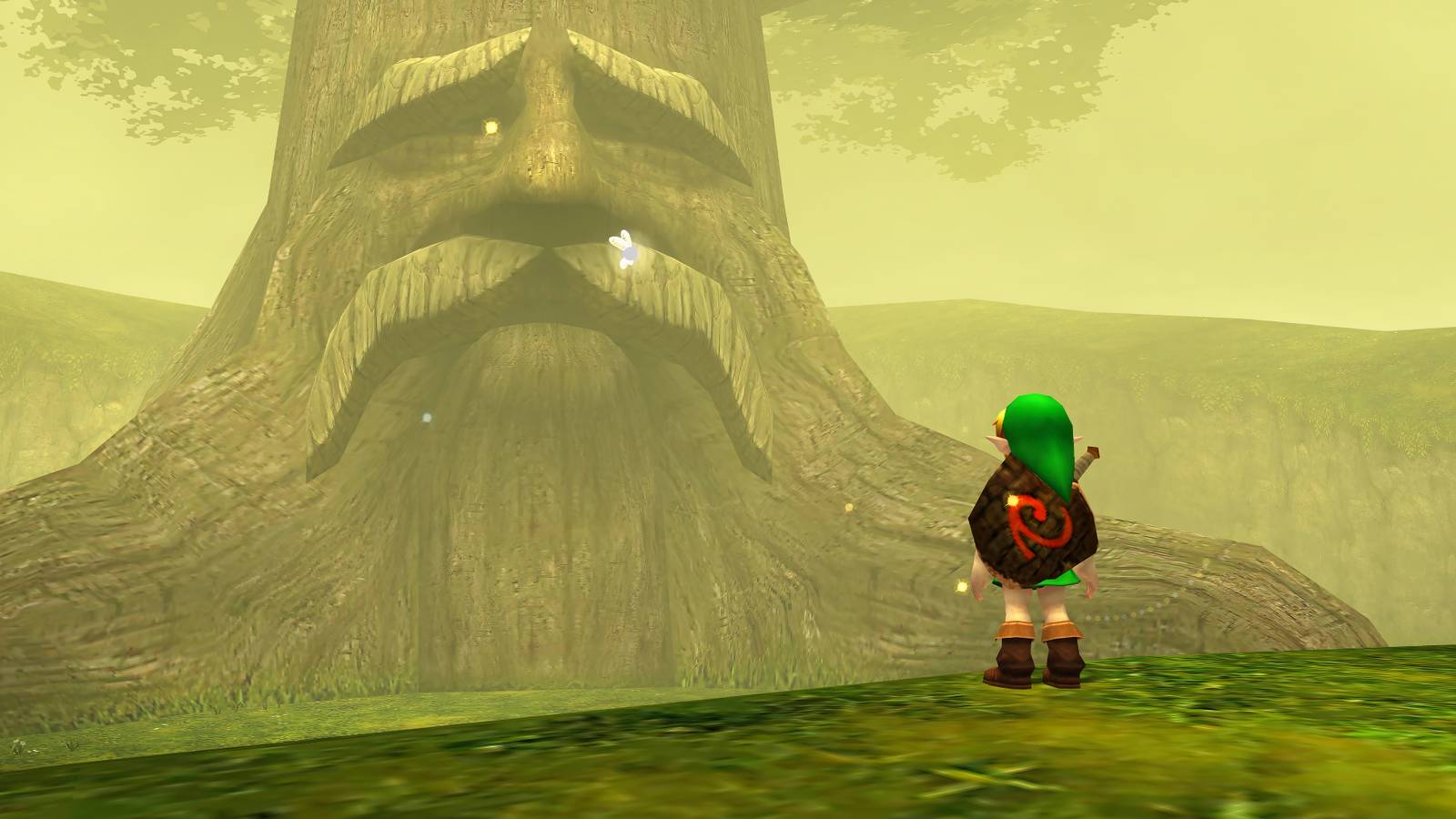
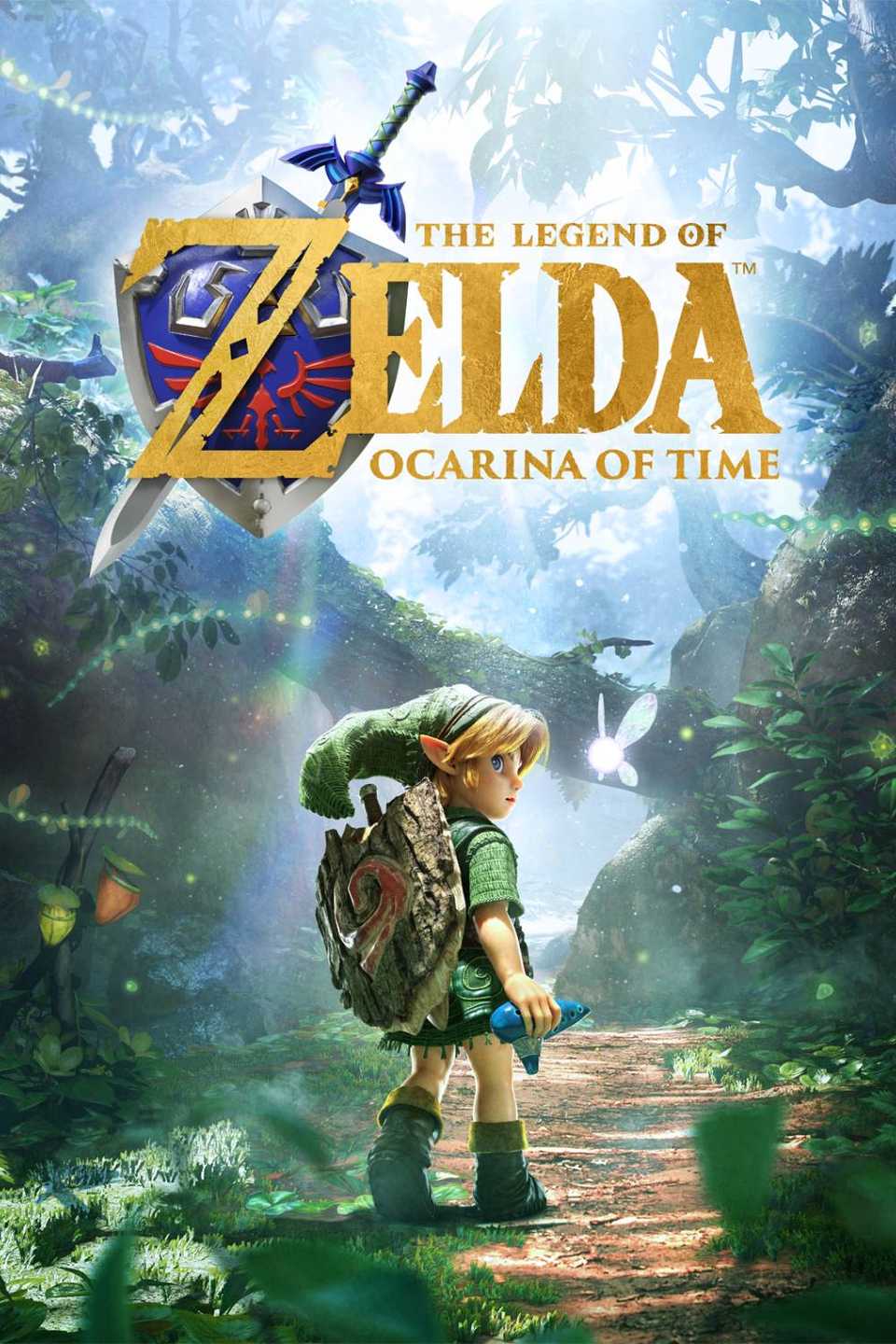
However, the Switch 2 remake is doing considerably more than the 3DS version did, and that’s where I think it stands a chance of earning a higher score. Nintendo has completely overhauled the original game’s visuals, added fully voiced cutscenes and expanded dialogue, and given the soundtrack a symphonic arrangement. Link can now jump and sprint manually, the camera can be controlled with the right stick, and items are much easier to access without constantly going back into a menu. There’s even the new Threads of Time feature that lets players review their progress and find out what they’re supposed to be doing next. These are changes that address some of the things that have made the N64 game feel its age, without requiring Nintendo to replace the adventure itself.

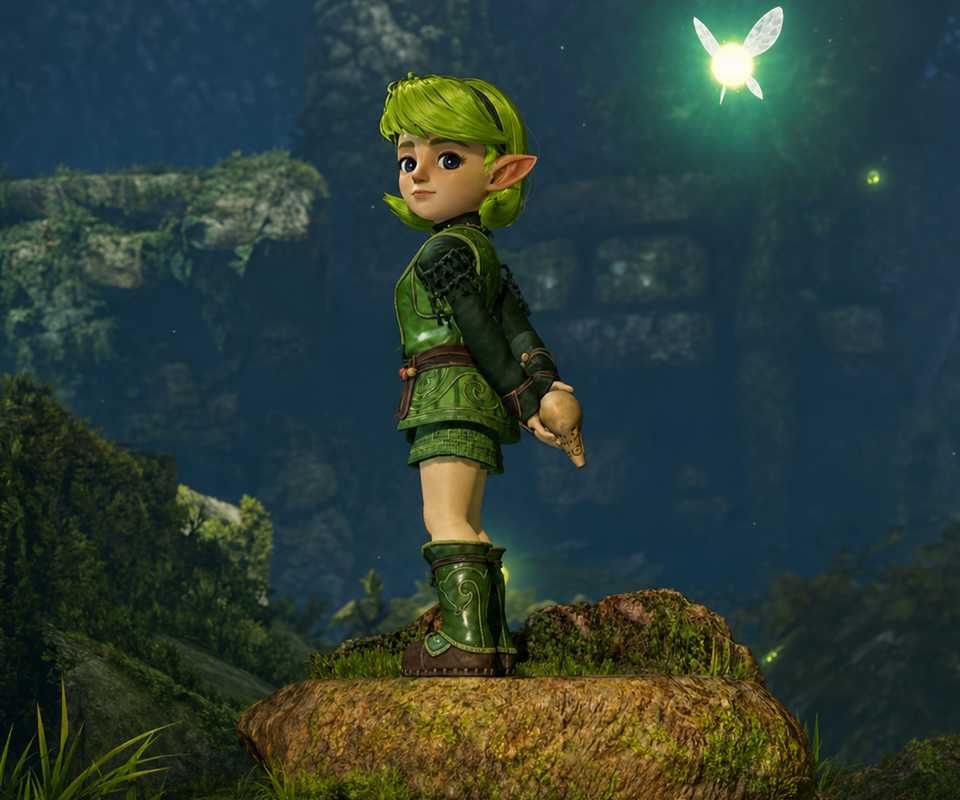
But what has surprised me most about the remake is how much Nintendo has actually changed once you look beyond the controls and presentation. In IGN’s October 14 hands-on coverage, Logan Plant explained that even the challenge to obtain the Kokiri Sword has been redesigned, with its chest moved onto an elevated platform that requires Link to use his new jump ability. The Forest Temple has also received several changes, including an altered Stalfos encounter that replaces the original hole in the floor with a pool of damaging acid, along with new shortcuts and adjustments to some of its puzzles. That’s a lot more than I would have expected from a remake Nintendo originally described as largely faithful, and it suggests returning players won’t necessarily be able to rely on everything they remember.
The Switch 2 remake is doing considerably more than the 3DS version did, and that’s where I think it stands a chance of earning a higher score.
Of course, more changes don’t automatically mean better review scores, and I think that’s the biggest uncertainty here. For example, some of the remake’s more obscure environmental interactions have been replaced with obvious targets, including the tree branch Link originally used to reach the Forest Temple entrance. I understand why Nintendo would want to make things clearer for newcomers, but I also hope it hasn’t made too much of Hyrule’s exploration feel deliberately signposted. Then there’s the remake’s new visual style, which has already prompted some debate over Young Link’s appearance, and Game Informer’s preview noted that combat still felt relatively basic despite the improved controls. None of those concerns are necessarily enough to drag its Metacritic score down substantially, but they’re worth considering before assuming critics will hand out perfect scores simply because this is Ocarina of Time.

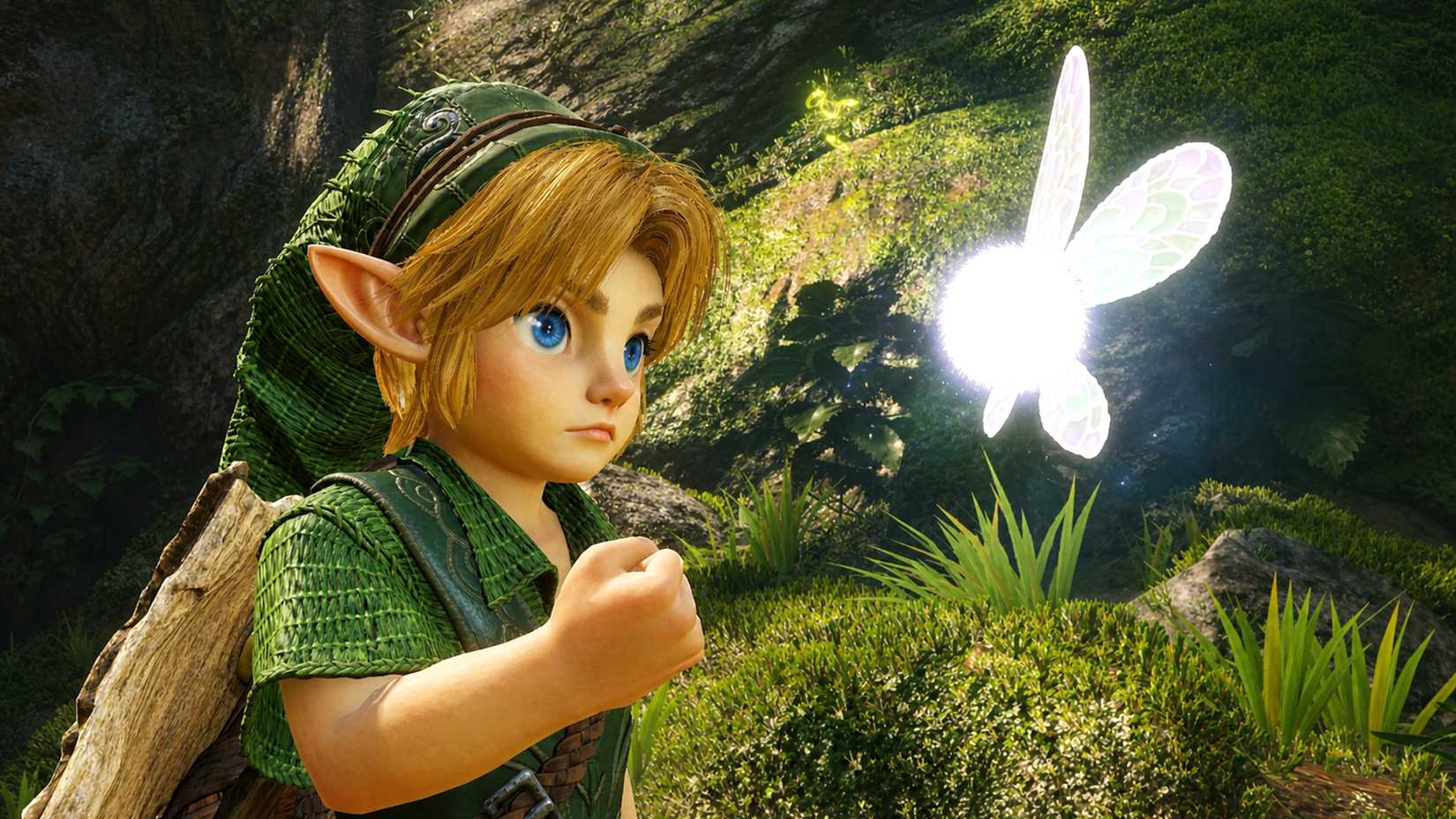
Looking at more recent Zelda games makes me even less convinced that the remake will reach a 99. Breath of the Wild earned a 97 on Metacritic, while Tears of the Kingdom received a 96, and both of those games brought entirely new ideas to the series rather than revisiting an established adventure. Even the Switch remake of Link’s Awakening settled at an 87, which goes to show that Nintendo can faithfully rebuild a beloved Zelda game without necessarily recreating its original critical reception. I don’t think the Ocarina of Time remake needs to do that, either. The fact that it’s revisiting a nearly 30-year-old game will naturally influence the way critics approach it, regardless of how much better it looks and plays.
So, with all of that in mind, I’m predicting a 95 Metacritic score for the Zelda: Ocarina of Time remake. That would put it one point above the 3DS version, which feels reasonable given the extent of the changes Nintendo has made, while still leaving room for critics who don’t think every part of the original has aged quite as well as its reputation suggests. And honestly, I’d consider a 95 a tremendous result for a game with a story, dungeons, and an overall structure that are still very much rooted in 1998. I don’t need the remake to dethrone the original’s 99 to convince me it’s worth playing again. What I’m hoping for is an Ocarina of Time that still feels like the game I grew up with, but manages to surprise me often enough that I occasionally forget just how well I already know.



- Released
-
November 5, 2026
- ESRB
-
Everyone 10+ / Animated Blood, Fantasy Violence
- Developer(s)
-
Nintendo
- Publisher(s)
-
Nintendo