






I honestly didn’t think I’d be able to be taken aback by some of the smaller changes in the upcoming Legend of Zelda: Ocarina of Time remake on Switch 2, especially considering how faithful it appears to be at first glance. I’ll say up front that many of these smaller changes are actually great, in my opinion, as many of them serve to bring the world to life in ways the original N64 Ocarina of Time couldn’t. Things like the continuous (and lengthier) day-night cycle and the Castle Town expansion are welcome changes. However, some newly released footage of the Ocarina of Time remake’s take on Goron City has me, for perhaps the first time after seeing all of these changes, a bit concerned, as there is one major difference from the original that, if the philosophy behind it is translated into the rest of the experience, could actually change things for the worse.
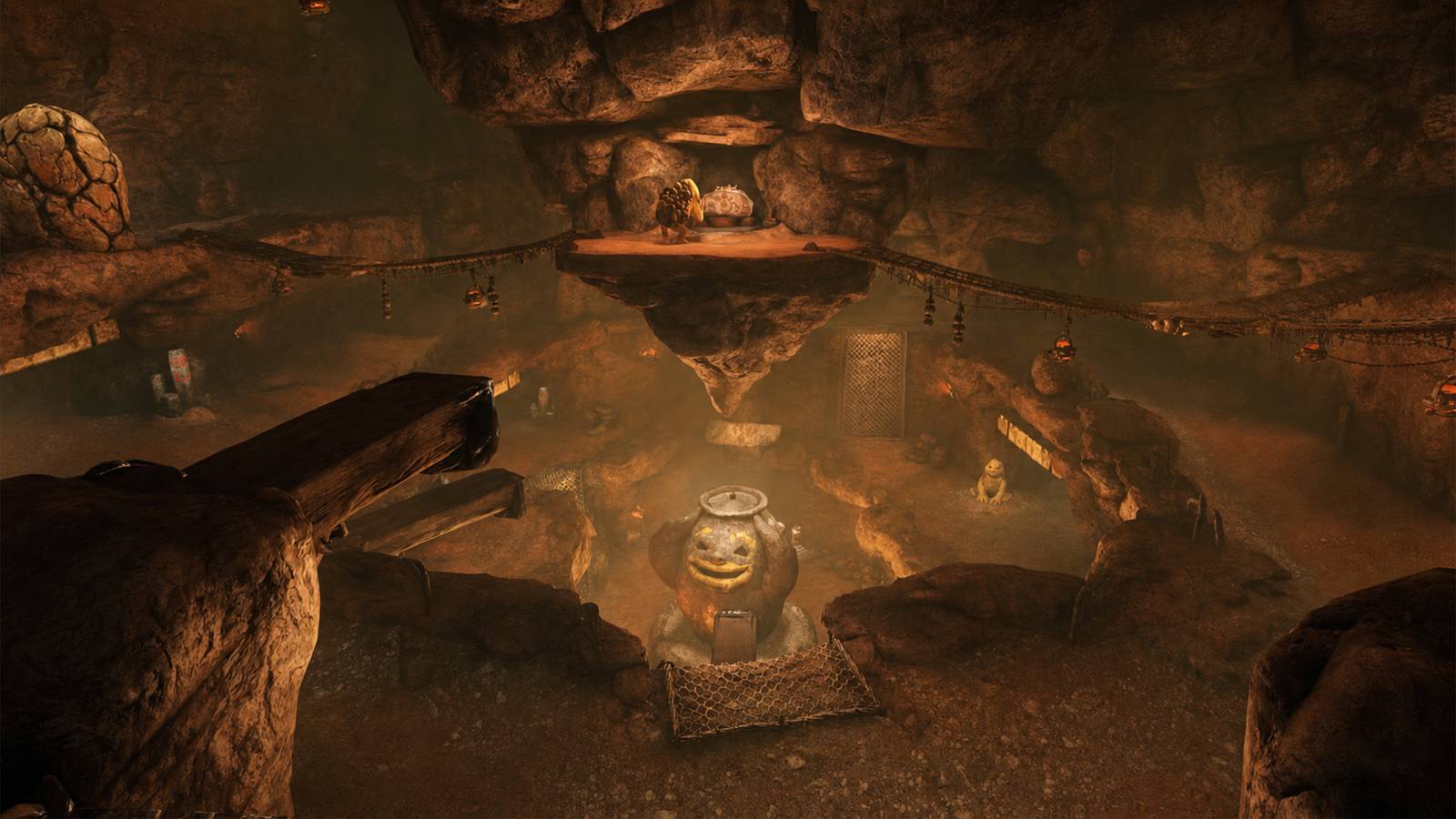
At first, the Ocarina of Time remake’s version of Goron City might not look all that different to those who remember the original. As the camera zooms in on an isometric view of the entire area, everything looks like it’s in its proper place, including the giant spinning jar in the city’s center on the ground floor. This version of Goron City maintains its multi-floor design, with each floor including a circular path that moves around the city, and even the same breakable rocks are still visible in places. But looking at the top floor, where the center platform is connected to the outer rim via rope bridges, it’s pretty easy to see what’s wrong here. In fact, if this is the case across the entire game, then the Ocarina of Time remake could be making Hyrule a lot safer than it was in the original game.
Zelda: Ocarina of Time Remake Turned Goron City’s Ropes Into Rope Bridges

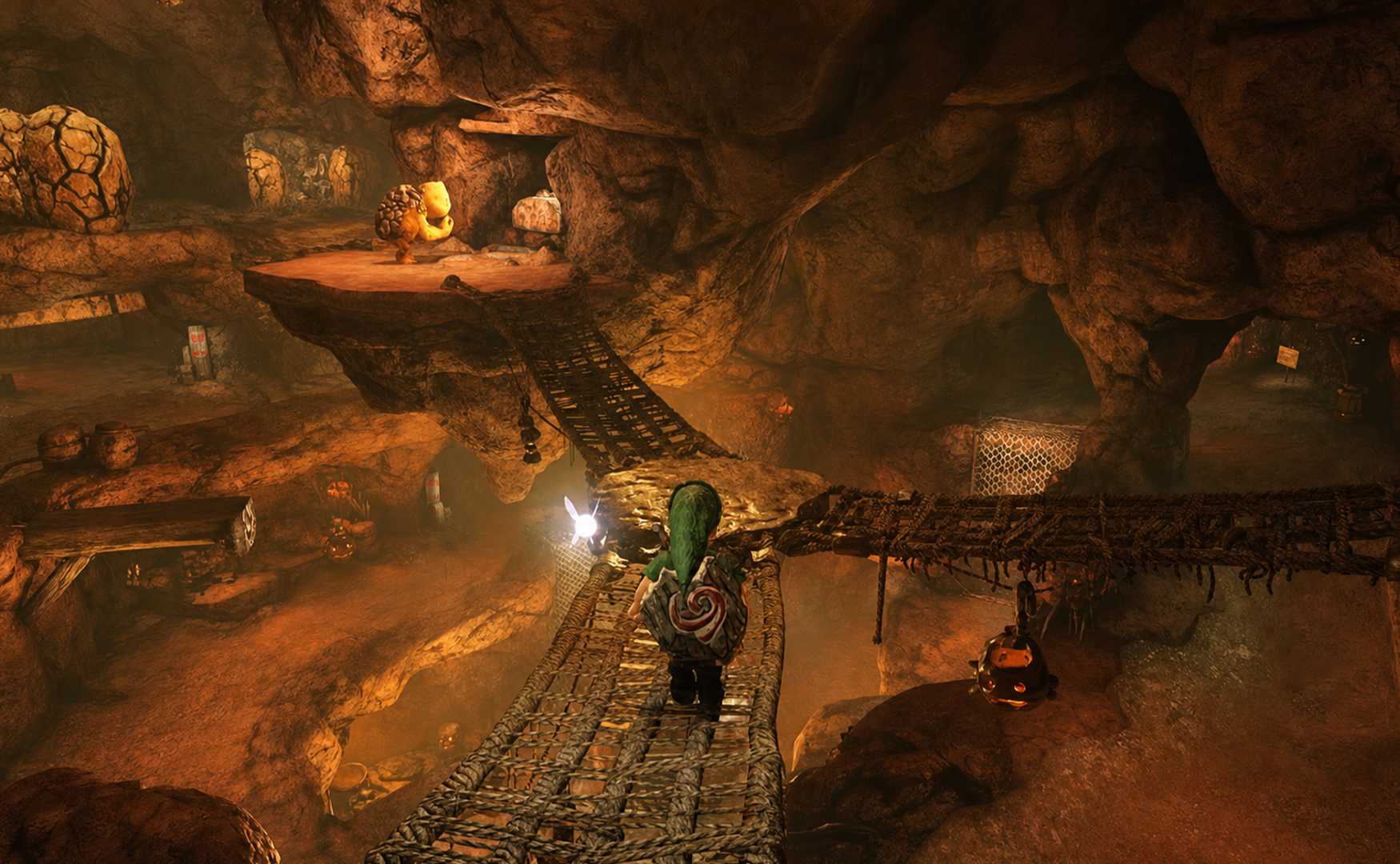
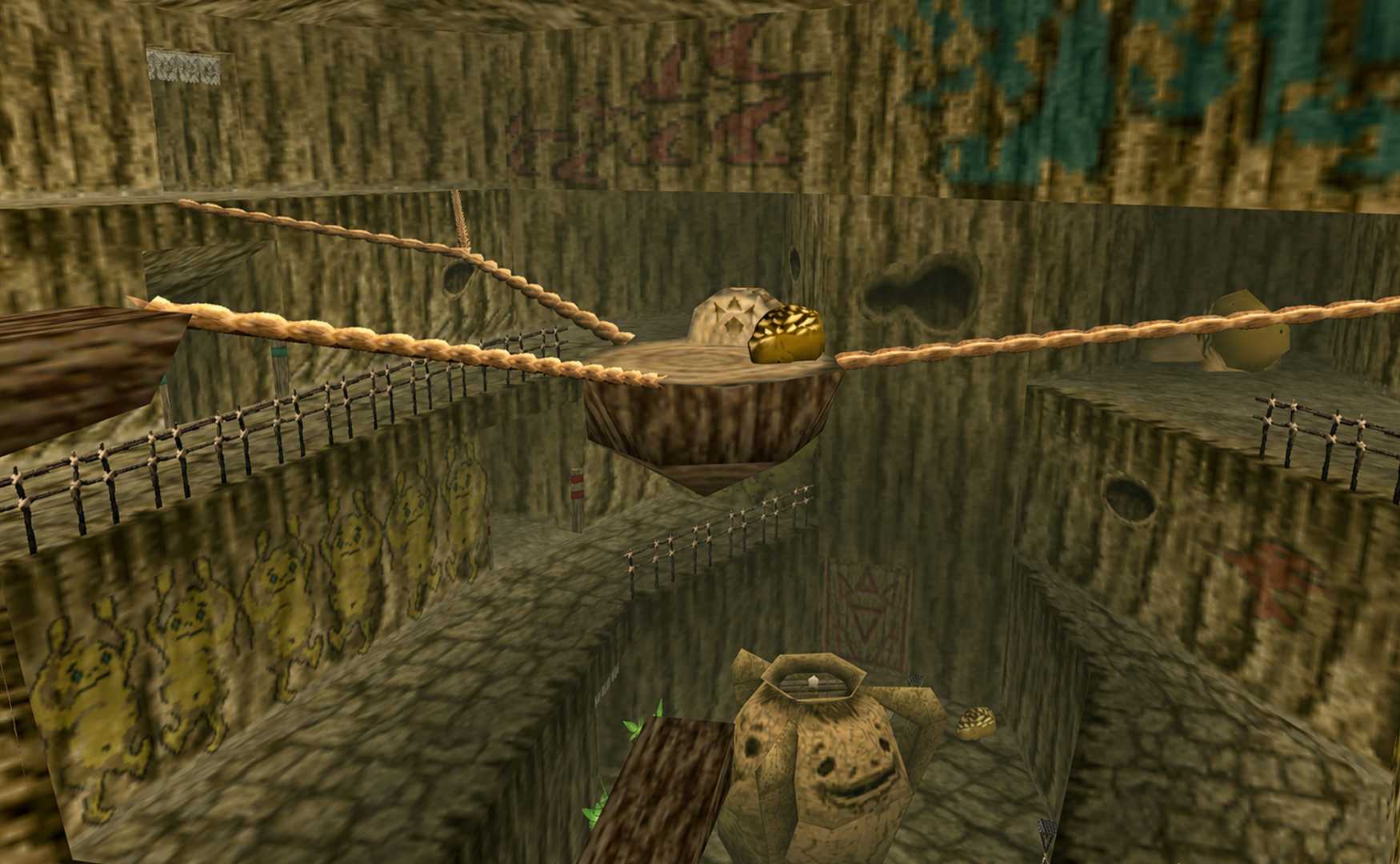
It’s no secret that video games were once a lot more challenging than they are now. Whether that challenge came from hardware limitations, technical glitches, or legitimate difficulty by design, it was certainly a common characteristic many classics shared. Now, however, video games have become increasingly accessible, holding players’ hands with blue trails, guiding them with yellow paint, slapping an overwhelming number of objective markers on their map, or just straight up transforming what was once a very narrow, treacherous pathway into a much wider bridge in a remake.


Put the consoles in the correct order.
The latter is precisely what seems to have happened in the upcoming Legend of Zelda: Ocarina of Time remake’s version of Goron City, as ropes that once required players to very carefully tilt the control stick forward to get Link across safely have now become wider rope bridges that look almost impossible to fall from. In the original N64 version of Ocarina of Time, players would need to cross exceedingly narrow ropes to get from the outer rim of Goron City’s top floor to the center, and I personally remember falling plenty of times. Mind you, I did become something of an expert at those ropes due to how many times I replayed the original N64 classic, but I still remember all the health and time I lost getting to that point.
But the rope bridges themselves aren’t necessarily the entire point here. Some players are bound to see this as a much-needed change, simply because of how frustrating it can be when you have to climb all the way back up the stairs after you’ve fallen from the ropes in the original Ocarina of Time. However, I’m not here to argue whether making paths wider is okay in the Ocarina of Time remake. Rather, I want to point out what it could mean for the rest of Hyrule in the remake. If Nintendo has made a change like this to Goron City, no matter how insignificant of a change it might appear to be on the surface, what has it done throughout the rest of Hyrule, and does that mean much of the natural friction the original game had has now vanished?
Ocarina of Time’s Hyrule Was Never Supposed to Feel Completely Safe
And this is where I think a change like Goron City’s rope bridges becomes more important than it looks. Ocarina of Time was never necessarily a brutally difficult game, but Hyrule itself had plenty of little ways to punish you for not paying attention. You could fall from a narrow ledge, mistime a jump, get knocked somewhere you didn’t want to be, or simply lose a few hearts because you got a little too comfortable moving through an area. None of those things were major roadblocks, and I don’t remember ever quitting the game because Link fell off something, but they did make the world feel like a place I actually had to move through carefully.
Goron City’s ropes are a perfect example of that because there really isn’t anything special about them. They’re just ropes. They don’t lead to some enormous boss fight or complicated puzzle, and crossing them isn’t supposed to be one of Ocarina of Time‘s defining challenges. But I think that’s precisely why replacing them with much wider bridges sticks out to me. If even something this small has been redesigned so the player has less of a chance of making a mistake, I’m naturally going to start wondering what else Nintendo has changed with the same philosophy in mind.
Making Hyrule Easier to Navigate Could Cost It Some of Its Personality
Of course, I’m not suggesting Nintendo should intentionally make every walkway in the Ocarina of Time remake a death trap just because the N64 game occasionally made me fall somewhere I didn’t want to. There is a very obvious difference between preserving friction and preserving frustration, and I think a remake like this absolutely should clean up some of the things that only felt difficult because of the controls or hardware. But I also don’t want every rough edge sanded down simply because modern games have conditioned us to expect smoother navigation.
Part of what made the original Ocarina of Time‘s Hyrule so memorable was that it didn’t always feel like it had been built specifically for Link’s convenience. Sometimes a path was narrow because, well, it was narrow, and you had to deal with that. Sometimes, moving through an area required just a little bit more attention than holding the stick forward and trusting the game to keep you safe. Maybe Goron City’s new rope bridges are an isolated change, and if that’s the case, I don’t think there is much to worry about. But if they’re one example of a much broader attempt to make Hyrule safer and easier to navigate, then Nintendo may end up removing some of the very friction that made exploring it feel like an adventure in the first place.



- Released
-
November 5, 2026
- ESRB
-
Everyone 10+ / Animated Blood, Fantasy Violence
- Developer(s)
-
Nintendo
- Publisher(s)
-
Nintendo