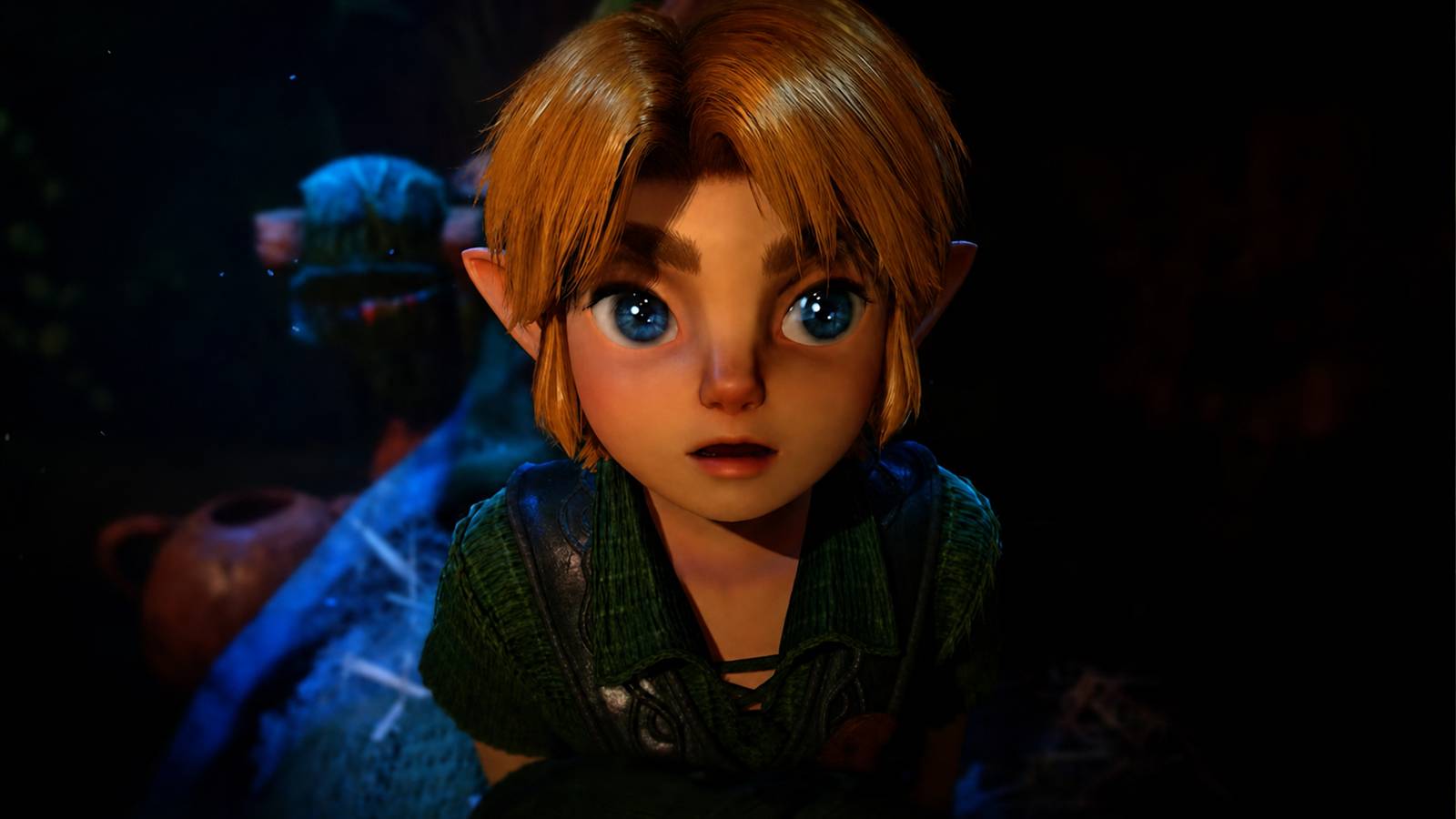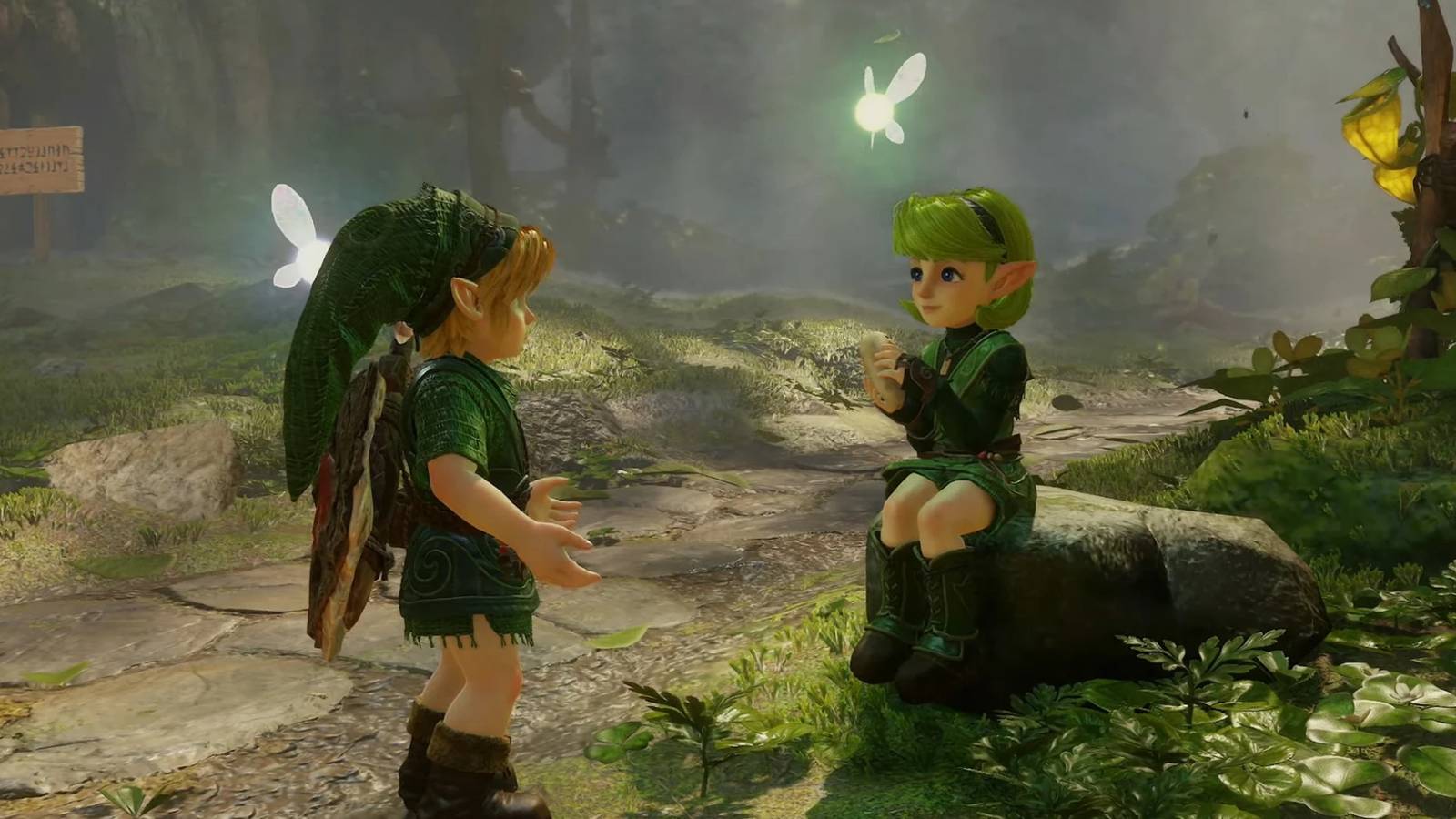





Nintendo has finally revealed the official map for The Legend of Zelda: Ocarina of Time remake on Switch 2, and surprisingly (or perhaps unsurprisingly after its big reveal), there aren’t too many differences between it and the map of the original game. One of the debates I have been continually revisiting since the curtains were pulled back on Ocarina of Time‘s gameplay during The Legend of Zelda‘s 40th Anniversary Direct is whether a full-blown remake should evolve and completely transform the original game or simply polish it to make it look and feel more modern. Over the years, we have seen plenty of different examples of remakes that come from both sides of the aisle, but two of the more recent examples are The Legend of Zelda: Ocarina of Time and Square Enix’s Final Fantasy 7 Remake trilogy.
In fact, I would argue that there aren’t two better recent examples out there, as, based on what we’ve been shown so far, the Ocarina of Time remake is one of the most faithful remakes I’ve ever seen, while the Final Fantasy 7 Remake trilogy has become infamous for, in the eyes of some, taking things a bit too far. I have personally adored everything Square Enix has done with the Final Fantasy 7 Remake trilogy up to this point, and I have a feeling I’m going to love the direction Nintendo took the original Ocarina of Time in the remake. However, the official reveal of Ocarina of Time‘s new map of Hyrule has me once again considering whether faithfulness or evolution is the right way to go with a remake, and I stand on that line with my thoughts because choosing either side is a divisive choice, no matter your argument.
Ocarina of Time Remake’s New Map Isn’t All That New

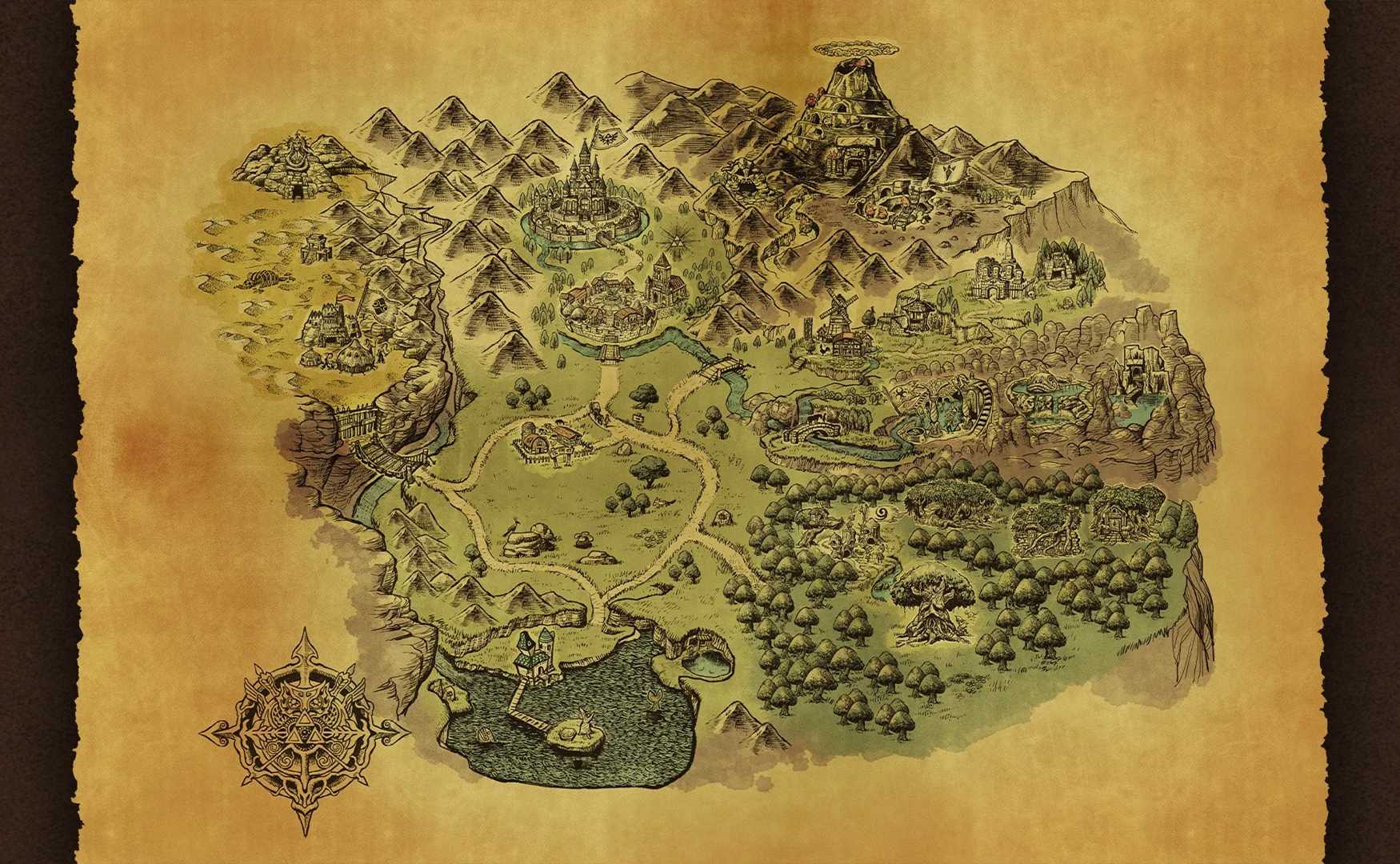
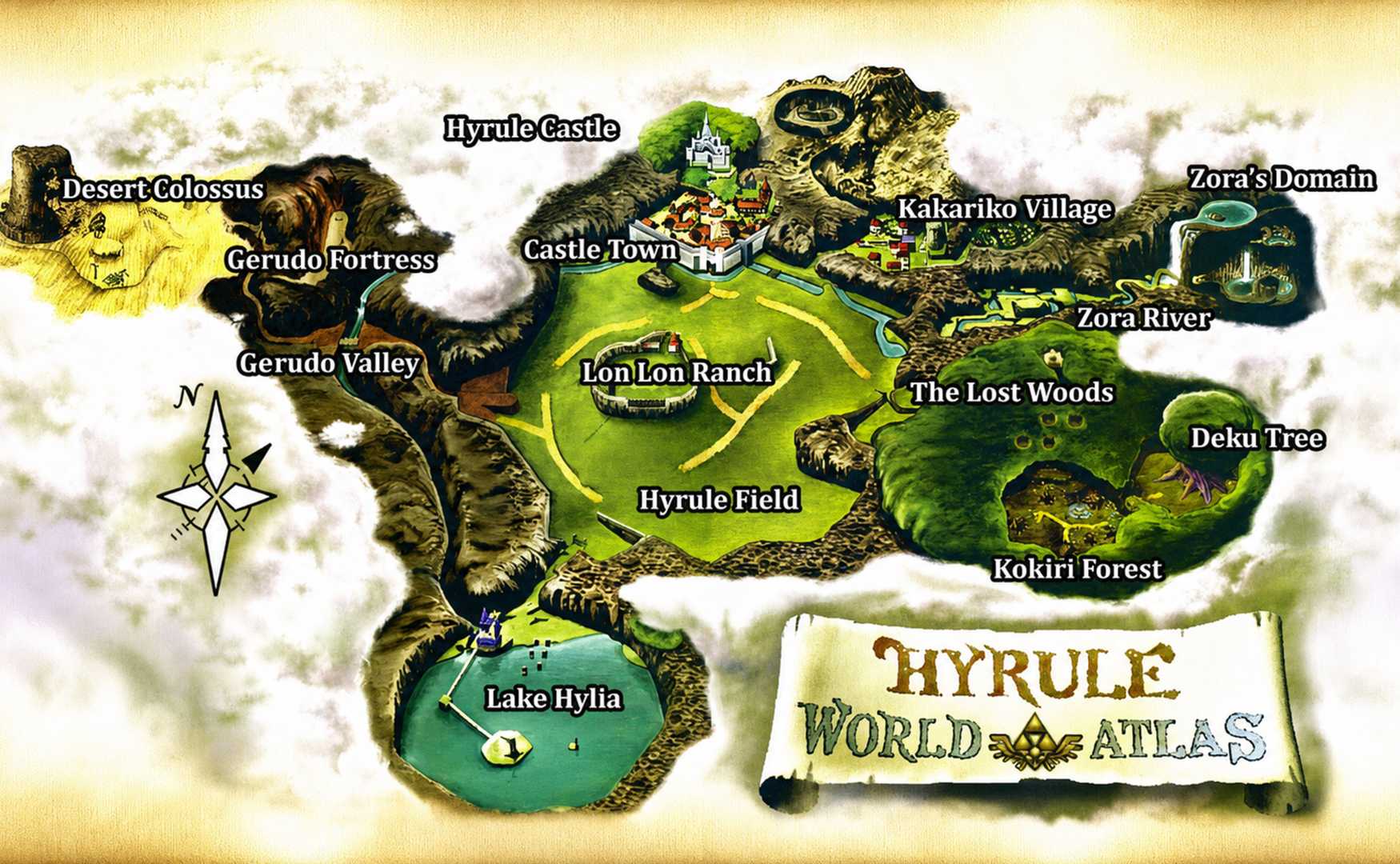
Looking at the new Ocarina of Time map side by side with the one from the original game, the biggest thing that stands out to me is how quickly I can tell where everything is. Death Mountain is still looming over the northeastern corner of Hyrule, Zora’s Domain is tucked away to the east, Lake Hylia is down south, and Gerudo Valley still stretches off toward the west. There are certainly differences if you start looking closely enough, and we’ve already seen that some individual locations are going to be much larger once we actually get inside them, but Nintendo hasn’t used the remake as an excuse to redraw Hyrule simply because it now has the hardware to do so.


Put the consoles in the correct order.
That’s probably more important than it sounds, especially after everything else Nintendo has changed. The remake gives Link far more modern movement, including a manual jump and sprint, while the free camera alone changes how players will interact with spaces originally designed around the limitations of the Nintendo 64. Castle Town has been expanded, Kokiri Forest has more room to breathe, and even something as simple as the continuous day-night cycle means Hyrule is no longer going to operate exactly the way it did in 1998. Nintendo clearly isn’t afraid to touch the original game, but the new map suggests it has also decided there are certain things it simply doesn’t need to touch.
The new map still leaves one major question unanswered: whether Nintendo is being this conservative with Ocarina of Time’s dungeons too, or whether those are where the remake will finally take bigger liberties.
I actually think that’s where the remake has started becoming much more interesting to me, because faithfulness isn’t necessarily the same thing as refusing to change anything. Nintendo seems more interested in asking how much of the original game it can preserve while removing the limitations it was once confined to. If Kokiri Forest can be bigger without becoming a different place, there isn’t much reason not to make it bigger. If Castle Town can have more streets and buildings while still looking like the Castle Town players remember, expanding it doesn’t really come at the expense of anything. The map suggests Nintendo is taking that same approach to Hyrule itself, where the goal isn’t to replace what was there but to finally give it the space it may have always deserved.
Final Fantasy 7 Remake Was Willing to Change the Blueprint
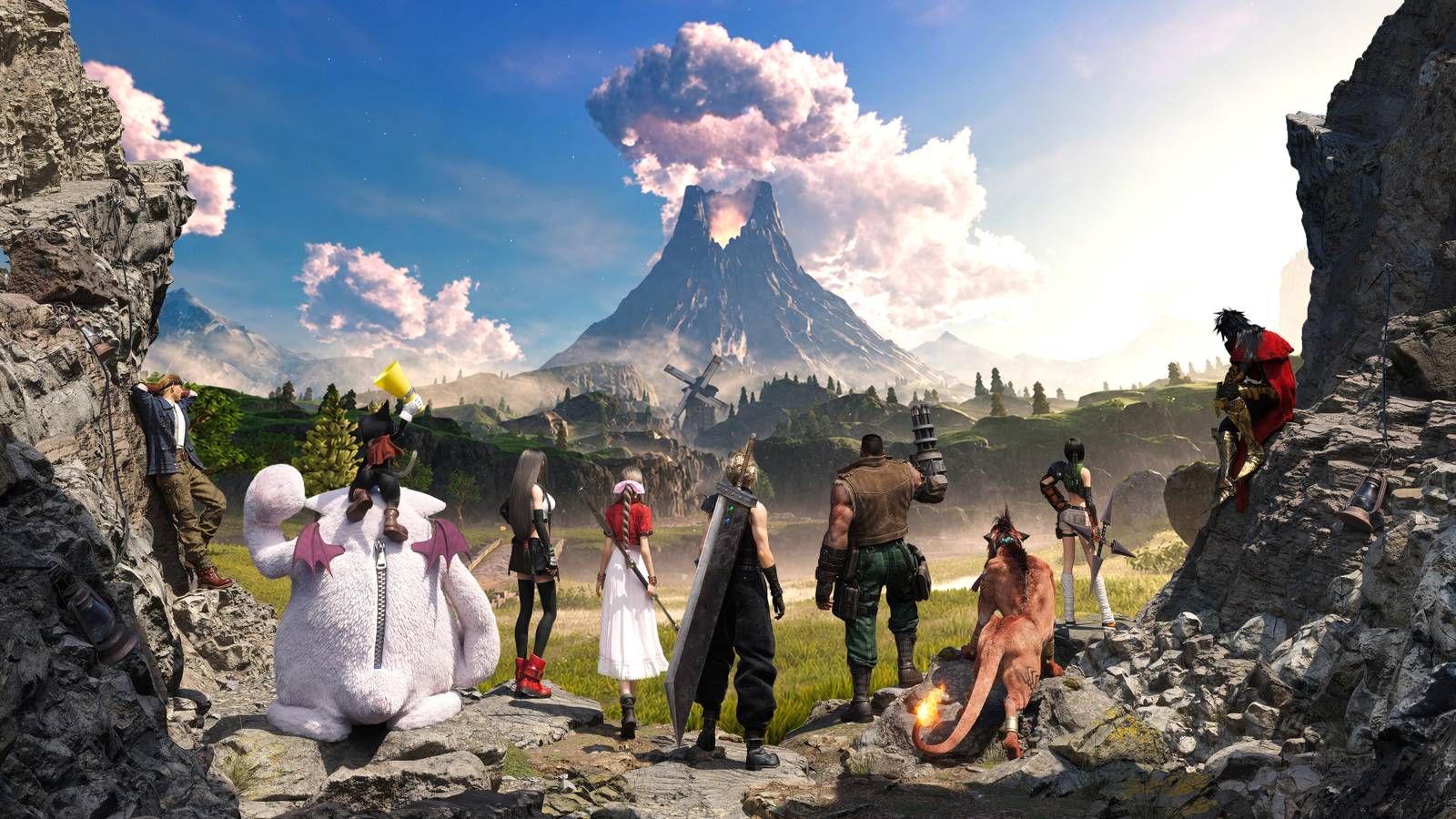
Square Enix took a very different approach with Final Fantasy 7 Remake, and Midgar is probably the easiest place to see it. The original game’s opening section in Midgar was turned into an entire game, which meant Square Enix couldn’t simply rebuild the same areas at a larger scale and call it a day. Places that were once passed through relatively quickly suddenly needed enough depth to support dozens of hours, while characters and events that occupied a much smaller place in the original story were given significantly more room. By the time Final Fantasy 7 Remake reaches its ending, it becomes pretty clear that Square Enix isn’t treating the original game’s structure as something it has to preserve at all costs.
I actually think that’s where the remake has started becoming much more interesting to me, because faithfulness isn’t necessarily the same thing as refusing to change anything.
I loved that about Final Fantasy 7 Remake, and Rebirth only made me appreciate the decision more, but it also explains why the trilogy has remained so divisive. Once a remake starts changing more than the way an old game looks or plays, there is always going to be a point where someone feels like it crossed a line. For some players, expanding Midgar was probably already enough. For others, it was the changes to the story that followed. Square Enix was willing to risk that reaction because it decided there was more value in surprising people who already knew Final Fantasy 7 than there was in giving them exactly the game they remembered.
Ocarina of Time looks like it is heading in almost the opposite direction, and its new map may be the clearest example of that philosophy we’ve seen yet. Nintendo can make Hyrule bigger without moving Death Mountain somewhere else. It can turn Castle Town into a much more convincing place without replacing the town players already know. Even the remake’s biggest changes so far seem designed to make exploring the same Hyrule easier or more natural rather than giving longtime players an entirely different version of it.
I’m still not convinced one approach is necessarily better than the other, either. Part of what made Final Fantasy 7 Remake so exciting for me was never knowing how far Square Enix was willing to go, while a huge part of what has me excited about Ocarina of Time is seeing places I’ve known for decades rebuilt without losing what made them recognizable in the first place. The more Nintendo shows of the remake, though, the clearer its answer to this whole debate seems to become. Ocarina of Time isn’t being treated like something that needs to be reinvented. Nintendo seems to believe the game players remember is still good enough to be the blueprint, and the new map of Hyrule just drew that line more clearly than anything we’ve seen so far.



- Released
-
November 5, 2026
- ESRB
-
Everyone 10+ / Animated Blood, Fantasy Violence
- Developer(s)
-
Nintendo
- Publisher(s)
-
Nintendo