





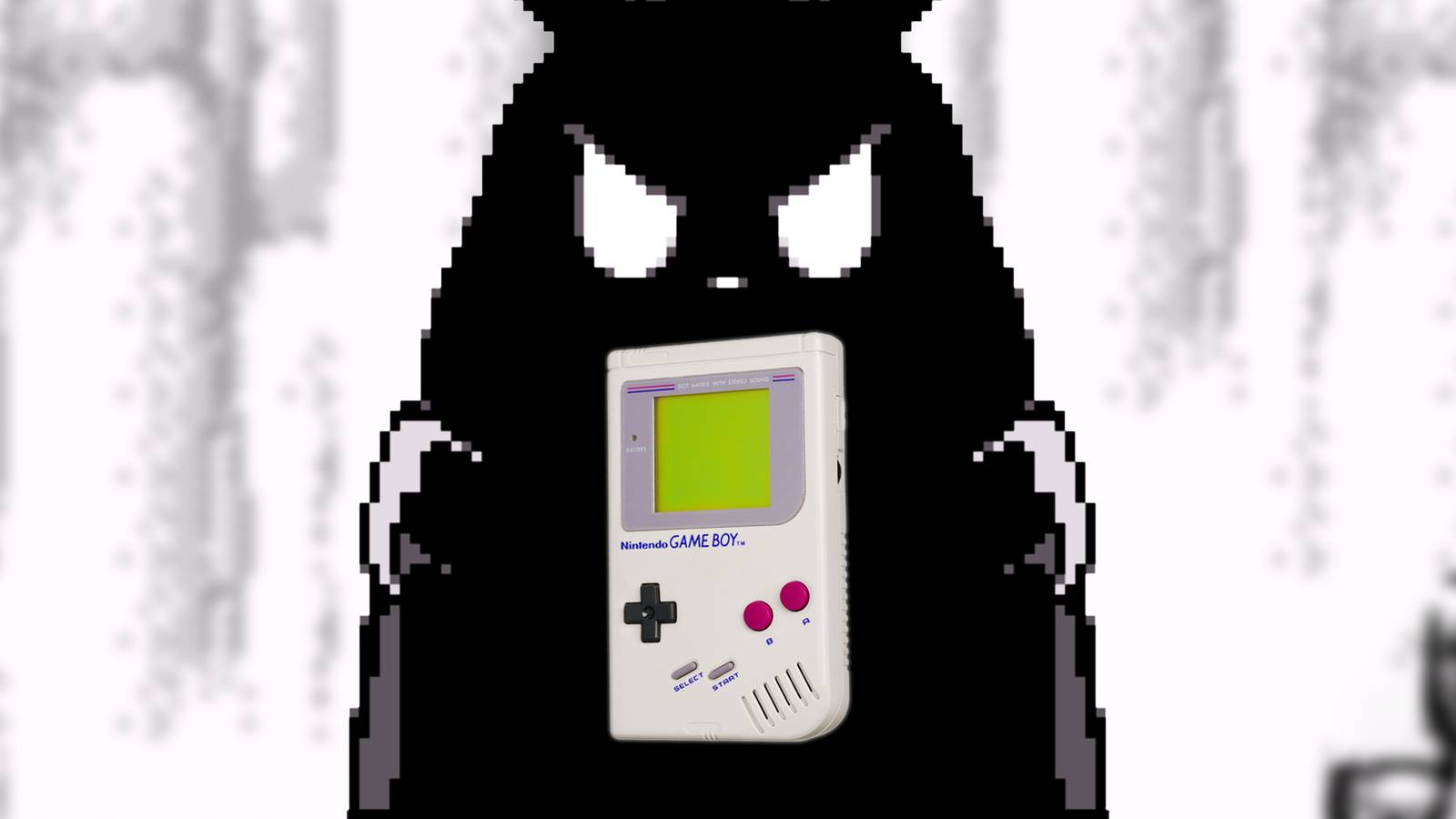
As the grandfather of handhelds, the Nintendo Game Boy‘s legacy is unshakable, though that’s mostly for the console, not necessarily its library. Over roughly a decade of activity, more than 500 Game Boy games were released in North America, and 99% of them have been forgotten by time. That’s standard practice for any retro system, but what about the forgotten Game Boy masterpieces that were barely known during their heyday?
Not everything should be measured against commercial heavyweights like Tetris, Pokemon, Super Mario Land, or Link’s Awakening, but the Original Game Boy (and Game Boy Color) has a strong library that was mostly reduced to a handful of blockbusters during the ’90s. We should celebrate those games, but let’s also spare some confetti for these overlooked gems.
As long as the game runs on the Original Game Boy, GBC releases will be included.
I want to splash some color over this article.
TMNT 3: Radical Rescue Set The Stage For The Metroidvania Genre
TMNT Beat Castlevania: Symphony Of The Night To The Punch
-
-


- Disappointing performance after the previous two games, both of which were clunky platformers
- Rather than repeat the same mistakes, Konami crafted a prototype Metroidvania.
By 1993, Konami had already dropped two TMNT Game Boy games that, to be frank, weren’t very good. Therefore, there wasn’t much interest in the third entry, and Radical Rescue reportedly underperformed compared to its predecessors.
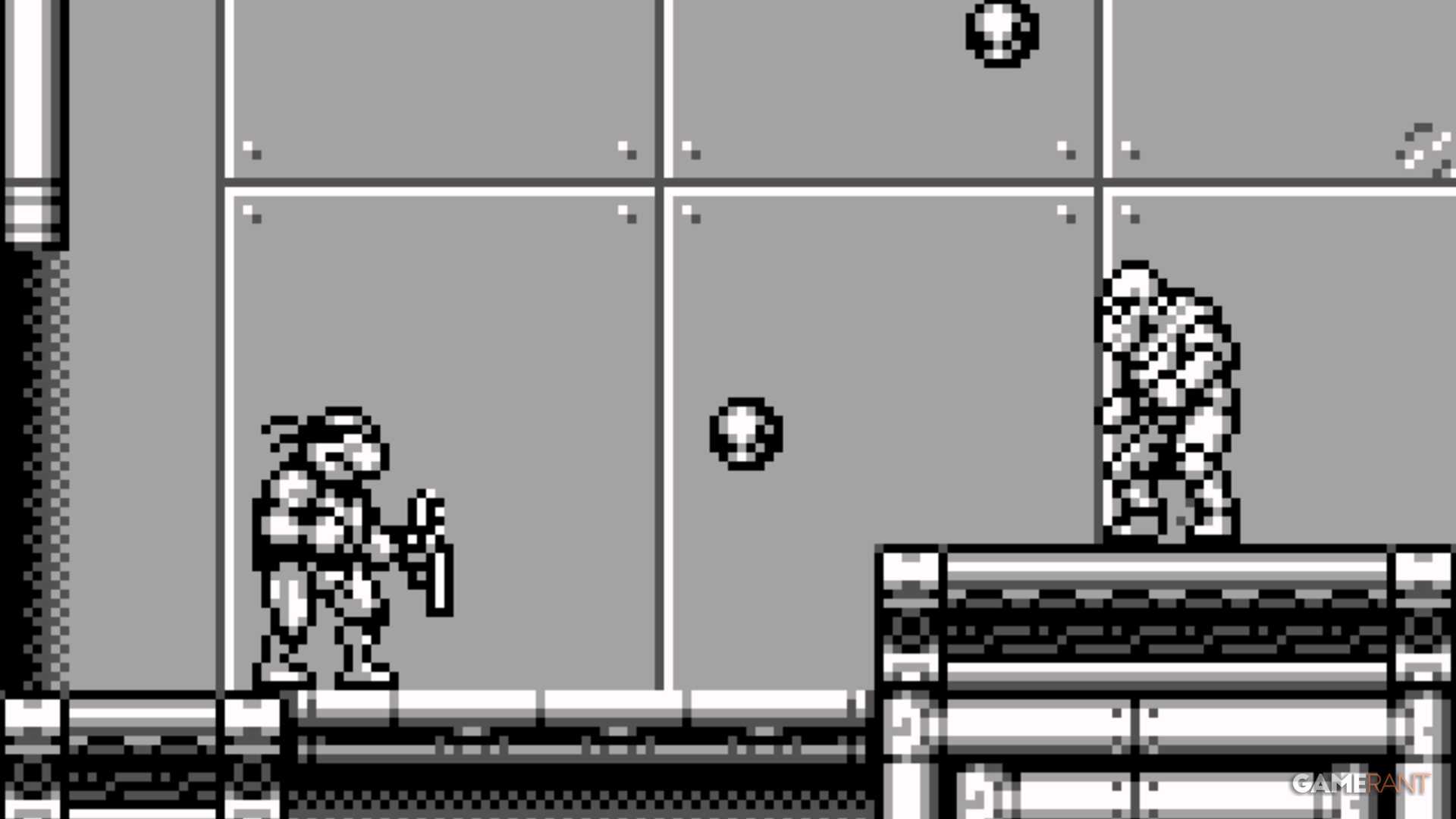
In hindsight, Konami should have dropped the “3” and framed this sequel as something entirely new, especially since Radical Rescue plays nothing like Fall of the Foot Clan or Back from the Sewers. Instead of being a rudimentary 2D platformer with beat ’em up elements, Radical Rescue rewrote everything and basically came up with an early version of the Metroidvania blueprint.
After Shredder captures the rest of the Turtles and Master Splinter, Mikey heads out on a non-linear adventure across a surprisingly large map with gated areas, hidden pathways, and boss rooms. Rather than just reaching the end of a stage, progression comes from defeating Shredder’s lieutenants and freeing one of Mikey’s brothers, who then become playable. Each sibling has his own unique item or ability that helps with exploration, just like any good Metroidvania.
Radical Rescue wasn’t the first game of its ilk, but it was still ahead of the curve by quite a few years. “Metroidvania” didn’t exist as a term and, consequently, couldn’t be used as a selling point, and TMNT needed a hook after two mediocre Game Boy outings.
Revelations: The Demon Slayer Was Megami Tensei On The Game Boy
That Atlus Seal Of Quality
- Originally released in Japan as 1992’s Megami Tensei Gaiden: Last Bible, North America didn’t receive this RPG until 1999’s Revelations: The Demon Slayer on the Game Boy Color. That version could be played on the Original Game Boy.
- Pokemon fever consumed everything in its wake.
- For the images, I used the GBC version because the visuals look really nice.
Nowadays, Atlus’ Megami Tensei is kind of a household name, largely thanks to SMT and Persona. However, the franchise goes back decades and includes many projects that were either not released outside Japan or went largely unnoticed. The Last Bible subseries is about as obscure as Megami Tensei gets, with only the first game receiving an international version.
Even then, Revelations: The Demon Slayer only shipped overseas due to the success of Pokemon, an endeavor that clearly didn’t work, considering Atlus never repeated the process with any of the sequels. Playing it today, Revelations is essentially an 8-bit SMT reimagined as a medieval fantasy adventure; you have hard-as-hell turn-based combat, Demon Negotiation, and even fusion. That’s all widely impressive for the Game Boy.
Trip World Was Never Given The Chance To Be Ignored
A Game Boy Masterclass That Nobody In North America Played
- While released in Europe, Trip World didn’t come to North America until its 2023 remaster.
Sunsoft put together quite a few fantastic games that pushed early Nintendo consoles to their limit, particularly in the audio department. Unfortunately, the publisher often couldn’t afford to release projects in North America, and Trip World wasone such case. Yes, this is a literal example of a Game Boy game that nobody played.
You become Yakopoo, an adorable rabbit-like creature living peacefully in Trip World. When a creepy villain steals a sacred flower, throwing the kingdom into chaos and sorrow, the hero sets off on a quick jaunt to retrieve it. Even in 1992, the Game Boy wasn’t exactly lacking in mascot platformers, and Trip World needed something truly special to stand out from the crowd.
So Sunsoft created a world that wasn’t exclusively hostile, then made the wildlife surprisingly expressive for the hardware. The game also controlled well and looked fantastic, which is to be expected from the developer’s work during this era.
Mole Mania Was Nintendo’s Game Boy Flop
Even Shigeru Miyamoto’s Name Doesn’t Guarantee Success
- Produced by Shigeru Miyamoto.
- Released in North America in 1997, when the Game Boy was already old news.
Konami aside, all the previous games were created by fairly small developers at the time, but that certainly wasn’t the case for Mole Mania. Developed by Nintendo, this forgotten delight showcases the company’s typical high standards and penchant for creative design. Even the premise, which sees a mole swear revenge on a farmer, has that weird Nintendo charm that works so well.
While it may look like a standard block-pushing puzzle game at a glance, Mole Mania’s hook is that each room has two floors: the surface and underground. You dig through the dirt to head into the latter; however, resurfacing leaves behind a hole that can block a crucial path for either you or your enemy (along with other effects). The concept might sound simple, but it opens up a really wide range of tactics and leads to interesting boss battles.
Survival Kids Is Pretty Much A Modern Survival Game
Another Game Boy Cult Classic That Predicted A Future Trend
-

-

-

- A 1999 Game Boy Color game that also worked on the Original Game Boy. The images are from the GBC version.
- Part of the Lost Blue series.
- Received a remake in 2025.
Similar to TMNT 3 and Revelations, Survival Kids is another Game Boy game that was years ahead of its time, predating the survival genre boom by over a decade. Although it wasn’t the genre’s first release, Konami’s 1999 island adventure laid the blueprint for the modern survival game, and nobody in the West really played it.
You play as either a boy or a girl who becomes stranded on an island, and your goal is simply to stay alive and find a way to leave. There is no villain chasing after you or a princess to save, and the island’s mysteries are kept fairly grounded. Along with general health, you keep track of your Hunger, Water, and Fatigue – the exact same vitals found in 95% of survival games. You find raw materials you can use to craft items like a bow, and eating the wrong foraged food negatively affects your senses.
Survival Kids even has 8 endings, which is incredible for a Game Boy Color game.