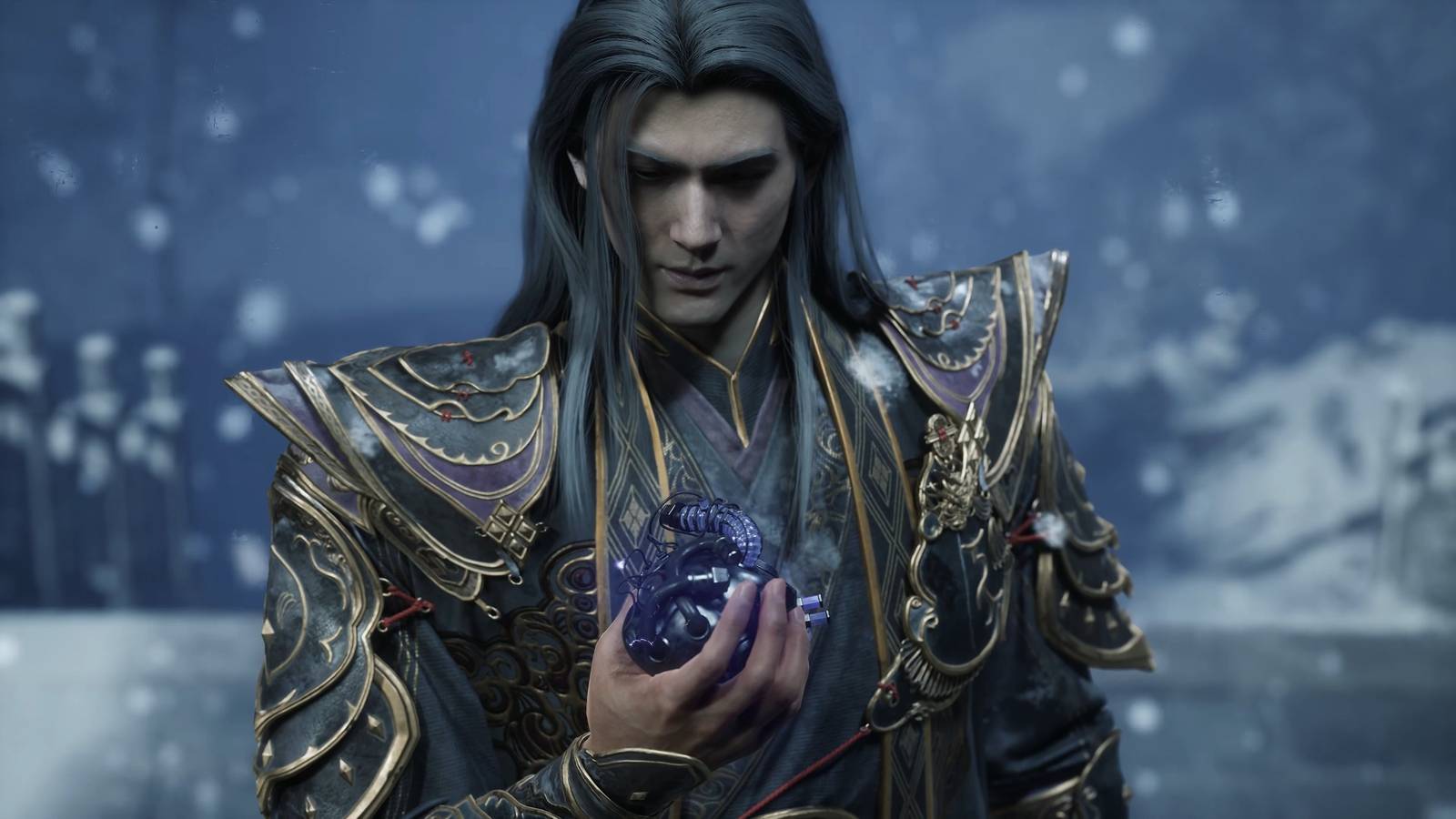



I’ve heaped plenty of praise upon Phantom Blade Zero already, but allow me to add some more: the game’s combat is near-perfect, and is easily its highlight. Fluid, dynamic animation, a slew of diverse and compelling weapons, solid progression, and satisfying action-RPG fundamentals combine to make Phantom Blade Zero‘s combat sandbox especially rewarding and expressive, even if it’s not necessarily as tough as something like Elden Ring.
But make no mistake, combat isn’t the only area where Phantom Blade Zero shines. Among the many pleasant surprises the game has in store are a fantastic soundtrack, striking art design, and a compelling, fascinating science-fantasy world. By blending grounded Asian spirituality concepts with steampunk aesthetics, Lovecraftian horror, and epic high fantasy convention, Phantom Blade Zero manages to be one of the more memorable games I’ve played this year, lore-wise. If you’re a fan of soulslike stories and sprawling, meticulously detailed fantasy worlds a la A Song of Ice and Fire, Phantom Blade Zero is basically perfect for you. By that same token, though, those who bounce off these more opaque stories might struggle with Phantom Blade Zero.
Phantom Blade Zero’s Hard-Hitting Gameplay Doesn’t Match Its Storytelling Techniques
The core gameplay loop of Phantom Blade Zero can be roughly defined as follows: enter a new region, fight your way through squads of enemies while collecting loot and resources, encounter a boss, repeat until the region/story chapter is complete. This process is peppered with cinematics, which are often surprisingly great. Something I had to cut from my Phantom Blade Zero GameRant review in favor of conciseness was a note about the game’s facial animations, which are complex and convey a wide range of nuanced emotions. It’s not Naughty Dog quality, but it’s close.

Guess the games from the emojis.
Actually, Phantom Blade Zero has quite a bit in common with big-budget Sony games, and not just because it’s a PS5 exclusive. One game I’ve seen it compared to is 2018’s God of War, as it has similar exploration and structural elements in addition to high cutscene fidelity. Where it differs from God of War is in its pacing, which is generally the only area where I feel the game might disappoint some players.
If you’re a fan of soulslike stories and sprawling, meticulously detailed fantasy worlds a la A Song of Ice and Fire, Phantom Blade Zero is basically perfect for you.
There are a lot of great cutscenes in Phantom Blade Zero, but I would say that the lion’s share of the game’s storytelling comes via text documents, item descriptions, and Memory Flowers, which are essentially audio logs that combine to tell smaller-scale stories. As a massive FromSoftware fan, these storytelling methods were extremely familiar to me, and I welcomed them with open arms. But FromSoftware has a very particular, holistic approach to this vague and obtuse presentation, one that doesn’t involve abundant AAA, Sony-style cutscenes.


What we’re left with is a story that has a foot in two camps: it’s part cinematic action game, part obscure, highfalutin dark fantasy. Phantom Blade Zero is as thoughtful as a FromSoft game, but it also wants to tell a story that’s as intense and fast-paced as a Naughty Dog game, and this combination doesn’t always work. For instance, Phantom Blade Zero ostensibly has an in-game timer of 66 days, with days passing after certain events, like interacting with specific checkpoints. This, when coupled with the consistently high-octane gameplay, implies a certain urgency in the narrative. But it’s hard to actually feel that urgency when, in order to understand the plot, you need to spend huge chunks of time poring over audio and text logs instead of actively moving events forward.
Atypical Narrative Presentation in Phantom Blade Zero Isn’t Inherently Bad
-

-

-
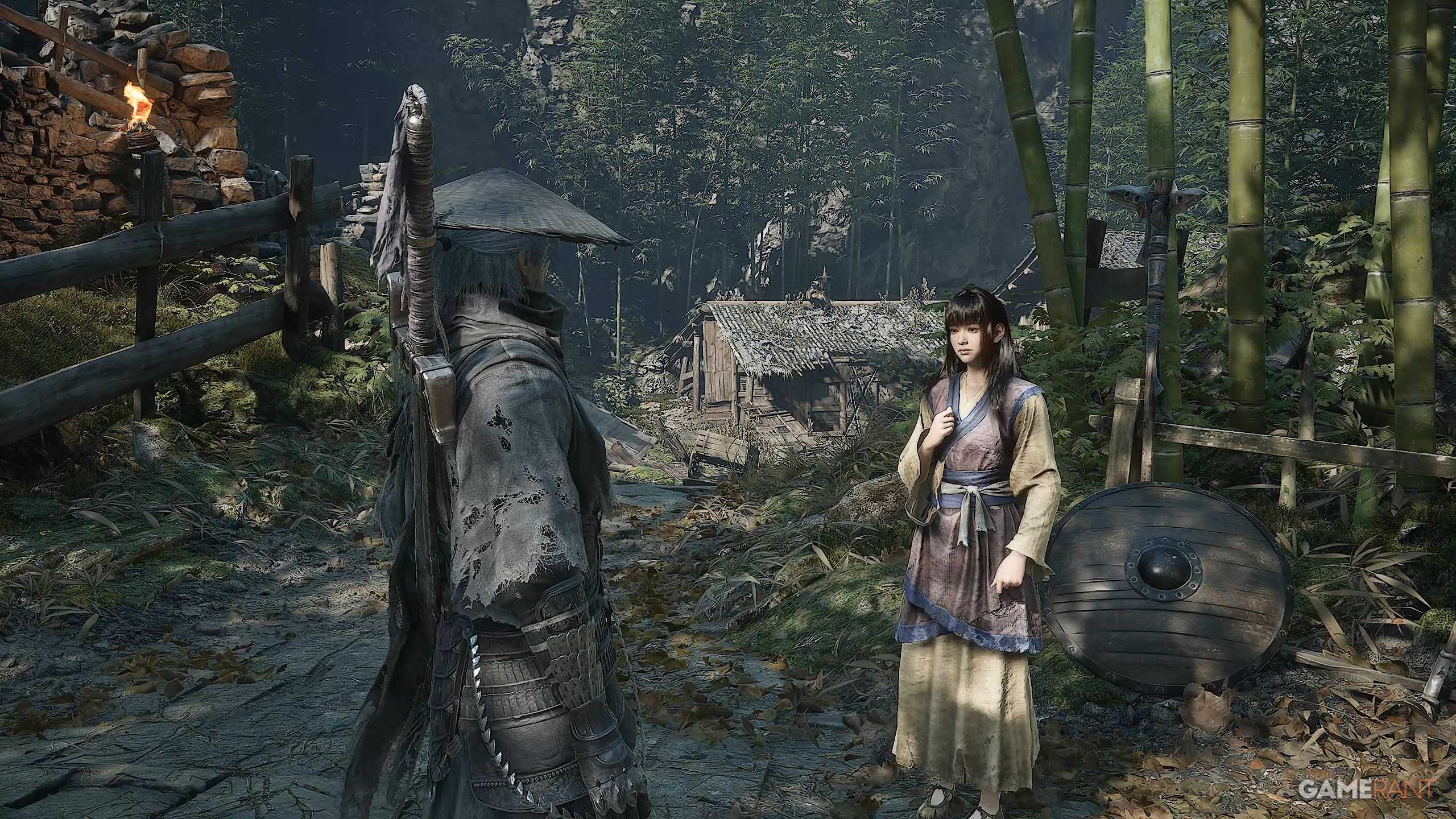

To be clear, I don’t think that Phantom Blade Zero does a bad job of telling its story, and I actually enjoyed many aspects of its unconventional, lore-first storytelling. It’s not so much that Phantom Blade needs to “pick a lane” with respect to its narrative methods, but more so that it should continue to polish and tighten its particular way of delivering lore and plot information. Not only would this make future Phantom Blade Zero games more palatable to a wider range of narrative-driven consumers, but it would also allow the IP to become more robust and unique within the broader action-RPG space.
I greatly appreciate the documents and especially the Memory Flowers in Phantom Blade Zero: these elements are well-written in their own right, and I was able to put together clues from some of them, ultimately predicting a few major reveals that wouldn’t come for several more hours. But some of these documents are basically required reading if you want to make sense of the plot and game world, and not every player is going to be into that. When you’re forced to take a step back from some of the best action-RPG combat in years in order to complete this required reading, it’s understandable that some will have a hard time down-shifting.

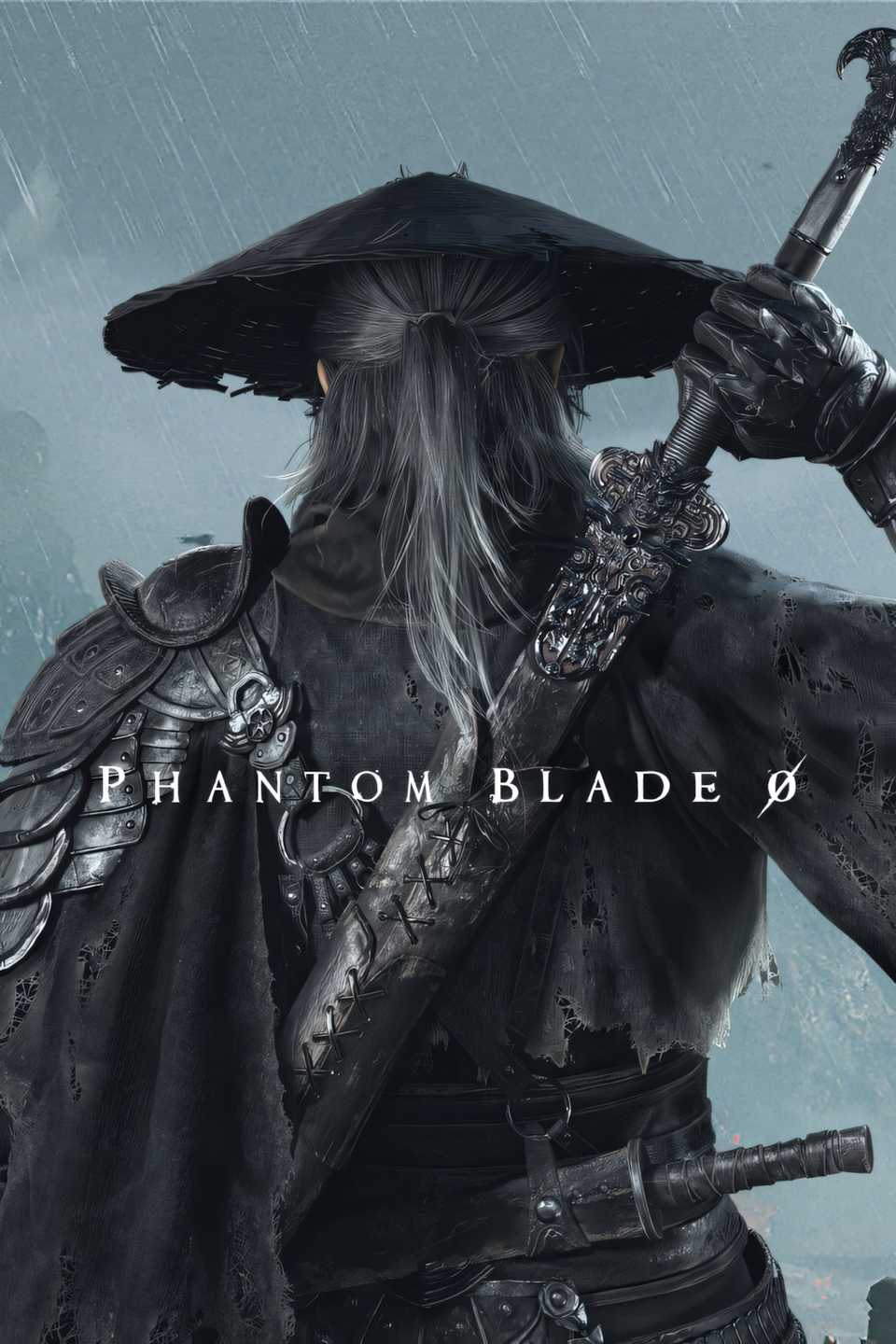



- Released
-
October 29, 2026
- Developer(s)
-
S-Game
- Publisher(s)
-
S-Game