





Sales of physical games hit a new low in 2025, continuing an unfortunate trend the industry has seen over the past several years. While many fans have spoken out against digital-only releases and misleadingly labeled “physical” editions, there seems to be a disconnect between that trend and the broader market. While overall video game sales may be doing well, the same can’t be said for hard copies.
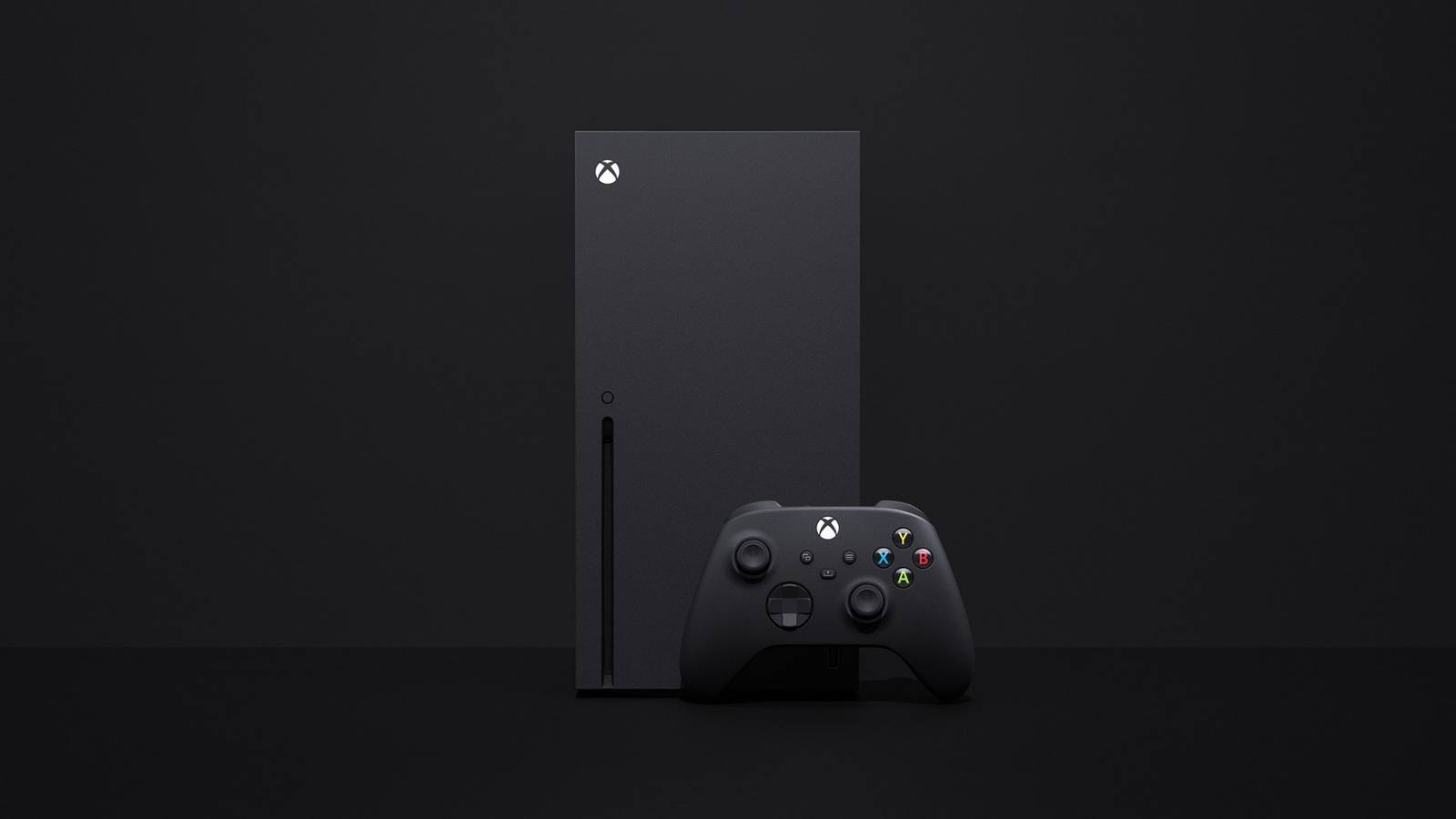
The gaming sphere has been trending toward a digital-only, or at least a digital-first, future for some time now. In 2025, the disc-less Xbox Series S S outsold the Xbox Series X by a wide margin, accounting for 75% of the platform’s total sales. Services like Xbox Game Pass and PlayStation Plus have also made it easy to access massive libraries of digital games, further pushing things away from physical alternatives. Still, a contingent of fans calling out for hard copies has remained, but the numbers may suggest these gamers are in the minority.
It Looks Like Xbox Could Be Phasing Out Physical Games Entirely
Fans notice some potentially troubling signs that may suggest Xbox is starting to move away from physical copies in favor of digital-only games.
Physical Game Sales Hit a New Low in 2025 Despite a Slowing Rate of Decline
So, in 2025 US new physical video game spending fell 11% compared to 2024. This is the lowest rate of decline since 2021 (-8%), and far better than the -28% recorded in 2024. However, spending on new physical video games also reached only $1.5 billion in 2025, an all-time tracked (since 1995) low.
— Mat Piscatella (@matpiscatella.bsky.social) 2026-03-02T23:39:52.024Z
Games industry analyst Mat Piscatella commented on a report about Gen Z embracing physical media, pointing out how U.S. spending on new physical game copies hit just $1.5 billion in 2025. That’s the lowest this figure has ever been since analysts began tracking it in 1995. It’s also the seventeenth year in a row showing a decline, as U.S. physical game sales have been steadily falling since 2008, when they hit their peak of $11.6 billion. Interestingly, though, the 11% drop between 2024 and 2025 marked the lowest rate of decline since 2021 and is a notable improvement over the 28% fall seen in 2024.


Piscatella suggests that the slowing rate of decline has more to do with physical game sales reaching the bottom than signaling an incoming upward trend. He also noted that the release of the Nintendo Switch 2 likely lifted sales, too, and that Gen Z’s preference for physical media may have an impact but does not represent a “dramatic shift.” It’s also worth noting that while Piscatella was speaking solely about U.S. sales figures, this is part of a global movement. A 2025 report found that 70% of game purchases in Germany are now digital, and almost 90% of game sales in the U.K. were digital as of 2022. Physical games are not entirely dead, but they are a substantially smaller part of the market than they used to be.
This movement does not come as much of a surprise, as a similar shift has happened with film and music, too. It’s understandable, too, considering how much more accessible digital games are. Players can buy and begin playing digital games without ever leaving their homes or waiting for a package to ship, and switching between titles is more convenient when there are no discs or cartridges to eject and replace. Even the Switch 2’s controversial Game-Key Cards offer some advantages, with some developers citing how they aid preservation by lasting longer than true physical media and others pointing to how they enable higher-end experiences on the console.
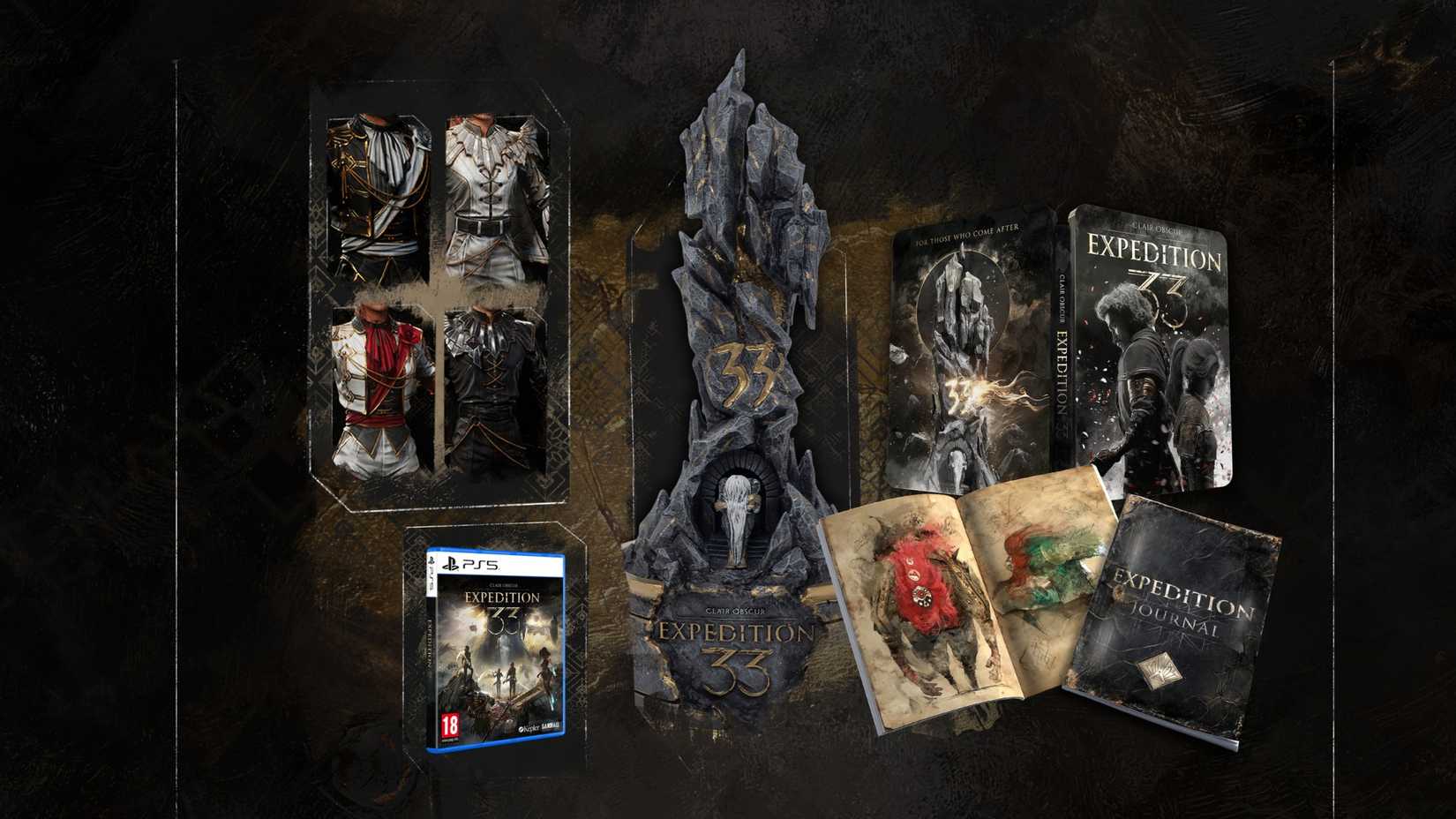
Still, physical games have their own advantages, with ownership concerns being one of the most frequently cited. Fans technically don’t own digital games, as they’ve purchased a license to play the title, which a company could theoretically revoke. Physical editions also open the door to reselling and often don’t require an internet connection. Even when discs do require a download, it’s typically a smaller file size than what a digital-only version would require, although this is not always the case. Regardless of each side’s pros and cons, it’s clear that digital games will remain the norm in the future, even if a small audience still prefers having something tangible.